

I’ve lived on Croatia’s Dalmatian coast for over a decade and have traveled extensively in Greece, so I know exactly where the two countries feel similar—and where the differences really matter when you’re planning a summer trip.
My guide compares Croatia vs. Greece on the things travelers actually choose (islands, beaches, history, food, road trips, crowds, and timing), so you can pick the destination that fits your style right now—then save the other for next time.
Both Croatia and Greece are in the Schengen Area, which means travel between them (and other Schengen countries) is typically without routine border checks. However, travelers still need a valid ID, and entry rules depend on nationality.
Choosing between Croatia and Greece comes down to how you want to structure your trip and what you want to prioritize this summer.
But, maybe you’ve whittled your choice down to a shortlist of two – Croatia or Greece.
Here’s how to choose between them based on how you actually want to travel.
Both destinations deliver outstanding travel experiences, but they suit different travel styles depending on how you want to spend your time.
But you can’t be in two places at once, can you?
Here’s where each country clearly wins—and who that matters to.
Keep reading below for our in-depth analysis on weighing up Greece vs. Croatia.
Skip Ahead To My Advice Here!
Croatia Vs. Greece: When Greece Is the Better Choice
Greece is the stronger choice if ancient history, iconic landmarks, and island variety are at the top of your travel priorities.
Of course, you might also be thinking about one of the amazing islands on the Ionian or Mediterranean Sea, or maybe more than one.
The key is understanding what kind of trip you want.
Best For Ancient Sites And Ruins
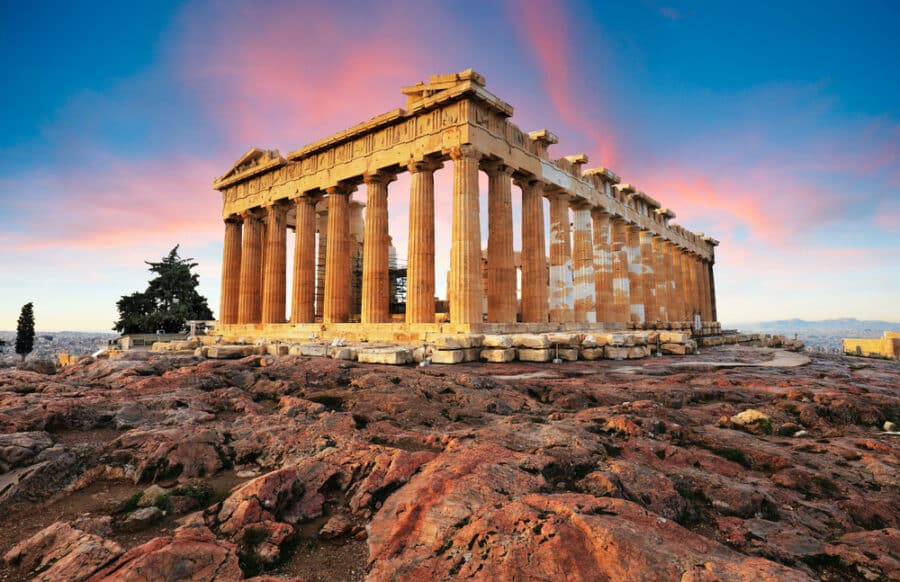
You should choose Greece if you’re into history and ruins for sure. Athens is undoubtedly one of the best cities in the world for ancient ruins. After all, it is the center of Ancient Greece!
The list goes on: the Acropolis, the Parthenon, the Temple of Apollo, and Olympia. So, if you’re all about history and seeing the ruins with your own eyes, it has to be Greece.
Winner: Greece. Greece decisively outperforms Croatia in terms of ancient sites, with a density and scale of landmarks that cannot be matched elsewhere in Europe.
Best For Greek Food

While Croatian food is excellent, Greek cuisine is broader, more regionally distinct, and generally more varied across both the mainland and islands.
Moussaka, Greek salad, Gyros, papoutsakia, pastitsio, the list goes on.
Winner: Greece. Greek cuisine offers greater regional variation across the mainland and the islands.
Best For UNESCO Sites And Culture
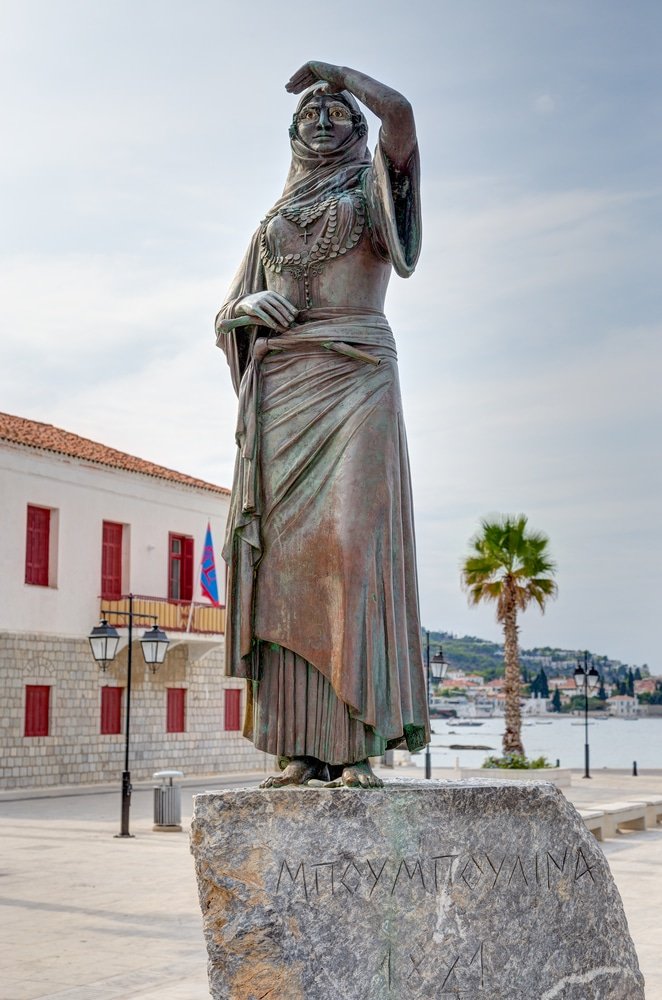
It’s wrong to assume you should only visit mainland Greece and Athens if you’re looking for history. Greece has 20 UNESCO World Heritage Sites to its name, so you can easily travel around and get your fill of history and culture during one stay. It’ll be tiring, but at least you’re seeing something amazing.
Best For Greek Island Variety

Croatia also has many beautiful islands, but few can rival the fabulous Greek Islands. We all know about Mykonos, Rhodes, and Santorini, but this is just the tip of the iceberg.
You can also go island-hopping to your heart’s content, thanks to a well-organized ferry network with frequent summer routes and a reduced winter timetable on many island connections.
Best For Late-Season Travel
If you want to travel later in the summer, into autumn, you’re best looking towards Greece. The main tourist season tends to last just a little bit longer in Greece, especially if you travel to the islands further east. You can also find some great deals at this time of year, reducing the cost of your holiday.
Greeks will welcome you even in winter, and although a few beach bars will be closed, so much of the country is open and ready for you. Greece is a year-round destination, with the widest choice of seasonal tourism services typically running from late spring through early autumn.
Winner: Greece. Greece maintains warmer conditions and more open services into autumn than most of coastal Croatia.
Best For Monasteries And Spiritual Sites
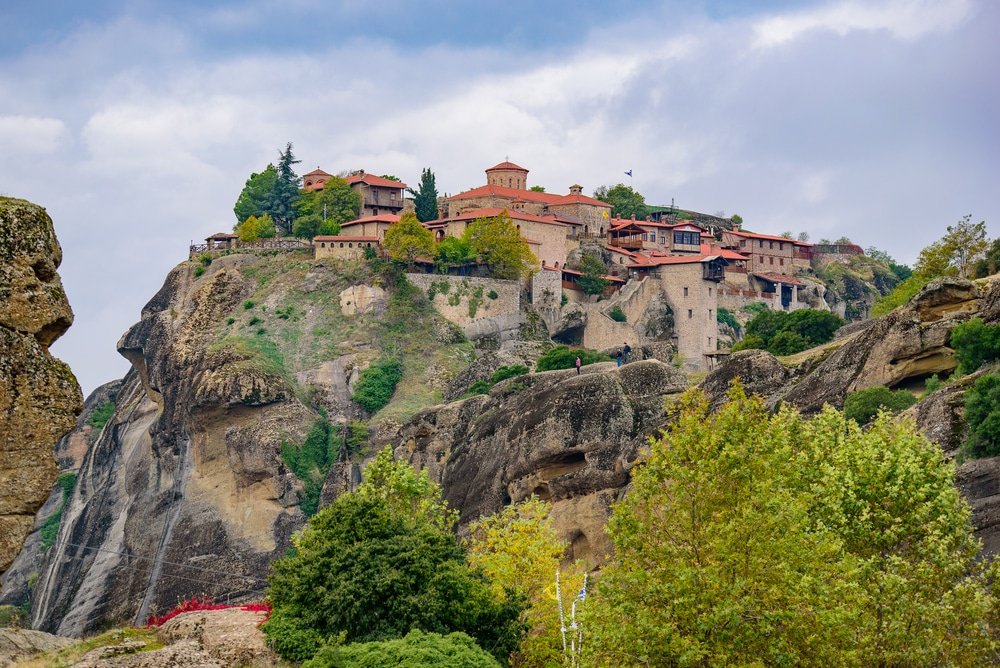
Greece is your go-to for eye-opening monasteries that blend natural beauty with architectural marvels. Meteora stands out, with its monasteries perched on towering rocks, offering a surreal sight. Mount Athos, accessible only to men, remains a significant spiritual hub with 20 monasteries frozen in time.
Don’t miss Patmos, where the Monastery of Saint John combines religious importance with stunning Aegean views. These spots don’t just showcase Greece’s religious history; they’re a deep dive into its spiritual and architectural heritage, making them a must-visit for anyone fascinated by history, architecture, or spirituality.
Brands We Use And Trust
Croatia Vs. Greece: When Croatia Is the Better Choice
Croatia stands out for its compact size, dramatic coastline, and the ease with which you can combine historic cities, islands, and national parks in a single trip.
Best For Game Of Thrones Filming Locations

One clear difference between Greece and Croatia is the Game of Thrones filming locations.
If you’re a Game of Thrones fan, Croatia is the clearer choice. This is where many scenes were shot, particularly on Dubrovnik’s city walls, making it the perfect destination for Game of Thrones fans.
Best For Easy Road Trips
If you get itchy feet when you sit in one place for too long, Croatia is an excellent choice, as it’s much smaller, so you can see more in a shorter period of time.
Hire a car and head off on the open road to visit several places during your stay. The roads are of excellent quality and easy to follow. This makes Croatia especially well-suited for multi-stop road trips.
Winner: Croatia. Shorter distances and coastal highways make Croatia more efficient for multi-stop trips.
Best For National Parks And Waterfalls
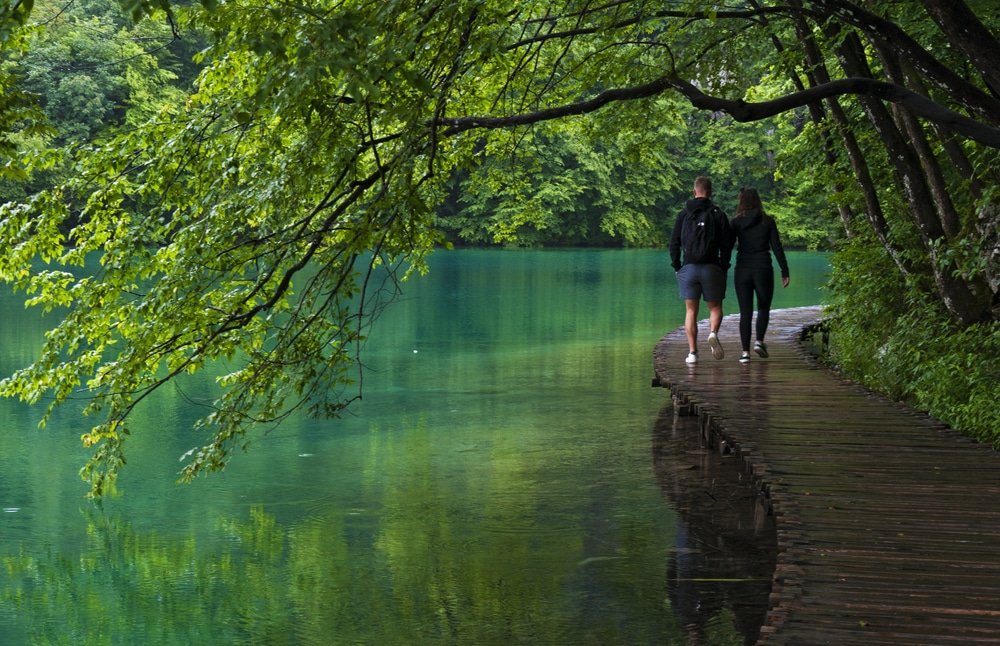
While Croatia is very blue, i.e., the sea, as is Greece, another color you’ll see a lot of in Croatia is green. It’s a stunningly beautiful country with many national parks and waterfalls to explore.
CCroatia’snational parks are easy to include in a coastal itinerary, including:
- Check out the UNESCO World Heritage Site Plitvice Lakes National Park
- Krka National Park
- Paklenica National Park
- Brijuni and the list goes on
Winner: Croatia. National parks like Plitvice and Krka are easy to add to a coastal itinerary without breaking it.
Best For Mixing Cities And Countryside
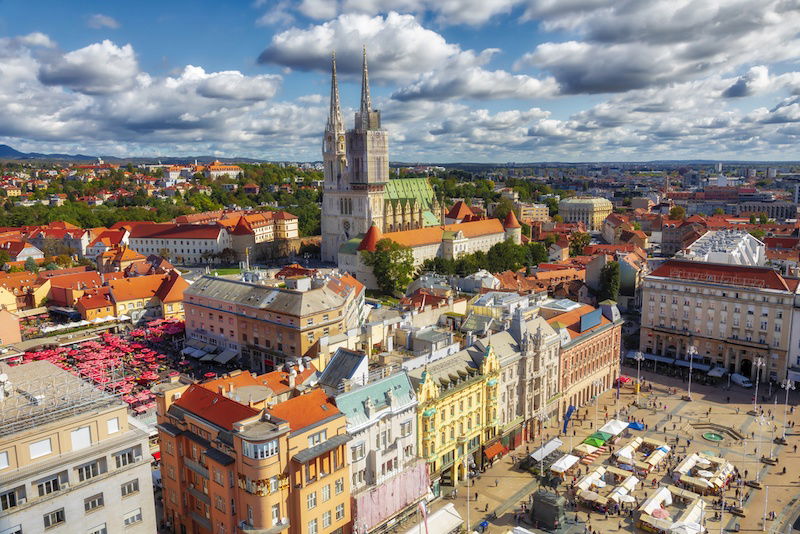
Of course, you can do this in Greece, but the Croatian cities tend to pack more of a picturesque punch. Split and Dubrovnik are very attractive cities with great photo opportunities.
If you want to ditch the Mediterranean climate, then Zagreb is also a great spot to visit; the city in Croatia has a very youthful energy and is very easy to walkaroundt in a day or two.
Best For Wine Regions And Tastings
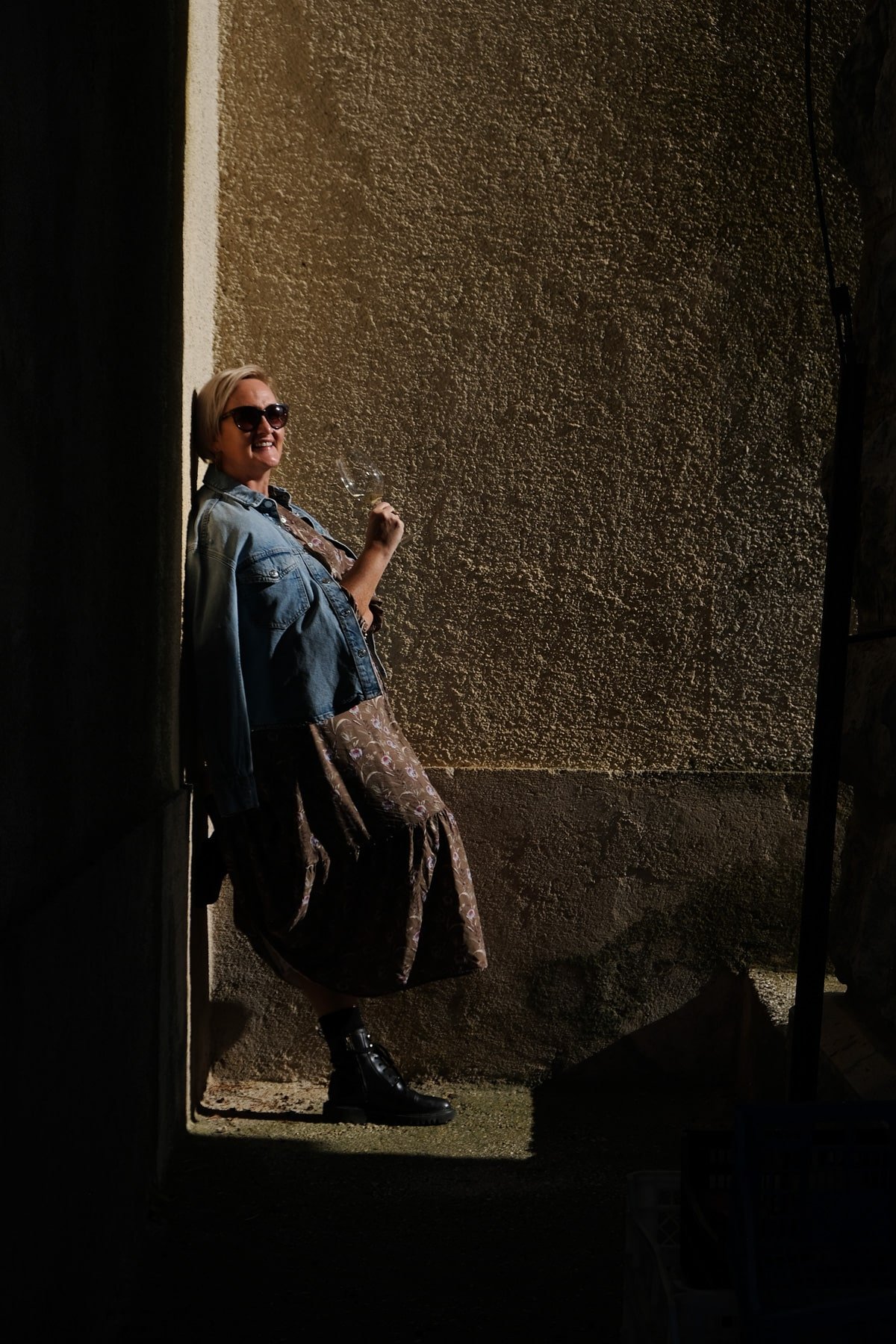
Croatia’s wine scene is capturing global attention for its improving quality and unique grape varieties, such as the bold Plavac Mali from Dalmatia and the aromatic Malvazija from Istria.
These regions, with their stunning landscapes and historic wineries, provide an ideal backdrop for exploring Croatia’s rich winemaking tradition. Boutique vineyards across the country offer intimate tasting experiences where family-run operations share their passion and insights into crafting wines from indigenous grapes.
With Croatian wines gaining more acclaim each year, now is the perfect time to dive into this emerging wine destination. Whether you’re a wine aficionado or a curious traveler, Croatia’s vineyards promise a journey of discovery and delight through each gla.ss
Winner: Croatia. Indigenous varieties and compact wine regions make tastings easy to integrate into travel days.
Best For Summer Music Festivals
When it comes to music festivals, Croatia is one of Europe’s standout summer destinations for festival-goers. These festivals draw international crowds throughout the summer season.
From the iconic Ultra Europe in Split to the eclectic beats of Dimensions Festival in Tisno, Croatia, it offers a standout lineup of events set against breathtaking backdrops.
Whether you’re into electronic dance music, indie rock, or world music, Croatia’s music festivals promise unforgettable memories.
Best Beaches In Croatia Vs. Greece
When it comes to beach holidays, both Croatia and Greece serve up some serious contenders. But depending on what you’re after—be it family-friendly shores, spots for solo relaxation, or lively beach clubs—each country has its gems.
In Croatia
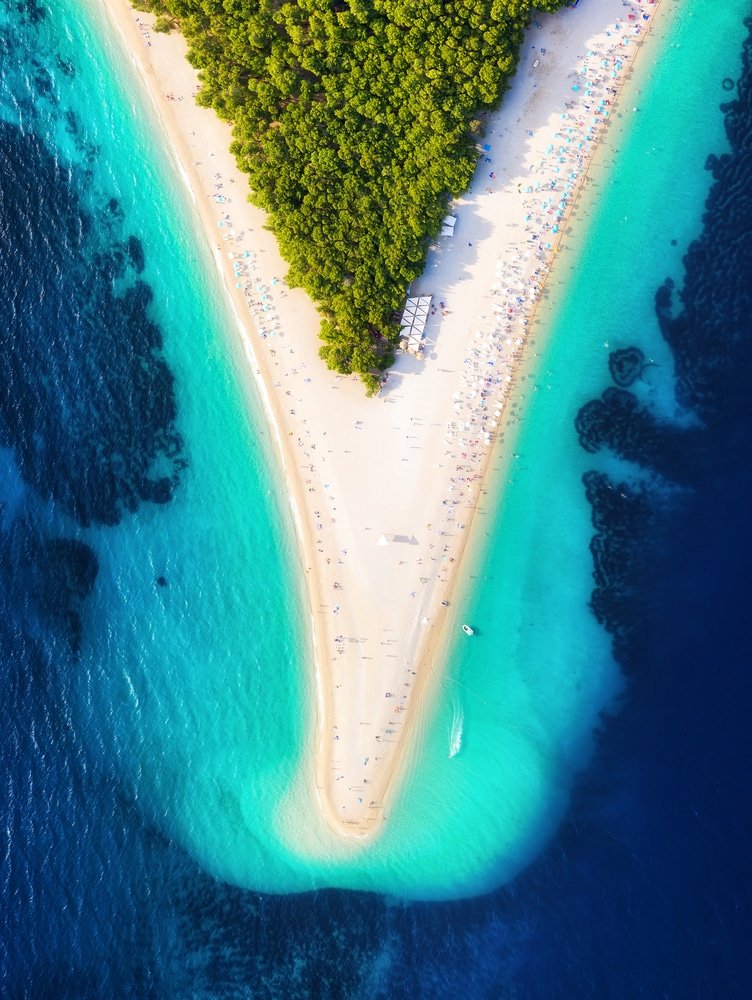
Zlatni Rat on Brač Island often steals the spotlight. Its unique, ever-changing shape, courtesy of the winds and tides, coupled with crystal-clear waters, makes it a hit for families.
The beach is well-equipped with facilities and activities to keep everyone entertained. For those seeking Blue Flag beaches that meet the program’s environmental and safety criteria, Banje Beach in Dubrovnik and Bačvice Beach in Split are top picks.
These spots offer a mix of natural beauty and the convenience of nearby city amenities, ideal for families and solo travelers alike. If you’re into the beach club scene, Hvar Island is the place to be. Carpe Diem Beach Club offers a chic experience with its beach parties and upscale vibe.
In Greece
Greece, on the other hand, boasts Sarakiniko Beach on Milos Island, a moonscape of smooth, white volcanic rock against turquoise waters. It’s a surreal spot that photographers and solo adventurers will love.
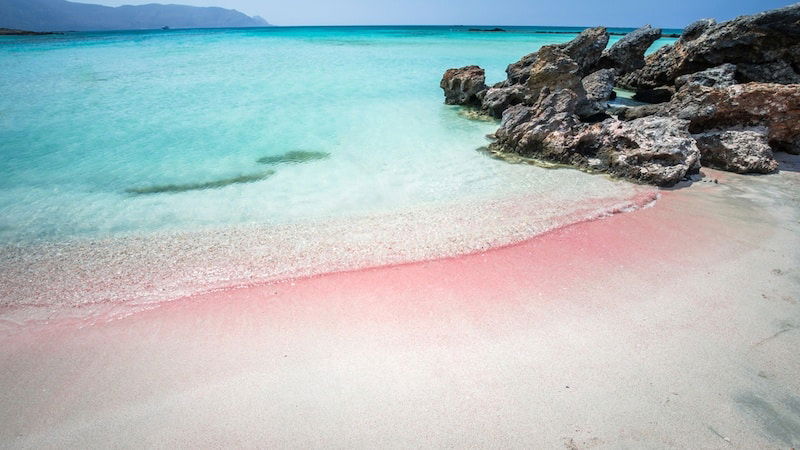
For white sand and family-friendly facilities, Elafonissi Beach in Crete is unbeatable. Its shallow, warm waters and pink-tinted sand create a paradise for families.
And when it comes to beach experiences that blend natural beauty with Greek hospitality, Mykonos and Santorini are unparalleled. Mykonos caters to those looking for a vibrant beach club scene, while Santorini offers more secluded spots perfect for couples or solo travelers seeking peace and awe-inspiring sunsets.
So, whether you’re planning a family trip, a solo retreat, or a lively holiday with friends, Croatia and Greece offer a beach for every type of traveler. The better choice depends on whether you prefer sandy island beaches or pebbly coves close to historic towns.
Beach Verdict: Greece wins for sandy variety and dramatic settings; Croatia wins for clear water and beaches close to historic towns.
Island Hopping: Clear Differences Between Croatia and Greece
Island hopping in Croatia and Greece offers two very different experiences, and the better choice depends on how much time you have and how you want to move between islands.
Whether you’re drawn to Croatia’s Adriatic gems or Greece’s Aegean Sea treasures, each destination promises a unique adventure filled with sun-kissed beaches, crystalline waters, and rich cultural heritage.
Let’s break down what the two countries have to offer:
What To Expect
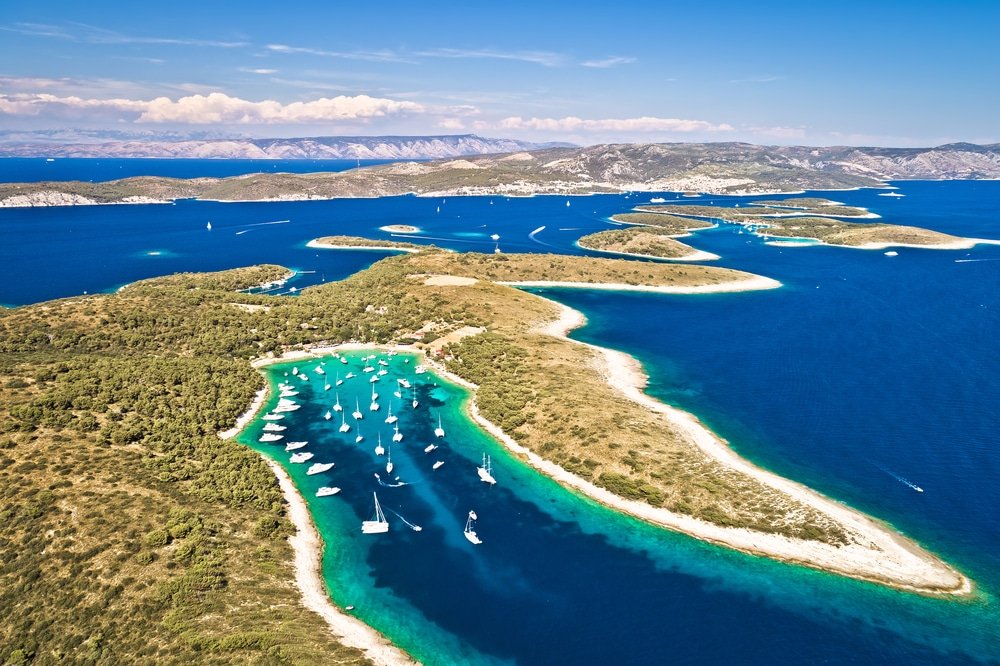
Croatia:
- Croatia boasts over a thousand islands, and each Croatian island has its own charm and character
- Island hopping in Croatia means exploring picturesque villages, historic sites, and stunning natural landscapes
- Expect to encounter a mix of lively beachfront towns and serene secluded coves, perfect for both relaxation and adventure
Greece:
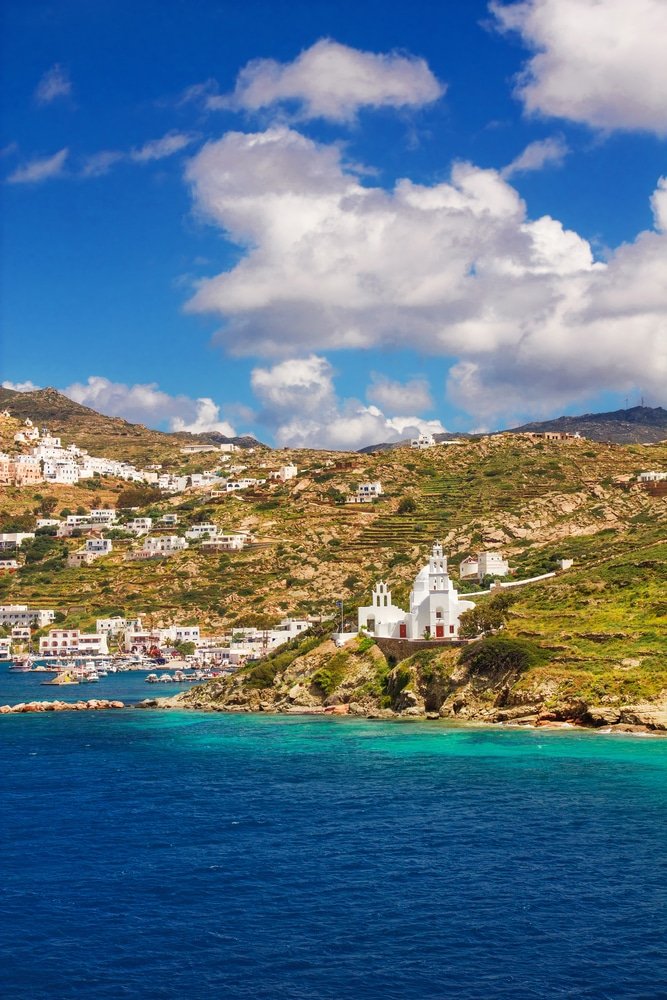
- Greece is home to over 6,000 islands scattered across the Aegean and Ionian Seas; Greece offers endless island-hopping possibilities
- Greek islands are renowned for their whitewashed buildings, turquoise waters, and vibrant local culture
- From party hotspots like Mykonos to tranquil retreats like Santorini, Greece’s islands cater to every traveler’s taste
Who It’s Best For
Croatia:
- Island hopping in Croatia is ideal for travelers seeking a blend of history, nature, and relaxation.n
- It’s perfect for those who appreciate quaint coastal towns, outdoor activities like hiking and snorkeling, and exploring ancient ruins.s
Greece:
- Greece’s island-hopping experience appeals to travelers seeking iconic landscapes, vibrant nightlife, and authentic Mediterranean cuisine.
- It’s best suited for those who enjoy vibrant nightlife, cultural exploration, and soaking up the Mediterranean sun on beautiful beaches.
How to Choose
Consider Your Interests:
- If you’re interested in exploring small medieval towns and national parks, Croatia may be the perfect choice
- On the other hand, if you’re drawn to ancient history, lively nightlife, and postcard-perfect sunsets, you might like Greece bett.er
Budget and Logistics:
- Budget and logistics can influence the better choice between Croatia and Greece.
- Croatia often offers better value for accommodation and activities, while Greece’s extensive ferry network makes island hopping easier but can increase overall costs.
Weather and Season:
- Both Croatia and Greece enjoy warm Mediterranean climates, but the best time to visit may vary depending on your preferences
- Croatia’s peak season is from June to August, while Greece sees the highest influx of tourists from July to September. Shoulder seasons typically bring fewer crowds and milder weather in both countries.
If you have limited time, Croatia’s island hopping is simpler; if island variety is the entire point of your trip, Greece is the stronger choice.
Move This Adventure To Your Inbox & Get An Instant Freebie

No spam. Unsubscribe at any time.
Final Verdict: Greece or Croatia—Which Fits Your Trip
Choosing between Greece and Croatia comes down to how you want to structure your trip. It comes down to what you want to do during your break and what is important to you. But if you choose one this time, select the other next time.
Either way, they are both top destinations, and you’ll get picturesque villages, historical monuments, and a choice of island and mainland destinations, culminating in a dream trip.
Do you want to visit Croatia and Greece? Great idea, here is how to travel from Greece to Croatia.
FAQ: Croatia vs Greece — Clear Answers
Is Croatia or Greece better for a summer vacation?
It depends on what you want most. Greece is often the stronger pick for ancient sites and big-name islands, while Croatia is often easier for compact road trips, national parks, and combining coastal cities with nearby nature.
Which country has more islands: Croatia or Greece?
Greece has over 6,000 islands and islets in total (with a much smaller number inhabited), while Croatia has 1,244 islands, islets, and reefs along the Adriatic.
Is island hopping easier in Greece or Croatia?
Greece generally offers a wider range of island-to-island ferry options, especially in summer. At the same time, Croatia’s island hopping is often simpler along the Dalmatian coast with fast boats and ferries linking coastal hubs to nearby islands.
Do ferries run year-round in Greece?
Yes, ferries run year-round on many core routes, but frequency and direct connections are typically reduced outside peak season, and some island-to-island routes are mainly seasonal.
Which is better for ancient history: Greece or Croatia?
Greece is typically the stronger choice if your priority is ancient sites and ruins, with Athens and multiple archaeological regions across the mainland and islands. Croatia has major Roman-era highlights too, including Diocletian’s Palace in Split and historic coastal cities.
How many UNESCO World Heritage Sites does Greece have?
Greece has 20 UNESCO World Heritage Sites.
How many UNESCO World Heritage Sites does Croatia have?
Croatia has multiple UNESCO-listed cultural sites across the coast and inland, including major historic centers and landmark monuments.
Which is cheaper: Croatia or Greece?
Prices are broadly comparable overall, but the better-value choice depends heavily on the specific destination and month. Highly popular islands and headline coastal cities in either country can be priced similarly in peak season.
Which country is better for beaches?
Both are excellent. Croatia is known for clear Adriatic water and pebbly coves near historic towns. At the same time, Greece offers a wider variety of beaches (including more sandy options in many areas) and dramatic island landscapes.
Is Croatia good for national parks and waterfalls?
Yes. Croatia is well-known for Plitvice Lakes and Krka, and several other parks and protected areas are easy to combine with a coastal itinerary.
Does Greece have national parks?
Yes. Greece has more than 20 officially designated national parks and marine parks (classification varies), spanning mountains, wetlands, forests, and protected coastlines.
Which is better for a road trip: Croatia or Greece?
Croatia is often easier for shorter road trips because distances between major stops are shorter, especially along the coast. Greece can be excellent for road trips too, but many itineraries need more time if you’re covering multiple regions.
Can you travel between Croatia and Greece without border checks?
Both countries are in the Schengen Area, so travel between them is typically without routine border checks, though travelers still need a valid ID, and entry rules depend on nationality.
Which country is better to visit in October or November?
Greece often keeps a longer warm-weather season in many destinations, particularly in the south and on some islands, while much of Croatia’s coastal tourism scene becomes quieter after summer.
Where are the main Game of Thrones filming locations in Croatia?
Several major scenes were filmed in Croatia, especially in and around Dubrovnik, making it a popular stop for fans.
Which destination is better for wine experiences?
Croatia is a strong choice for indigenous varieties and tastings in regions like Dalmatia and Istria. At the same time, Greece also offers distinctive wine regions and native grapes across the mainland and islands.
Tell us in the comments below which you’ll choose: Greece or Croatia.
- Croatia Vs. Malta – How To Choose
- All About Traveling In The Balkans
- Croatia Vs. Italy Comparison Guide
- Travel Blog To Backpacking In The Balkans
- Best Beaches In The Balkans
- Top Places To Go Hiking In The Balkans
- One Month Itinerary For Traveling Through The Balkans
- Ultimate 5-Day Balkans Travel Itinerary
- 21 Things Not To Miss On A Balkans Road Trip
- Two-Week Road Trip Itinerary Through The Balkans
- Balkan Cruises – Where You Can Cruise To In The Balkans
Hi guys. I was reading your article and I was a little bit surprised about it being fairly superficial and also doing Greece a lot of injustice. If you would actually do a research about Greece you will see how Greece’s nature is vastly richer, more spectacular than Croatia without any comparison. I want to friendly point out and inform you on things that will make you become more aware from here on.
Greece has 80% mountains, 20% of all of Europe’s Ultra peak mountains lies in Greece. While Croatia has 0 Ultra peak mountains, Greece has 19. For reference. Switzerland has 8, Austria has 12. It comes to show where Greece stands. Greece has 400 mountains, many of them rise 2500-3000 meters straight out of the sea. These mountains are snow-capped till June and leaves for a utter breathtaking view around every corner, vastly beyond what you will ever find in Croatia.
Greece has 16.000 km of the most crystal clear coastlines in the world. Croatia has really lovely coastlines too, but Greece has much more diversity of coastlines, with 3000 meter mountains rising out of the sea, or without, with virgin forests, volcano’s, even natural hotsprings. Also. While almost all coastlines in Croatia are rocky, Greece has every type. Massive cliff walls, rocks, pebbles, to very soft fine sands of any color. Truly any color. From white to black, from red to yellow, from pink to even blue, and other colors due to Greece’s very diverse geology
By the way. Greece has 800 natural hotsprings. Some of the most in the world
Also Greece has 15.000 caves. Many rare ones, like river caves and other truly wonderful cave systems all throughout the country.
Yet another 2 massive natural aspects of Greece’s prowess.
But Greece’s truly spectacular natural prowess does not end there. Greece has hundreds and hundreds of gorges. The Vikos gorge is one of the 3 deepest gorges in the entire world, and it’s the deepest gorge in the world when you take in the depth to width ratio.
Then the Samaria gorge in Crete is the longest gorge in Europe.
Then you have another massive natural splendor. Greece has 400 wetlands and marshlands in the country, and if you google earth all over Greece and it’s lands that meet the sea area, that there are so many wetlands areas like Messolonghi, Koronisia and so on. Then you have truly amazing lakes and mountain lakes all throughout the lands and exceptionally important ones like lake Kerkini which is 1 of the 2 most important birding places in Europe
Then you have a whole arc of volcano’s starting from the Peloponnese going to Milos, Santorini, Nissiros.
Then geological paradises like Meteora, Gyalos pumice island, and so on but also Milos. Milos has all the color of stones you can ever find. There are even rainbow mountain like mines in Milos that are absurd.
Then also. Croatia has 1000 islands, spanning over an area of 30.000 km2
Greece and it’s 6000 islands around the mainland lies on 4 tectonic earth plates (European, Asian, African and the 4th one crushed in-between). These 6000 islands lay on 550.000 km2 are full with mountains, valleys, each island unique in spectacular natural beauty in so many ways. Vastly more diverse than Croatia, let alone how it visually impacts the eye.
As an example. Most islands in Croatia look very similar. A significant percentage of Croatian islands also have very dull/boring shapes. 95% of the islands pf Croatia are 100-300 meters high, with the majority being more around 100-150 meters. If you want to double check this, go to google earth and hover with your mouse cursor over the highest point of each island.
Then when you go to Greece’s islands, they are much more mountainous in endless combinations. Crete has 5 mountain ranges with 2 of them having mountain chains rising 2500m out of the sea. Then Kefalonia and Samothraki 1600meters. Evia island 1750 meters and so on.
All in all if you truly want to compare the real Greece with Croatia, then Croatia falls all-round terribly short in nature compared to Greece. Yes Croatia is green. But Greece is very much the same. Croatia has 34% forest cover and Greece 31.5% and yet Greece with it’s 80% mountains, and much more diverse natures makes you seemingly be in forests forever.
Now. For some names of mountains and nature to check if you want know ofcourse you can and do a proper 1 hour of google earth scanning to see how wonderful Greece actually truly is with it’s immensely diverse geography, topography, geology, mountains, forests, delta’s, rivers, lakes, etc etc etc and so on is.
But for even a fraction of things to check even just for mountains Epirus, Zagori, Pindus mountains, Vikos gorge, Tzoumerka mountains, Timfristos mountain, Aoos gorge, Aoos river, Acheron river, Mount Olympus, Tymfi mountain, Taygetus mountain, Kremasta lake, Rhodope mountains, Koronisia, Plastira lake, Smolikas mountain, Acheloos valley, Voidomatis river, Prespes lakes, Mount Giona, Mount Vardousia, Evrytania, Meteora, Mornos lake, Kerkini lake, Amvraikos gulf, Methana and Methana volcano, Parnassos mountain, Dirfi mountain, Aoos lake, Mesolonghi, Lake Doxa, Mount Chelidona, Pelion, Lichadonisia, Mount Aroania, and so on and so on.
Hello there,
I don’t understand why you want to make it some sort of competition. Instead of appreciating the attraction that both countries can offer, you try to make look greece better by degrading the “richness” of Croatian nature and diversity. Seems really weird and shows some sort of complex, that you had to satisfy, by writing a whole essay on why Greece’s nature is better. This would be fine, if you were able to make it a non-biased comparison and didn’t blatantly misrepresent the existing circumstances.
Your main arguement is that greece is somehow “richer” in nature and overall more diverese. Sure Greece might have more and bigger Mountains and Islands, but – as you stated – 80% of Greece is mountains, that seems hardly diverse. Croatia is small and has a lot of what Europe has to offer concentrated in one small place:
Diverse Islands (e.g. Pag and Kornati archipel have a quite unique appearence as they have virtually no vegetation, this is due to the strong kabatic winds known as Bora, thus they look totaly different to for example Cres or Krk) Coast (Yes, they are rocky and mostly pebble beaches, though there do exist sandy beaches and also cliffsides facing the water like Dugi Otok’s Telašćica Nemzeti and Zmajevo Oko), Mountains (Dinara, Risnjak and Velebit mountain range – especially Paklenica, where parts of Winnetou were filmed -, are some of the noteworthy ones).
Croatia also has many caves (7,000), due to the Karst topography, inhabited by the Olm, a species found only in cave systems along the northern parts of the Dinaric Alps. Some notable caves are Jama, Modrič Cave, Pazin Cave, Barać Caves and Vranjača Cave.
Another highlighe of Croatian nature are their national parks. There aren’t many countries that have national parks that can compare to the likes of Plitivice Lakes or Krka. Plitivice Lakes Natur Park, with its 16 lakes connected via waterfalls, is one of the most recognizable nature parks in all of Europe.
All this has been mostly the Adriatic/Mediterranean part of the country. Croatia has both mediterranean climate as wells as continental Climate. The Croatian coast and its hinterland are very much different from the continental part, which in the eastern region is mostly within the Greater Hungarian/Pannonian Plain, through which the Danube and its tributary rivers flow (most notably Sava, Drava, Kupa.
To the north you can find lofty and willowy landscapes of lush green hills in the regions of Zagorje, Varazdin and Međimurje, which are again different from the rest of the country.
You mentioned wetlands? Croatia has with Kopački Rit, located in eastern Slavonia along the mighty Danube, one of the best preserved marshlands in europe. Some additional wetlands are Lonjsko Polje, Lake Vranja and Neretva Delta.
I personally am still amazed of the difference of landscapes you get in a couple of hours of driving from the Karlovac to the Adriatic, passing the the Dinaric Alps. Objectively speaking, Croatia has actually much more diverese landscapes and claiming anything else just displays one’s ignorance about the matter.
Greece on the otherhand has vast archipelagos of beautiful islands and a lot of mountain ranges, all in the mediterranean climate, flora and fauna. Diversity looks different.
Cheers.
I imagine you are talking loudly here. I have a sister looking for a husband. I prefer a Greek man for her. Send a message.
Both stunning, but Croatia’s charm absolutely stole my heart