

Are you soon to be heading to Croatia’s beautiful shores and, like me, want to be prepared for what and how to bring your travel memories from your Croatia vacation home?
Don’t fill your suitcase with trinkets that will collect dust; here is what to buy in Croatia.
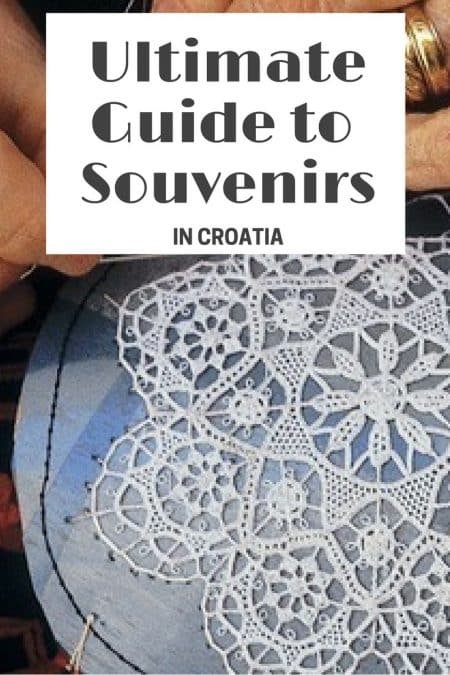
When it comes to what to buy in Croatia, the options are endless! There’s something for everyone, from traditional Croatian souvenirs to unique local products.
- If you’re looking for a traditional Croatian souvenir, consider purchasing a piece of hand-painted pottery or some handmade lace.
- Try some locally-produced olive oil or wine for something a little more unique.
- And if you’re looking for something extraordinary, why not pick up a bottle of Croatia’s famous Croatian fruit brandy, known as rakija
No matter what you buy, you will surely find something that will remind you of your time in this beautiful country.
Are you in a rush and don’t want to read this whole post? Instead, do you need some ideas? In that case, we offer our favorite souvenir ideas.
- Croatian olive oil
- Croatian honey
- Lavender products
- Pag cheese
- Handmade bracelets and jewelry
- Traditional clothing from Croatia
- Croatian craft beer
- Local wine, liquors & brandy from Croatia
Skip Ahead To My Advice Here!
Food, Drink & Croatian Grown Products
1. Honey

Whether you enjoy herbal-infused honey or raw honeycomb, buying local, artisanal honey is a great way to bring the taste of Croatia home with you. For major honey and bee enthusiasts, head to Solta (the island of honey) for a half-day honey tour at a local apiary and take home honey you extract and spin.
Other places known for honey production include Motovun, Molat Island, and other rural regions of Croatia.
2. Licitar Hearts
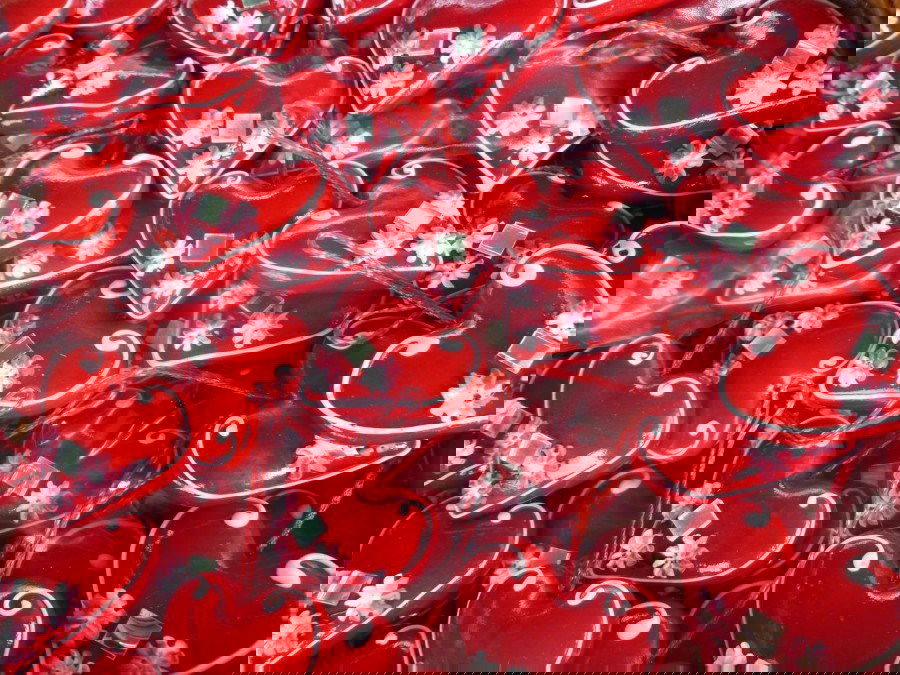
One of the cutest souvenirs from Croatia is a heart-shaped cookie decorated with colorful details. The origins of this treat date back to the Middle Ages in European monasteries, where it was made in wooden molds, most often in the shapes of hearts, mushrooms, cherries, horseshoes, birds, butterflies, or flowers.
It is made so that the sweet pastry (made with flour, water, yeast, and sugar) is formed in tin molds, baked, then painted with fruity colors – traditionally a bright red. The cookie is further adorned with white, yellow, and green, and then decorated with a sugar mixture, mirrors, etc.
These decorative hearts can be purchased nationwide, often for just a few euros.
Shopping Hint: Look for small ones for your Christmas tree; we hang them from it every year.
3. Paprenjaci
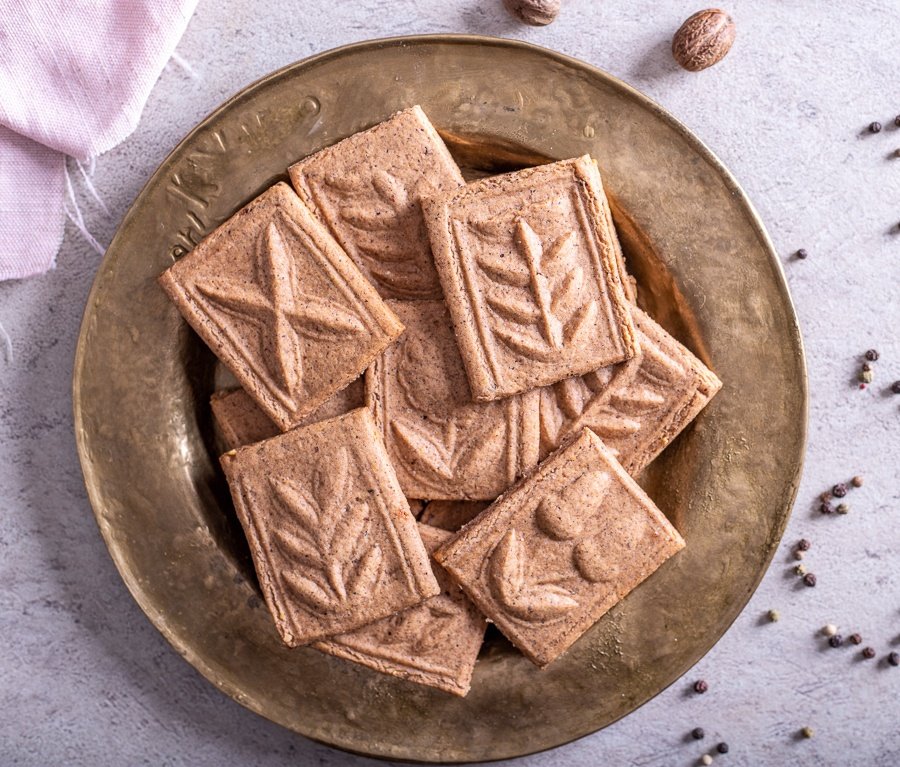
Paprenjaci are a traditional Croatian spiced cookie that includes black pepper among its ingredients.
The history of paprenjak dates back to the Renaissance and was mentioned by August Šenoa, a famous Croatian author, in his “Zlatarevo zlato.”
They are a recognized traditional Croatian symbol and a popular edible souvenir.
4. Bajadera
This famous Croatian nougat dessert contains walnuts, hazelnuts, or almonds and is made by the Kraš confectionery company from Zagreb. It is often eaten at special occasions in Croatia and is a popular gift.
This treat is found in many shops nationwide, including grocery stores and souvenir shops.
5. Olive Oil
Olive oil is one of the essential ingredients of the Mediterranean diet. Historically, olive oil was used in the Mediterranean region for nutrition, medicinal purposes, body care products, lighting, and many other uses. The olive tree is a species of the Mediterranean climate.
According to ancient Greek mythology, Aristaeus was credited with knowledge of olive cultivation and oil production.
Millennia of use of olive oil in a region where the climate, location, and type of land are ideal for its production have resulted in the production of high-quality varieties, like Istrian olive oils, which are widely regarded as award-winning and obtained from hand-picked olives.
Olive oil is an excellent gift because it has a Mediterranean touch; it’s very healthy and used for cooking and cosmetics. The purest, highest-quality, and most expensive olive oil is extra virgin olive oil, which is cold-pressed and produced solely by mechanical means.
Domestic extra virgin olive oil can often be purchased from private producers along the Croatian coast, with prices varying widely by quality and harvest year.
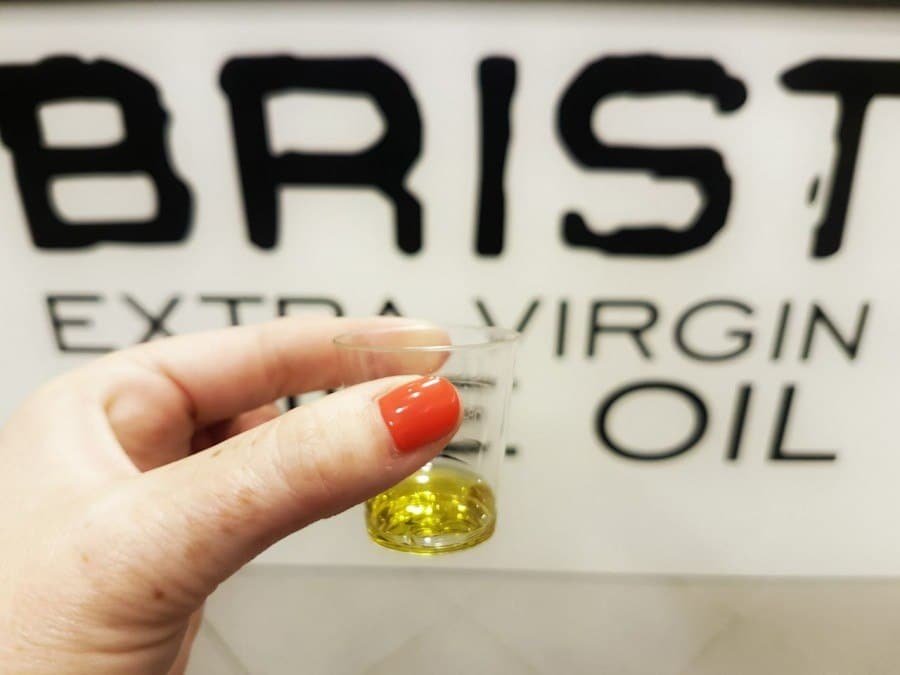
Local Tip: Head to Brist Olive Oil in Istria, where the Puhar family produces olive oil from their six-hectare grove, traditionally grownwith native olive varieties. They also hand-pick all the olives – no machines are used in the picking process. If you want to be daring, drizzle some of the BRIST Intenso Olive Oil over premium vanilla ice cream – I know it sounds odd, but it is a real treat.
6. Rab Cake
If you find yourself on the Island of Rab, be sure to pick up the famous Rab Cake. This is a traditional cake made with almonds and Maraschino liqueur (made from maraschino cherries) and is quite delicious! You will most likely see it in a spiral shape, and the island is the traditional place of origin for authentic Rab Cake.
7 . Truffles

Truffles are famous worldwide, and Istrian truffles are well-regarded internationally and can command high prices, particularly for white truffles.
Since Croatia is home to some of the tastiest truffles, you should definitely buy some to bring home.
Even better, book a truffle-hunting tour yourself! You’ll be paired with experts and can sample lots of delicious truffle dishes afterward, and you can bring home the truffles you find.
8. Croatian Wine
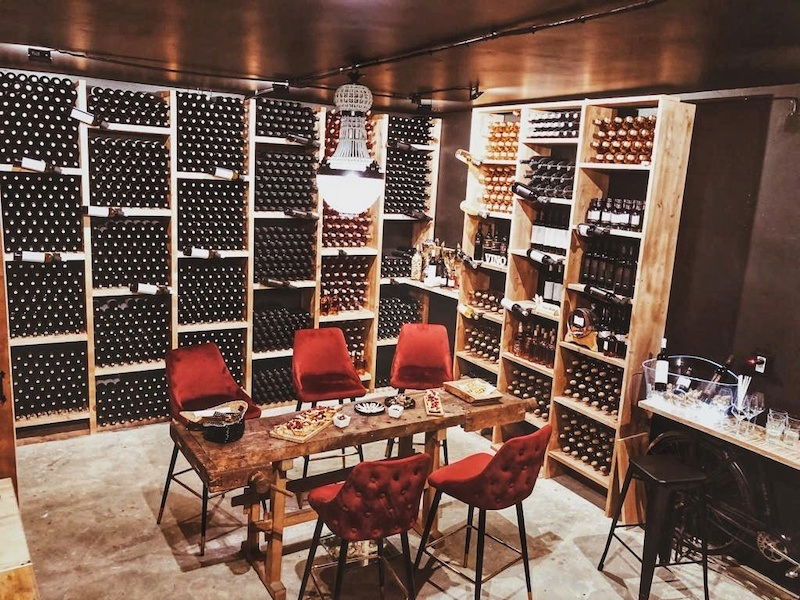
Yes, this small but beautiful country will shock you with its quality of local wines and always leave you wanting more. Its long winemaking tradition and numerous unique grape varieties will give you a unique wine-tasting experience while visiting, but why not buy a few extra bottles to enjoy back home!?
- You should look out for these wineries and varietal wines when in the country.
9. Croatian Cheese
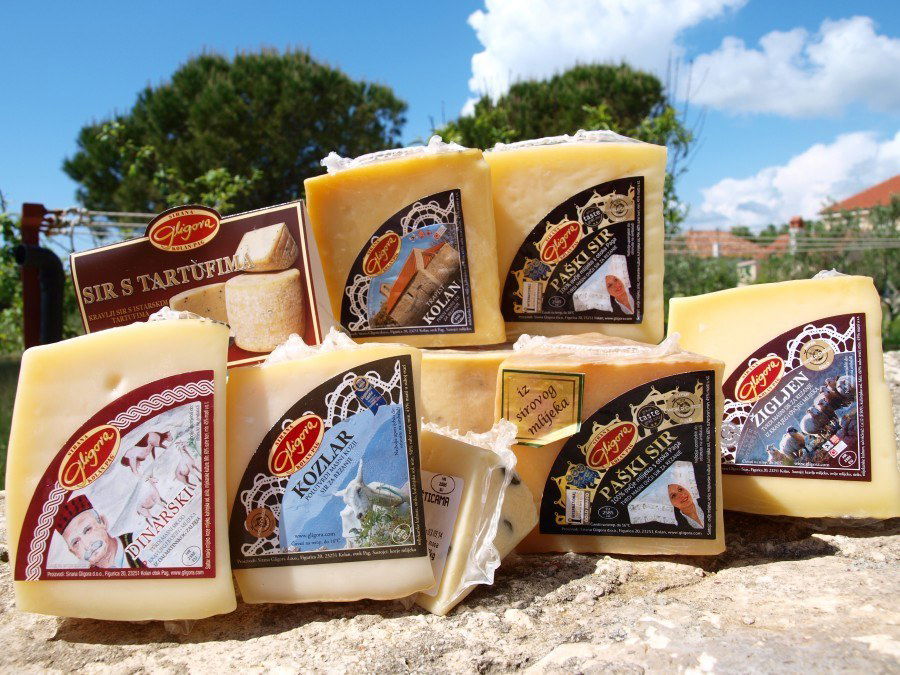
Cheese lovers, raise your hands! Pag Island has the yummiest cheese in all of Croatia – you’ll need to look for it when you are here. It’s called Paški Sir.
What makes Paški Sir so good, I hear you ask? It’s a few things. One of them is the Bura, a strong northerly wind that has been battering the Island of Pag since the beginning of time.
There is very little vegetation on the island due to the high winds and the salt spray from the Bura.
This means that only limited vegetation survives: wild aromatic herbs, shrubs, and grasses. All of which are salted naturally by the Bura wind. The tens of thousands of sheep on Pag Island graze on said herbs (like sage), which produce unique-tasting milk.
Sheep are traditionally moved between grazing areas depending on season and conditions. It’s the unique milk that goes into the magnificent tangy Paški Sir. The sheep are outside, left in their natural surroundings, and they are not stuck in small cages, barns, or otherwise. Each sheep is hand-milked and treated with love.
You can get other yummy cheeses from Pag at the Gliglora cheese tasting room (you can even tour the factory on some days).
But which Croatian cheeses should you buy?
We suggest you get your hands on the following:
- Paška Skuta – Fresh cheese similar to ricotta, a highly albumin cheese made from the whey of Paski Sir and Zigljen.
- Trapist – A semi-hard cow’s milk cheese.
- Figurica – A hard cheese from a delicate fusion of cow and sheep milk
- Dinarski – Produced exclusively from cow milk from the Dinaric Alps in southern Croatia, with added goat milk from the Zadar hinterland for added complexity
- Paski Sir – Hard sheep’s milk cheese produced exclusively from milk from the sheep on the island of Pag
10. Rakija
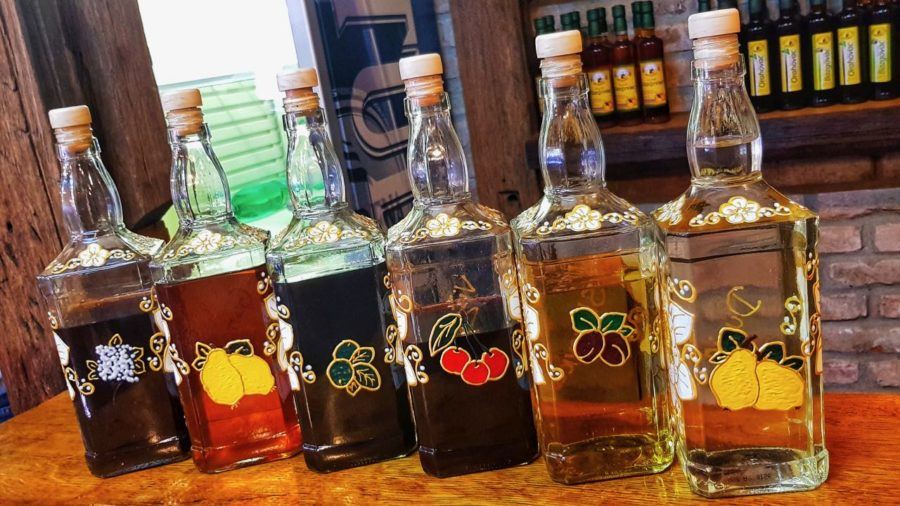
Rakija is a colorless, strong-smelling alcoholic drink (maybe like vodka to some) produced by distilling fermented fruits. It contains about 40% alcohol, and homemade rakija can have closer to 50-60 %. Rakija is the national drink of many Balkan nations and is popular in Croatia. It’s produced by distilling fermented fruit, and there are many types of rakija.
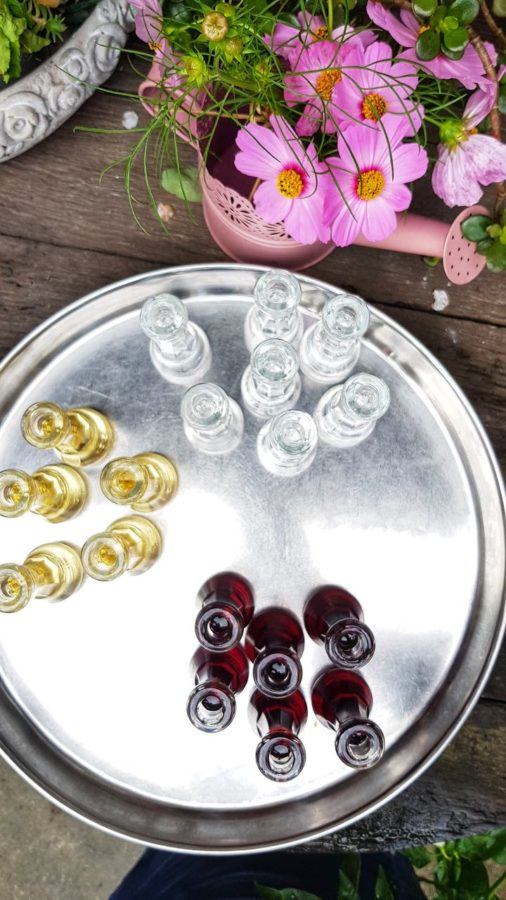
One popular type of rakija along the Adriatic Sea coast is lozovača, produced by distilling the fermented residue of pressed grapes. The resulting lozovača is sometimes enriched with additional ingredients such as herbs, cherry, honey, and nuts. Lozovača enriched with herbs is called travarica, and with honey,d medica.
Medica typically contains a lower alcohol percentage than standard rakija, often around 15–25%. It is popular in Istria due to its sweet flavor.
Rakija is also produced from apples, grapes, figs, quinces, apricots, pears, and walnuts. Sold at street stalls and souvenir shops across Croatia, decorative bottles of all the above rakija types are available.
Rakija is served as an aperitif, along with Dalmatian prosciutto and cheese; I suggest you pick up a set of small glasses to complete the gift. If you like an alcoholic beverage occasionally, rakija is one of the best buys you can make in Croatia.
11. Coffee
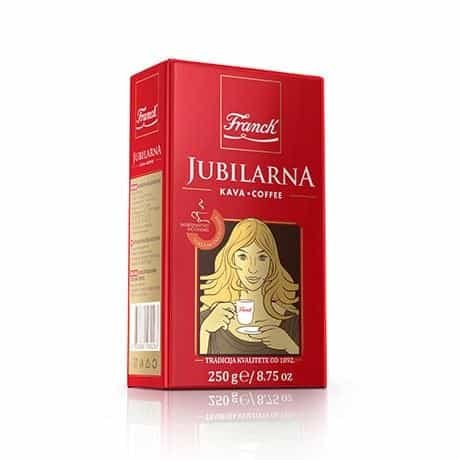
Coffee (also known as Kava) is essential to Croatians. Whether it’s an espresso from a coffee bar or Croatian coffee cooked on the stovetop at home, strong coffee plays a vital role in Croatian daily life.
You must order traditional coffee while visiting, but make sure to take some home for your loved ones who need a little lift in the mornings!
Want to buy Croatian coffee while you’re on vacation? Thanks to its brick-like shape, Franck is our top pick for Croatian coffee to take with you on the road.
12. Salt
Salt is a valuable resource found in Ston, Pag Island, and Nin, near Zadar.
Salt production in Nin dates back to Roman times, with centuries of continuous tradition, bringing this everyday commodity to the Croatian table. The salts harvested from Ston, Pag, and Nin are all-natural and have unique flavors from their regions. A trip to Nin’s salt pans and the museum is a must for any foodie, but don’t forget to pick up a bag of salt to bring home for your table!
Salt is a practical and popular souvenir from Croatia. It’s easy to stuff between clothes; very few countries will have restrictions on it; let’s face it, we all eat it daily! So, if you’re looking for what’s cheap to buy in Croatia and take home with you, salt will do the trick!
13. Protected Cured Meats
Several Croatian cured meats are registered under EU protected designation or geographical indication schemes. These meats travel well and make great gifts for those who would love to savor the tastes of Croatia.
Meats you need to try and then bring home include:
- Krčki pršut – a cured ham from the island of Krk; this can only be made from pigs from the region
- Istarski pršut – a non-smoked ham that can only be made on the Istrian peninsula; after drying in the cold wind with salt and spices for a few months, it is then aged for a year
- Drniški pršut – ham cured in the inland Dalmatian town of Drniš, which uses the natural bura micro-climate winds to dry the meat
- Dalmatinski pršut – using a combination of north and south bura winds and the addition of only sea salt, this smoked ham originates from the broader region of Dalmatia
- Baranjski Kulen, a spicy sausage from Baranja, is made with paprika, garlic, and pepper, giving it a spicy, smoky flavor.
- Slavonski Kulen – Slavonia is home to this famed sausage made unique with the ingredients of bacon fat and even rakija at times
14. Lavender
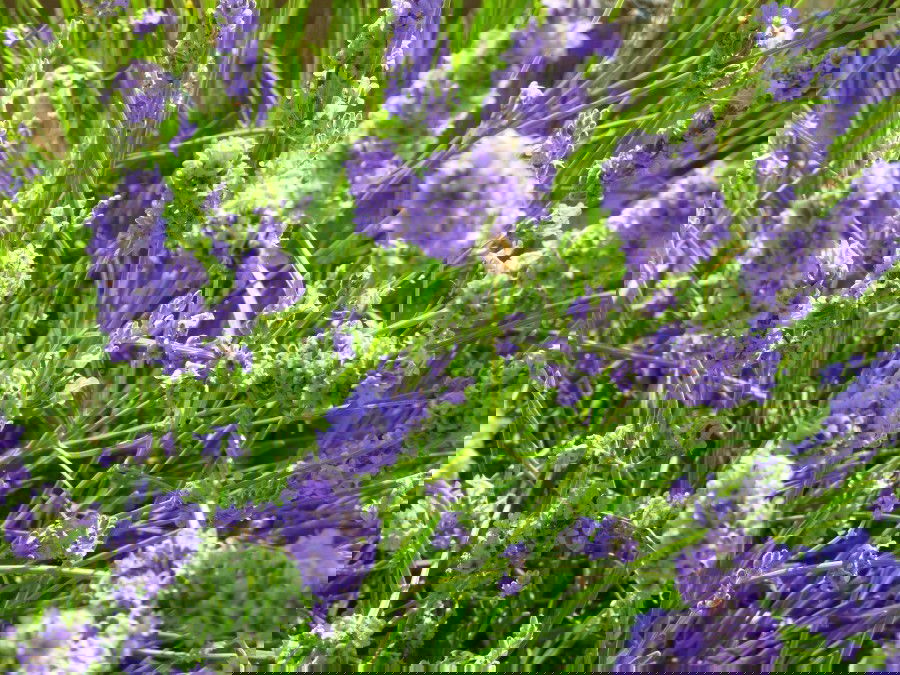
Lavender is a fragrant purple plant that grows throughout the Mediterranean, as far as Africa and South-East India, and originated in the eastern Mediterranean.
In these areas, lavender was used 2500 years ago, and it is believed that the name lavender derives from the word lavare, meaning ‘washing,’ because the ancient Romans used it for scented baths in the form of lavender oil.
Dried lavender was used in childbirth and in the liturgy, and the Greeks used it for medicinal purposes, practices that have been preserved throughout history. Lavender is often used to help with shortness of breath, pain relief, and infection.
Fragrant lavender bush is long-blooming, the decoration of any garden that attracts bumblebees and butterflies, and its dry flowers have multiple applications, from being thrown at weddings instead of rice to fill the pillow to help you fall asleep to defense against moths in your closet (decorative bags are filled with dried lavender flowers and soaked with lavender oil).
In Croatia, the main areas for lavender production are the villages of Hvar, Grablje, and Brusje. It successfully grows throughout Dalmatia and Istria and, more recently, in Slavonia.
At markets, on private farms, and in souvenir shops throughout Croatia, scented and painted canvas bags with dried lavender flowers can be bought for about 1 euro, while lavender oil costs about 30 euros per liter. Dry lavender flowers, in packages of 500 grams, usually cost around 7 euros.
For example, various Croatian lavender products, pillows, and cushions as car headrests can be purchased, as can lavender wardrobe bags and soaps. Essential oil costs 40 euros for a half-liter, and f lavendeliqueur r can sometimes be found if you are lucky!
Brands We Use And Trust
Traditional & Artisan Goods
15. Traditional Croatian Cravat (Tie)
The necktie is more than a decorative piece of fabric. It has historical significance in Croatia and is celebrated on International Cravat Day.
Like most things in life, the story has a few variations, but they all link back to Croatian mercenaries. Cravats were a part of the uniforms of Croatian soldiers. During the 17th-century European wars, soldiers tied them into their collars to keep them closed. This original necktie was adopted and adapted to modern culture, becoming the fashion accessory it is today.
An alternative explanation is a little more romantic. It is thought that when a Croatian man was called away on business or readied for a dangerous journey, his wife/girlfriend/significant other would tie her scarf around his neck and collar, and he would leave it there to remind him of her love while away.
Either way, a cravat is among the most traditional Croatian items and one of Croatia’s absolute best gifts for men you can snag (and bonus: it doesn’t take up much room). You can find them in loads of places across the country.
16. The Šestine Umbrella From Zagreb
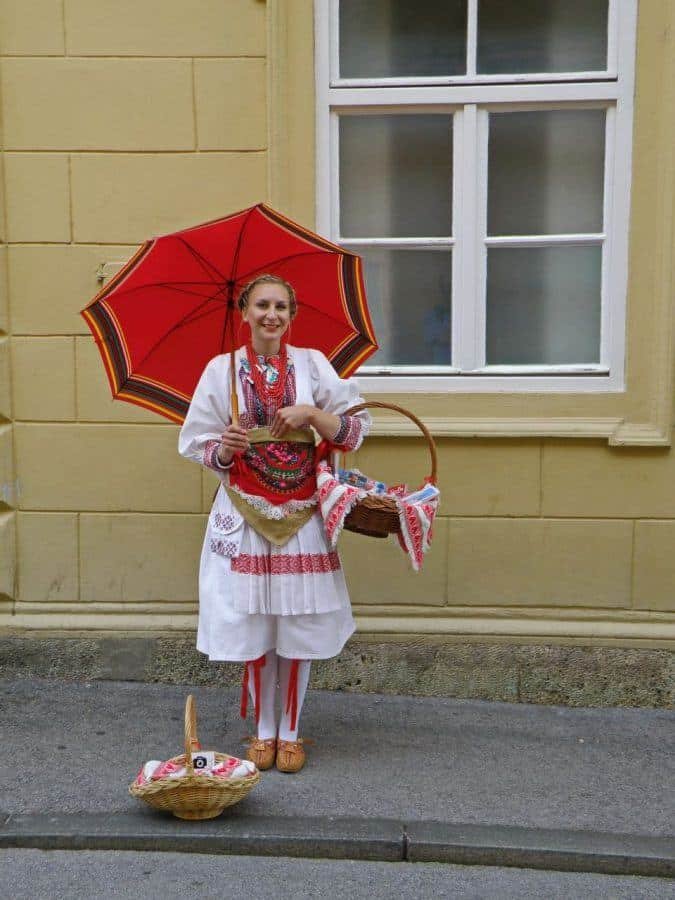
The Šestine umbrella is one of the most recognizable Croatian souvenirs from Zagreb. It comes from Šestine, a small village between Zagreb and Medvednica, and it’s part of their folk costume.
It dates back to at least the 18th century, and the art of making Šestine umbrellas is part of the register of protected non-material cultural goods of the Republic of Croatia.
It is recognizable by the red cotton canopy with multicolored horizontal stripes on the edges, a thick wooden shaft, and a naturally crooked chestnut handle. It is used as an accessory to Šestine folk costumes for events, celebrations, and folklore purposes. Its design can be seen on many parasols at the Zagreb Dolac Market.
Legend says it’s red because of the intense love between two young people, Jankić and Jana. This lovely souvenir from Croatia is an excellent symbol of love and playfulness, not to mention its purpose of protecting against the rain.
Today, you can buy this authentic Croatian gift as a replica in souvenir shops for approximately20 euros, or as an original in Zagreb from umbrella manufacturers for around 80 euros.
17. Kobali Hats
While in Zagreb, check out the Kobali family’s shop on Cvjetni Square. The Kobali family is known for hat-making, with a long, multi-generational tradition.
18. Šibenik Cap
The Šibenik Cap is a variation of the traditional red caps, often appearing more orange. Worn in the Balkans. This particular cap features black embroidery that has come to symbolize northern Dalmatia and Croatia as a whole. The name comes from the town where the hat originated (Šibenik).
19. Šokačka Jacket (Šokačka Jakna) From Slavonia
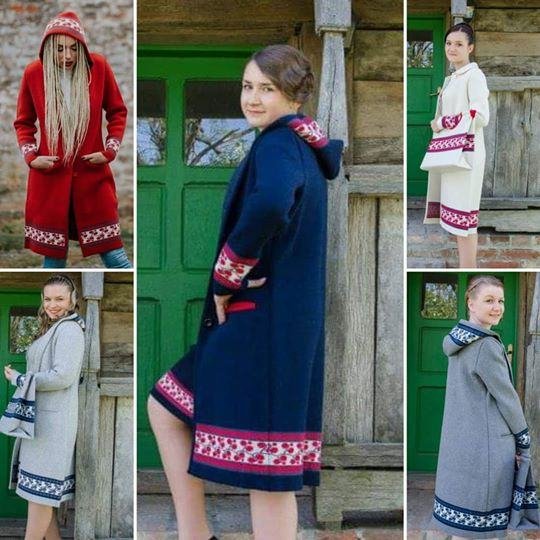
The Slavonian Šokadian jacket, also called reklja, štrikanac, or bunđur, is a wool coat that’s part of the folk costumes of the Slavonian, Posavina, and Šokadija regions.
The jacket was worn in regions connected to the Military Frontier during the Austro-Hungarian period.
It is particularly striking for its embroidered hem and sleeves.
Four basic patterns indicate the part of Slavonia one comes from:
- Apple or cherry is the most common pattern and a symbol of Slavonia. It is worn from Štitari to Brod.
- Younger generations like to wear heart patterns, and they’re worn from Ivankovo to Mihanovci.
- Rosemary is a pattern of Vinkovci and its surroundings.
- Cvelfersko was carried out in the villages of Cvelferija, in the eastern part of the county.
This historical and traditional Slavonian souvenir will delight people who originate from this continental part of Croatia. In areas around Đakovo and Vinkovci, it can be found in private shops, where it costs about 20 -0 euros.
Something Handmade Or Designed In Croatia By Croatians
Some boutique companies are selling Croatian-inspired products designed by Croatians, just as Craaloosh Jewellery, which designs handmade pieces that are beaded replicas of traditional Croatian styles. Making for some of Croatia’s best gifts, they’re the perfect statement necklaces for any accessory lover on your list.
The Croatian Design Super Store in Zagreb showcases modern Croatian designs across an assortment of products, including jewelry, kitchenware, art, clothing, and more. Designs come and go, so scoop up the one-of-a-kind gifts while they are available!
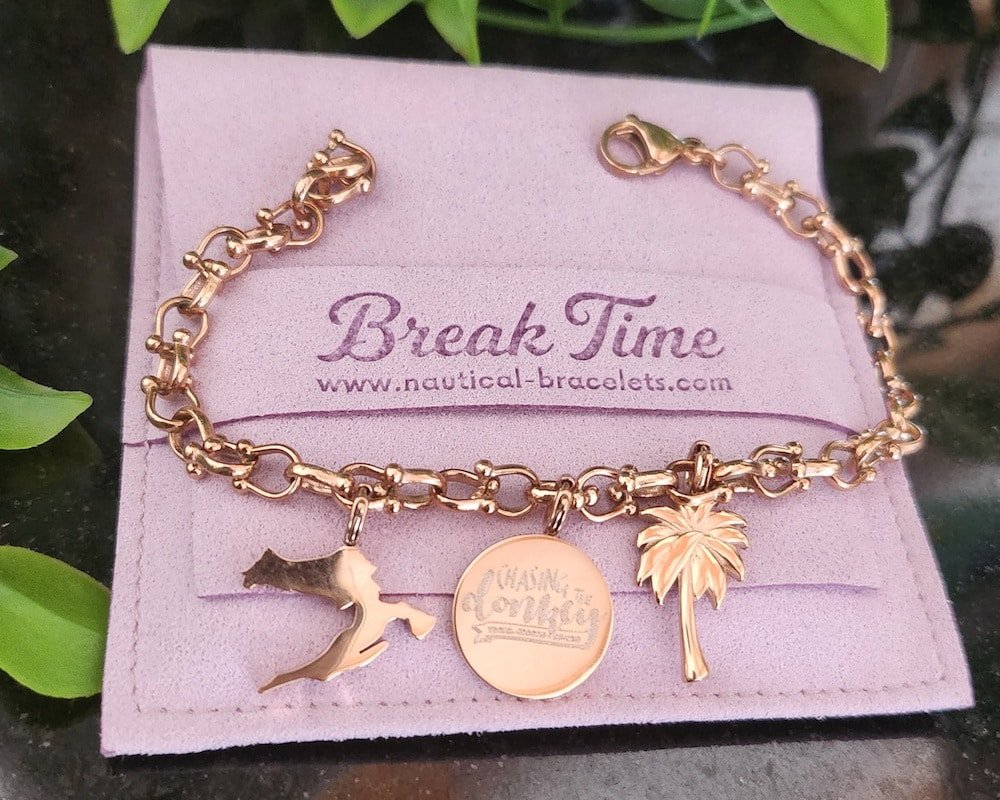
21. Break Time Croatia. If you’re looking for the best souvenirs from Split, Croatia, consider buying locally made jewelry or accessories. Another local choice is these nautical bracelets from Break Time Croatia.
They are handmade, made-to-order items from the family-owned and run Break Time atelier and store in Split, and they introduce new collections each year.
Their latest 2023 collection of titanium steel shackle bracelets features adorable charms, such as a sea turtle or a palm tree, and even a Croatian map charm.
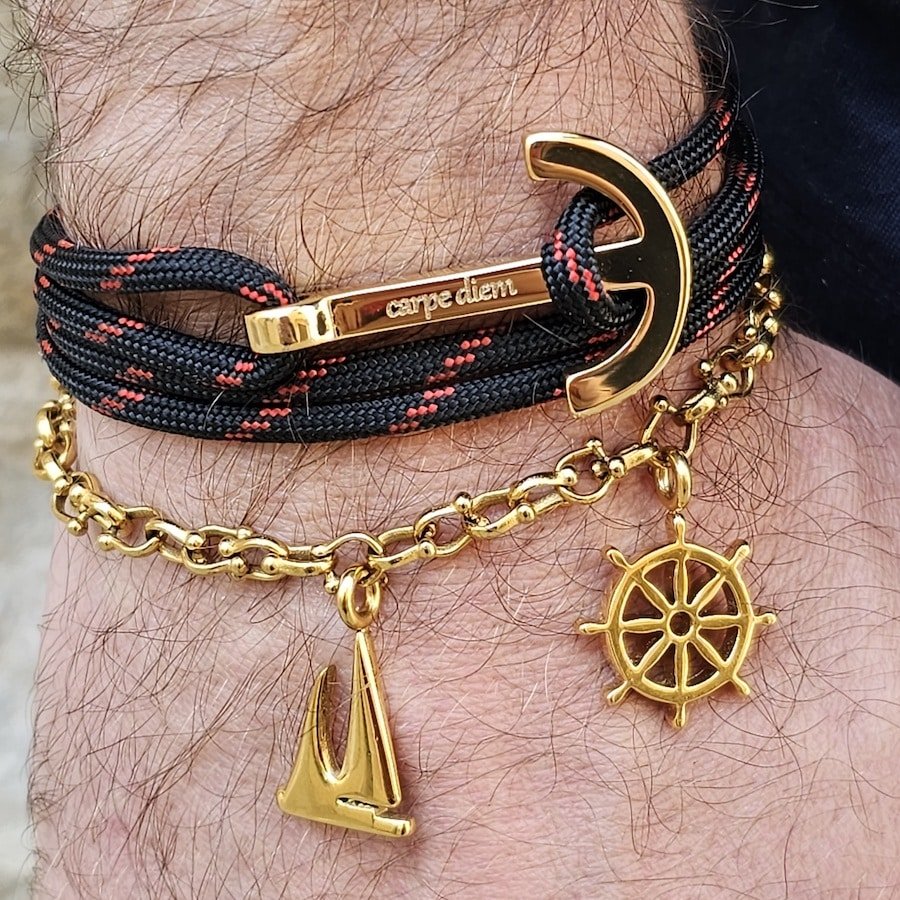
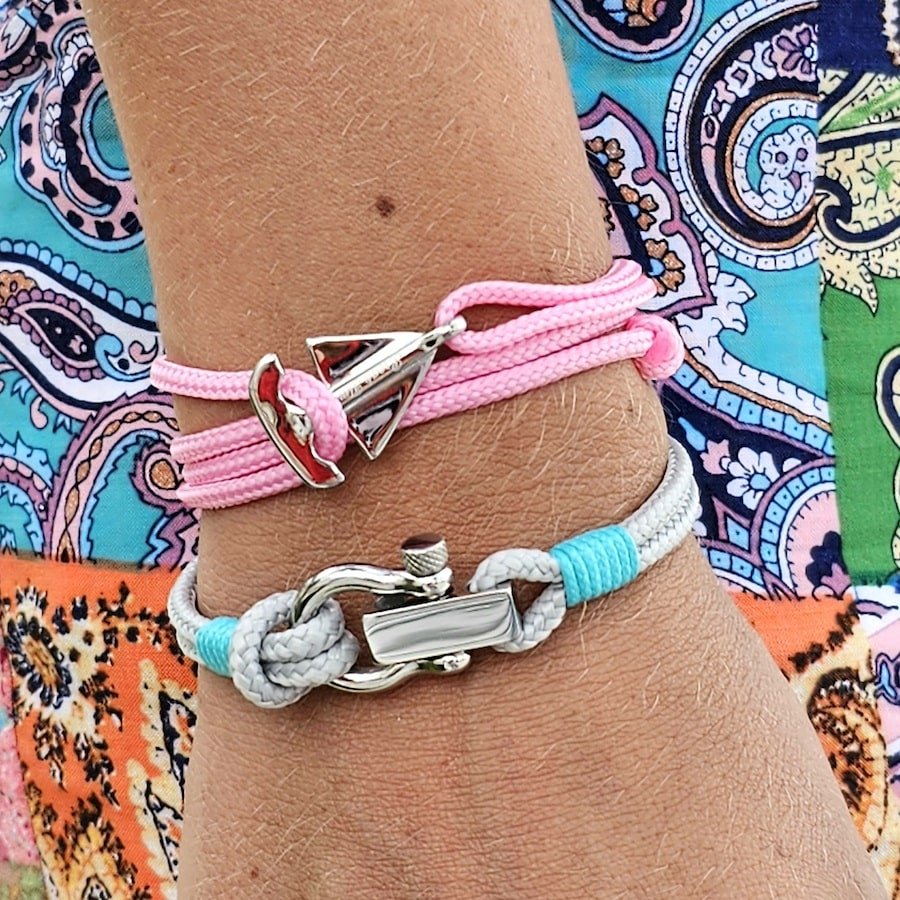
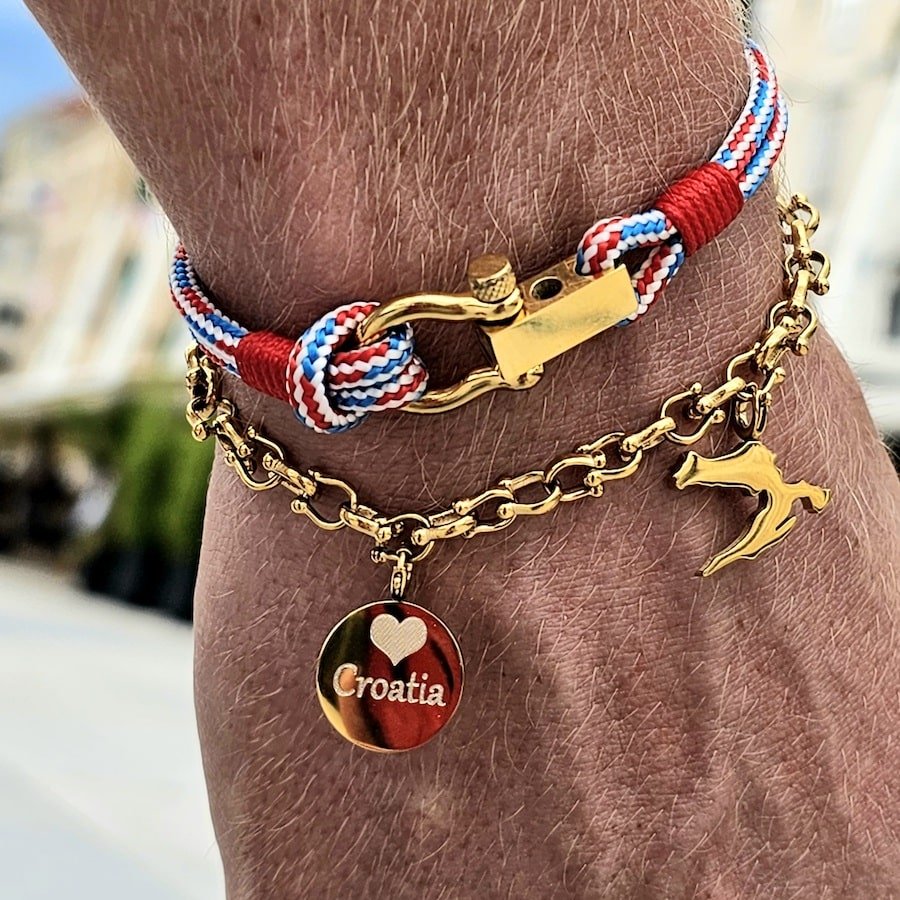
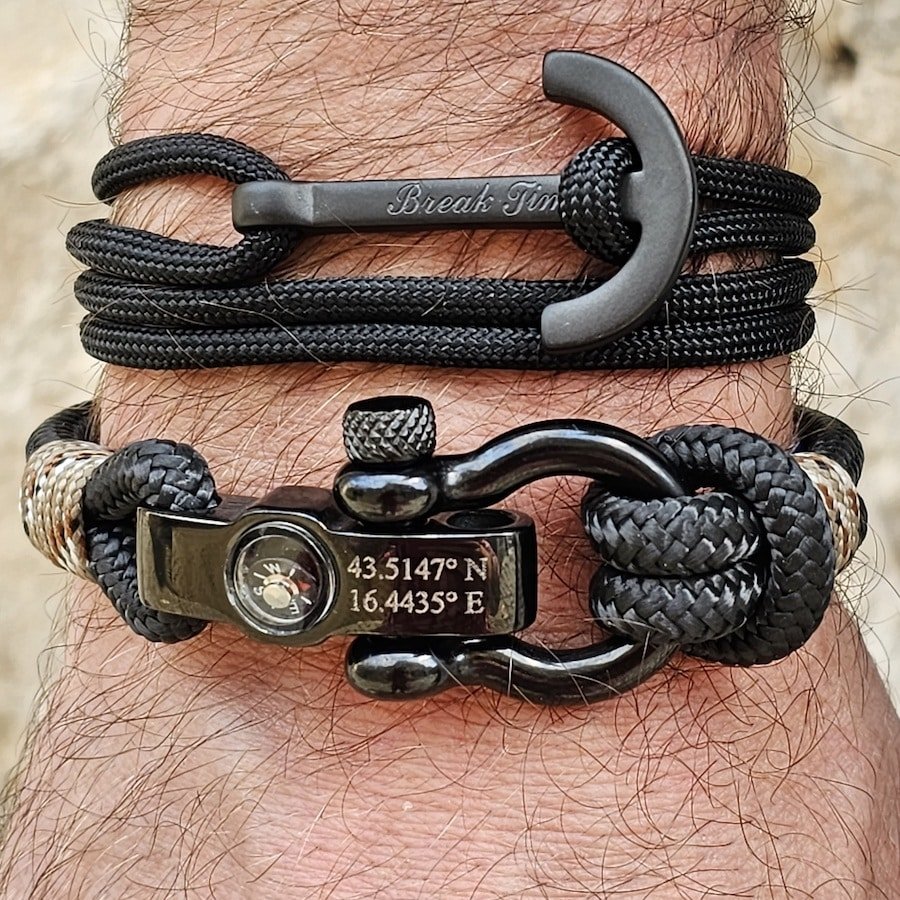
Ask the team about personalized custom engraving if you want to take back a customized souvenir from Croatia.
When I went, I took a huge bag of these bracelets (and nautical rope keyrings) back to Australia. They are super stylish, and everyone loved the souvenirs!
Split: Old Town Split (Trogirska 8) – The Break Time store is open from March to December yearly. They are open daily from 10 am to 10 pm in July and August.
22. Samobor Crystal
Just west of Zagreb is the small town of Samobor, the home of Croatia’s crystal glass factories.
Crystal production in Samobor dates back to the 19th century, using traditional hand-grinding techniques.
The crystal glassware is exquisite in design, and the pieces range in size. There’s something for any table waiting to be purchased!
Hint: A visit to Samobor makes for a great day trip from Zagreb; you can head to Kristal Tuk in Samobor to see the magnificent works of art they create.
If you’re visiting the Croatian capital and wondering what to buy in Zagreb, consider a glass souvenir.
23. Lace
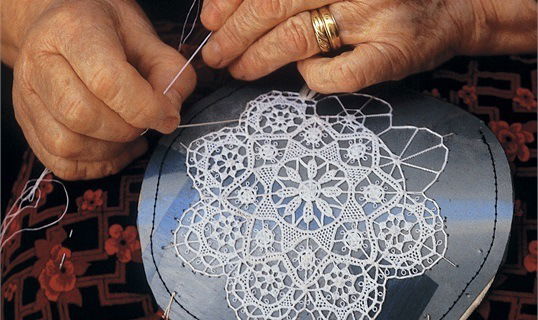
Lace is unquestionably one of the best things to buy in Croatia to commemorate your trip. Each of these adorable handmade lace products unites tradition, history, craftsmanship, and beauty, and can be purchased in Croatian souvenir shops at around several hundred euros for a smaller size and more than 1000 euros for the larger, more extravagant forms. As far as traditional Croatian gifts go, this is as good as it gets.
Croatian lace is known for its beauty and quality, and Croatian lacemaking was inscribed on the UNESCO List of Intangible Cultural Heritage in Europe in 2009. Croatian lace was traditionally crafted in the country to decorate costumes, linen, tablecloths, and bedding.
The three most famous cities for lacemaking in Croatia are:
Lepoglava
Lepoglava is known for bobbin lace. Pauline priests in Lepoglava were thought to have brought the art of bobbin lace making. This lace also decorates the edges of costumes and is often used to make lace doilies and fashion accessories.
Pag
The Adriatic town of Pag showcases needle lace.
Pag lace is internationally recognized for its beauty and quality and is part of the island’s folk costumes. Its exact origins are uncertain, though some theories suggest ancient Mediterranean influences.
Hvar Town
The town of Hvar, on the island of Hvar, is known for making lace from the agave plant. Lace from agave leaves in Croatia is produced only in a Benedictine monastery in the town of Hvar and is made by the Benedictine nuns in the convent. The skill originated in the Canary Islands (Tenerife) and has been present in Hvar since the mid-19th century. Lace is made from fibers obtained from the fresh leaves of the agave plant using a unique method.
Shopping Hint: You can take the lace and frame it into a great piece of wall art.
24. Bukalta
In Istrian restaurants, you will notice handmade clay jugs used to serve mulled wine. This is a fun serving dish to pick up if you spend time in Istria, and it makes an excellent souvenir for serving guests back home. Both full-size and miniature versions are available to purchase in local souvenir shops.
25. Wooden Toys
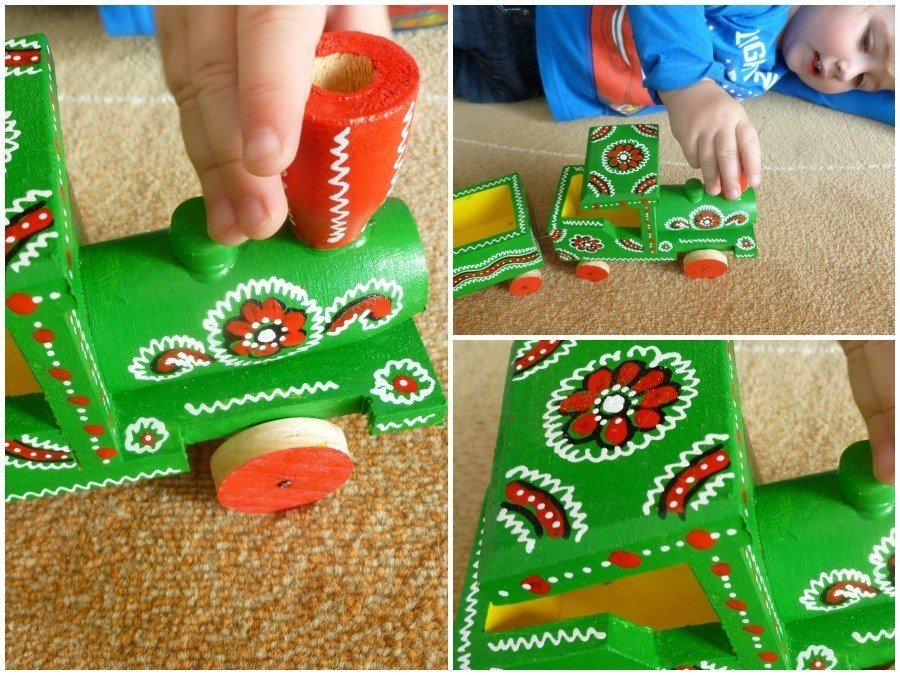
Handmade in Croatia, in the north of Zagreb in Hrvatsko Zagorje, you’ll find toymakers producing the sweetest wooden toys. They are carved by the men (and a few machines) in the village from locally grown willow, beech, and lime trees. Once cut, the local women paint them in bright, colorful designs.
The fascinating history of this toy-making tradition was preserved when the craft was inscribed on the UNESCO Intangible Cultural Heritage List in 2009.
Buying these little souvenirs is a great idea for little ones; there are so many designs to choose from, and these wooden toys make a suitable gift! My little Donkey has happily played with his train and plane for several years.
26. Vučedol Dove From Vukovar
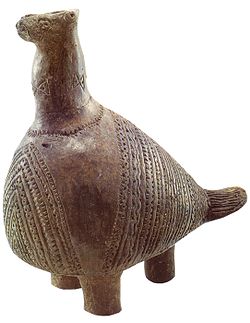
The Vučedol Dove is one of the most significant archaeological finds from Croatia. It was found in 1938 at Vučedol near Vukovar and dates to between 2800 and 2400. BC.
It is a ceramic model of a bird on three legs, made of baked clay, 19.5 cm high. It is dark in color, decorated with white ornaments in the form of a bow and a necklace, and wavy, zigzag lines on the wings. The original Dove can be found at the Archaeological Museum in Zagreb, but you can buy a replica.
If you head to Vukovar, you can purchase this souvenir for as little as 6 euros for smaller models, up to a couple of hundred euros for the larger ones.
Although it is called a dove, it is actually a partridge. During the war in Croatia, it was one of the most recognizable symbols of Vukovar, making it a sweet gift for people from Vukovar, Vučedol, and surrounding areas, as well as for lovers of art, archaeology, and history.
27. Gusle From The Dalmatian Hinterland
Gusle is a folk instrument of the Dinaric region of the southern Balkans and neighboring countries, consisting of one or two strings and a bow. The sound is produced by pulling the bow across the strings and is usually made from maple, walnut, or ash, with only one log from a quarter of the tree hollowed out.
The origins of the gusle are debated and linked to early South Slavic and pre-Slavic traditions. Gusle are an essential part of Croatian culture because important events in Croatian history are celebrated in minstrel songs.
They have historically been associated with storytelling and cultural resistance during periods of foreign rule.
They are widespread in Dinaric culture, mainly in the Dalmatian hinterland, and today most gusle players can be found in Lika and the Dalmatian hinterland. Here, this instrument can be purchased from artisans and at fairs – be prepared to shell out several hundred to several thousand euros for your music lover back home if you plan to buy this Croatian souvenir.
This particular souvenir is a beautiful decoration for any home and a reminder of Croatia’s glorious history. It will bring people of Dinaric origins back to their roots, reminding them of their fathers, and perhaps inspire a desire to learn how to play for themselves.
28. Brački Kamen/Brac Stone Items
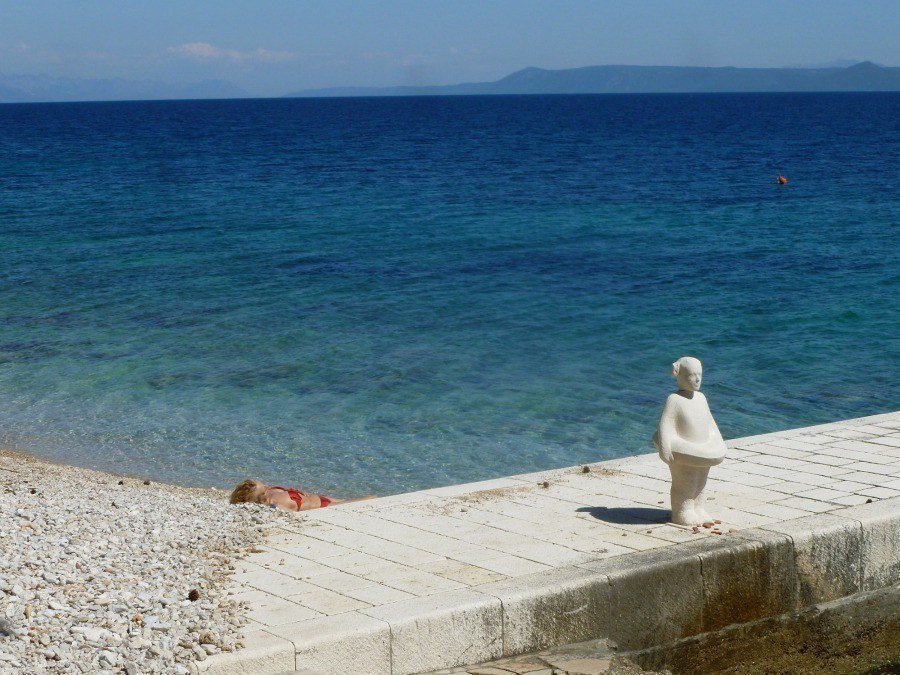
The Island of Brač is known for its stone, which has been used to line streets and to carve sculptures, and even the Roman Emperor Diocletian had a palace built in Split with it.
The centuries-old art of lapidary is kept alive in Bol at the Sculpting Academy in Pučišća. Here, students learn how to cutenormous slabs of Brač stone into decorative pieces. Amazingly, it is one of the few specialized stone masonry schools in Europe. And best of all, you can check it out while school is in session and watch how the stone comes alive.
Clocks, mortars and pestles, candlestick holders, and magnets are just a few Brač stone souvenirs, sanded and polished, ready to take home with you. One of the best places to pick up a souvenir is at one of the several kiosks along the beach promenade in Brač, but it can be found in other areas of the country, including the Zagreb Christmas markets.
29. Kažun From Istria
A very charming and favorite indigenous Croatian souvenir is a miniature replica of the Istrian Kažun. A kažun is a circular field house with a conical top, built from natural stone with no windows. Shepherds and farmers traditionally used it as shelter and storage, and by sheards as a shelter from bad weather and for storing tools.
This original souvenir combines history, beauty, and artistry. Along with Istria, it is characteristic of coastal regions in Croatia and other Mediterranean countries. It’s a faithful replica of the real Istrian Kažuns and will undoubtedly be an ideal gift for those who appreciate Croatian heritage and arts.
Prices at street stalls throughout Istria and in souvenir shops range from about 6 euros for smaller Kažuns to about 24 euros for larger Ones.
30. Zovnica
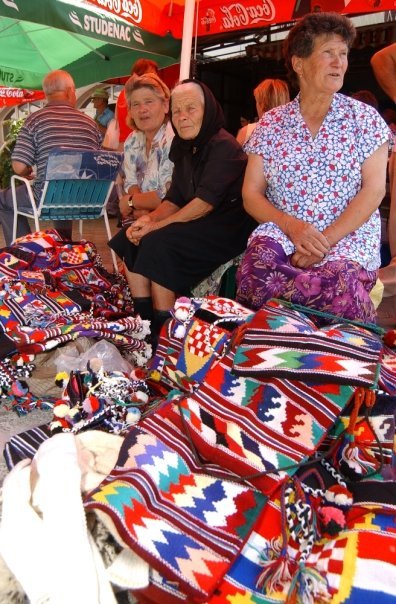
Zovnica is a handwoven wool bag with colorful patterns and long handles made using a loom. The children in the area used Zovnica to carry books to school, and girls wore it to ceremonies and Mass.
Before getting married, girls used to weave Zornicas as part of a dowry. When the suitors visited, they gifted them apples, walnuts, and other gifts presented in their Zovnicas.
These beautiful bags, with gorgeous patterns, vibrant colors, and tradition, will delight lovers of heritage and folk traditions. They can be purchased from stalls, fairs, souvenir shops, and artisans in Dalmatia.
31. Sopile
Sopile is an instrument similar to an oboe that is played in the Kvarner region. It consists of double-ended tabs and a wooden cone-shaped mouthpiece. Sopile are always played in pairs, so there is a big and a small sopile, or a thinner and a thicker sopile. They were played most often on three occasions: dancing on Sundays and holidays when young people gathered in the square, in front of the church after the evening Mass, or at a wedding when sopile were set to sound unanimous, and in church processions.
This instrument has a distinctive, penetrating sound and is a remarkable gift for music lovers and connoisseurs. Handmade sopile can be found at sopile makers in Kvarner, the Kastavština region, Novi Vinodolski, and on the island of Krk at a cost starting at 70 euros.
Are you still wondering what souvenirs to buy in Croatia? Or have we now made your choice impossible?
Don’t fill your suitcase with trinkets that will collect dust. Instead, save your money for these unique, authentic, and valid souvenirs and products made in Croatia. Buy some for yourself and, of course, also some for your loved ones back home.
So, now you know what to buy in Romania – what is the perfect souvenir that will make the trip home in your suitcase?
The Pag lace is a wonderful treasure. Virtually any size is available. I’ve given them as gifts and have had some framed for my home.
Yeah totally agree. I have some, but have not hung it up yet.
Hi,
Does anyone in Croatia sell homemade clay flowers or offer classes on how to make them? Do you think that this would be popular there, especially offering these classes to the public?
Thank you!
(Love your site!)
Sorry, I have no idea what they are. So, I am not even sure I have ever seen them. Blessings.
Croatian honeys are also excellent in quality.
Ohhh yeaaaahhh, how did we forget that. I will add it.
I just returned from a fabulous trip to Croatia. When there I bought 3 metallic, Glazed ceramic fish(they look like sardines). Unfortunately I broke 1 and I would like to purchase more. Could you help me.
Where did you buy them? What’s the brand? Do you have a photo?
Brands name is Enmar plus, you can find our products in galleries and souvenir shops all along the Adriatic coastline
Hi! I found your comment just yesterday! We produce those ceramic fish and we are so happy you like it! Me and my family run business for over 20 years. If you see my comment, contact me: enamilnovic88@gmail.com
Kind regards from Croatia!
Are you able to tell me where exactly I could buy lavender in 500g bags?
We are getting married on Hvar this June and I would love to have it for my guests as confetti.
Thanks in advance
I really can’t tell you – but when you get to Hvar you’ll have no issue buying it.
When in Dubrovnik in 2012, we bought a few bottles of a delicious rose liqueur sold at the market in the Stradun. It was so delicious I will be buying as much as I can bring home during my next visit!
I bought great fig pralines from bakini pokloni. Hard to find but taste like anything I tried before.
Cheers
Nimyen
In my second trip to Croatia I bought at the local market in Rovinj truffles in a bottle. To die for. They are so delicious. Can you buy them online ?
Try looking up ‘Zigante’ they have some.
Whaaaaattttt!!!!! Where?? When?? I waannnnnntttt to buy booookkksss!!!