

If you’re planning a Croatia trip right now, the main thing to get right is pace: distances look short on the map, but ferries, island connections, and summer traffic can quickly eat into your 7 days.
I’ve been traveling throughout Croatia for 20+ years. I’ve lived here (Dalmatia) for the last 13 years, so these seven one-week itinerary ideas are built around what’s realistic on the ground—where to base yourself, which day trips actually work, and how to mix headline places (Dubrovnik, Split, Plitvice) with quieter islands and coastal towns without spending half your holiday in transit.
Skip Ahead To My Advice Here!
Croatia Trip & Your 7 Day Itinerary
I have lived in Croatia for 13+ years and can tell you that it is a true Mediterranean gem. Its beaches, dramatic coastlines, national parks, charming coastal towns, and historic sights make it an unmissable European summer vacation destination.
The nation hides an array of magnificent sights that draw in travelers from far and wide. With so much to see and do, it can be hard to figure out just how many days to spend in Croatia.
You may prefer beaches or eating in Old Towns and fishing villages, or maybe you’re more of a history fan. Either way, you must consider your interests when planning your trip.
To help you do so, we’ve shared our favorite 7-day Croatian itinerary options.
These include some of the country’s most famous sights, as well as lesser-known destinations you should focus on. Let’s look at your options for the best Croatia adventure from coast to capital and island to island.
7 Days Highlights Around Croatia
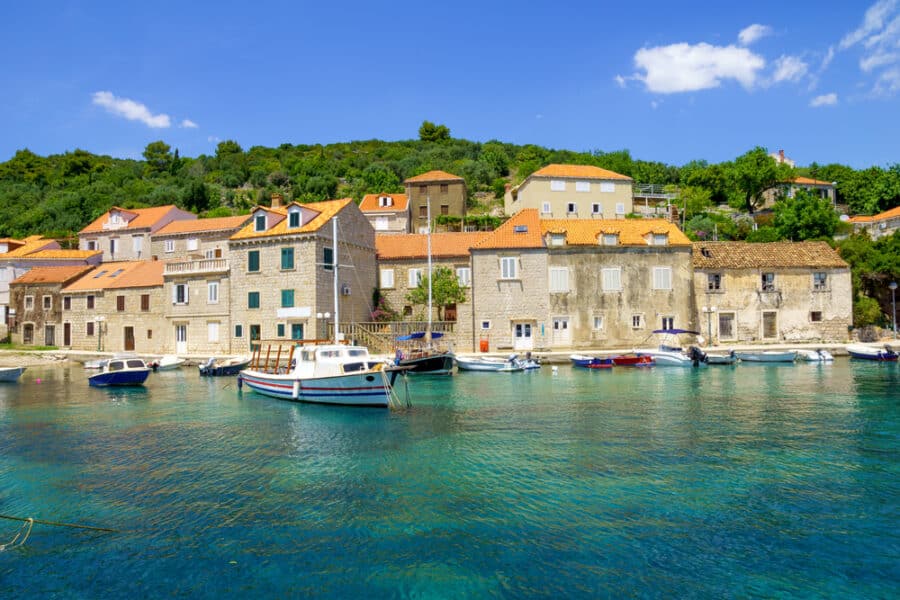
We’ve shared a few Croatian one-week itinerary options to help you plan your Trip. You may want to follow these exactly, or you could always mix and match between destinations. Either way, we hope these inspire you to start planning your adventures to this fascinating corner of Europe.
7-Day Croatia Itinerary Ideas
Option 1: Ultimate Croatia: Dubrovnik to Mljet and the Elafiti Islands
Day 1: Explore the Old Town of Dubrovnik
Day 2: Kayak and see the charming villages of the Elafiti Islands
Day 3: Hop over to Korčula
Day 4: Go wine tasting at Lumbarda
Day 5: See the Walls of Ston via the Peljesac Peninsula
Day 6: Discover Mljet National Park
Day 7: End your trip in Dubrovnik
Option 2: One Week in Croatia: From Split’s Glory to Dubrovnik’s Majesty
Day 1: See Split in all its glory
Day 2: Take a ferry to Hvar and kayak around the Pakleni Islands
Day 3: Day trip to Vis
Day 4: Korčula
Day 5: Explore the Peljesac Peninsula
Day 6: Dubrovnik
Day 7: Dubrovnik
Option 3: Ultimate 7-Day Croatian Culture & Coastline
Day 1: See the museums and galleries of Zagreb
Day 2: Travel to Zadar via Plitvice Lakes National Park
Day 3: Split
Day 4: Take a trip to Brač Island to relax on Zlatni Rat beach
Day 5: Discover Hvar Town and Korčula
Day 6: Tour around Dubrovnik Old Town
Day 7: Swim at Lokrum Island
Option 4: Adventurous 7-Day Itinerary: Split, Plitvice, and Beyond to Kotor
Day 1: Split
Day 2: Be wowed by Plitvice Lakes
Day 3: Head to Stiniva Beach on the island of Vis
Day 4: Hike in Krka National Park
Day 5: Dubrovnik
Day 6: Dubrovnik
Day 7: Hop across the border to Kotor, Montenegro
Option 5: Croatian Rhapsody: Zagreb to Mljet with a Taste of Istria
Day 1: Zagreb
Day 2: Head to Rovinj, stopping by hilltop Motovun on the way
Day 3: Sample seafood in Volosko
Day 4: Relax in the town of Skradin
Day 5: Ston
Day 6: Peljesac Peninsula
Day 7: Hike the forested Mljet National Park
Option 6: Island Hopping Extravaganza: One Week in Croatia’s Gems
Day 1: Explore Trogir
Day 2: Split
Day 3: Split
Day 4: Brač Island
Day 5: Hvar
Day 6: Korčula
Day 7: Discover the remote island of Lastovo
Option 7: Croatian Hideaways: A Serene Week from Zadar to Mljet
Day 1: Start in Zadar
Day 2: and head to the car-free island of Zilba
Day 3: Visit Murter to explore the Kornati Islands
Day 4: Enjoy the tourist-free Solta
Day 5: Visit easygoing Stari Grad on Hvar
Day 6: Vis
Day 7: Mljet National Park
Highlights From These Itineraries
Below, you’ll find the highlights from our 7-day Croatia itineraries.
From national parks and beaches to ancient ruins and medieval townscapes, these destinations make up an inspired collection of the perfect places across the country. We’ve provided links to a few of them so you can get more in-depth travel info to help you plan your Croatia adventures.
Split Old Town
The city of Split is one of Croatia’s most popular tourist destinations. It’s also the second-largest city in the country and, thanks to its long history, overflows with fascinating sights. Days here can be filled with wandering the old streets, admiring the 4th-century Diocletian’s Palace, and marveling at the impressive Cathedral of St Domnius. Split is also a good jumping-off point for travel to nearby islands.
Dubrovnik & The City Walls
The Adriatic city of Dubrovnik is famed for its medieval city walls (built and expanded from the 13th to 17th centuries).
Once the city center of the maritime Republic of Ragusa, the city is awash with historic architecture, from the awe-inspiring Rector’s Palace to the beautiful Baroque-style St Blaise Church. Today, Dubrovnik is well known as a filming location for Game of Thrones.
Read more about Dubrovnik here. ↳
Plitvice Lakes National Park
This Central Croatia national park is a UNESCO World Heritage site and the oldest (and largest) national park in Croatia. It is crowned by a series of terraced lakes connected by waterfalls and is a gem of Croatia’s natural landscape.
Come here to hike among its karst limestone falls and see Croatia’s natural beauty. It’s easily accessible on a day trip from Zadar or Zagreb, the capital city.
Read more about Plitvice Lakes National Park here ↳
Hvar
The island of Hvar is a magnet for those seeking the good life. Just off the mainland and easily reached from Split, it’s known for its hidden coves and secluded beaches that attract a combination of high-end travelers and backpackers to its shores.
Though renowned for its party atmosphere, Hvar also hides several quiet hamlets where you can soak up some down-to-earth Mediterranean vibes.
Lokrum
Catch a ferry from Dubrovnik, and you’ll be on the island of Lokrum in about 15 minutes. The island feels worlds away from the touristed Old Town of Dubrovnik and is clad with oak forests and pines.
Lokrum has a history, most notably a Benedictine monastery. Game of Thrones fans will find a replica of the Iron Throne here, a photo opportunity for many tourists.
Read more about Lokrum here.e ↳
Rovinj
Also known by its Italian name, Rovigno, Rovinj is an attractive port town dubbed “The Pearl of the Istrian Peninsula.” The charming Old Town here is characterized by handsome Venetian architecture, cut through by narrow lanes and dotted with attractive squares. In the peak of summer, Rovinj gets busy with vacationers who stay in the nearby resort hotels along the coast.
Read more about Rovinj here. ↳
Mljet National Park
Mljet National Park covers a large portion of the island of Mljet.
Unlike some of Croatia’s more popular destinations, Mljet remains a hidden gem with unspoiled forests, tranquil beaches, and plenty of hiking trails to explore the area and spot wildlife. Mljet also has legendary connections to Odysseus—apparently, he spent seven years in a cave here.
Grab some snorkel gear and spend the afternoon underwater.
Read more about Mljet National Park here ↳
Zagreb
The energetic capital of Zagreb is layered with centuries of European history. The city’s core is awash with Austro-Hungarian architecture. Think red rooftops, old-world buildings, the grand central square of Ban Jelacic, and plenty of historical sights to show for it.
A day in Zagreb can be spent perusing museums (my favorite is the Museum of Broken Relationships), checking out art galleries, or watching life go by from a terrace café. However, since I understand Croatia’s history, I recommend a walking tour.
Zagreb is a great starting point for your Croatian adventures, and the main airport in Croatia (Franjo Tuđman Airport) is located here.
Read more about Zagreb here. ↳
Kornati Islands
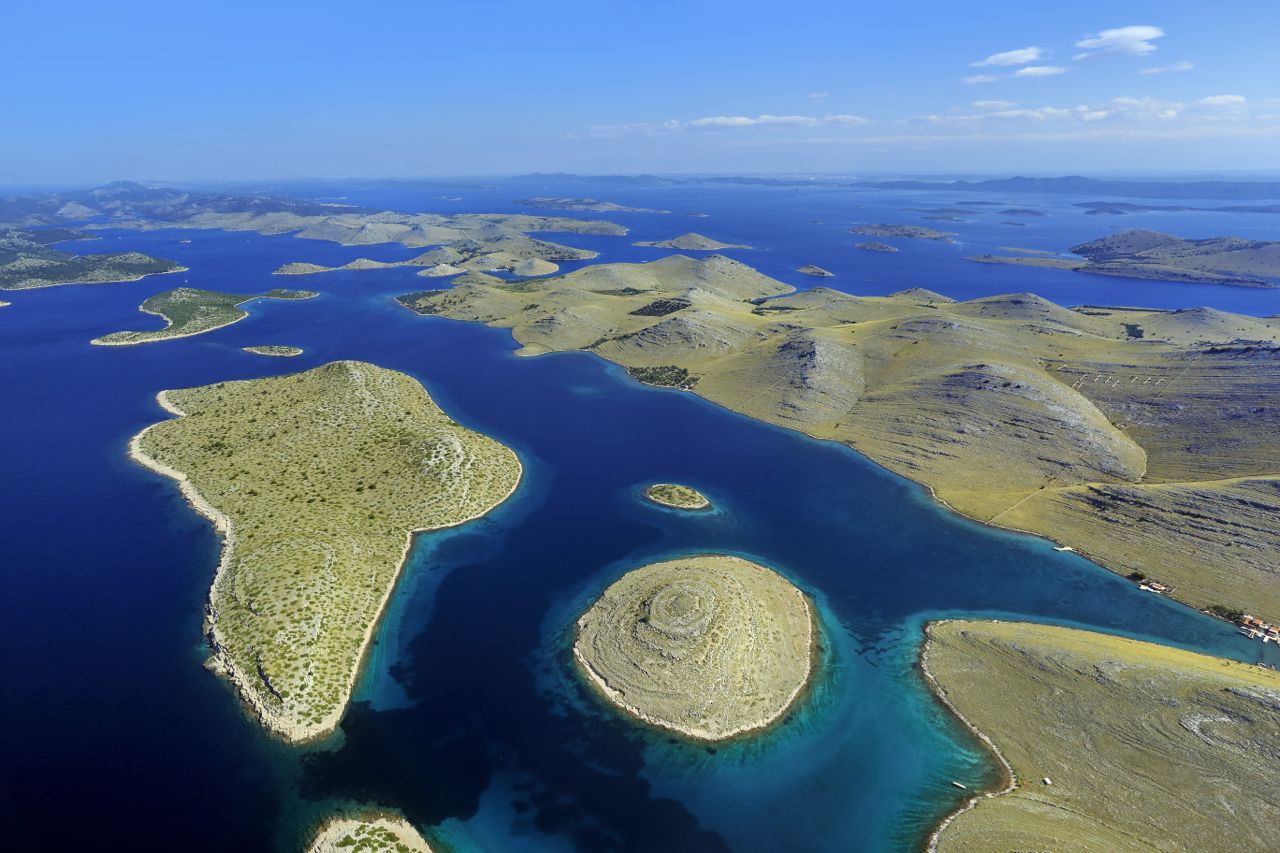
The Kornati Islands’ attraction lies in the beautiful contrast between the gleaming limestone of its cliffs and rock formations and the rich blues of the Adriatic Sea.
The wider Kornati archipelago has 140+ islands, islets, and reefs (many uninhabited), while Kornati National Park covers 89 of them.
Kornat is the largest island in the archipelago, and most visitors explore Kornati by boat (either on a day trip or overnight on a yacht).
Read more about the Kornati Islands here ↳
Zadar
Zadar is well known for its historic old town (including the Roman Forum and the Episcopal complex, which is on UNESCO’s Tentative List), making it an ideal alternative to the more crowded Old Towns of Split or Dubrovnik.
Here, you’ll find a wealth of architecture, including the 11th-century St Mary’s Convent, its impressive 12th-century cathedral, and the Roman forum known as “The Forum.”
Be sure to stop by the Sea Organ and Sun Salutation in the late afternoon or evening to hear the Sea Organ’s wave-powered sounds and see the Sun Salutation’s light display after dark.
Ston
Set on the mainland side of the Peljesac Peninsula, the town of Ston was once an integral military outpost of the Republic of Ragusa. It certainly shows. Ston is home to some imposing defensive walls.
Among the longest preserved fortification systems in Europe, around 3.4 miles (5.5 km) of the walls still stand, and construction began in 1358.
Foodies should take note of Ston, which is also famed for its oysters and mussels — not to mention the wine produced in the region.
Elafiti Islands
Exploring Croatia doesn’t have to be all about crowded Old Towns and wandering cobbled streets looking for something to eat. Exploring the Elafiti Islands with a local guide is the perfect place to take a break from busy travel itineraries.
Here, you can catch boats between the sleepy shores of the archipelago’s 14 beautiful islands, discovering charming villages and beaches along the way. These archipelago islands are permanently inhabited by Sipan, Kolocep, and Lopud (which is car-free).
Read more about the Elafiti Islands here ↳
Lastovo
Lastovo is the most remote of Croatia’s inhabited islands, with a population of fewer than a thousand people. It has to be Croatia’s most tranquil destination, ideal for couples who want to escape it all. Expect quiet beaches, stunning sunsets, and peaceful evenings spent enjoying local food and drinking wine from the local vineyards.
Read more about Lastovo here. ↳
Trogir
Better known as Qarth to Game of Thrones fans (scenes depicting the fictional city were filmed here), Trogir is another coastal gem in Croatia’s travel crown. Just 17 miles from Split, Trogir is actually a tiny island connected to the larger island of Ciovo and the mainland by bridges.
The town is set within centuries-old city walls and is home to everything from Romanesque and Venetian architecture to beautiful Renaissance buildings. This is precisely what gives Trogir a UNESCO World Heritage listing.
Read more about Trogir here. ↳
Vis
Vis was heavily restricted as a military/naval base until the late 1980s, and tourism did not properly open up until the early 1990s.
The decades of its isolation have left it relatively undeveloped compared to other Croatian islands.
But in addition to nature, the Island of Vis offers historic sights, such as the ancient city walls. The archeological museum (home to a bronze head of the Greek goddess Artemis dating back to the 4th century BC) has also increased its popularity. Mamma Mia! Here We Go Again, being filmed on the island, has also contributed to its popularity.
You can take a boat trip to the nearby Blue Cave (Modra špilja) on the island of Biševo to see one of Croatia’s most famous sea caves.
Brač & Zlatni Rat Beach
The island of Brač is famed for Zlatni Rat, a long, pebble-clad beach that juts out into the Adriatic Sea. There are several small, pretty towns and villages around the island, including Bol (home to Zlatni Rat itself) and Supetar — the main town, which is a little more down to earth and a good transit hub for onward travel.
Korčula
The long, slender island of Korčula lies just off the coast of the Peljesac Peninsula. Here on Croatia’s sixth-largest island, you can spend time discovering a taste of traditional Croatian food and wine.
Medieval walls ring the attractive town of Korčula and host a wealth of historic architecture. The island also boasts pine forests, olive trees, hidden coves, and beautiful beaches.
Read more about Korčula here. ↳
Kotor, Montenegro
A visit to Croatia doesn’t necessarily mean staying inside the nation’s borders. Kotor is the jewel of neighboring Montenegro, just a stone’s throw from Dubrovnik and easily reached on a day trip (or spend the night).
Fortified by winding walls and once a vital city-state, the town hides a host of medieval buildings, Venetian palaces, and charming churches. Picafé café on one ocafés cobbled streets and watch the world go by from a terrace seat.
Krka National Park
Another of Croatia’s surprisingly impressive national parks, Krka is known for its collection of Croatia’swaterfalls set among forests and craggy gorges. Thanks to its remote location, Krka also has a long heritage of monasteries (the oldest dating to the 15th century) and ancient Roman ruins and catacombs.
Brands We Use And Trust
Croatia Transport Options – The Best Ways To Get Around Croatia
Croatia is a developed Mediterranean country that’s pretty easy to get around in. The country has a well-trusted transport network that both locals and tourists regularly use to travel between destinations.
The transport network includes fast boats and ferries, trains and buses, private transfers, and taxis. For added adventure points, you could rent a set of wheels and embark on a road trip through the country.
The only thing to note about transport when planning your 7-day Croatia tour is the time of year you’ll be traveling.
In high season, the tourist crowds can mean long waits for public transport — particularly for ferries to popular islands. Outside of peak season, timetables will be thinned out with fewer departures.
Planning in advance will help ease any travel woes when on the ground. Here’s an overview of the transport situation to help you plan the best itinerary for Croatia.
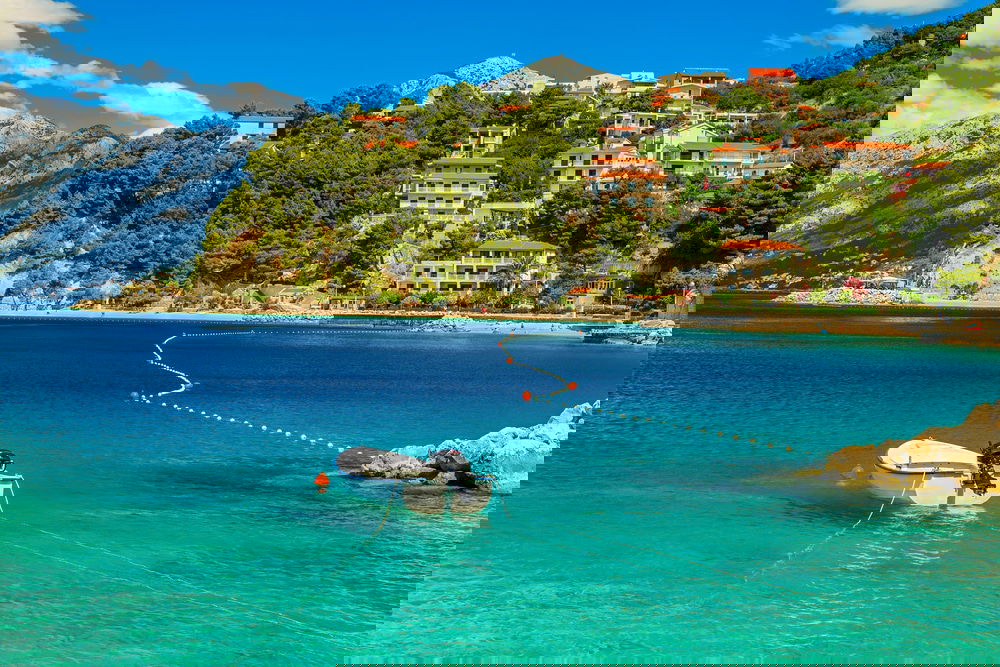
Catch the bus
Croatia’s public buses make it reasonably straightforward to travel around the country without using your own vehicle. Most bus stations in urban areas are centrally located or conveniently placed near ferry ports. There’s also healthy competition between bus companies that ply the same routes, resulting in affordable prices year-round.
Hop on a boat
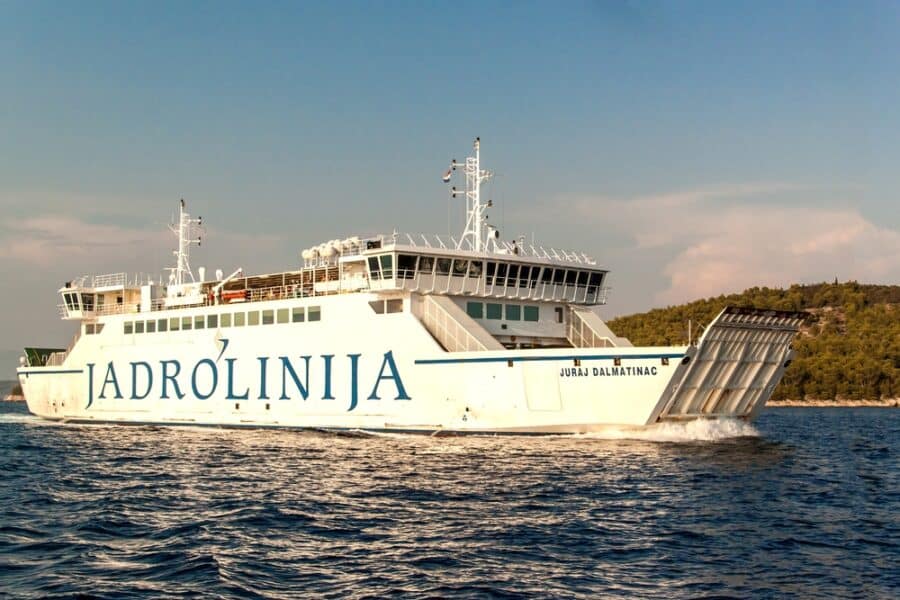
It would be a shame to visit Croatia without getting on a boat. With many of Croatia’s highlights being either coastal or situated on islands, there’s a high chance you’ll be catching a boat or ferry at some point.
Watching the landscape go by from the deck of a boat is all part of the experience. Boats are modern and comfortable, ranging from car ferries to fast-foot passenger-only catamarans.
Some even have scaféscafes and WiFcafésoard. To make life easier, tickets can be bought online in advance. Onboard facilities (like Wi-Fi cafés) vary by ship and vessel, so treat them as a bonus rather than a guarantee—especially on shorter routes.
Rent a car
If you want to make your trip to Croatia a real adventure, you need to rent a car. Renting your own set of wheels really opens up the country and gives you access to destinations that may be hard to reach otherwise.
You’ll also have the freedom to travel when and where you want. Most major car rental chains are represented in Croatia; you’ll find them in transit hubs and the centers of big towns and cities.
And don’t worry: driving in Croatia is safe. Just watch out for the cost of tolls along the highways – they add up very fast, and car parks in the big cities get full early!
Trains and planes
Croatia’s train network is limited to many tourist routes and is often slower than buses, but it does exist, especially for some inland journeys and the Zagreb–Split line.
But if you want to travel from Zagreb (Croatia’s capital) or to more inland areas, then trains can be a good—very slow—option to Split.
Otherwise, flying is the most straightforward route for quick travel. Note, however, that most islands won’t have airports, so you’ll still have to take a ferry or bus to your destination.
Private transfer & taxis
The most expensive option for traveling around Croatia is a private transfer. But it’s definitely viable for travelers who want a stress-free trip without the hassle of lining up for bus tickets or driving yourself.
You can arrange private transfers or taxis through an organized tour company or your accommodation. If you’re traveling in a group, this may even save you money.
Are 7 Days Enough To Go To Croatia?
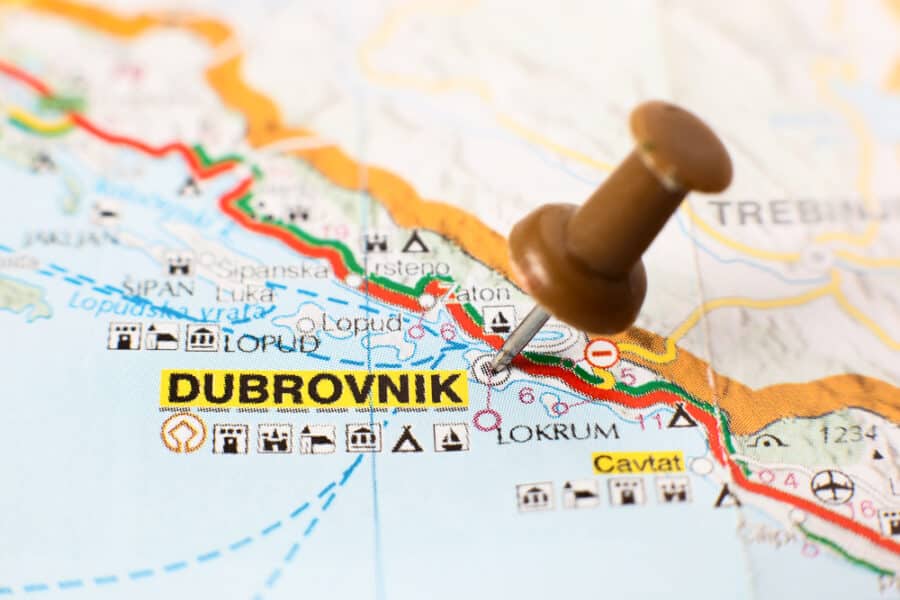
Yes and no. Depending on what you want to do, of course, 7 days in Croatia is generally enough to see the big-hitter sights of the Mediterranean nation.
It allows you ample time to explore from the coast to the capital, stopping by national parks and historical sights along the way.
Even if you want to spend a few days in one place — let’s say Dubrovnik — you’ll still have spare days left over to see popular places like Split, Hvar Island, and the island of Korčula.
You could even spend 7 days just island hopping — definitely enough time to see just how chilled out the pace of life is along the Dalmatian coast.
Why 7 Days In Croatia Is Not Enough
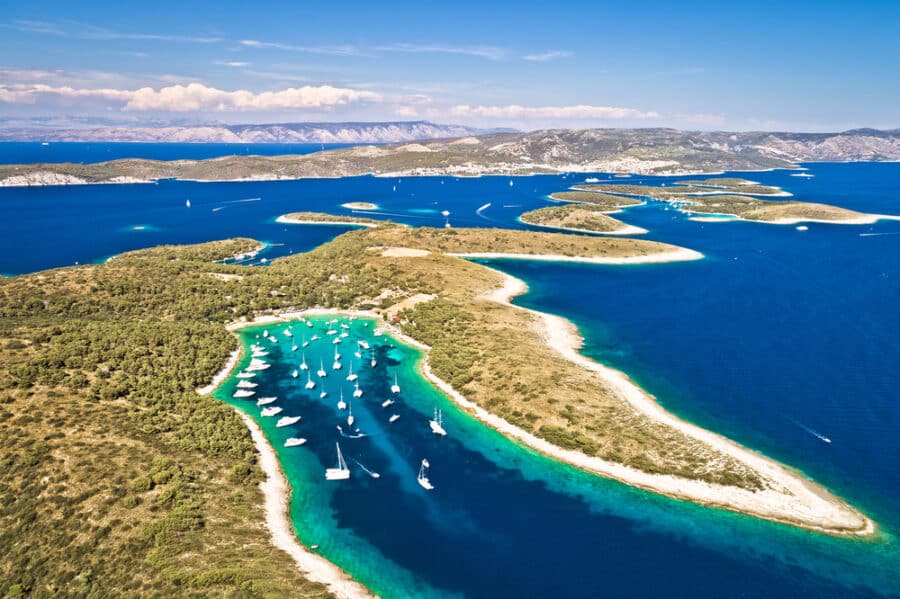
Now, we come to the “no” part of the above question. While 7 days in Croatia is a reasonable amount of time (it’s a whole week, after all), unless you’re sticking to just one particular place, it’s not enough time to really get under the skin of the country.
To properly explore Zagreb, Dubrovnik, and Split, you’d need at least 2 or 3 days.
And these are just the main cities. Aside from that, there are several national parks worth visiting, hundreds of islands, and a string of beautiful beaches — not to mention towns you’ve never heard of with illustrious pasts and architecture (plus the tourist sights) to match.
When calculating how many days you need in Croatia, consider your vacation goals and interests. For example, if you’re a history buff, consider the itineraries we’ve shared below and craft one that includes the best of centuries-old architecture and ancient sights.
If it’s islands and beaches that interest you the most, then stick to those and leave the Old Towns of Split, Trogir, and Dubrovnik behind.
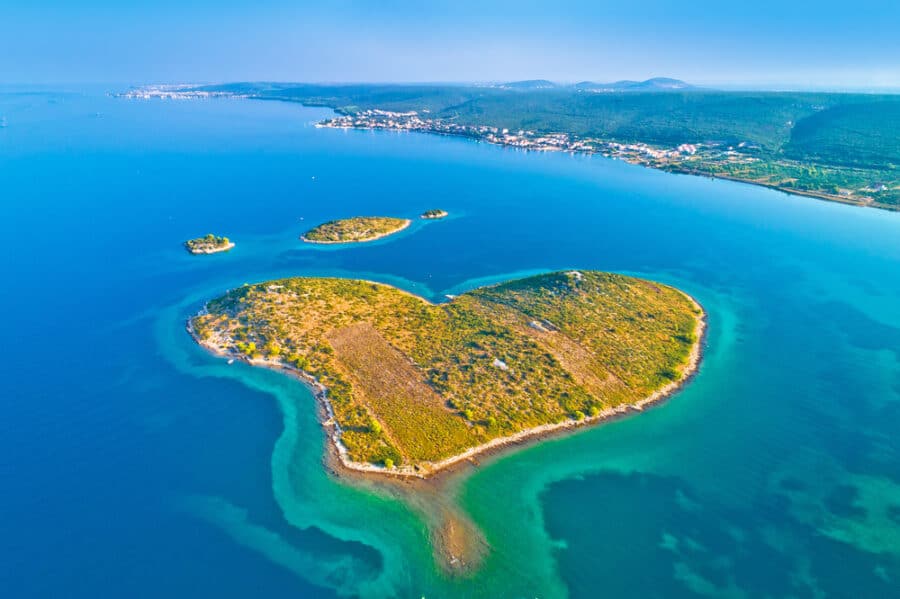
Since you’re in this part of the world, there’s even the chance to add on a day trip to neighboring countries. For example, hopping over the border to Montenegro reveals yet more timeworn coastal towns that shed light on the ever-shifting borders and civilizations that the Mediterranean has witnessed over the centuries (if not millennia). If that interests you, then it’s definitely something to consider.
The other reason why 7 days in Croatia is insufficient is practicality. While there’s public transport, rental cars, and private transfers available, it can take surprisingly long to get from one end of the country to the other, especially for first-time visitors who want to stop a lot.
It has a long, complex coastline that can be challenging to navigate. The country is also over 21,000 square miles in area.
With more days, say 10 or more, you’ll have just that extra bit more time to tour Croatia.
You’ll be able to relax a little bit during your trip, stick around in the best places that you enjoy, and not have to worry about heading off early in the morning every day to travel to a new part of the country.
After all, if this nomadic style of traveling isn’t something you enjoy, then 7 days definitely won’t be enough. Ideally, if you have the freedom to do so, the perfect amount of time to spend in Croatia is one month. If you spend around two weeks getting a good look at everything Croatia has to offer, that’s also great.
Move This Adventure To Your Inbox & Get An Instant Freebie

No spam. Unsubscribe at any time.
Best Time To Visit Croatia
That is a complicated question, so I wrote a whole travel guide to help you determine the best time to visit Croatia. You can read it here.
Croatia In 7 Days FAQs
Is 7 days enough for Croatia?
Seven days is enough to see a classic “first-timer” mix—usually two bases plus a day trip or two—but it’s not enough to cover the whole coast, multiple islands, and Zagreb without feeling rushed. A realistic one-week plan typically focuses on one region (Dalmatia, Istria/Kvarner, or the Dubrovnik area) and includes one national park day.
What is the best 7-day Croatia itinerary for first-timers?
A practical first-timer week often looks like this: Split (as a base for islands) + one island (Hvar or Brač) +Bračrovnik, with a national park day (Plitvice or Krka) depending on your route. This keeps travel days manageable and avoids having to switch hotels every night.
What should I include in my Croatia itinerary for first-timers?
For first-time visitors, include a mix of: one major historic city (Dubrovnik or Split), one island (Hvar, Brač, oBračrčula), and one national park day (Plitvice or Krka). If you add Zagreb, keep the rest of the trip tighter so you’re not spending half your week in transit.
Should I start in Zagreb or on the coast?
Start in Zagreb if you’re flying into Zagreb Airport and want to include Plitvice Lakes on the way to the coast. Start on the coast if you’re flying into Split or Dubrovnik and you want to maximize beach and island time.
How can I get around Croatia during my 7-day itinerary?
Most travelers use a mix: a rental car for the mainland (for flexibility), ferries/catamarans for the islands, and buses for straightforward city-to-city routes. Trains exist, but for many tourist routes they’re limited and often slower than buses.
What’s the best way to get around Croatia in one week?
For a fast-paced week, a rental car is usually the most efficient on the mainland, while ferries/catamarans are essential for island hopping. If you don’t want to drive, stick to buses plus ferries and plan fewer stops.
Do I need to book ferries in advance?
In summer, popular ferry and catamaran routes can sell out—especially on peak weekends—so booking ahead is smart when you have fixed hotel dates. In shoulder season, you often have more flexibility, but schedules are thinner, so checking timetables matters just as much.
What is the best time to visit Croatia?
Late spring (May–June) and early autumn (September–October) are usually the easiest balance of pleasant weather and smaller crowds. Peak summer (July–August) is the hottest and busiest, with higher prices and heavier traffic.
When is the best time to visit Croatia?
For most travelers, May–June and September–early October are ideal for warm days and a more relaxed feel than peak summer. If your priority is swimming and lively island vibes, July and August deliver—but expect bigger crowds and higher costs.
What currency is used in Croatia?
Croatia uses the euro (€). Carry some cash for cafés, bars, and smaller islands where card acceptance can be less consistent.
Is English widely spoken in Croatia?
Yes—English is commonly spoken in tourist areas, especially along the coast and in major cities. Learning a few Croatian basics can still make everyday interactions smoother and more friendly.
What are some activities to include in my Croatia itinerary?
Island hopping, national parks (Plitvice and Krka are the big names), beach time, and exploring historic old towns in places like Split, Dubrovnik, Trogir, and Zadar are classic highlights. Add a food-and-wine day (seafood, local wines, and regional specialties) to round it out.
Where should I dine during my trip to Croatia?
Aim for a mix of konobas (traditional taverns) and simple local spots, and build in at least one seafood meal on the coast. Look for regional dishes and local wines, and try everyday favorites like burek from a bakery for an easy, budget-friendly bite.
Can I visit Montenegro (Kotor) as a day trip from Dubrovnik?
Yes, Kotor is commonly visited as a day trip from Dubrovnik, but border queues and summer traffic can be significant. If you want a less rushed experience, staying overnight in Montenegro often feels more comfortable.
Should I extend my trip beyond 7 days in Croatia?
If you can, yes—10 to 14 days makes Croatia feel far more relaxed and lets you add regions like Istria/Kvarner or extra islands without rushing. In a week, you’ll have the best experience by choosing fewer bases and planning smarter day trips.
We hope that all this information has inspired you to plan your own one-week travel itinerary for Croatia. Thanks to this perfect itinerary, a marvel of Mediterranean proportions awaits you!
- 14-Day Croatia Itinerary
- How To Spend 2 Days In Split
- One Day In Split – 3 Itinerary Ideas
- 10-Day Itinerary In Croatia
- Croatia Island Hopping Itineraries
- Things To Do In Croatia, By A Local
- Best Time To Visit Croatia (we love early June)
- Best Croatian Islands To Visit
- A Local’s Guide To Traveling Around Croatia
- Where To Go In Croatia – Places That Seldom Make The Lists
- 7-day Webstory
Ꮋowdy! Do you use Τwitter? I’d lke to follow you if thаt would
be ⲟk. I’m definitely enjoyіng your blog and look forward to new updates.
No, I stopped a lot of socials, I find them draining with so many negative comments made towards me.