

I’ve travelled through Turkey in summer heat, shoulder-season calm, and winter cold, and the timing really does change the experience. For most trips planned now, the easiest months are April–May and September–October: Istanbul is walkable without crowds or exhaustion, Cappadocia mornings suit balloon flights, and coastal towns are lively but not chaotic. June–August is best if beaches are the priority, while winter is quieter and atmospheric, with skiing in places like Uludağ and Erzurum and occasional snowy scenes in Cappadocia.
Quick answer: For most travellers, April–May and September–October offer the best balance of weather, crowds, and prices across Turkey.
If you want a quick, at-a-glance answer, this table breaks down when Turkey is best for your travel style.
| When | Best for | Where it works best | What to watch out for |
|---|---|---|---|
| April–May | Comfortable sightseeing, fewer crowds | Istanbul, Cappadocia, Ephesus/Izmir region; coast warming up | Unpredictable showers; evenings can be cool, especially inland |
| June | Early beach season + sightseeing | Aegean & Mediterranean coasts; Istanbul before peak heat | Crowds start building; book coastal stays earlier |
| July–August | Beach holidays, nightlife, water activities | Bodrum, Çeşme/Alaçatı, Fethiye, Kaş, Antalya region | Peak crowds/prices; extreme heat inland; plan sightseeing early/late |
| September–October | Best all-round balance (weather + crowds) | Istanbul, Cappadocia, Aegean coast, Antalya region | Shoulder-season flight/hotel demand still strong; occasional autumn rain later |
| November | Lower crowds, city breaks, and some late-season swimming in the south | Istanbul (museums/food), Antalya area for milder weather | More rain; shorter days; sea/swimming comfort varies by year |
| December–February | Skiing, quieter cities, winter scenery | Uludağ (Bursa), Erzurum, and Istanbul for a winter city break; Cappadocia for snow landscapes | Weather disruptions; some tours/hours reduced; balloon cancellations in Cappadocia |
Skip Ahead To My Advice Here!
When Is The Best Time To Visit Turkey
Deciding on the best time to visit Turkey really hinges on what you’re looking to get out of your trip.
Shoulder Season
If you are keen on mild weather and fewer crowds, the shoulder seasons of April and May, or between September and November, are typically the best times to explore.
During these months, you can enjoy the start of spring or the crispness of fall, both perfect for wandering through Istanbul’s historical sites and exploring natural wonders like the fairy chimneys of Cappadocia.
December To February
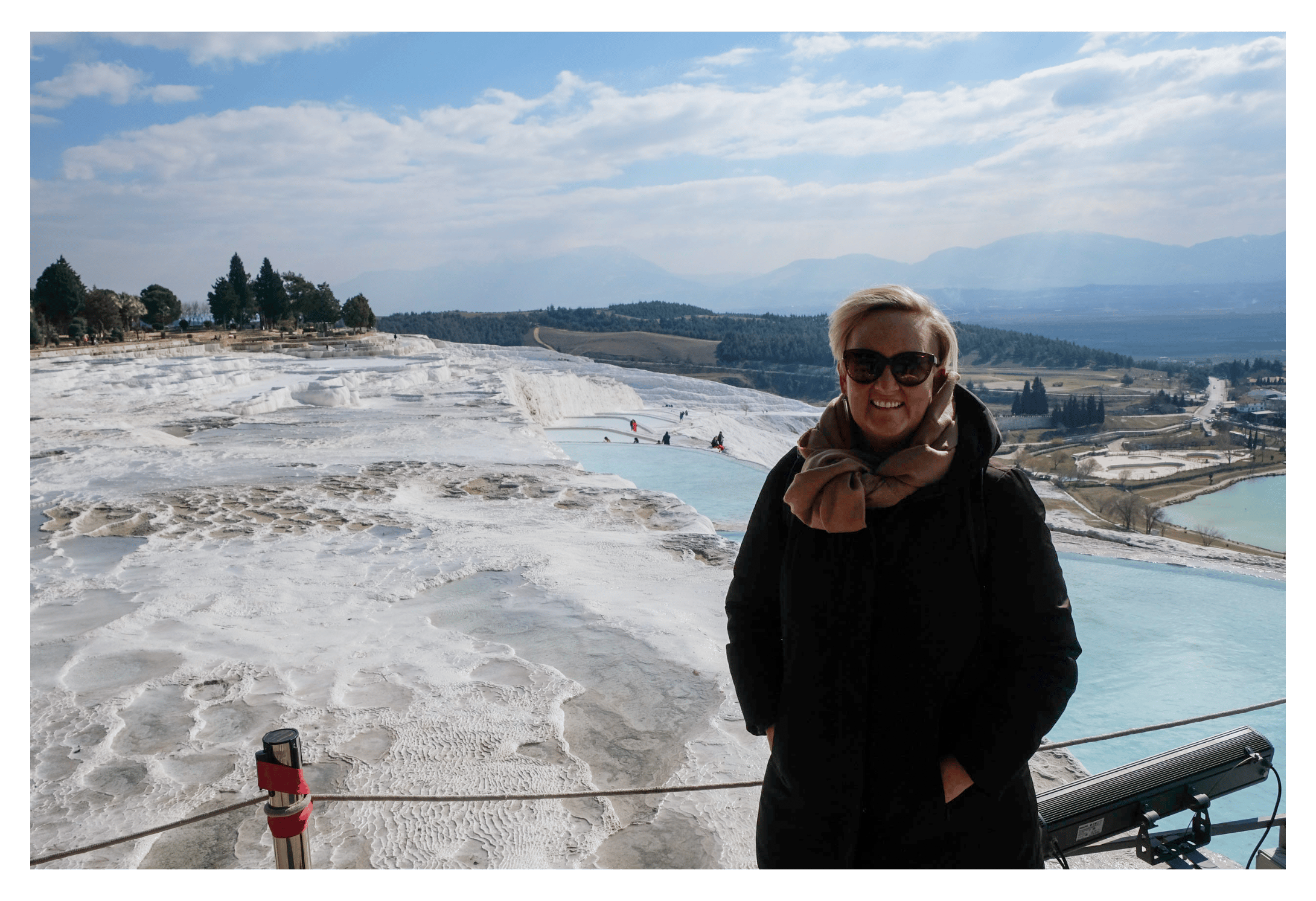
If you’re considering a winter visit, December through February offers a different kind of charm, especially if you’re into skiing or snowboarding. The mountain resorts near Bursa and in the eastern parts of the country, such as Erzurum, come to life, offering snowy adventures against stunning backdrops.
Cities like Istanbul might be chillier and sometimes snowy. Still, they’re less crowded, allowing for a more leisurely exploration of its cultural treasures and the chance to experience traditional Turkish baths and cozy cafes.
Summer In Turkey

Summer, from June through August, is the peak season, especially on the Aegean and Mediterranean coasts – it is VERY crowded during this time. But this is the best season for sun-seekers and beach lovers who want to bask on the sands of the Turkish Riviera, enjoy water sports, or explore the underwater ruins off the Turquoise Coast.
Booking tip: If you’re travelling in peak summer, book popular beach towns (Bodrum, Fethiye, Kaş, Çeşme/Alaçatı) and Cappadocia balloon flights as early as you can, and plan outdoor sightseeing for early mornings or late afternoons to avoid the hottest part of the day.
Summer festivals and open-air concerts add to the allure, offering something for every traveler.
Whether the call of the outdoors draws you, the lure of ancient cities, or the relaxation of seaside resorts, Turkey’s diverse climates and cultural offerings ensure there’s an ideal time for every type of traveler.
It’s easy to assume that Türkiye is just a place to go on vacation in summer. It’s no surprise that we see countless photos and ads of Turkey’s stunning beaches, so we automatically associate summer with them.
Traveling In Turkey Climate Guide
So, when is a great time to visit? Here is what the weather is usually like (I mean, nothing is guaranteed) for the main places to visit in Turkey.
| Region | Winter (Dec – Feb) |
Spring (Mar-May) |
Summer (Jun – Aug) |
Autumn (Sep – Nov) |
|---|---|---|---|---|
| Mediterranean Coast | 10°C / 50°F 15°C / 59°F |
15°C / 59°F 25°C / 77°F |
30°C / 86°F 35°C / 95°F |
20°C / 68°F 25°C / 77°F |
| Eastern Turkey | -10°C / 14°F 0°C / 32°F |
5°C / 41°F 15°C / 59°F |
20°C / 68°F 30°C / 86°F |
5°C / 41°F 15°C / 59°F |
| Black Sea Coast | 5°C / 41°F 10°C / 50°F |
10°C / 50°F 20°C / 68°F |
20°C / 68°F 25°C / 77°F |
15°C / 59°F 20°C / 68°F |
| Central Anatolia | -5°C / 23°F 5°C / 41°F |
10°C / 50°F 20°C / 68°F |
25°C / 77°F 30°C / 86°F |
10°C / 50°F 15°C / 59°F |
Perfect Months To Travel To Turkey
If you’re planning your trip around specific experiences—beaches, history, skiing, or wine—here’s when each one works best.
Turkey spans multiple climate zones, so “best month” depends on where you’re going. If your itinerary combines Istanbul, Cappadocia, and the coast, aim for spring (April–May) or early autumn (September–October) for the most consistent day-to-day comfort across the regions.
June to August
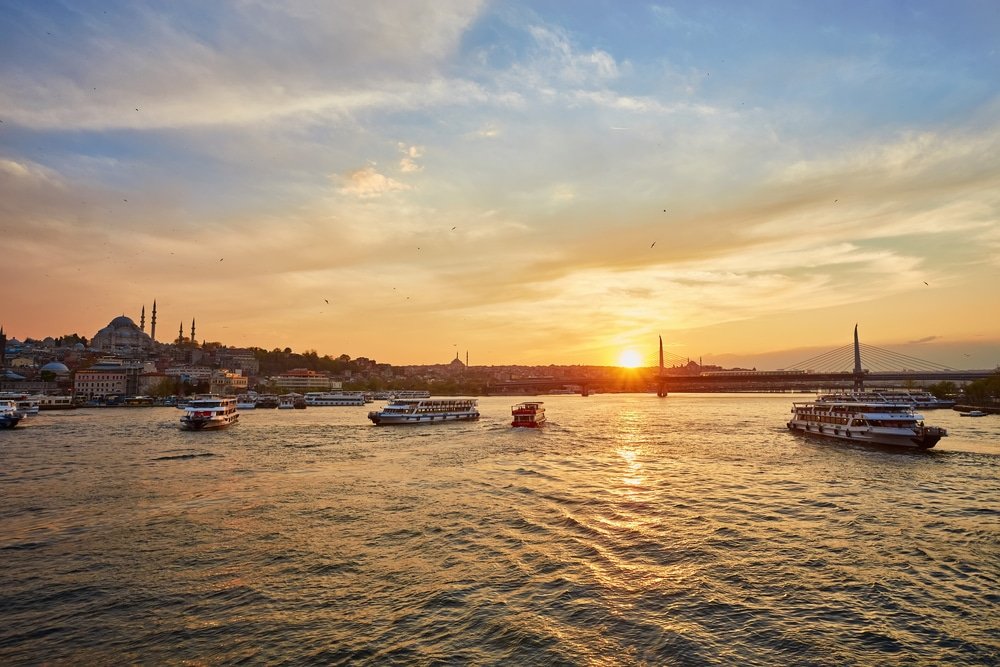
Bosphorus Cruises in Istanbul. For a different angle on Istanbul’s beauty, hop on a Bosphorus cruise. These summer months offer the perfect climate for a leisurely boat ride, letting you take in the city’s skyline from the cool, refreshing waters. It’s a relaxing way to see the city’s sights, from ancient palaces to modern bridges, with a sea breeze to keep you company.
Southern Coast. If you’re eyeing some sun, sea, and sand, June through August is your window. Turkey’s southern coastlines are at their prime, with perfect weather for any beach activity. Whether you’re looking to chill by the Mediterranean or the Aegean Sea, these months promise postcard-perfect beach days.
March to May
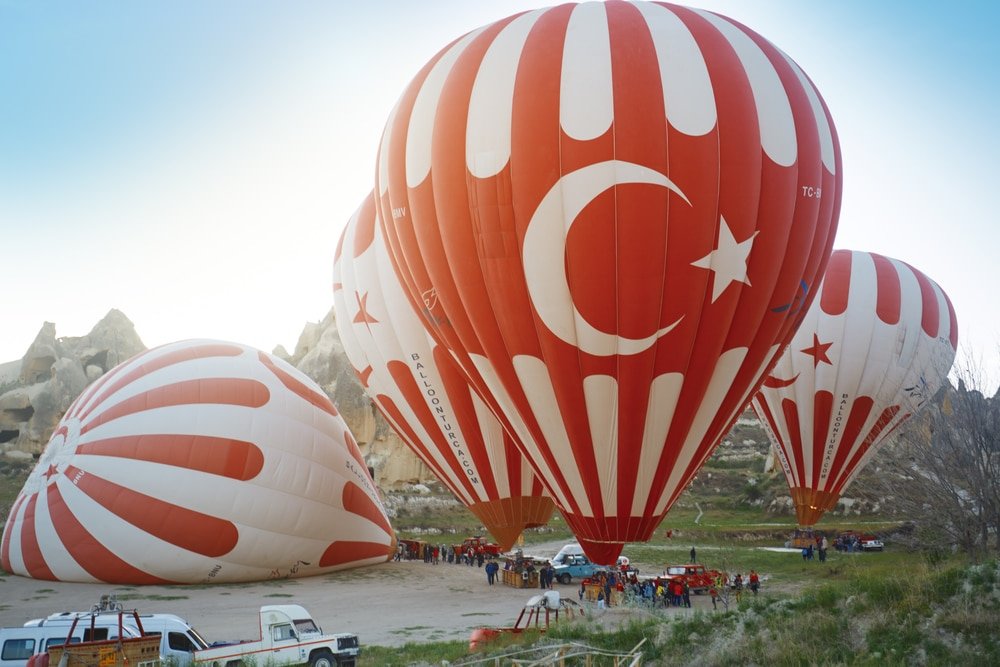
Istanbul and Cappadocia. Spring in Turkey? Absolutely, especially for Istanbul and Cappadocia. Istanbul springs to life with vibrant colors, minus the heavy tourist traffic. And Cappadocia? Thanks to the mild weather, it’s prime time for those dreamy hot air balloon rides. It’s definitely a double-whammy destination if there ever was one.
Ephesus. For a walk through history without breaking a sweat, March to May is your go-to time to visit Ephesus. The weather’s on your side, letting you explore those ancient ruins in comfort. It’s the ideal season for history buffs to take their time wandering through this historic gem.
November to March

Ski Resorts. Craving some snow? Turkey’s mountain ranges, like Erciyes and Uludağ, are calling your name from November to March. They offer top-notch skiing alongside breathtaking winter scenery.
Thermal Spas of Pamukkale. For a different kind of warmth, hit up Pamukkale’s thermal spas during these cooler months. Imagine dipping into warm, mineral-rich waters while everything around you is cool and crisp. Less crowded, more serene – it’s a slice of relaxation heaven.
September to October
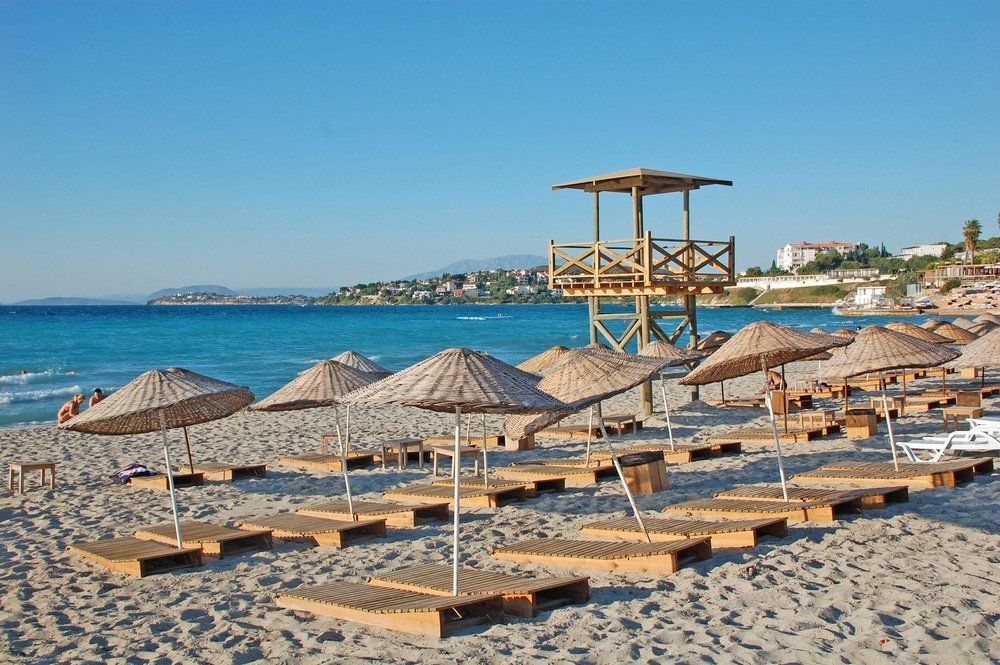
Aegean Coast. The Aegean Coast shines bright in the autumn months. The weather’s still warm, but the summer crowds have thinned, giving you a more relaxed vibe to explore ancient sites like Ephesus or to enjoy scenic views.
Grape Harvest in the Aegean Wine Regions. Wine aficionados, take note. September and October mean grape harvest season along the Aegean coast. Vineyards open their doors for tours, tastings, and, sometimes, a chance to join in the harvest. It’s a unique way to experience Turkey’s wine culture against a backdrop of autumn’s golden hues.
Harvest experiences vary widely by producer and year. If joining a harvest is a must-do, contact wineries in advance (Urla and nearby Aegean producers are a good starting point) and confirm exact harvest dates and visitor access before you lock in your trip.
September to November
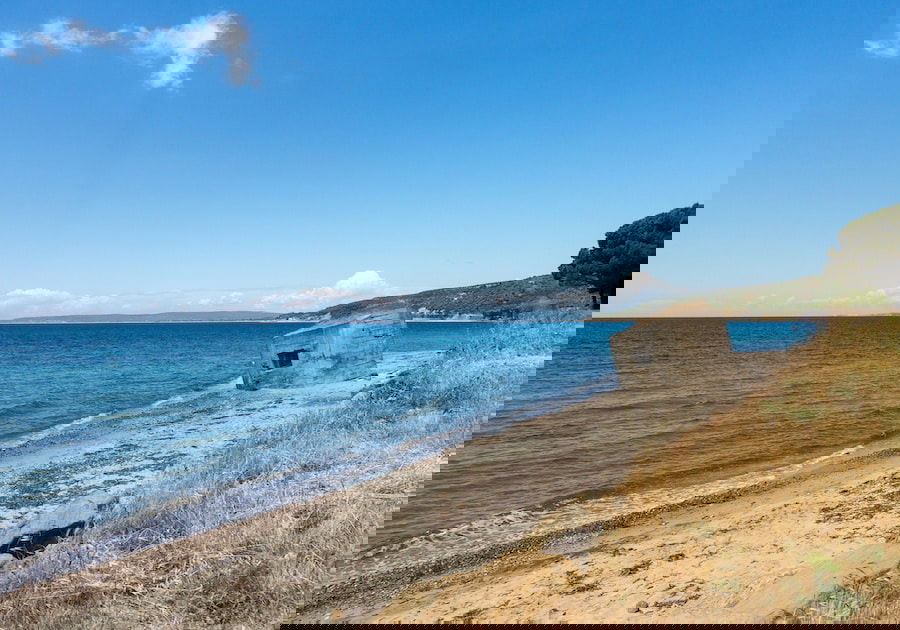
Cappadocia. For the hot-air balloon enthusiasts, October and November in Cappadocia offer cool, stable weather perfect for flying. The skies are clear, offering unrivaled views of the landscape’s unique formations.
Gallipoli. These months also present a quieter, more contemplative time to visit Gallipoli. The weather is mild, which is ideal for taking the time to understand the historical and emotional depth of this significant site.
Turkey is huge, which means there are plenty of destinations across different climates—so let’s explore some of them.
Brands We Use And Trust
Area By Area Travel Guide
Best Time To Visit Bodrum

Bodrum is an upmarket holiday resort located on the southwest coast that’s become extremely famous over the last few years. Many celebrities have been spotted in Bodrum, especially sailing around its stunning coastline.
When you visit Bodrum, you can expect summer fun with plenty of beach time, vibrant nightlife, and fantastic gastronomy.
Weather In Bodrum
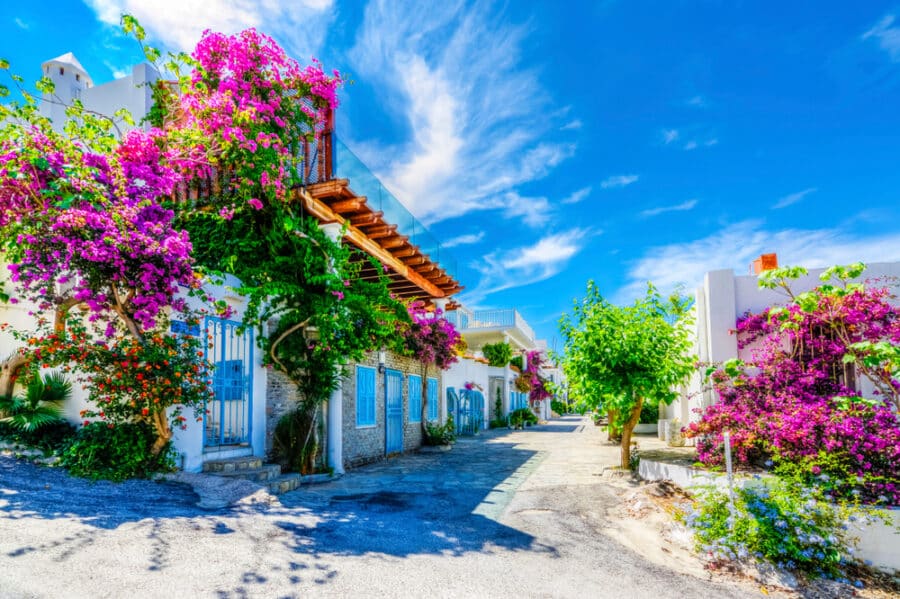
- November to February: Cooler temperatures with frequent rain. January is typically among the coolest and wettest months, with daytime temperatures often around 10–15°C (50–59°F) and nights commonly around 5–8°C (41–46°F). The odd storm may also bring wind and rain for a few days at a time.
- March to May: This is spring, and you can expect very warm temperatures and less rain. However, it’s not really beach weather just yet, as the sea is very chilly! By the end of May, you can certainly wear your summer clothes.
- June to August: Hot! This is the peak summer months, especially July and August. Temperatures can climb into the 40s, and rain is virtually non-existent. You will need air conditioning at this time, as evenings only dip to around the high 20s
- September to October: Temperatures are starting to cool, making this a very pleasant time to visit Bodrum. There is still very low rainfall; however, as you move into October, short-lived showers are likely. Thankfully, the evenings start to cool.
Bodrum General Life
Bodrum is an all-year-round destination; however, don’t expect to get into the sea during the winter months! Between November and April, Bodrum is much quieter, but it has a nice vibe, and you’ll be able to explore the local area much more easily than if you were visiting during the summer.
Many tourist bars and restaurants will be closed, but that certainly doesn’t mean all of them. Bodrum is quite a thriving city, and on weekends, you’ll find vibrant nightlife on offer.
What To Pack For Bodrum
If you’re visiting during the shoulder months, take a light jacket or cardigan for the evenings. However, during the summer months, you certainly won’t need that!
During the winter, you will need a coat and boots, especially if it rains. Although you’re very unlikely to see snow, that doesn’t mean you might not encounter a winter storm or two.
Best Time To Visit Izmir
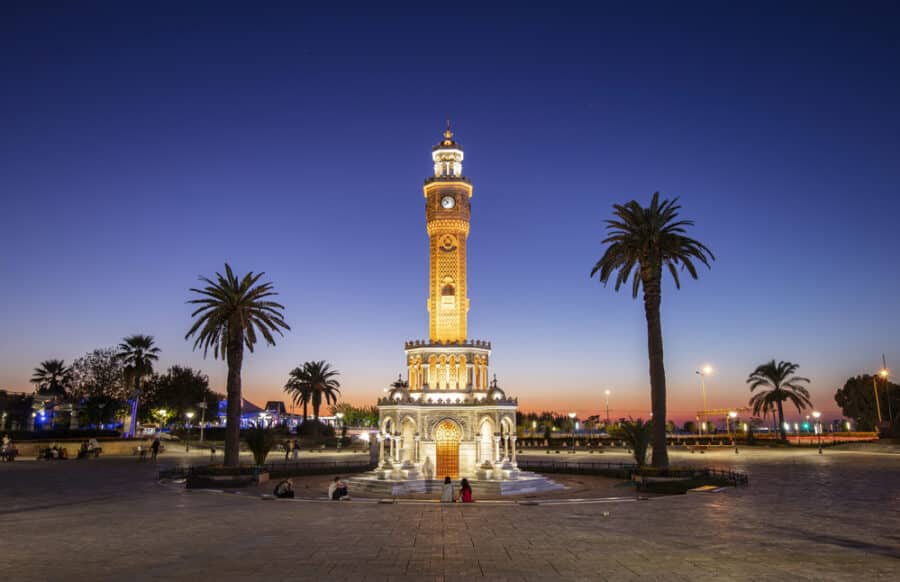
Izmir is Turkey’s third-biggest city, and that should tell you a lot about what it has to offer! It has a very young vibe, as it’s a large university spot, but it’s also a city for everyone, with history and culture at every turn.
Weather In Izmir
Izmir’s weather is very similar to that of the coastal resorts, as it’s a coastal city in its own right. Sitting on the shore of the Aegean, you can expect plenty of swimming opportunities during the summer months. Even during the winter, you can expect relatively mild temperatures.
- November to February: You may experience rain and occasional storms off the Aegean, bringing wind and heavier downpours. Temperatures are relatively mild compared to inland Turkey, but winter nights can drop to 3–8°C (37–46°F), while daytime highs are often 10–15°C (50–59°F). Nighttimes can be cold, though. eve.r
- March to April: Spring has sprung! During this time, the weather is warming up, and there are some very pleasant days when you may be able to walk around in a t-shirt. There may be occasional days of rain, but these tend to be short-lived.
- June to August: Izmir has very warm summer days (often low-to-mid 30s°C, with occasional hotter spells). Evenings are warm too, typically around 20–25°C (68–77°F), but they can dip lower on breezier nights. Rain is very unlikely.
- September to October: As in Bodrum, the weather at this time is starting to cool, with some pleasant days, a little like spring. Rain may occur as October arrives, but this is unlikely to be heavy.
General Life In Izmir
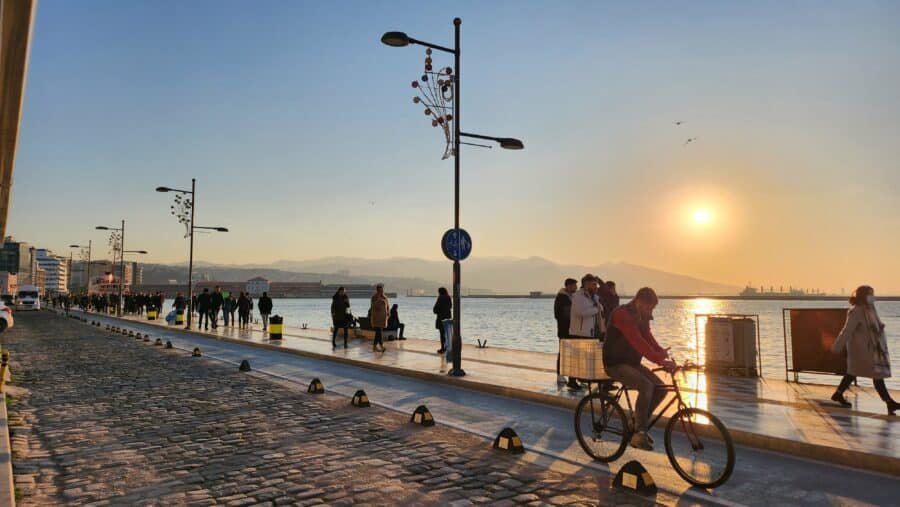
Izmir is busy year-round; however, it gets even busier from June to August, when people flock to the coast to cool down during the hottest period of the year.
Restaurants, bars, and tourist attractions remain open year-round.
What To Pack For Izmir
If you’re visiting Izmir during the winter months, be sure to bring a coat and an umbrella, as you may encounter rain and cooler days. However, in spring and autumn, a light jacket may be enough, with an umbrella in your bag, just in case.
During the summer months, umbrellas aren’t needed, and only comfortable shoes for walking around in the sunshine!
Best Time To Visit Antalya
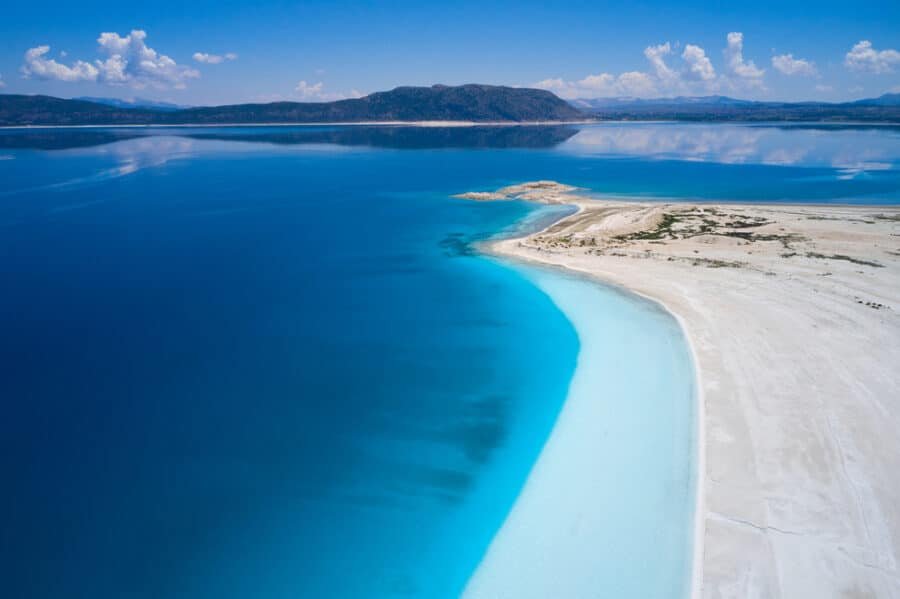
Located on the south coast, Antalya gets some of the country’s hottest and driest weather. The difference between this region and other holiday resorts is that the summer season lasts a little longer, thanks to its proximity to the east.
However, Antalya is also one of Turkey’s most famous regions, home to amazing beaches, historical sights, and natural beauty. It’s also worth mentioning that Antalya is both a city and a province, so the area is HUGE.
Weather in Antalya
- December to February: During these months, Antalya is in winter mode, and you will see snow on the high mountains; however, it’s unlikely to reach lower levels. Rain can be quite prominent during these months, along with lower temperatures; however, you’ll also see many mild days.
- March to May: Antalya quickly starts to warm up as spring arrives, and particularly in April, you’ll notice that temperatures are in the double figures. There may still be rain, but showers are likely to be short-lived. Evenings will be chilly at this time, so a thin jacket is needed.
- June to August: The summer months in Antalya are scorching, often reaching the 40s, with no rain. Evenings are also very warm, so you’ll need air-conditioning if you want to sleep.
- September to November: Antalya’s sea can stay warm enough for swimming well into November, especially in early to mid-November. Air temperatures cool gradually through the month (often around 20–25°C by day early on, then trending cooler), rather than staying in the mid-30s. Evenings will cool down in October, which may be a welcome break from the heat!
General Life In Antalya

Remember that Antalya is a huge area and includes both a city and several resorts. The resorts are likely to be very quiet during the winter months. You’ll find some bars and restaurants open, but their hours are likely to be reduced, including those of any tourist attractions that remain open. Yet in Antalya city, you’ll find everything is business as usual, except for the area around the castle, which tends to be less busy during the winter, with some spots closed.
During the summer months, it’s all action. Antalya gets very busy during this time, and you’ll find it hard to find much space for yourself; however, that’s not a reason not to go and enjoy yourself!
If you prefer a slower pace of life but still with great weather, the spring or autumn months are best for you.
What To Pack For Antalya
There are occasional storms during the winter months, and it can get very cold, so make sure you pack a warm coat and suitable shoes. However, if you’re visiting during the spring, summer, or autumn months, you won’t have to worry much about rain, and you’ll only need a light jacket for chilly evenings early in the year or later in the year.
Best Time To Visit Istanbul

Turkey’s biggest city is packed with sights and activities. One visit to Istanbul is never enough, and it’s important to plan your trip so you can make the most of your time.
You should also manage your expectations about what you’ll be able to see, as traffic and getting around the city aren’t particularly fast! It’s also a very tiring yet extremely rewarding place to go.
Weather In Istanbul
Istanbul’s weather is tough to predict. Located in the northwest of the country, it is influenced by many elements, including the Black and Marmara Seas.
However, Istanbul does have seasons, which makes planning easier.
- November to February: During the winter months, you can expect rain and even snow at times. Temperatures can be very cold, and the wind off the Bosphorus can be biting. However, to add to the confusion, you can also get very mild days with plenty of sun!
- March to April: The spring months can often bring days of rain, but when the sun is shining, it can be very warm indeed. You will still need a jacket on those days when the cold decides to return, especially in the evenings.
- May to August: Summer in Istanbul can be very warm, but not as hot as the south coast resorts. The temperature can reach the mid-30s (95°F), yet there is always a chance of rain, sometimes quite heavy for a time. Evenings will be milder yet still sticky.
- September to October: The autumnal months in Istanbul can be a very mixed bag, but it’s rarely very cold. The main feature here is rain; it can rain at any time, so always keep an umbrella with you in your bag. Again, you’ll need a thin jacket for the evening.
General Life In Istanbul
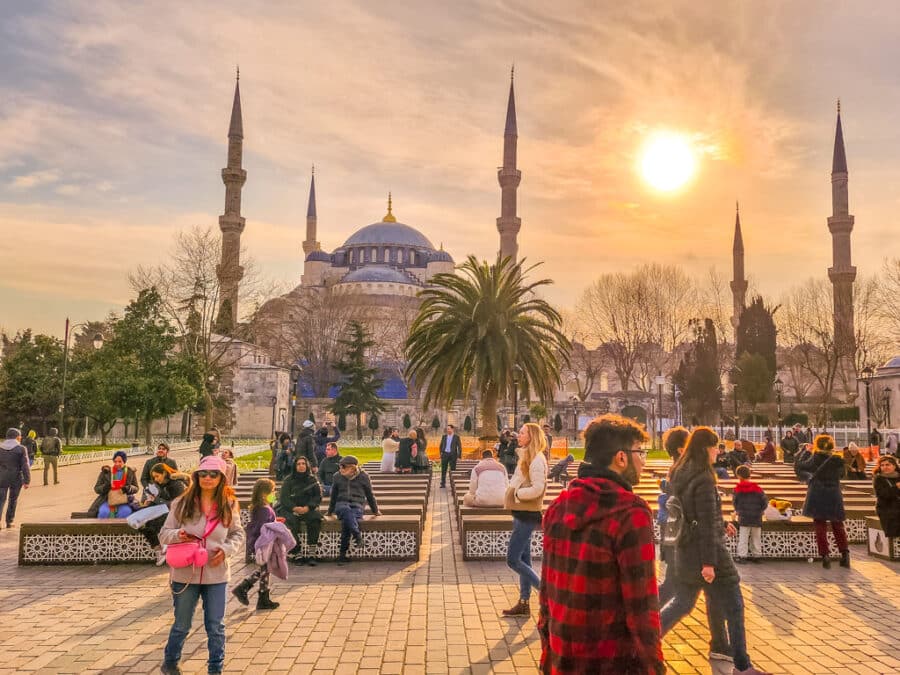
Istanbul is busy year-round, but crowd levels still fluctuate by season and around major holidays. Winter can be quieter overall, though occasional snow can make the city especially photogenic when it happens.
In all honesty, it’s easier to visit Istanbul when it’s cooler; when you add high temperatures to a busy city, your experience may be a little stressful. But if you take your time, you should be fine.
Most attractions, restaurants, and shops in Istanbul operate year-round. Still, some museums and sights have weekly closing days and may close or operate on reduced hours on public and religious holidays.
Quick reality check for planning: several major sights have fixed weekly closing days (for example, Topkapı Palace is typically closed on Tuesdays), and some places close or run reduced hours on the first day of major religious holidays. So it’s worth checking official hours for the exact dates you’ll be in the city.
What to Pack For Istanbul
Ah, Istanbul packing! You will need a bit of everything! In the primary winter months, you’ll need a very thick jacket and suitable shoes, preferably boots. The only time you won’t need a coat is during the high summer months, but for the rest of the year, it’s a good idea to take one on.
It’s not the best idea to walk around Istanbul in sandals or flip-flops—this is a huge city, and your feet will tell you if you try to walk in unsupportive shoes!
The best route here is layers. That way, you’ll never be too hot or cold. Oh, and an umbrella, no matter what the month.
- Exploring Istanbul With Kids
- Istanbul Beaches
- Here Is How Many Days In Istanbul are enough
- Where To Eat In Istanbul
- Best Hammam In Istanbul
- 4 Days In Istanbul Itinerary
- 16 Things To Do In Istanbul, Turkey
- Whirling Dervishes In Istanbul
- Your Guide To Sultanahmet Istanbul
- Top Palaces In Istanbul
- 48 Hours In Istanbul
- Is Istanbul Safe
- 18 Best Mosques In Istanbul
- Istanbul Nightlife
- Shopping In Istanbul
- Where To Stay In Istanbul
- Best Hotels In Taksim Square In Istanbul
- The Best Festivals in Istanbul
- A Day In The Colorful Balat Istanbul
- Best Museums In Istanbul
- Top Hotels Near The Blue Mosque
- 5 Biggest Istanbul Tourist Scams To Avoid
- Best Breakfast In Istanbul
- Romantic Places In Istanbul
- Things To Do In Istanbul In Winter
Best Time To Visit Cappadocia

Cappadocia is one of the country’s most famous attractions, and it is located in Central Anatolia.
Cappadocia’s main gateways are Nevşehir Kapadokya Airport and Kayseri Airport; both usually involve a transfer from Istanbul (or occasionally other Turkish hubs), and then a drive to Göreme/Ürgüp/Avanos.
Weather In Cappadocia
- November to March: Cappadocia experiences very cold winters, which often feature heavy snowfall. Of course, this gives fantastic scenery! Snow can occur as early as November, but you don’t usually see it settling on the ground until the middle of December, and it can last into March.
- April to June: Spring in Cappadocia is beautiful, but the early part of the season can be chilly, so a coat is recommended. As you move into May and June, rain is unlikely to be a problem; the occasional shower will be very short-lived, and you’re looking at average daytime temperatures of around 15-20 degrees Celsius (59-69°F)
- July to September: Summers in Cappadocia are very warm but not as hot as in other parts of the country. However, they are very dry, so you won’t have to worry about rain. Temperatures can reach the high 30s in some cases, but as you move into September, it will will start to cool.
- October to November: Autumn is a beautiful time to visit Cappadocia, with cooler temperatures and fewer crowds. October can still see mild daytime highs (often mid-to-high teens or low 20s°C), while November is notably cooler, especially at night. Rain is possible as November arrives, but not particularly heavy.
General Life In Cappadocia

Cappadocia is a year-round destination, but some tours, hotel inventory, and operating hours can be more limited in winter, and weather can affect activities (especially hot-air balloons).
You will find that most people tend to visit during the summer months, but winter can be a beautiful time to experience incredible scenery.
However, if you’re keen to go in a hot air balloon, be aware that poor weather may cancel your flight at the last minute, leaving you disappointed.
What To Pack For Cappadocia
You will need suitable footwear and a thick coat during the winter and into early spring. It can be freezing during this time. A light evening jacket is a sensible idea as summer arrives, but you won’t have to worry about rain.
If you plan to explore the region, pack walking boots or high-quality trainers; Cappadocia isn’t a flip-flop or sandal kind of place.
Move This Adventure To Your Inbox & Get An Instant Freebie

No spam. Unsubscribe at any time.
Trip To Turkey FAQs
What is the best time to visit Turkey overall?
For most travellers, the best time to visit Turkey is in spring (April–May) and early autumn (September–October). These months offer comfortable temperatures for sightseeing in Istanbul and ancient sites, good conditions in Cappadocia, and fewer crowds than peak summer.
When is Turkey’s high season?
Turkey’s high season runs from June through August, with July and August being the busiest months, especially along the Aegean and Mediterranean coasts.
When is the cheapest time to visit Turkey?
Late autumn and winter (roughly November to February, excluding holidays) are usually the cheapest times to visit Turkey. Flights and hotels are often discounted, particularly outside coastal resort towns.
Is summer a good time to visit Turkey?
Summer (June–August) is ideal for beach holidays on the Aegean and Mediterranean coasts, but inland cities and sightseeing-heavy destinations can be extremely hot. If visiting in summer, plan early-morning or evening sightseeing and book accommodation well in advance.
When is the best time to visit Istanbul?
Istanbul is best visited in spring (April–May) and autumn (September–October), when temperatures are comfortable for walking and sightseeing. Summer can be hot and crowded, while winter is quieter but wetter.
When is the best time to visit Cappadocia?
The best time to visit Cappadocia is during spring (April–June) and autumn (September–October), when daytime temperatures are mild and hot-air balloon flights are more likely to operate.
Does it snow in Cappadocia, and is winter worth visiting?
Yes, Cappadocia often sees snow in winter. It can be a beautiful time to visit, but temperatures are cold and hot-air balloon flights are more likely to be cancelled due to weather.
What is the weather like in Turkey in October?
October is one of the most pleasant months to visit Turkey. Coastal regions remain warm, while inland areas like Cappadocia are cooler at night. Daytime temperatures typically range between 15°C and 25°C (59°F–77°F), depending on location.
Is Turkey hot in November?
November is generally cooler than summer and sees more rainfall. Southern coastal areas remain milder, while central and eastern regions cool down significantly, especially at night.
What is the weather like in Turkey in May?
May offers warm, sunny weather across much of Turkey without peak summer heat. It’s an excellent month for sightseeing, outdoor activities, and early-season coastal trips.
What are the best months to visit Turkey for good weather?
The best months for pleasant weather in Turkey are April, May, September, and October, when temperatures are comfortable, and rainfall is generally lower.
What is the best time to visit Greece and Turkey together?
The best time to combine Greece and Turkey in one trip is spring (April–May) or autumn (September–October), when both countries enjoy mild weather and fewer crowds.
Is it a good idea to visit Turkey during Ramadan?
Visiting Turkey during Ramadan can be a rewarding cultural experience. In major cities and tourist areas, restaurants and attractions generally operate as normal, though some local eateries may close during daytime fasting hours.
Are there any festivals in Turkey worth planning a trip around?
Notable events include the Istanbul Tulip Festival (April), the International Istanbul Film Festival (April), and the Mevlana Whirling Dervishes Festival in December. Dates vary by year, so always confirm official schedules.