

From glistening lakes to ancient Roman cities and islands with white-sand beaches, Croatia is where I live and spend many weeks each year on vacation. It’s one of the top holiday destinations in Europe, but if you’re short on time, you might be wondering: are 4 days in Croatia enough, and what’s the best way to plan them?
The short answer is yes — four days is tight, but you can see a surprising amount if you plan smartly.
In this guide, I’ve put together realistic 4-day Croatia itineraries for nature lovers, city explorers, island hoppers, party-goers, and history buffs. Each option focuses on one region, so you spend less time traveling and more time actually enjoying Croatia.
| 4 Days in Croatia at a Glance |
|---|
| Best for: First-time visitors, short European breaks Ideal base: Split, Dubrovnik, or Zadar (pick one) Can you see it all? No — choose one region Top experiences: Old towns, islands, national parks Car needed? Optional (helpful for Plitvice/Krka) Best months: May–June, September–early October |
I have prepared a few itineraries tailored to those who want to be in nature, see the country’s major cities, go partying, visit famous historical monuments, or stay along the coast!
They all come with lashings of ice cream and sunshine, so grab your bathing suit and get ready to explore the Adriatic Coast and beyond.
Skip Ahead To My Advice Here!
Option 1 – City Hopping Itinerary (Best For First-Timers): Zagreb, Zadar & Split
Start your perfect trip in Zagreb, Croatia’s capital
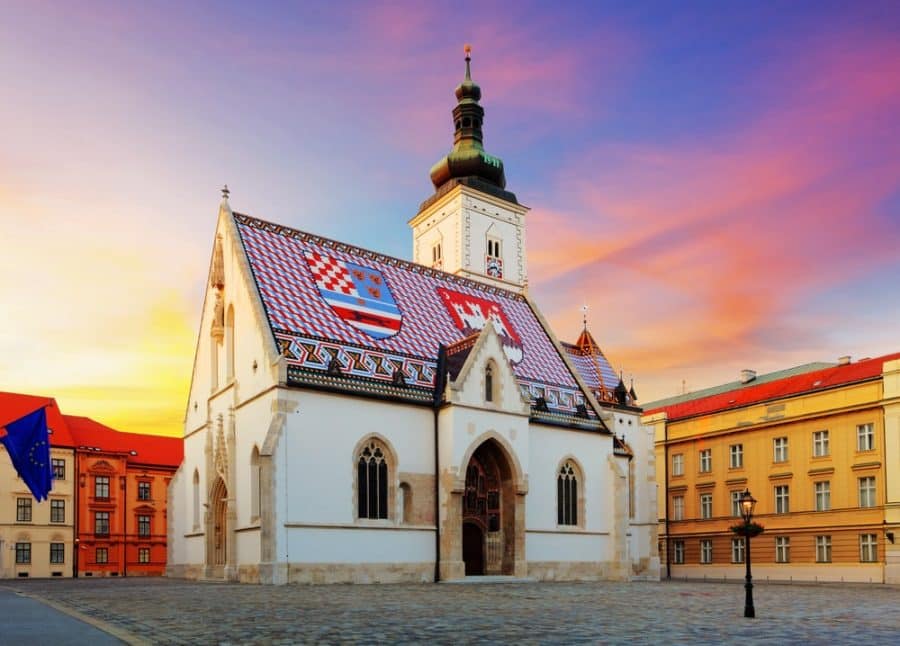
It’s not the most popular stop on the map, but I find Zagreb’s laid-back, café-filled centre enchanting.
Get lost strolling in the city center, then stop and read your book at a cafe at Cvjetni Trg (Flower Square) in the morning, then spend the afternoon wandering up the Strossmayer promenade and along the old medieval city walls up to the Upper Town, where you’ll be spoiled with the best city views.
Then there is the cute open-air farmers market, Dolac Market in the lower town, where it’s fun to muse around on a sunny day, after which you can end up at Zagreb’s main square – Trg bana Jelačića for drinks.
Next, make your way to Zadar, which is just underhours’urs drive a, way and where I live!
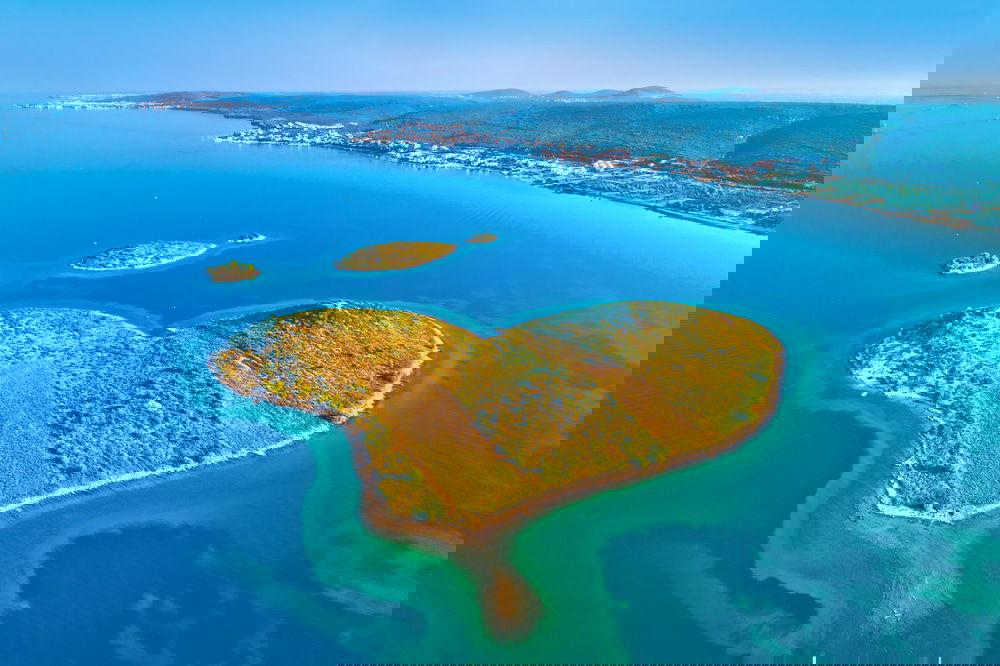
Of all the big cities along the Dalmatian Coast, Zadar is usually people’s last choice. But it’s for this reason that it’s one of my favorites – it offers Roman ruins, glistening waters, and nearby island hopping without the crowds!
It’s also positioned at the foot of the Velebit Mountains, so there are many hiking trails around the city.
As you walk around town, you’ll discover Byzantine churches, Romanesque cathedrals, and the remains of the city’s Roman-era.
One thing to bear in mind is that sandy beaches in Zadar are limited—most swimming spots are pebbly or concrete platforms. The water’s edge meets a promenade that you can jump off, but there’s no sand in sight.
At the end of the promenade, there’s a Sea Organ and a Sun Salutation. It is always a good idea to come at sunset when the sea lights up in orange and red hues, and the Sea Organ whistles melodies into the cool breeze. Once the sun goes down, the Sun Salutation dances into life, turning the night sky into a colorful light show.
Next up, SpliCroatia’stia’s Second-largest City
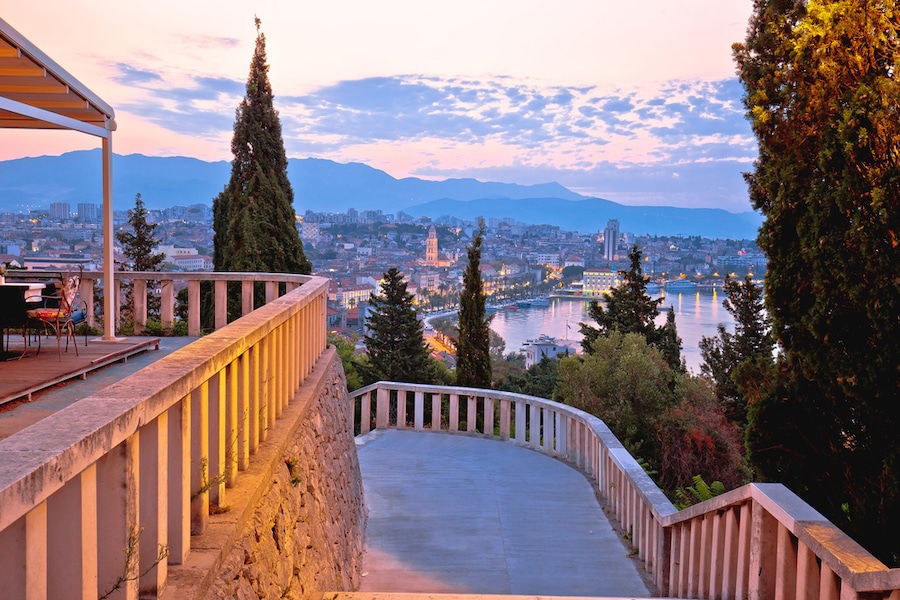
Far from being off the tourist map, Split is full of lively travelers and friendly locals. The most iconic landmark is Diocletian’s Palace, which was once a 4th-century Roman city but is now a maze of narrow streets lined with cafes and restaurants built amongst Roman ruins.
If you’re in Croatia to discover the culture, then stand outside the Vestibule and listen out for the Klapa singers.
Take a walk along the city’s seafront, and it won’t be long before you come to Bačvice Beach, Split’s famous sandy beach. Even close to shore, the snorkeling is excellent. Dive under, and you’ll catch glimpses of starfish, sea cucumbers, and sea anemones.
Because Split has so much to see, I’d recommend staying here for two days and maybe catching a boat to one of the nearby islands, like Brač, Hvar, or Vis. I’d do that on the second day if you feel you’ve seen enough of the city.
Brands We Use And Trust
Option 2 – The South Coast: Dubrovnik, Lokrum Island, AnKorčulala Island
Start your adventure in Croatia’s famous walled city, Dubrovnik.
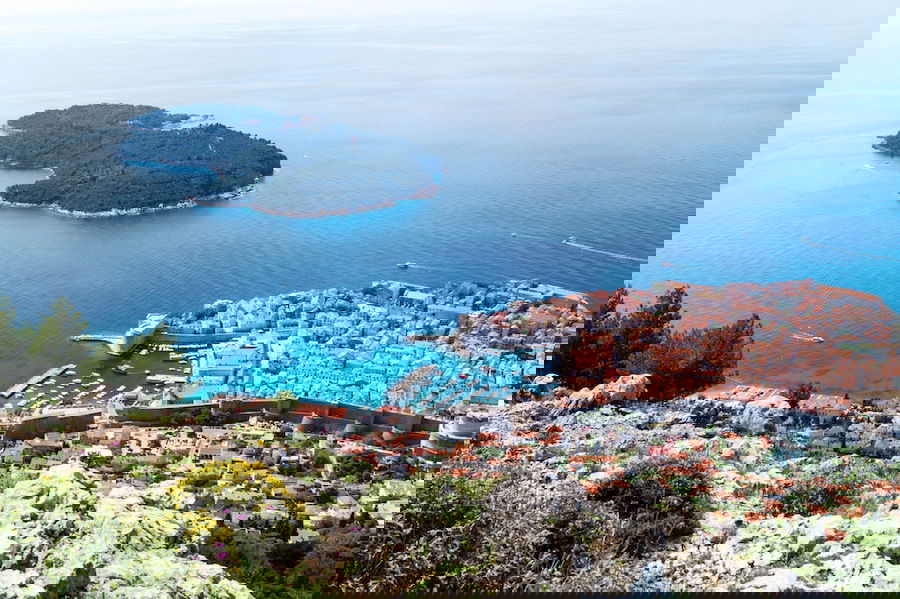
Dubrovnik is a fortified coastal city that has beautiful beaches, bucketloads of history, and a network of nearby islands. Dating back to the 7th century, the town features a range of architectural styles.
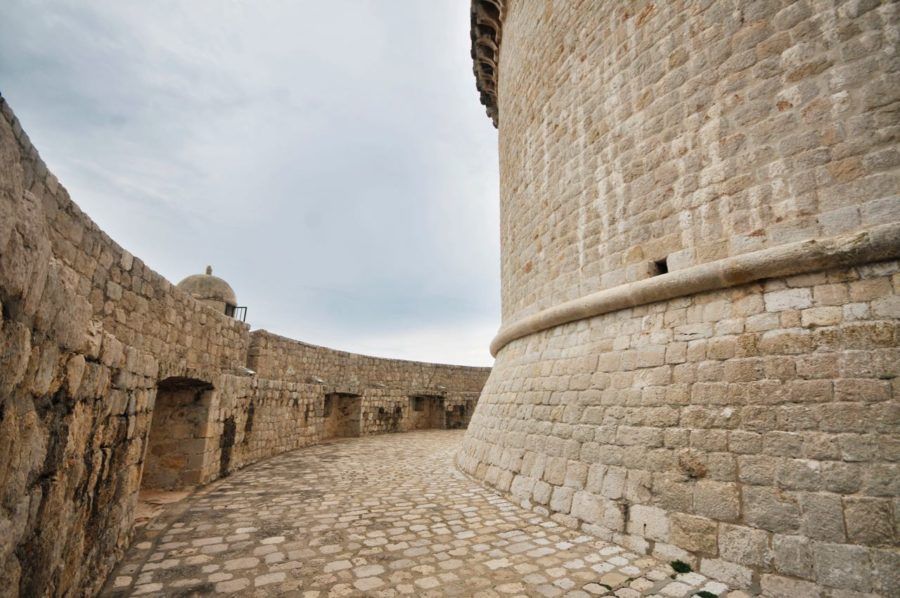
Dubrovnik’s Old City is a UNESCO World Heritage Site, and walking the city walls is one of its main highlights. It’s worth spending a few hours strolling along the wall and stopping for food and drinks along the way.
Most of the walls you see today were built and strengthened over centuries, with significant construction from the 13th century through the 1600s.
It’s best to do the circular walk atop the city walls early in the morning or just before closing to avoid the summer heat and the crowds.
As of 2026, the Dubrovnik City Walls adult ticket is typically around €40 in peak season (prices can change).
Aside from being an architectural gem, the city is also a cultural hotspot. Throughout July and August, the Dubrovnik Summer Festival brings the town to life with music, performances, and a true Croatian party spirit.
If you want to get out of the city in the late afternoon and do some exploring, catch the cable car up to Mount Srd – the views of the city and the sea below are spectacular!
Take the short 15-minute ferry ride from the city to Lokrum Island on your second day.
Lokrum is a day-trip island (no public overnight stays), and ferries are seasonal.
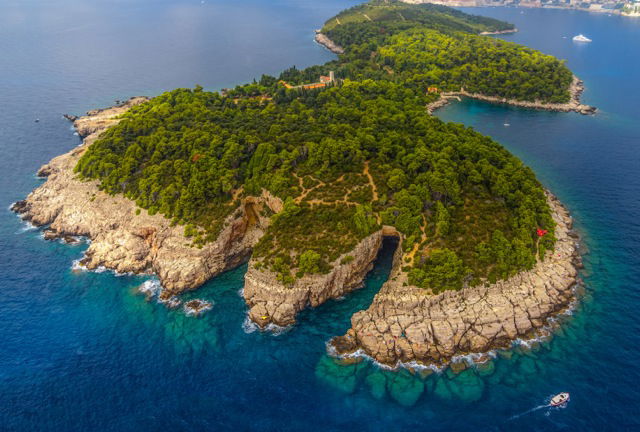
Croatia has over 1,000 islands, islets, and reefs, most of which are uninhabited—Lokrum is one of the closest to Dubrovnik. That said, there’s still plenty to keep you busy.
There’s a nudist beach on the island where you can soak in the summer sun, the ruins of a Benedictine Monastery you can walk to, and incredible snorkeling offshore.
If you’re not up for a beach day, the best location for you would be to find the hiking paths along the island’s rocky cliffs and get lost exploring, or go to the Botanical Gardens with more than 800 species of exotic plants.
While you’re on Lokrum, keep an eye out for the island’s unexpected inhabitants, the free-roaming peacocks brought over by Archduke Maximilian from the Canary Islands, which are often found near the building housing the Game of Thrones chair!

Lastly, visit Fort Royal, which sits on the highest point of this little island. It dates back to 1806 and was built by the French army.
Once you’ve seen all the island’s landmarks and soaked in the views of Dubrovnik and the Adriatic Sea from various points on Lokrum, head back to the city for a dinner of fresh fish and a well-deserved glass of wine.
On the third day, pack your bags and catch a ferry tKorčulala Island.
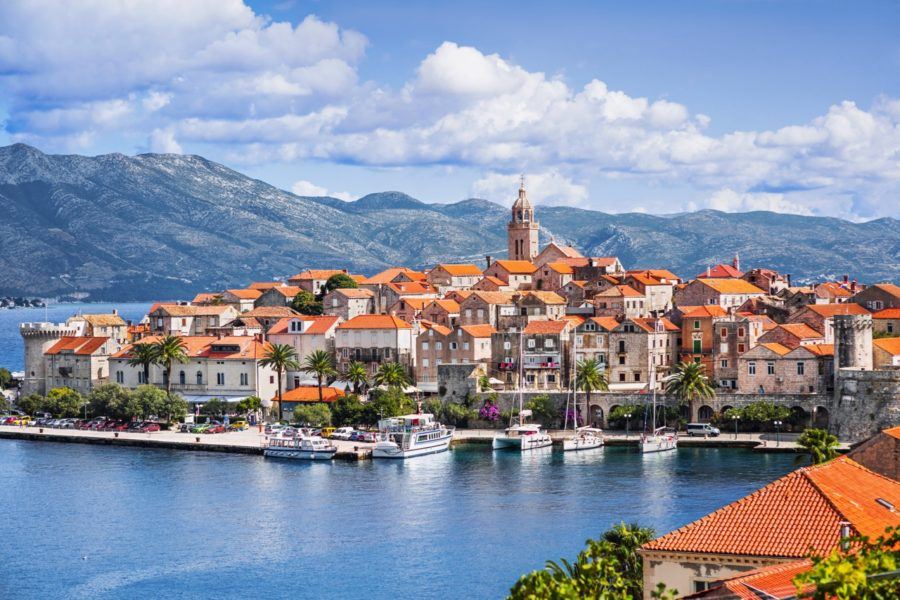
The time I visited Korčula was among my most memorable days on a boat trip in Croatia. Nicknamed “mini Dubrovnik,” the island offers the best of Dubrovnik without the overwhelming crowds.
Legend also has it that it’s the birthplace of Marco Polo! But I go there myself for the wine-tasting options…
Spend a night here to really soak in the laid-back atmosphere of Croatian island life.
Option 3 – If You’re Here To Party: Split & Hvar
Start your party in Split!
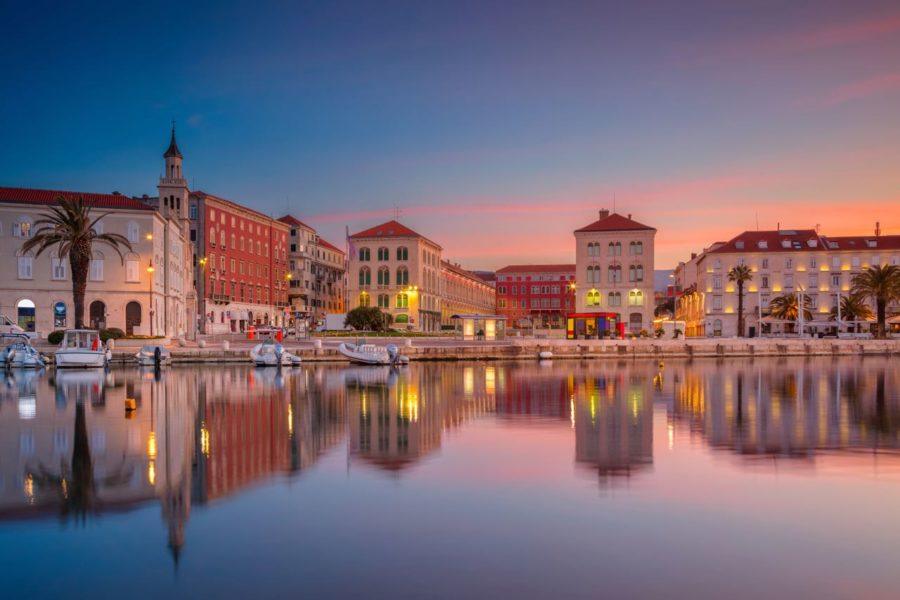
Croatians know how to party, and this Split and the island of Hvar itinerary will prove it to you.
Start your night off in Split with a stroll along the promenade in the Riva neighborhood, with as many stops at bars along the way as you can handle, and a walk through the old town,n where you’ll often find outdoor concerts in full swing.
Next, make your way to one of the city’s best nightclubs. It’s not worth getting to a club before midnight in Croatia because people eat later and are slowto leavet. But don’t worry; the clubs don’t close till well into the morning hours anyway, so you’ll have plenty of time to dance.
There are many clubs to choose from, but check out Central the Club, Vanilla Club, INBOX Day & Night Bar, Klub Kocka, and Judino Drvo Club for the best nightlife experience.
Spend two nights in Split, so you get a chance to sleep in on the second day and explore the city before heading back out again.
The following day, have a Bloody Mary to help with the hangover, then head to Hvar.
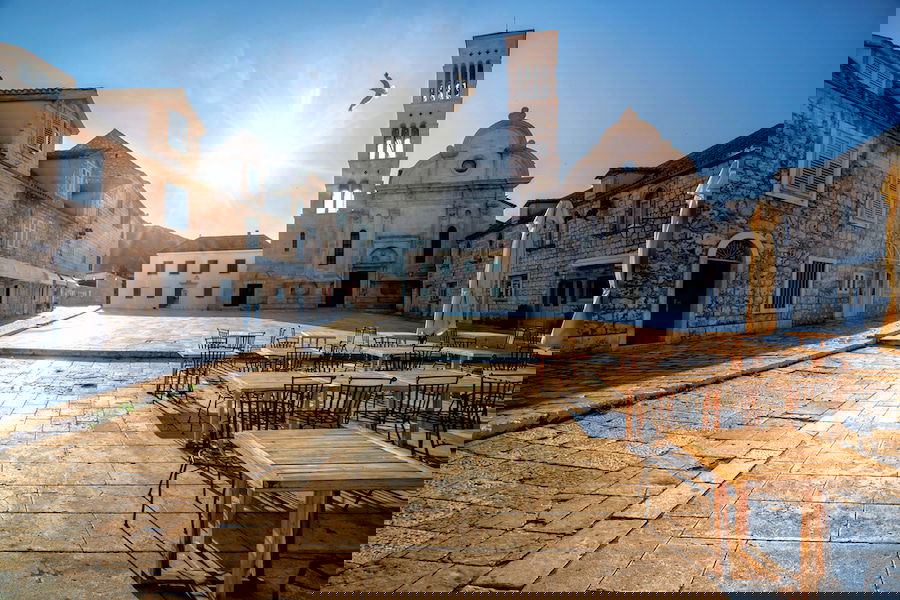
It’s worth spending two days here. If you’re on the island to party, stay in Hvar Town. It’s the biggest and busiest of the island’s towns, so you’re guaranteed the best atmosphere.
The most famous clubs on the island include Carpe Diem, Splash, Hula Hula Beach Bar, and Falko Beach Bar.
Between the partying, it’s worth visiting the main historical sites, like the Stari Grad plains, a UNESCO World Heritage Site, the Hvar theatre, built in 1612, and the Spanjola Fortress.
Option 4 – A National Park Tour Of Croatia: Krka & Plitvice
Start your outdoor exploration at Plitvice National Park
Plitvice tickets are time-slot-based in peak season and can sell out; book ahead online when you can. Adult day tickets typically range from about €10 to €40, depending on the season and the time of day.

As I’m a big fan of the outdoors, this would likely be my top pick for a 4-day Croatia tour.
Famous as the Plitvice Lakes are, there’s not really much around them. I once stayed in a small nearby village, but I’d recommend staying in Zadar instead and traveling from there to Plitvice and traveling from there to Krka.
From Zadar, it’s just an hour and a half drive to Plitvice and an hour to Krka, so it’s the perfect city to stay in during your national park tour of Croatia.
Once you arrive at Plitvice, you’ll soon get lost in a twisting maze of stunning lakes that reflect the surrounding pine forests.
The best seasons to go are spring and autumn, when it’s not too hot, so you can pleasantly hike throughout the day, and there aren’t as many travelers around. In high season, this place is overrun and not enjoyable.
While in Plitvice, I recommend taking a boat rideono the lake to submerge yourself in the landscape.
The next day, relax and explore Zadar
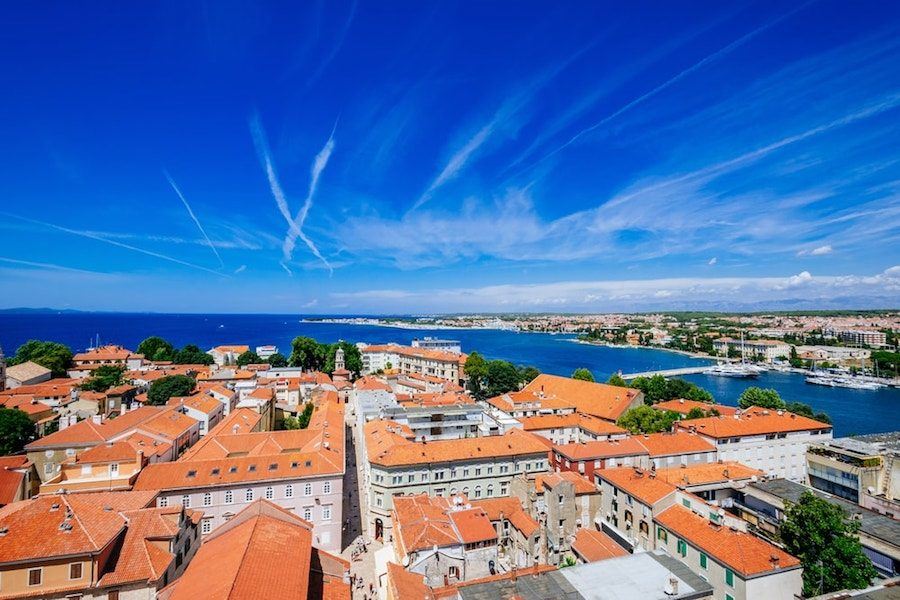
Check out Old Town, try some of the local seafood dishes, and get a good night’s rest so you’re ready for Krka the next day.
Finally, adventure on to Krka National Park
Swimming rules change by location and season—check the official Krka National Park updates before you go.
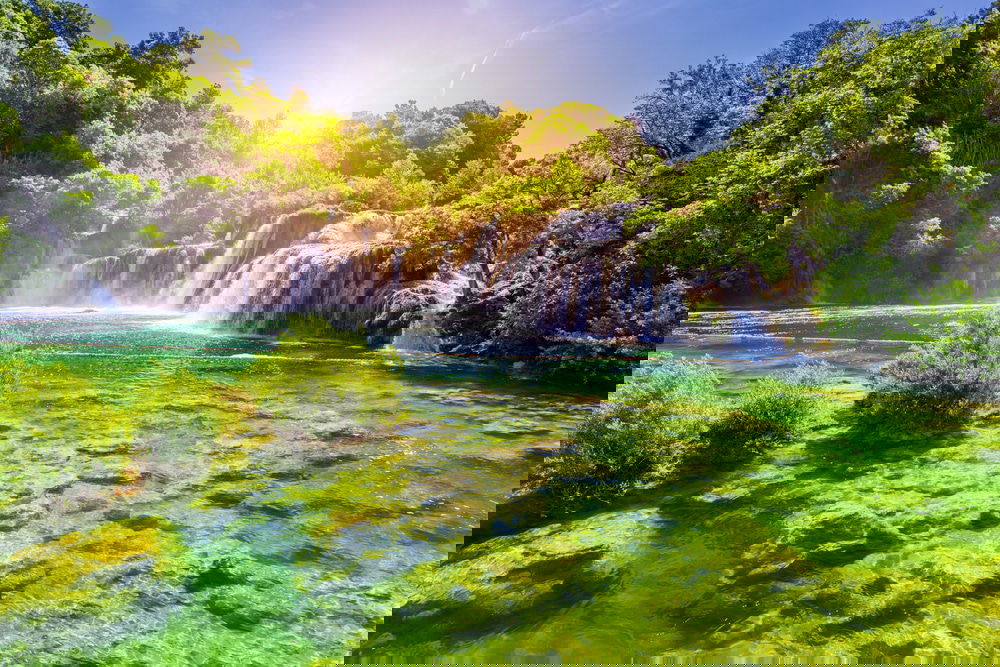
Krka National Park is known for its clear blue waterfalls, but swimming is permitted only in designated areas (not at Skradinski Buk).
It doesn’t have the raw, natural feel of Plitvice, but it is smaller and easier to navigate if you are short on time; that’s a huge advantage!
Another thing Krka can offer that Plitvice can’t is a historic center. Within the boundaries of the national park are the ruins of a Roman military camp and amphitheater, two monasteries (one built on ancient catacombs), and old water mills.
Option 5 – An Itinerary For History Buffs: Šibenik, Trogir Old Town, & Split
Start your 4-day Croatia trip in the town of Šibenik.
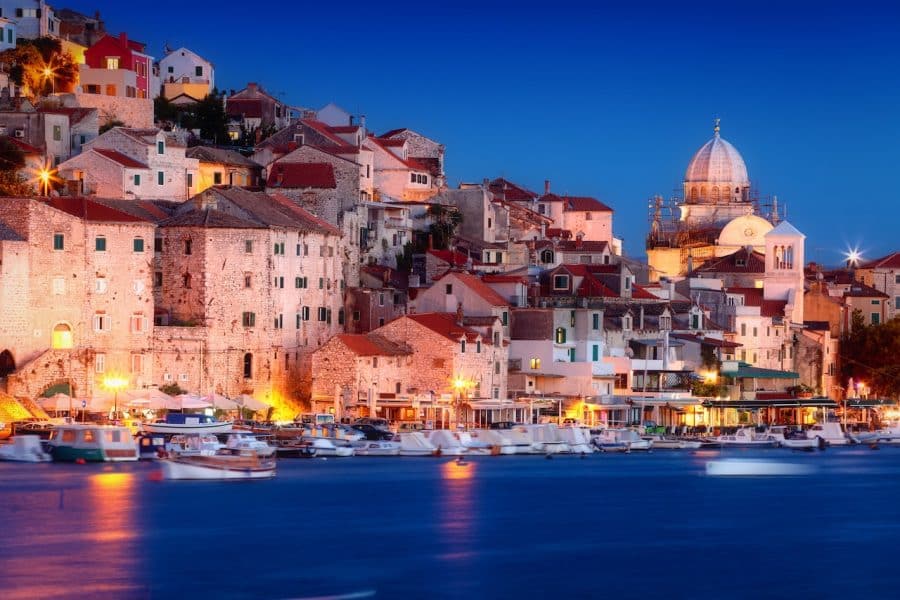
If you’re in Croatia to explore the country’s rich history and heritage, start on the north coast and slowly make your way down to Split in the central Dalmatian region.
Start your 4-day Croatia trip in Sibenik, a charming coastal town in the north of the country that has somehow fallen off the tourist radar.
The city has two historical landmarks worth visiting: the Saint James Cathedral, which has 71 faces in a range of comical expressions carved into its facade, and the St Nicholas Fortress, built when the Venetians occupied Croatia. It’s on a bit of an island, but it’s connected to the mainland by a short wwalkwayyssoyou can get there easily.
The next day, make your way to Trogir
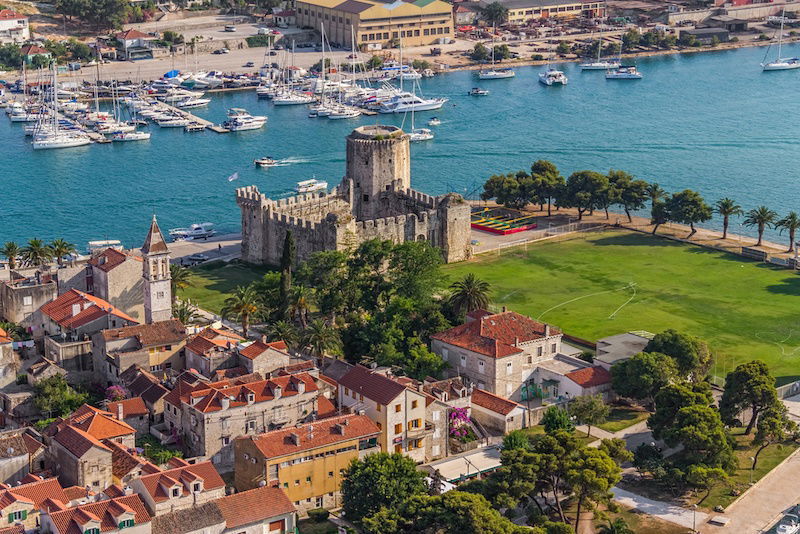
The city’s historic old town sits on a little island just offshore and is connected to the mainland by a bridge.
Cobbled streets lead you past churches and through narrow medieval buildings and roads that have withstood the test of time.
The best way to explore the old town is really to wander around and get lost, but there are a few landmarks you should watch out for along the way, like the Cathedral of St Lovro.
You can stay a night in Trogir’s old town or spend the day there and go to Split nearby that evening.
Finally, a 2-day exploration of Split
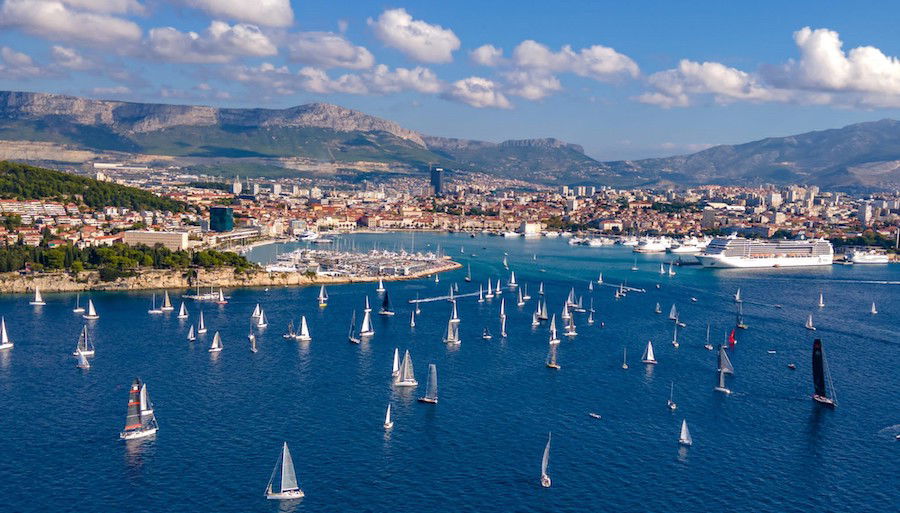
I’d recommend spending your last two days in Split, as there’s so much to do there. You can catch your breath on the first day and enjoy the city’s beaches, then visit Diocletian’s Palace, which was once a 4th-century Roman city, the next day.
Do I need a car for 4 days in Croatia?
No, not if you stay in one region. Buses, ferries, and catamarans connect major cities and islands. A car is helpful for Plitvice, Krka, or rural areas, but not essential for Split, Dubrovnik, or island-based trips.
What is the best base city for a 4-day Croatia trip?
Split is the best all-around base, with nearby islands, beaches, and significant sights. Dubrovnik is ideal for history and scenery. Zadar works well for national parks and a quieter city experience.
Can you visit Plitvice Lakes as a day trip?
Yes. Plitvice can be visited as a day trip from Zagreb, Zadar, or Split. Arrive at opening time in peak season and book time-slot tickets in advance.
Can you still swim in Krka National Park?
Swimming is no longer allowed at Skradinski Buk or most waterfalls. Limited swimming may be permitted only in designated areas, depending on the season and park rules.
How much do the Dubrovnik city walls cost?
As of 2026, the Dubrovnik city walls typically cost around €40 in high season. Prices may be lower outside the summer months.
Is the Dubrovnik Pass worth it?
The Dubrovnik Pass is worth it if you plan to visit museums or use public transport. If you only want to walk the walls, buying a single ticket is usually cheaper.
Is island hopping realistic in 4 days?
Yes, if you choose one island. From Split, Hvar is the easiest option. Brač and Šolta are also good choices. Visiting multiple islands in four days usually feels rushed.
What is the best month to visit Croatia for fewer crowds?
May, June, September, and early October offer warm weather with fewer crowds. July and August are the busiest and hottest months.
How long does it take to travel between major Croatian destinations?
Zagreb to Plitvice: ~2 hours
Plitvice to Zadar: ~1.5 hours
Zadar to Split: ~2.5–3 hours
Split to Dubrovnik: ~4.5 hours by road or 5–6 hours by ferry
What are the must-visit places in Croatia for a 4-day trip?
Top picks include Split, Dubrovnik, Plitvice Lakes National Park, and one island, such as Hvar or Korčula. Focus on one region rather than trying to see everything.
Is it possible to visit both the coast and inland Croatia in four days?
Yes, but only with short distances. Zagreb plus Plitvice or Zadar plus nearby national parks works well. Combining Zagreb, Split, and Dubrovnik in four days is unrealistic.
How many days do you really need in Croatia?
Four days is enough for highlights, but 7–10 days allows for a more relaxed mix of cities, islands, and nature.
Now you are ready to plan your ultimate Croatia itinerary, which includes beautiful views, boat tours, pristine beaches, and, if you arrive outside the summer months, a more relaxed atmosphere.
Thank you for the different itineraries of Croatia!
I’d like to know if any of these are tailored for public transport.
I won’t be driving so it’s imperative that I have information on public transport since I’ll be on a budget 😊
No they are not sorry. We drive or take private transfers for all our trips, sorry.