
You’re trying to determine whether Croatia is expensive. The answer is that it can be.
What was once considered a relatively cheap Mediterranean destination has become more expensive over the last two decades, losing its value-for-money tag.
I have been living in Croatia since 2012, and it has definitely become more expensive since Croatia joined the eurozone. With the currency changeover from the Croatian Kuna to the euro at the beginning of 2023, I have noticed my grocery bill is up 20-40% for the same brands and items.
But if you want to travel to Croatia on a budget, it is doable no matter your travel style. I’ve lived here for over a decade and have some insider knowledge and tips on how to budget and save on your trip.
Read on to discover how to have a fantastic adventure in Croatia without breaking the bank. This guide includes information on what to expect to pay for everything from transport to groceries and accommodation.
Skip Ahead To My Advice Here!
Planning Your Trip To Croatia – So, Is Croatia Expensive To Visit
Yes and no. It’s worth remembering that, like many countries, Croatia has price differences between rural and urban areas. Dubrovnik, for example, is a popular city-break destination, reflected in its prices—in fact, it’s one of the most expensive places in Croatia, with polished hotels and high-end dining to match.
That doesn’t mean you can’t experience places like Split or Dubrovnik on a budget. Compared to other European cities such as London or Paris, Croatia’s big cities are relatively affordable (though it varies by season and neighborhood).
Quick Costs Overview (More Details Below)
| Category | Cost Range (Much Higher in Summer) | Specific Tips for Saving Money |
|---|---|---|
| Accommodation |
|
|
| Transportation |
|
|
| Food |
|
|
| Activities |
|
|
For Your Travel Budget, the Euro Is The Currency In Croatia

As I mentioned earlier, Croatia’s currency is the euro, so I’ll list prices in €.
Right now, the euro-to-USD exchange rate is about 1.16, and the AUD-to-USD rate is about 1.74.
Croatia Trip Cost Guide
Before we dig into whether or not Croatia is, in fact, a budget-friendly destination, I’ll first cover the average costs and general expenses of traveling to this Mediterranean destination.
Costs Of Food And Drink In Croatia
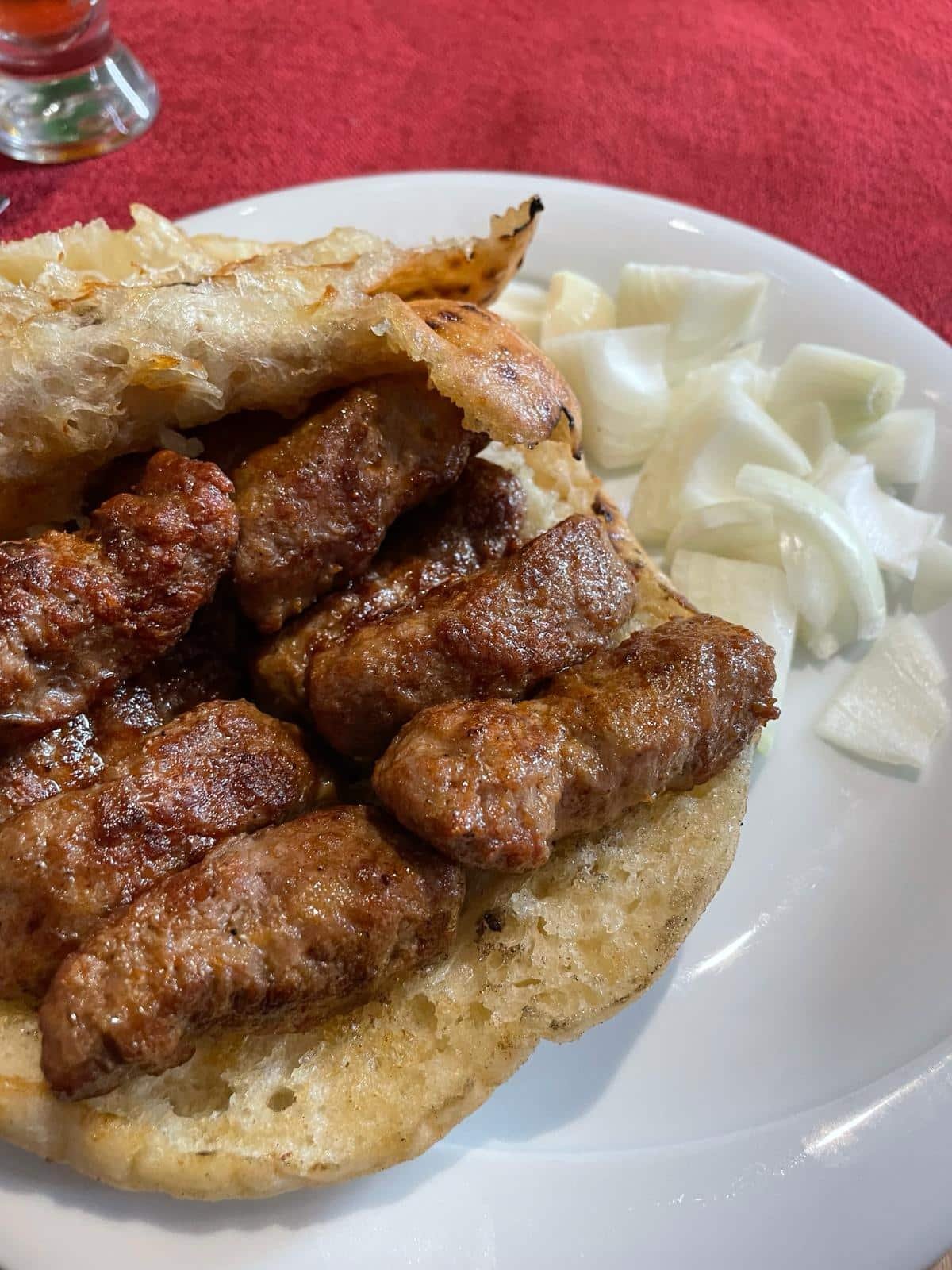
Visiting Croatia offers the chance to dive into the country‘s delicious cuisine. Let’s take a closer look at what you can expect to pay for food in Croatia, from a meal at a restaurant in Dubrovnik to picking up some groceries at a countryside store.
Restaurant Prices
Restaurant prices can vary massively. If you want to, you could splash out on a lavish meal in a city for €120, or you could enjoy a meal in a low-key countryside eatery for €20.
For those on a budget, you may want to consider a konoba. These traditional, usually family-run eateries are a great place not only to try local cuisine but also get a flavor of local life and eat relatively cheaply.
The cost of a meal at a konoba ranges from around €10 at the cheapest end to €30 near major towns and cities. It’s not always the most affordable, but it’s a good experience on a budget.
Fast Food Prices
According to the Big Mac Index, published every year by The Economist, a Big Mac from McDonald’s costs $5.78 (€3.50), which is about 40% less than the price in the USA.
In places such as Dubrovnik, a meal at a Burger King, McDonald’s, or similar establishment will cost you between €6.60 and €10.50.
Grocery Prices
For those traveling on a budget, self-catering accommodation is crucial for keeping costs low.
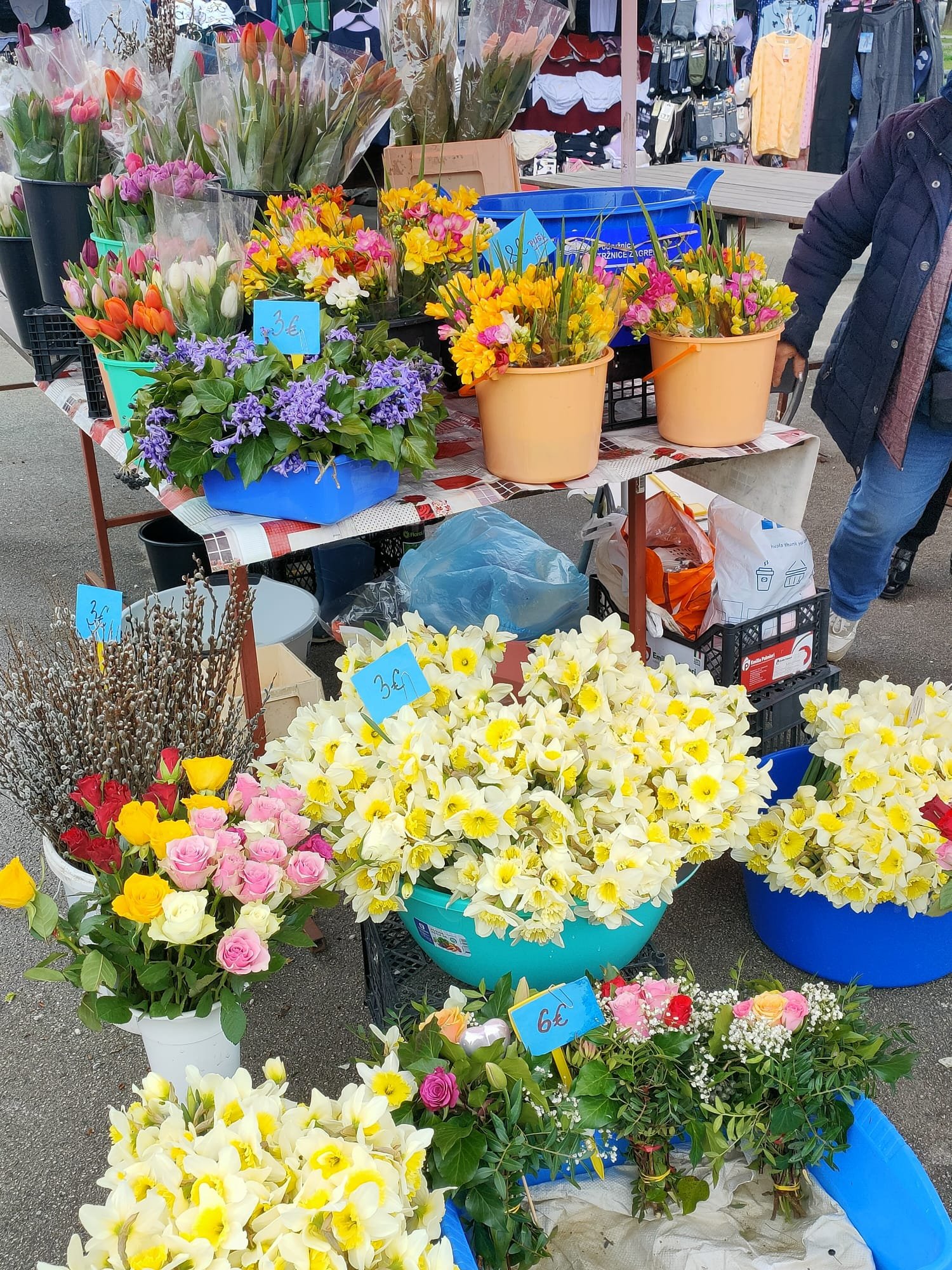
Thankfully, Croatia is a great place to do this. The country has many markets selling fresh, locally grown produce, though prices are higher in tourist-heavy areas and on islands.
There is also a selection of affordable grocery stores that make life even easier.
Konzum is the largest of these, with hundreds of stores nationwide, while Plodine has 140+ locations nationwide.
Here is a list of the approximate prices for fruit and vegetables per kilo from grocery stores in Croatia (prices are lower in large supermarkets and higher in island towns and old town minimarkets):
- A kilo of apples for €1 — 3.10
- A kilo of bananas for €1.20 — 3.10
- A kilo of oranges for €1 — 3
- A kilo of tomatoes for €1 — 3.10
- A kilo of potatoes for €0.60 — 2
- A kilo of onions for €0.70 — 2
- A head of lettuce for €0.60 — 2
- 12 eggs for €2 — 3.70
- A kilo of local cheese can cost anything from €6 to €30
Alcohol Prices
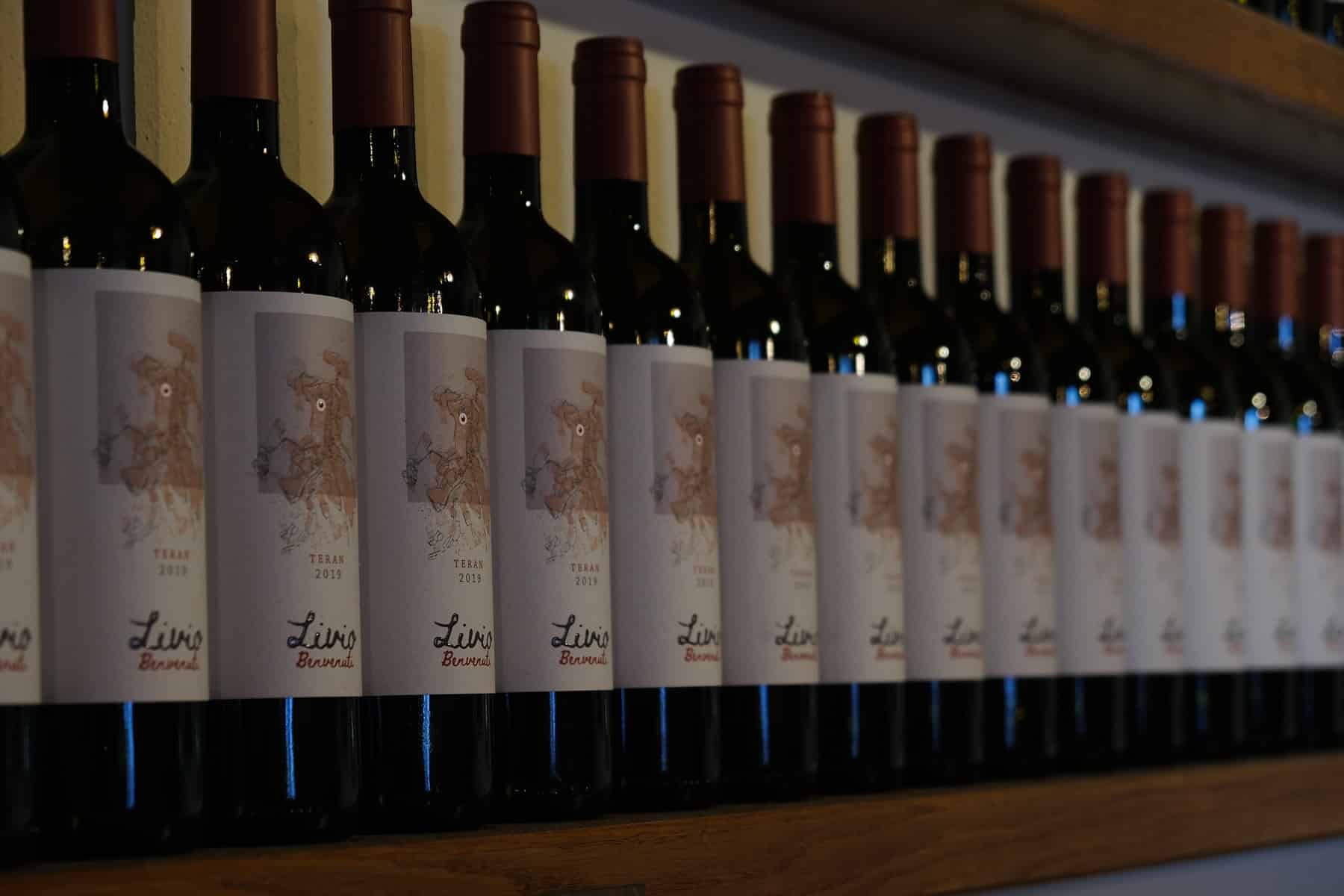
For those of you who like to have a drink or two, you’ll be pleased to know that alcohol prices are relatively affordable in Croatia. Things have become slightly more expensive over the years, and the average cost of a pint of draught beer is €3.20.
A bottle of imported beer will be around €3.50–5 in cafés and bars, but can be €6–8 in nightclubs or beach clubs during peak season.
Of course, this fluctuates depending on the type of bar you’re drinking at and where it is located. For example, Dubrovnik will be more expensive.
If you go to a mid-range restaurant, the price of a glass of wine will be around €6, while a bottle of house wine will cost you upwards of €20. Again, this depends on the restaurant, as some can be cheaper than others.
Alcohol is decidedly cheaper in supermarkets. Here, you can pick up a low-cost bottle of wine for around €5-10.
Transport Costs In Croatia
Thankfully, Croatia offers some pretty reliable public transport for travelers on a budget. Whether you want to get the train along the coast or hop on a bus from one coastal resort to the next, there are plenty of options for you to choose from.
Bus Travel – The Best Way To Save Money On Transportation
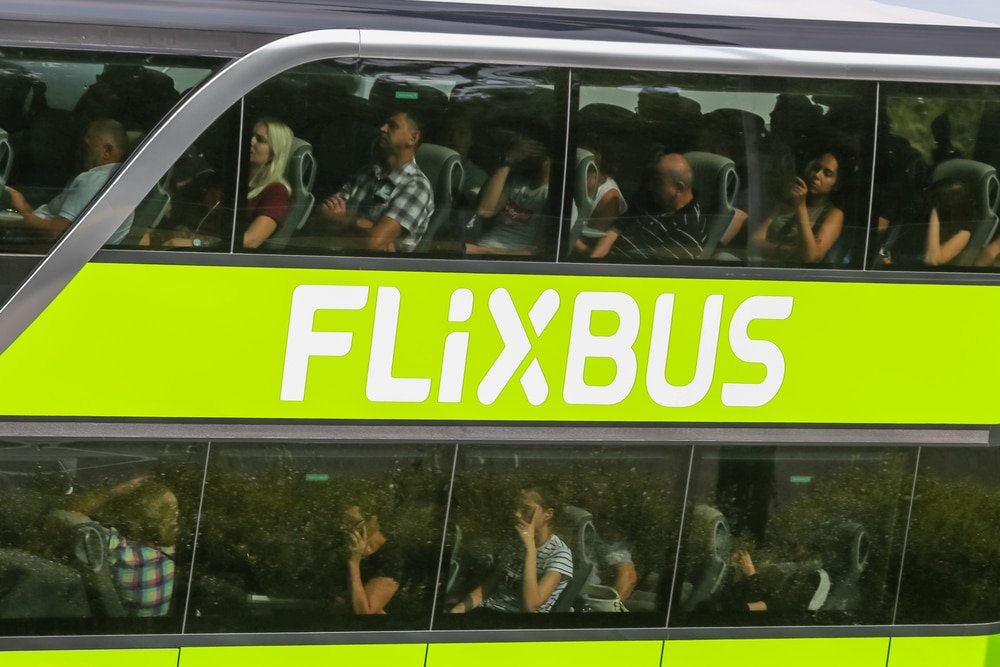
Croatia has a well-connected bus network that is relatively cheap to use. This means if you don’t have the budget to hire a car, you can see most of the country just by taking the bus.
Bus companies run between cities and also serve as public transport within towns and city areas.
Prices can vary depending on the route and the company you use, as several companies run along the same route.
But generally speaking, they’re affordable, with the bus journey between Split and Dubrovnik costing roughly €12–€25 (depending on date/operator).
I really recommend booking ahead, especially in high season. Big companies such as FlixBus, Ariva, and Getbybus can all be booked online in advance — and often at a lower cost than buying the ticket in person at the ticket office the same day.
If you’re traveling with luggage, you may have to pay extra to stow it in the luggage compartment below the bus. Fees typically range from €1 to €3 per item, depending on the operator.
Boat & Ferry Costs In Croatia
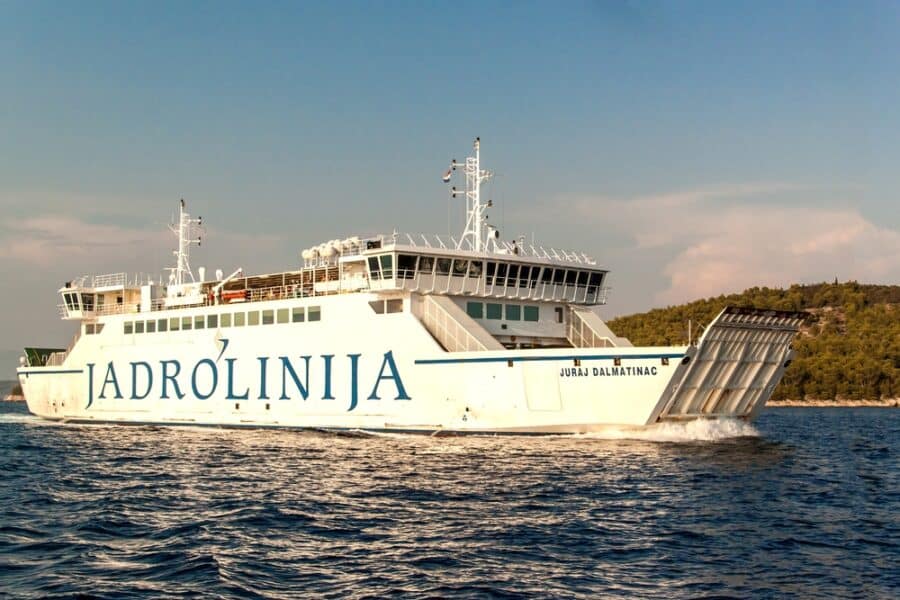
Don’t overlook traveling by boat in Croatia. In fact, with hundreds of islands and coastal destinations to its name, getting around Croatia by boat is sometimes a necessity.
More boats and ferries run in the high season (i.e., summer) than at other times of the year. Ferries are usually car ferries, but you can also use them as foot passengers, while catamarans are generally just for foot passengers.
Tickets can be bought online in advance, which can make things cheaper. But in peak season, getting to the dock early is still a good idea.
In general, ferries are affordable. For example, the trip between Zadar and the island of Ilovik takes 1.5 hours and costs €10-12, while the journey to Unije takes 2.5 hours and costs €12-15.
The lowest prices are in the winter months and the highest in the peak season.
Cost Of Travel In Croatia Via Taxi
When the public transport network doesn’t go somewhere you want to go, or if you want to get somewhere quickly, you have taxis to rely on. Taxis in Croatia come in all shapes and sizes, operated by a number of companies.
You can pick up a taxi fairly easily in towns and cities, while if you’re on an island or a more rural destination, it’s best to arrange one in advance.
You can even use apps like Uber, which is available in many Croatian cities and tourist areas (coverage varies by location/season).
Apart from Uber, taxi fares in Croatia are metered. This differs from city to city.
Taxi pricing varies widely by city and operator, with rates often around €1.50–€2.50 per kilometer; app-based taxis like Uber or Bolt are often cheaper than street taxis.
€1 per kilometer. Don’t forget there’s a standard taxi tariff too, which ranges from around €2 to €5.
Airport Shuttles
Airport shuttles can help to keep costs low if you use them wisely. Some hotels and other accommodation types in Croatia may offer a complimentary shuttle service, which may not just cover the airport but also bus and train stations or even tourist sites such as the beach and Old Town.
Rental Car Prices

Car hire is a great way to explore lesser-known destinations in Croatia. It’s also a good idea to hire a car if you’re traveling in a group, as it helps to keep costs low.
Thankfully, road trips in Croatia don’t usually take very long. For example, between Zagreb and Dubrovnik, it’s around a 6-hour drive.
You can rent a hire car from both local companies and international brands in towns and cities, and around transport hubs.
Car hire prices in Croatia aren’t the same year-round. Prices vary.
Local companies can be cheaper, sometimes as low as €10 per day in the low season for basic manual cars booked early; prices can increase significantly in peak summer.
That said, there are some affordable deals on international brands, such as booking online or as part of a package with your accommodation or flight.
Don’t forget that tolls apply on most motorways (autoceste) in Croatia. An example charge is from Split to Dubrovnik, which costs €6.70, while Zagreb to Dubrovnik (480 kilometers) costs €30 along the highway.
Then you have to factor in the price of gas, too. Petrol prices vary, but are often around €1.35–€1.50 per liter with government price caps sometimes in place.
You should also budget for parking.
Trains
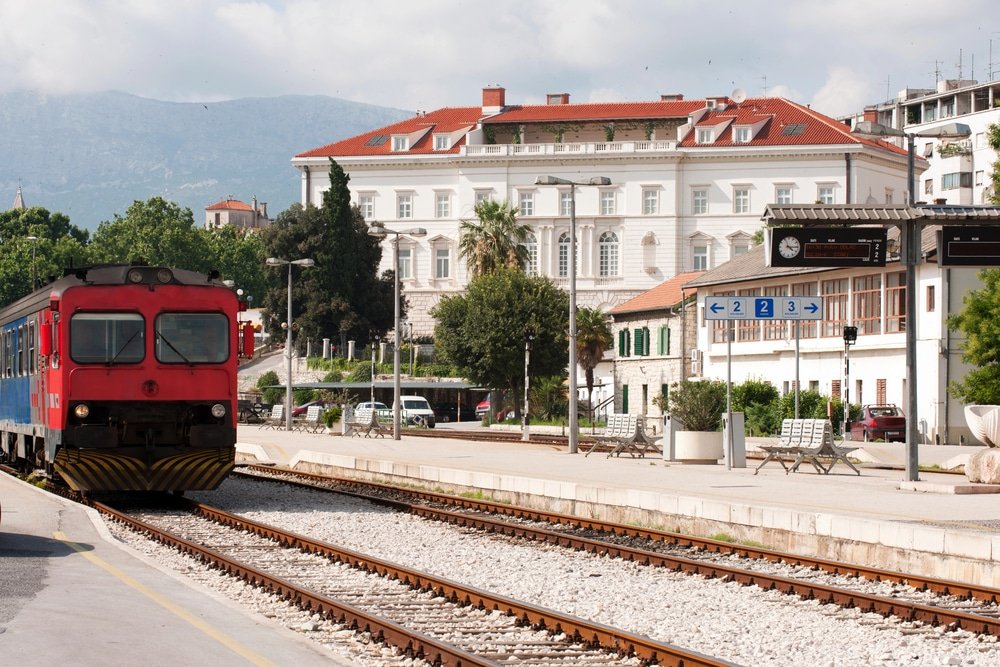
The train network in Croatia is much slower than hopping on a bus. But if you’ve got the time, want a slice of the Croatian countryside, and like the idea of slow travel, then it’s a great way to get around.
Train prices in Croatia vary depending on the type of train you book. There are three types: ICN trains, which run intercity services (the fastest option); fast brzi trains; and putnicki regular passenger trains.
An example journey is from Zagreb to Split, which can cost between €24 and €35 and take 6.5-8.5 hours.
But generally, if you’re wondering if trains were cheap in Croatia, you’ll be happy to know that taking the train is affordable and won’t eat into your budget too much.
Brands We Use And Trust
Accommodation Costs In Croatia
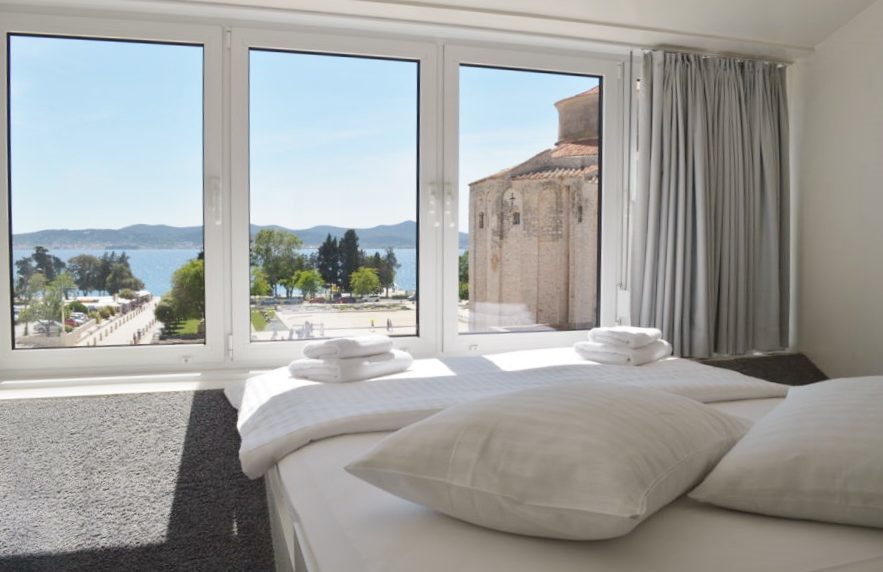
One of the costs that varies the most when traveling in Croatia is accommodation. Places to stay range across the country from basic backpacker accommodation costing as little as €20 per night to high-end resorts charging well over €200 per night.
Hostels in Croatia can work for budget travelers not only because of their low starting prices but also because they sometimes feature kitchens where you can cook your own meals. Some of these are stocked with essential items that are free to use. Some hostels will also provide meals for guests free of charge.
That said, self-catering accommodation can also be very affordable, costing between €20 and €40 per night. For cheap hotels, you can expect to pay around €60-100 per night for a mid-range option in Croatia.
Attractions & Activity Prices In Croatia
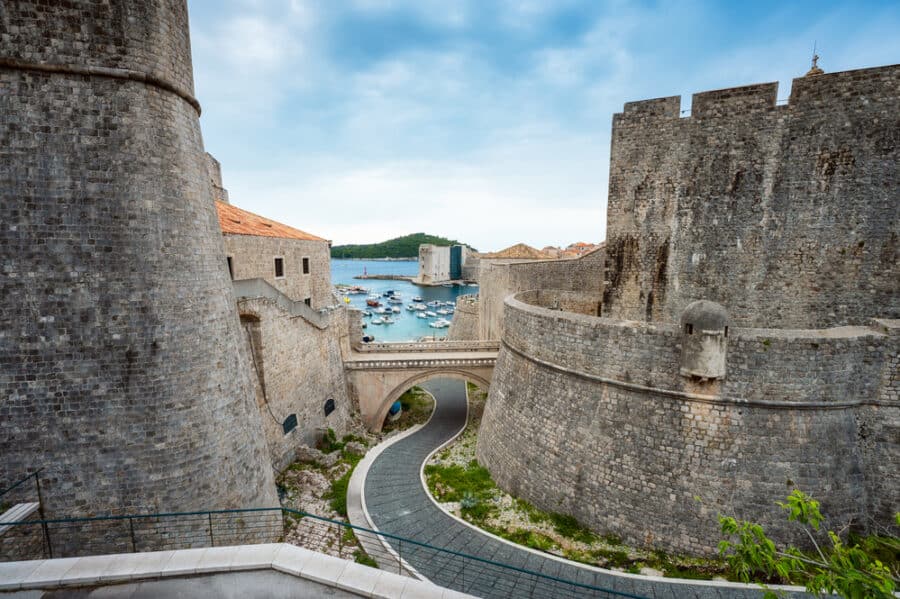
Now that you have a better idea of how much it costs to travel around Croatia, how much accommodation costs in Croatia, and how much it costs to eat in Croatia, it’s time to look at the cost of activities in Croatia.
There’s a lot to do throughout the country, from lounging around at the beach (note that sunbeds typically cost €10–30 per day in popular areas) to exploring islands, old towns, and Roman ruins.
One of the most popular things to do in Croatia is exploring Dubrovnik. Walking the city walls typically costs around €40 per adult (prices can vary by season/ticket type).
However, in Split, the famous Diocletian’s Palace is free to enter, as it makes up a large part of the old town. But it costs €5.50 to visit the palace’s basement.
For those interested in natural sites, there are places like Plitvice Lakes National Park, which charges an entrance fee. For adult day tickets, prices are around €10 in the winter and up to €40 in peak summer (prices vary by date/time).
The cost of tours in Croatia varies depending on the activity. A kayaking tour from Split to explore the Five Islands, for example, costs around €80 per person, while a day tour to Mostar and its famous bridge from Dubrovnik can cost upwards of €90.
How To Save Money In Croatia – Budget Tips
- Accommodation. Go for self-catering options where possible; this means anything from Airbnb and Vrbo to hostels and self-catering apartments on Booking.com
- Use public transport. Having your own wheels might be fun, or hopping on a tour might make things easier, but if you’re on a budget, do as the locals do and hop on a bus, train, or ferry.
- Eating on a budget. Head to local eateries like konoba; it is here that you’ll find the best value for money, and shop at supermarkets for local produce you can cook yourself.f
- Book in advance. Whether it’s accommodation, a hire car, or public transport, booking in advance usually means a better deal. All.
- Financial tips. Use payment services like Revolut for better exchange rates and always pay in euros to avoid dynamic currency conversion fees.
Eating Out In Croatia On A Budget
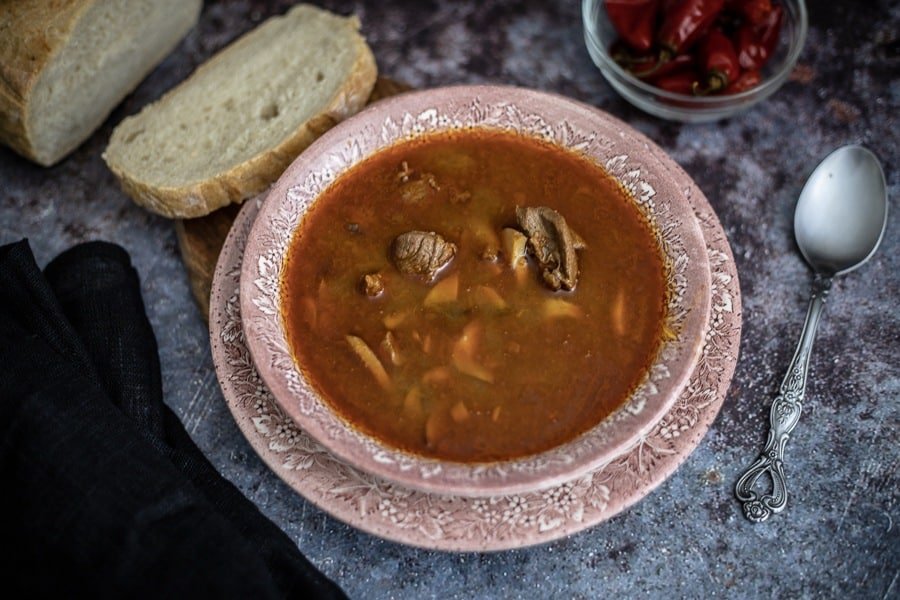
Whether you’re in a city or the countryside, it’s possible to eat on a budget in Croatia. There are plenty of food options out there, from traditional Croatian food to modern and fast food.
As I said before, you should seek out a konoba for a local, less-touristy experience that is also relatively wallet-friendly — around €10-15 for a meal – while others are more upscale and priced accordingly.
Some restaurants you may want to seek out during your trip to Croatia include:
- Kantun Paulina, Split
- Konoba Tabak, Dubrovnik
- Heritage, Zagreb
- Šperun eat and drink buffet, Split
- Curry Bowl, Zagreb
- ŠtoRiJa, Rijeka
But if you want to stick to the bare minimum on budget, head to local supermarkets. Here, you can buy food like cheese, bread, salad, and drinks at a fraction of the price it would cost to eat out.
Making your own sandwiches for lunch will allow you to save on your travel budget while still allowing you to eat out in the evenings if you want to—but if your accommodation has a kitchen, you can cook something for dinner.
Accommodation In Croatia On A Budget
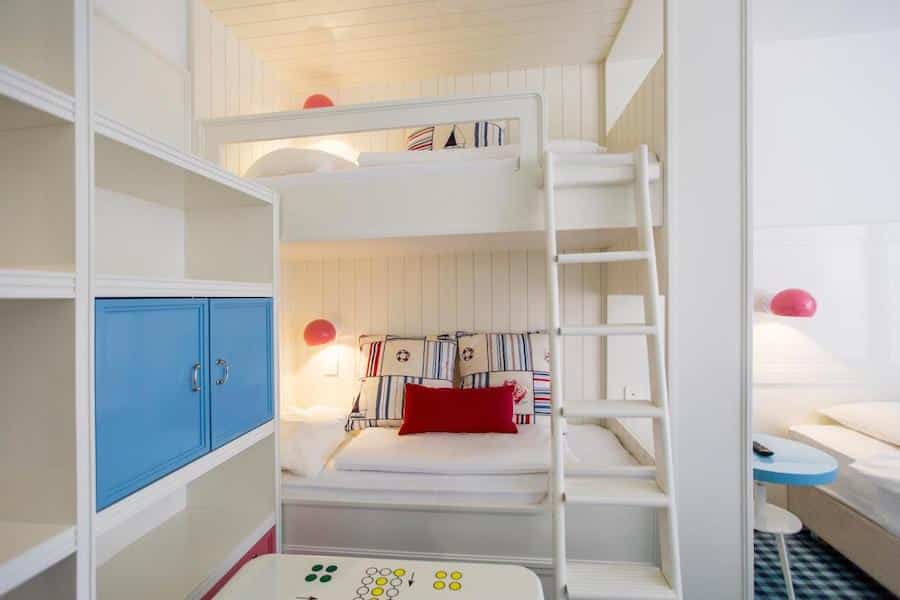
If you’re traveling on a budget, you won’t need to worry about accommodation in Croatia. There are plenty of budget-friendly options throughout the country, even in the major cities and towns.
Although accommodation in popular tourist destinations is more expensive than in lesser-known towns and cities, there is a good range of affordable options.
A good tip for finding cheap accommodation is to search on Booking.com, Google Maps, and TripAdvisor. Try to be flexible with your dates, too, as peak season and weekends are usually more expensive.
According to online reviews, the most affordable places to stay in Croatia are:
You can click the name of the hotel and look up your dates to see:
- Hotel A’mare
- Hotel Elu Iris
- Bed & Breakfast Donji Grad
- Hotel Saint Hildegard
- Hotel Miramare
- Elena’s Rooms & Apartment
- Zrinka House
- Stay Swanky Hostel
- Valamar Tirena Hotel
- Hotel Splendid
Hotel prices in Croatia vary depending on the time of year you travel and where you are in the country.
You can find low-cost hostels and family-run inns for as low as €20 per night, but prices can soar to well over €500 if you want to splurge and stay in a luxury hotel resort.
Even the most basic places can hike their prices in peak season, especially Airbnb’s in popular cities like Dubrovnik. Prices can fluctuate wildly in the same area, from €50 to €1000 per night!
Parking In Croatia On A Budget
If you’re driving a rental car in Croatia, factoring in parking costs is crucial. In cities, especially, you should note that parking can not only be tricky to find (especially in high season) but also quite expensive.
Dubrovnik is pretty expensive. Parking in the Old Town can cost up to €11, but Dubrovnik City Parking (near the Old Town) charges €30 per day or €3 per hour.
It’s a similar situation in Split, which has several parking options, including Split City Parking, which costs €25 per day or €2 per hour.
In the capital city of Zagreb, parking is quite limited, with a maximum stay of two hours. For instance, parking in the city center (Zone 1) costs €1.60 per hour, and the maximum stay is only 2 hours.
Parking is cheaper in national parks. At Plitvice Lakes National Park, for example, it costs €1 per hour to park a car; for a motorbike, it’s free!
A good idea is to check Google Maps before any journey for parking options, and read reviews to see if they fit your budget — some will even be free. Planning can make all the difference.
What To Budget For A Month In Croatia
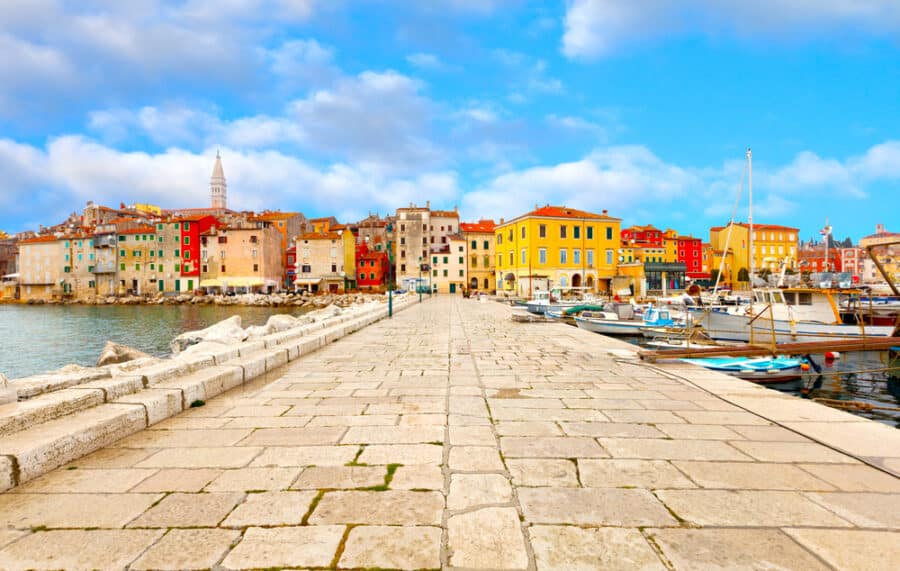
Your ideal budget for a month in Croatia will depend heavily on the type of trip you want to take and how you travel. Based on the average costs in this Croatia trip cost guide, a budget of €100 – €150 a day should be enough for a budget-conscious trip.
If you really want to travel on a shoestring budget, you could make your money go even further. Staying in hostel dorms, traveling out of peak season, booking ahead, and cooking your own meals means you could budget €50 a day.
On the other hand, if you’re planning to travel to Croatia and want to eat out all the time, visit all the top attractions, and stay in more fancy accommodations, you should budget around €150-200 per day.
If you’re planning to travel around the country and not just stay in one place, remember to set aside money in your daily budget for public transport or a hire car.
Average Total Croatia Trip Cost
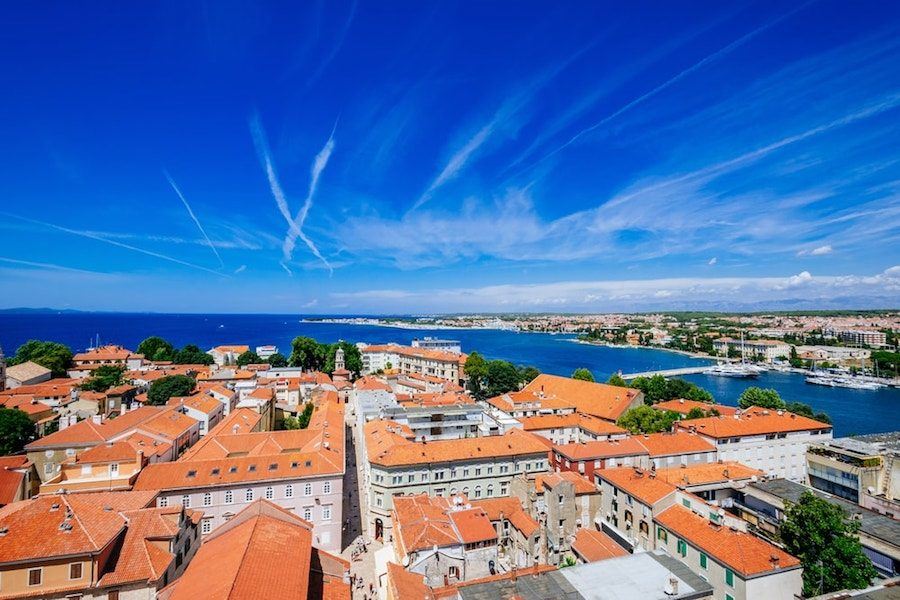
On average, a seven-day trip to Croatia can cost between €700 and €1,400. There will always be unexpected costs along the way, like an unplanned trip to an island, buying souvenirs, or adding new destinations to your itinerary.
Is Croatia Travel Expensive FAQs
Is Croatia worth visiting on a European road trip?
Yes, absolutely! Croatia is one place in the Balkans worth visiting on a road trip if you’re already driving around Europe. The country’s roads are well-maintained, distances are never too long, and there’s some incredible scenery to soak up along the way.
Is Croatia expensive?
Though it’s gotten more expensive over the years, Croatia isn’t what we would call an expensive country. There are ways to make it more expensive if you feel like being fancy, but in general, it’s easy to be budget-friendly here.
Is Croatia expensive for tourists?
It can be — especially if you’re going in peak season. Skipping the high season (generally June to August) is a good idea if you’re worried about spending too much money. The shoulder seasons (April-May and September-October) feature cheaper accommodations, fewer crowds, and good weather.
Is Croatia more expensive than Italy?
Compared to Italy, Croatia is still much cheaper for food, transport, accommodation, and activities. Even though Croatia is getting more expensive, it’s still about 20% more affordable to do the same things there.
Are food and drink in Croatia expensive?
Even in Dubrovnik, food prices are usually quite affordable. In its major towns and cities, it’s much easier to find a cheap yet delicious meal than in London, Paris, or Rome, for example.
How much is a cup of coffee in Croatia?
For coffee lovers, the average price for a cup of coffee in a Croatian city like Dubrovnik is between €3 and €5, depending on the location and type of café; in less touristy towns, coffee is often €1.80–€2.50.
The more touristy places tend to be more expensive. It’s possible to find a cup of coffee for less than €2; however, it’s not likely to find one for less than €2.
How much is a meal in Croatia?
The price of meals in Croatia varies by establishment. In Dubrovnik, for example, a meal in the Old Town costs between €20 and € 30 per person. But you can find menus with dishes priced at €10-15. Even fast-food joints can be a good option (between €5 and € 6).
How much is beer in Croatia?
The price of beer varies. It is dependent mainly on the type of beer you drink and the location. In a bar, a pint of domestic beer will cost you around €3.20, while a bottle of imported beer is around €3.50. It’s always cheaper to buy beer in the supermarket, where a 0.5-liter bottle of domestic beer can cost around €1.30.
How much is wine in Croatia?
Again, it varies, but it’s generally more expensive if you’re going to have a glass of wine (or a bottle) at a restaurant or a bar. In a restaurant, a glass of wine is around €6, while a bottle is €20 or more. Supermarkets are cheaper: you’ll find a good bottle of wine if you spend between €5 and €10 in supermarkets in Croatia.
Where can I find an affordable restaurant in Croatia?
The number one rule is to avoid tourist traps. Prices are usually higher for food that’s not as delicious. Go where the locals go, and do a bit of research beforehand — reviews on Google Maps can reveal some really great hidden gems.
How to get around Croatia at an affordable price?
The cheapest way to get around Dubrovnik is by bus, with tickets priced from €2 to €2.50. If your hotel is near the city center, you can take a taxi to the major attractions, which are nearby.
Is driving a car expensive in Croatia?
Driving a car in Croatia is relatively affordable, especially when compared to other European countries.
Is accommodation in Croatia expensive?
The price of accommodation in Croatia depends on several factors. You can expect to pay more at the peak of the summer for accommodation located in the best areas. You should expect to pay anything between €25 and €50 per night for budget lodging and upwards of €300 for a luxury stay.
How much money do I need to spend in Croatia?
There are many factors to consider when planning your Croatia budget. If you want to enjoy yourself without worrying about money the whole time, €50-€100 a day is a good idea.
Move This Adventure To Your Inbox & Get An Instant Freebie

No spam. Unsubscribe at any time.
Things To Do In Croatia
Oh man, there are so many popular tourist destinations in Croatia, and I have hundreds of guides on how to spend your time in Croatia. That said, here is a snapshot for first-time travelers:
Visit Dubrovnik
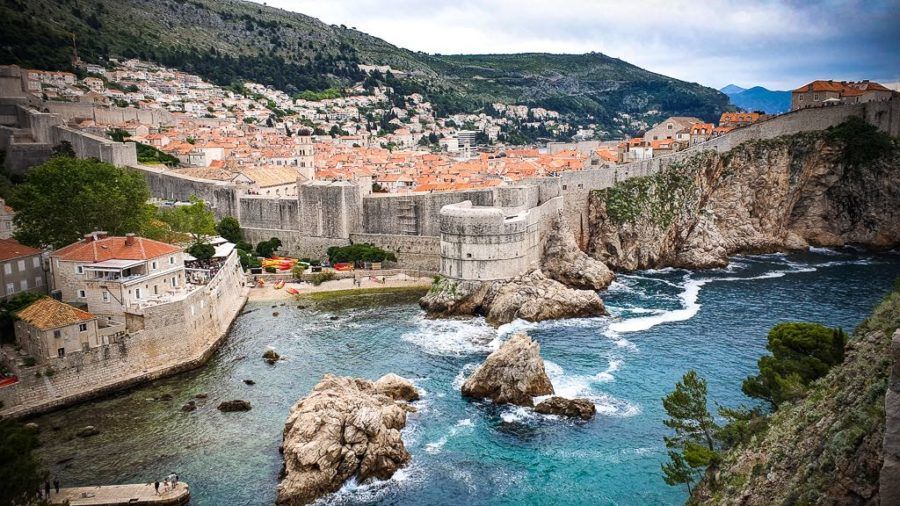
Dubrovnik has a wealth of sights and history to explore. There’s the Old Town, Mount Srd and its cable car, Lokrum Island, and those famous walls (not to mention all the Game of Thrones locations scattered around).
Head To National Parks
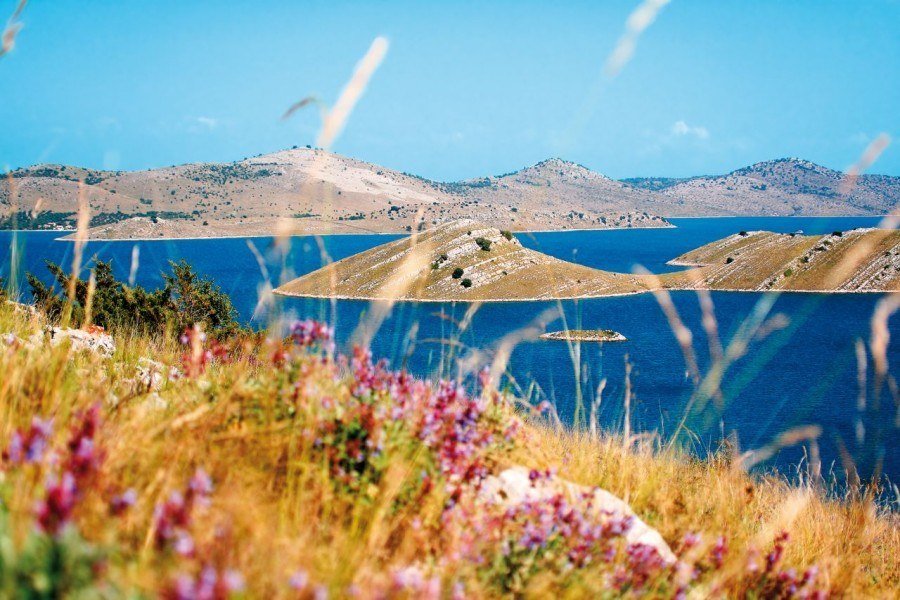
Croatia has no shortage of natural beauty, as you can see by visiting one of its several national parks. Plitvice Lakes National Park, a UNESCO-recognized nature reserve, covers 30,000 hectares and is the oldest in the country. There’s also Krka National Park, famous for its waterfalls, traditional watermills, and old monasteries.
Hit The Beach
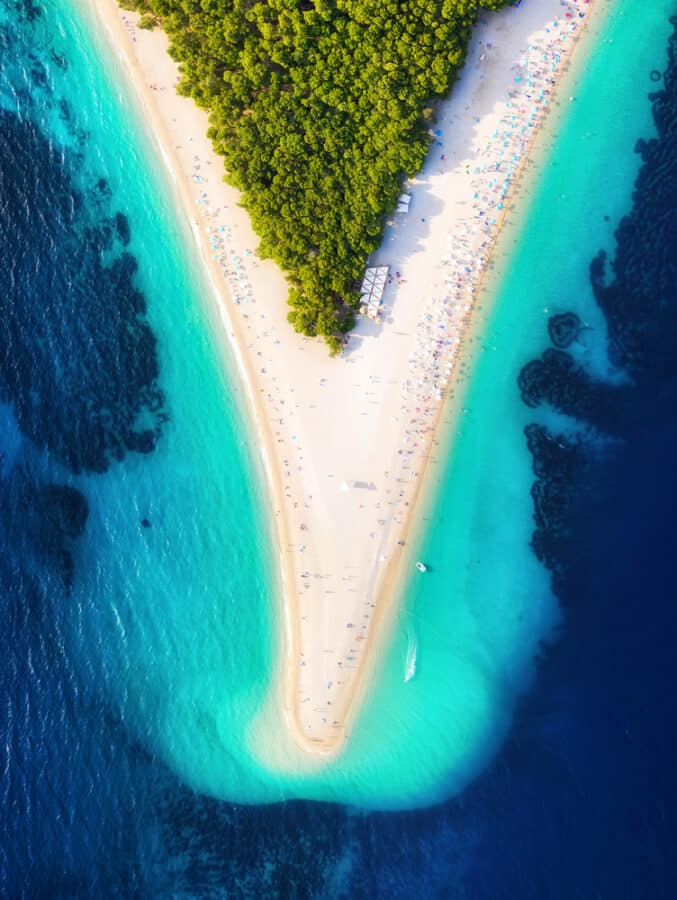
Many of Croatia’s public beaches are free to visit and are absolutely dreamy. Zlatni Rat (Golden Horn), near Bol on Brač island, is one of the nation’s most iconic stretches of sand and sea.
Split
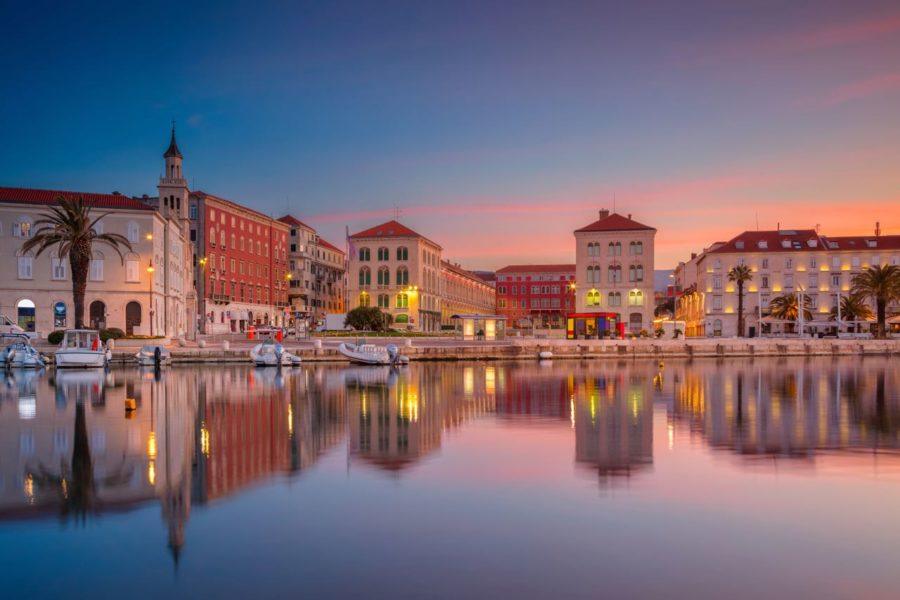
Hugging the Adriatic Sea, Croatia’s second-largest city boasts a whole host of history to explore — don’t miss its ancient Roman ruins like Diocletian’s Palace and the Temple of Jupiter or Split’s beautiful cathedral.
Living In Croatia
If you’re thinking about moving to Croatia, you must read my guides! After more than 10 years living as an expat in Croatia, I have shared what I have learned.
It’s not hard to fall in love with Croatia, especially if you are like me and live on the stunning Adriatic Sea. But this pros and cons list, along with other detailed information, will help you decide whether living in Croatia is right for you.
Before you choose to live in Croatia, please read them here.
Final Word On Is Croatia Cheap
Alright, so let’s wrap up the big question: Is Croatia cheap? If you’ve been following my guide to Croatia, you know I’ve been diving into all the costs here since I live in this absolutely stunning country. And let me tell you, planning a visit to Croatia brings up that age-old question: Is it going to make my wallet cry? Well, it’s kind of like asking if pizza is better than pasta—it really depends, right?
Croatia is this beautiful mix of experiences. You can find spots that are super kind to your budget, and others where you might feel like you’re spending more than expected. Living here, I’ve seen both sides of the coin.
I hope you now have a better understanding of what to expect in terms of costs for your trip to Croatia. Overall, I believe that the answer to the question “Is Croatia expensive?” is no. It’s a fantastic place to enjoy for a whole host of travelers with all kinds of budgets.
From breathtaking beaches to those cozy little cafés that make you want to stay forever, Croatia’s got it all. So, is Croatia expensive? It can be, but with a bit of insider know-how, you can absolutely make the most of this gorgeous country without breaking the bank. Trust me, it’s worth every euro!
- Best Events & Festivals In Croatia
- Is Croatia Safe To Travel?
- Places In Croatia To Visit For Couples
- Guide To Hiking In Croatia
- Croatia Island Hopping Itineraries
- 2 Weeks In Croatia Itinerary
- Things To Know Before Visiting Dubrovnik
- How To Travel With A Dog In Croatia
- When Is The Best Time To Visit Croatia
- How To Plan A Bachelorette/Hen Party In Split
- Cycling In Zadar: Guide To Biking Ugljan & Pasman
It is unfortunate that Croatia has become even more expensive than 2023.
This year in early June at Venogradice Bay they wanted to charge 120 euro for a mooring buoy for 1 day nearly double the price of 2023
Wish they could focus more on long term repeat tourists like Greece has and keep prices reasonable.
We love Croatia and have been sailing from Split for the past 7 years, it’s a beautiful country .
Yes, I am sorry. Many of us locals feel the same way.