

Planning a 2-week Croatia itinerary can feel overwhelming, but it’s one of the easiest countries in Europe to explore deeply in a short time. Croatia combines compact distances with dramatic variety: historic cities, national parks, islands, wine regions, and coastlines all fit comfortably into a 14-day trip.
Based on more than 20 years of on-the-ground travel throughout Croatia—from Zagreb and Slavonia to Dalmatia and the islands—this guide lays out two realistic, well-paced itineraries that prioritize seasonal conditions, driving times, and real-world travel logistics.
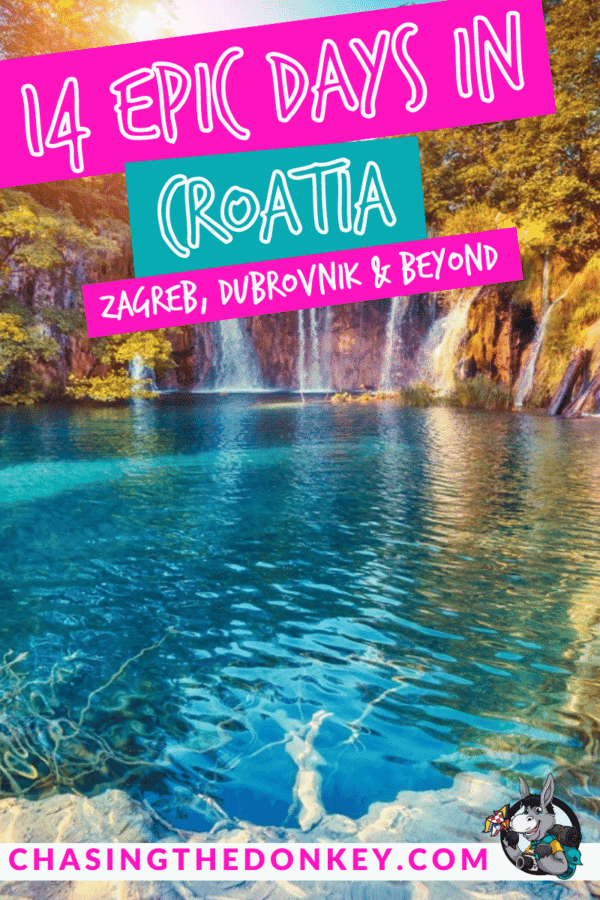
To some, Croatia might seem like a relatively small country. However, this area is rich in culture, history, and natural beauty.
From the Slavonic plains, over the hills of Zagorje and the Dinarid mountains, all the way to the crystal-clear Adriatic Sea and its rugged coastline – Croatia is the perfect destination for a trip of any length. However, it’s small enough to cover much of it in 14 days.
There are multiple routes you can take through Croatia in two weeks, depending on your preferences. Roughly speaking, you could divide Croatia into a continental and a Mediterranean part. Below is a quick overview to help you choose the route that best fits your travel style.
Skip Ahead To My Advice Here!
Croatia In 14 Days: Route Overview At A Glance
| Region | Best For | Ideal Transport |
|---|---|---|
| Zagreb & Central Croatia | Culture, museums, food, festivals | Train, bus, car |
| Plitvice & National Parks | Nature, waterfalls, hiking | Car, organized tours |
| Dalmatian Coast | Historic cities, beaches, and islands | Bus, ferry, car |
| Inland & Slavonia | Wetlands, castles, wildlife | Car |
2-Week Croatia Itinerary: Classic First-Time Route
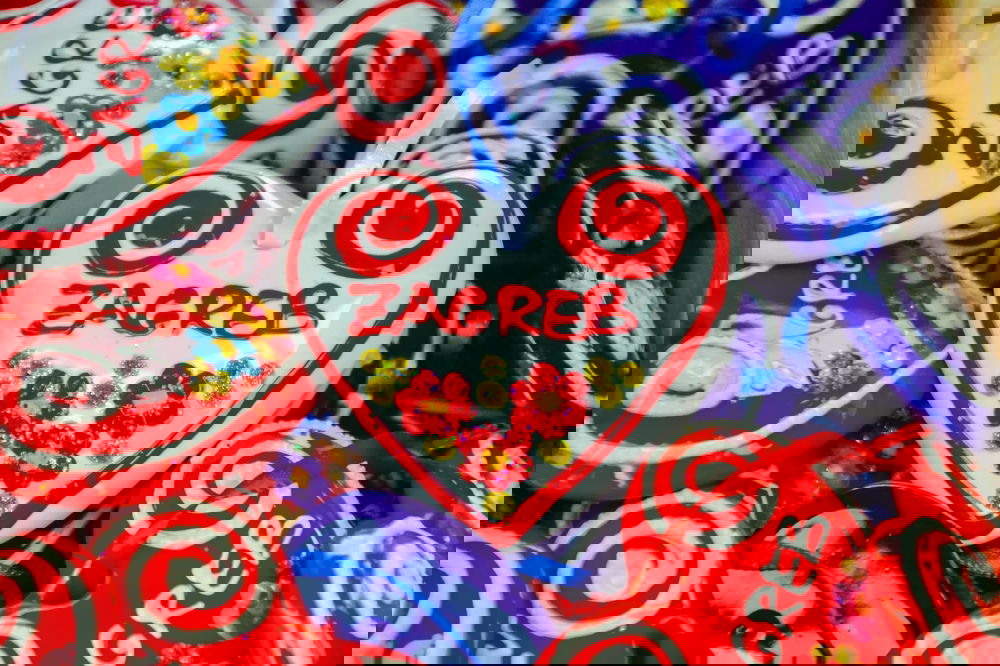
Although Croatia has much to offer and no place is less valuable than others, there are some places you should definitely visit if you want the true experience.
Zagreb
First of all, you should start in Zagreb. The city center has a rich cultural life. There is always some festival, whether a movie, food, or music festival.
Zagreb also has a rich nightlife, and everyone will find something for themselves. There are many parks where you can rest from the urban lifestyle, as well as fascinating museums, such as the Museum of Broken Relationships, and traditional ones, like the Archaeological Museum.
Plitvice Lakes National Park
Once you’ve explored Zagreb, you can continue to one of the most popular destinations in Croatia – the Plitvice National Park, a UNESCO World Heritage Site.

Thousands of people visit Plitvice every year; although it gets crowded, it’s worth it. Beautiful waterfalls and rivers, immersed in the forest, offer a memorable experience you shouldn’t miss.
Pula
From Plitvice, you should continue to the coast. The first stop is Pula on the Istrian Peninsula. These destinations won’t be included in the second itinerary.
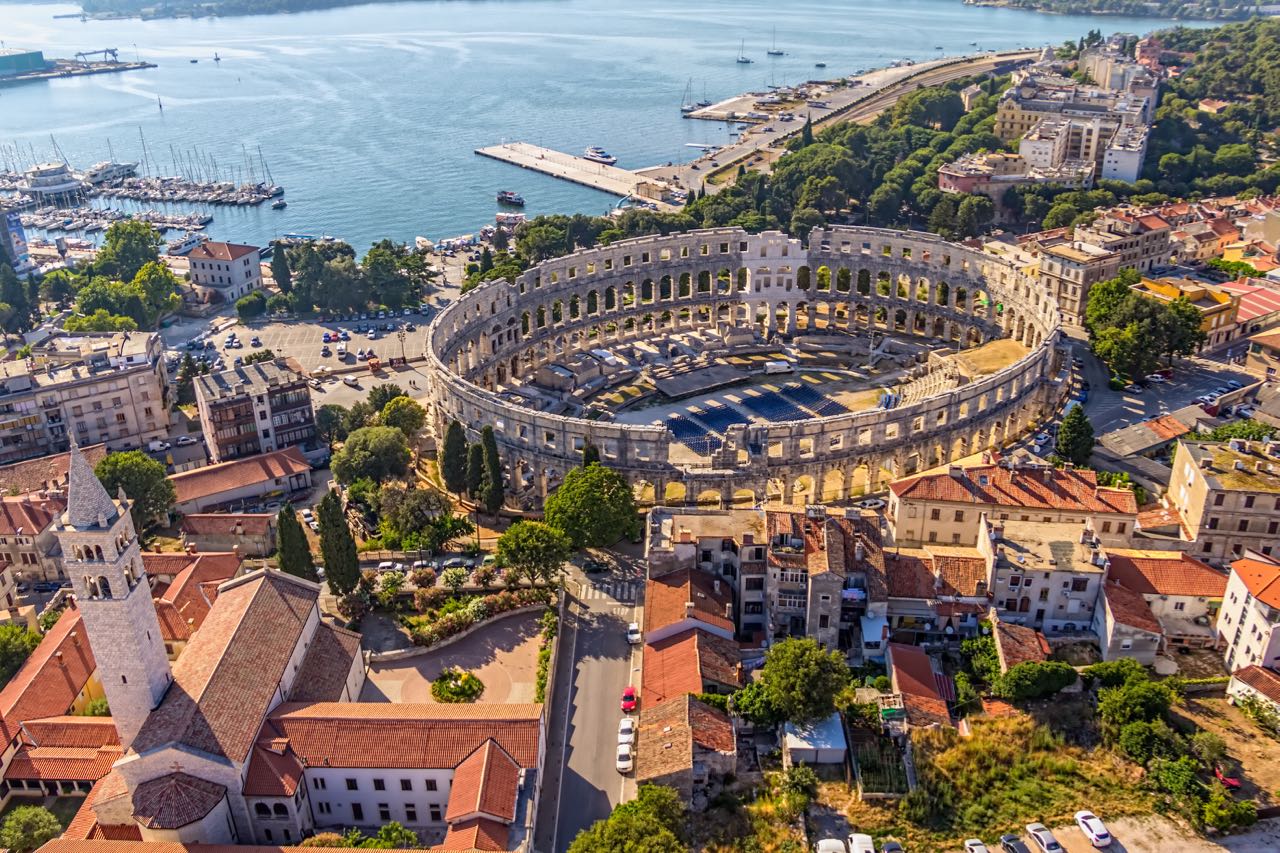
This municipality is famous for great wine, tasty food, and internationally acclaimed olive oil. Here’s where you’ll discover authentic Mediterranean cuisine. Visit the ancient amphitheater of Pula and discover charming villages throughout Istria – make sure to stop in local taverns and enjoy.
Dalmatian Coast
After Pula, it’s the best time to head to the Dalmatian Coast, to which the majority of the Croatian coast belongs. The first city in Dalmatia should be Šibenik with its beautiful archipelago.
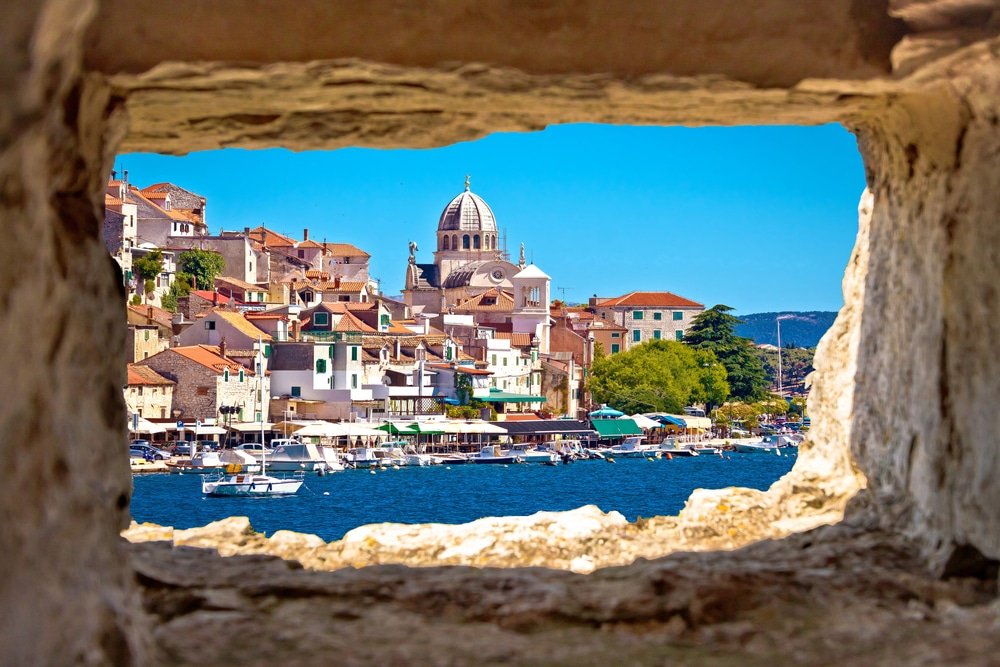
This city is famous for its fortification system and offers beautiful viewpoints. You can discover various architectural styles from its rich history. When in Šibenik, make sure to visit some of the nearby islands, such as Zlarin or Murter. If you’d like to explore the Great Outdoors, nature lovers should make sure to visit Krka National Park, which you can reach by boat, car, or bus.
Split
Another Dalmatian city you can’t skip is Split. Home to Diocletian’s Palace, it’s filled with Roman ruins and architecture.
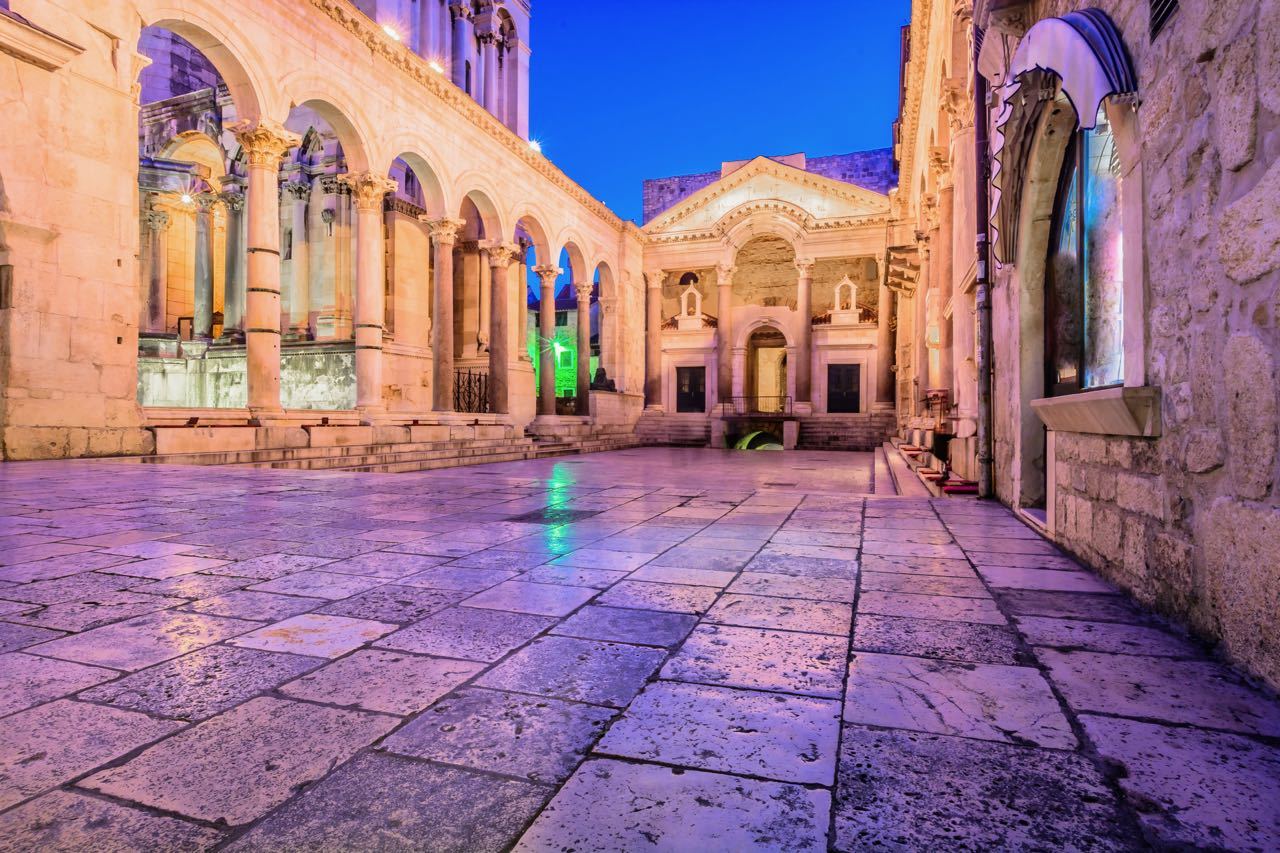
Not only are there incredible historical and cultural sights in Split, but the nature surrounding it is also unique. Make a one-day trip to the river Cetina in Omiš or visit the Mosor Observatory in the hinterland of Split. You’ll feel like you’ve traveled in time to ancient Rome.
Dubrovnik
From Split, you can travel to Dubrovnik, undoubtedly a popular spot in Croatia. You might even recognize it from famous TV shows and movies – like Game of Thrones. If you are a GoT fan, then you can do a group tour of the filming locations.
Dubrovnik is exceptionally popular due to its beautiful old town. Every Croatia road trip itinerary list has at least one day in Dubrovnik; here is why.
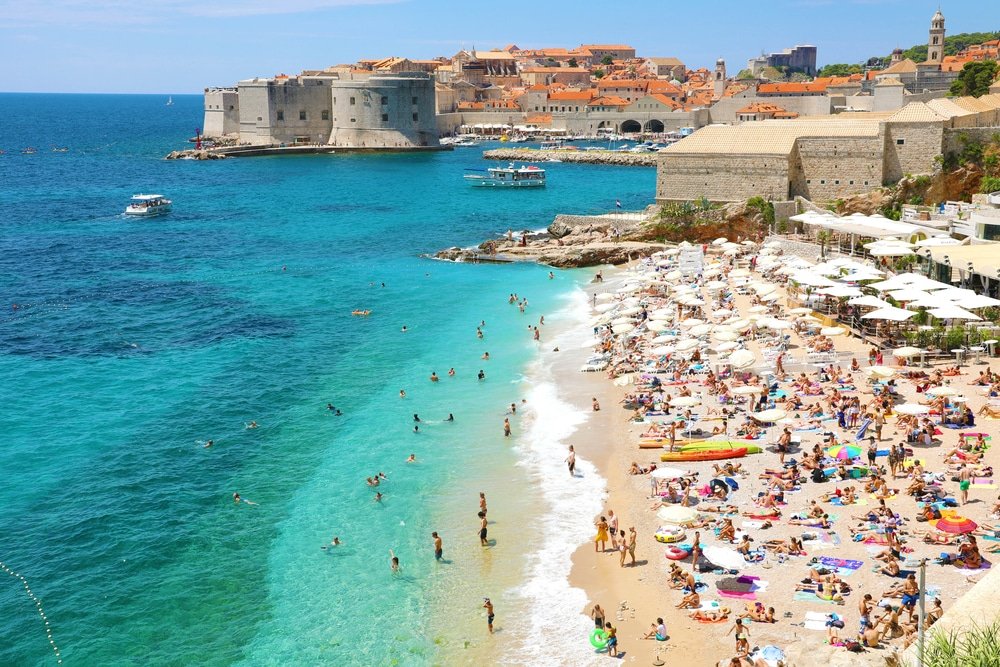
Don’t miss out on this walled city, its beautiful beaches, and crystal-clear sea in this region, and discover smaller neighboring towns on your way from one larger destination to another. Dubrovnik has an airport, so you can fly back home without going through Zagreb.
In short, this is what your 14-day Croatia travel itinerary could look like:
- Day 1-3: Zagreb
- Day 4: Plitvice Lakes
- Days 5 and 6: Pula and Istria
- Day 7-9: Šibenik
- Day 10-12: Split
- Days 13 and 14: Dubrovnik
Brands We Use And Trust
14-Day Croatia Itinerary: Inland And Continental Route
Croatia is known for its coastal cities and the Adriatic Sea, but you could plan a 2-week road trip through Croatia and discover many other highlights as well.
This area of Croatia has a wide range of terrain, from plains and hills to the Dinaric Mountains. The main characteristic of its geology is karst, which is good news for those who enjoy cave tourism and speleology.
This alternative summary of your 2 weeks in Croatia can look something like this:
- Day 1-3: Zagreb
- Day 4-5: Zagorje (and castles)
- Day 6: Rastoke
- Days 7 and 8: Lonja field
- Days 9 and 10: Kopački rit
- Days 11 and 12: Risnjak
- Day 13: Plitvice Lakes
- Day 14: Zagreb
There are great hiking destinations throughout Croatia, as well as amazing national and nature parks. One worth mentioning is Lonjsko Polje Nature Park. It is one of the largest protected wetland areas in the Danube basin and has much to offer. Visiting is best by bicycle so you can follow the river Lonja.
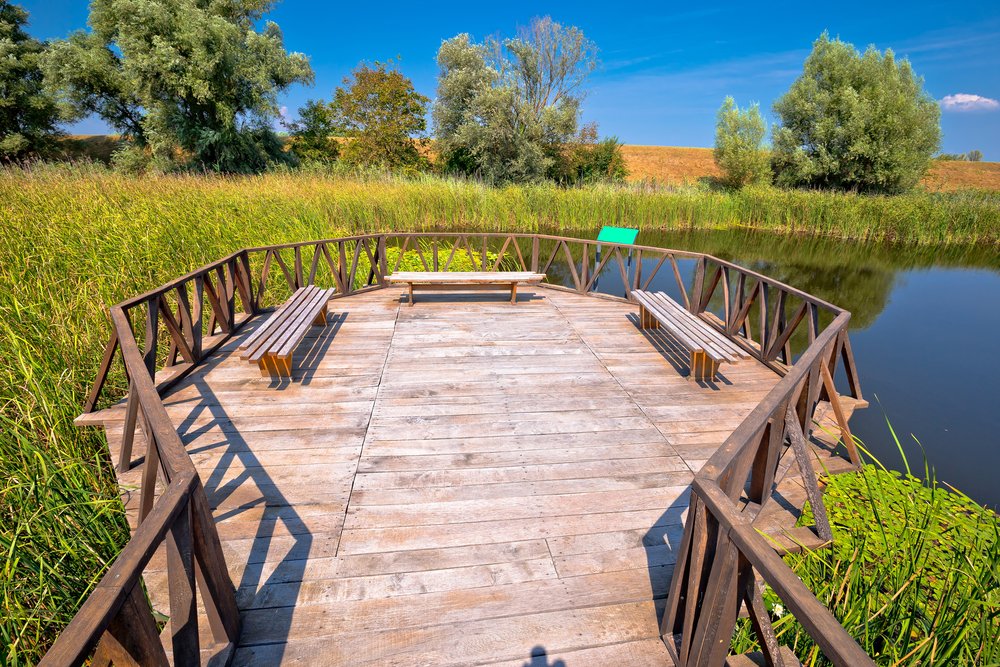
Another nature park you should add to your 2-week Croatia itinerary is Kopački Rit Nature Park, a complex of ponds and lakes in eastern Croatia. It’s filled with interesting flora and fauna, so you’ll meet some wild animals. One part of it is a designated zoological reserve with high animal diversity.
Continental Croatia has many castles from various periods of history, and any one of them will amaze you. One of the most popular is Trakošćan Castle, but there are many lesser-visited ones across the mainland.
If you’d like to discover some freshwater habitats, Rastoke is the perfect place. It’s not so crowded, and you’ll enjoy several crystal-clear streams, small waterfalls, and rivers.
Moving away from the plains and into hiking areas, we can’t forget Risnjak, a national park with great hiking trails and amazing wildlife. It’s one of the beloved destinations for locals, so you can get an authentic experience.
Some other hiking destinations include various hills all over Zagorje, a region near the central city of Zagreb.
Its main characteristics are numerous hills and forests, making anyone fall in love with inland Croatia. This part of Croatia is known for its great continental food and wine. The people are cheerful and friendly, so you’re bound to fall in love with it. As mentioned earlier, many of the castles are located in Zagorje.
For great music and food festivals, visit Karlovac, known as the city on four rivers. You can travel to it by train from Zagreb, and there you’ll discover many historical monuments and a modern aquarium, one of the largest freshwater aquariums in Europe.
How To Get To Croatia From Europe And Beyond
There are various options for traveling to Croatia. The first one is by plane – there are nine different airports. The busiest airport is Zagreb Airport (Franjo Tuđman Airport).
This is the best choice for those traveling to continental Croatia or visiting Zagreb, Croatia’s largest city. This will also be the starting point for our “must-see tour. “The good news is that the cheapest plane option, Ryanair, flies to this airport.
The highways leading to Croatia are in good condition, so that a road trip will be a comfortable ride. Those who prefer road trips can get to Zagreb by bus. It’s well-connected to many European countries.
Another option for traveling to Croatia is by train. This means a longer ride but also a picturesque one. If you prefer the comfort of train travel, you can incorporate Croatia into cheaper train arrangements such as Interrail.
Finally, you can always travel by car. A rental car is the easiest way to reach less popular places in Croatia and small coastal towns. Since this country has a lot of natural beauty that you can’t reach by bus, a car is your best option if you’d like to explore Croatia. Plus, buses get so packed in the high season!
Croatia is part of the Schengen Area, and border controls are no longer in place at land borders with other Schengen countries.
Ferry Travel In Croatia: What To Know
Exploring Croatia by ferry is like unlocking a secret level in a video game – it’s an adventure that shows you a side of the country many miss. First things first, ferries in Croatia are a lifeline, connecting numerous islands with the mainland.
You’ll find a range of options, from high-speed catamarans to traditional ferries. High-speed ones are great for quick hops, but remember, they’re not fans of rough weather and can get canceled. Traditional ferries are slower but steadier, and they can carry cars – a plus if you’re on a road trip.
Booking tickets is usually straightforward. In peak season, though, book in advance to avoid the last-minute rush. Also, ferry schedules can be quirky, especially on less popular routes, so always double-check timings.
Onboard, expect basic amenities. We’re talking snack bars, seating areas, and sometimes, outdoor decks. Don’t expect luxury, but hey, the views are priceless!
A pro tip: bring layers. It can get breezy out at sea.
Lastly, island hopping by ferry isn’t just about transportation. It’s a chance to slow down, soak in the scenery, and maybe make a new friend or two. It’s Croatia, but a bit more laid back.
Most passenger ferries and catamarans are operated by Jadrolinija, Krilo, and TP Line, with schedules varying by season.
Road Tripping Croatia: Routes, Roads, And Practical Tips
Ready for a road trip across Croatia? Buckle up because it’s an experience filled with breathtaking views, charming towns, and unexpected delights. Croatia’s roads are generally in good shape, making it a hassle-free destination for drivers. Plus, the country’s size means you can cover a lot of ground without spending all day behind the wheel.
Coastal routes are stunning. Think winding roads, panoramic sea views, and stops in quaint coastal towns, and then imagine it as part of your perfect Croatia itinerary. The Adriatic Highway is a star here. But it’s not all about the coast. Inland routes offer rolling hills, vineyards, and historical sites. Every turn brings something new.
Here are a few practical tips: tolls are a thing on Croatian highways. They’re not bank-breakers but have some euros ready. And while we’re on the subject of money, gas stations are plenty, but it’s wise to keep the tank at least half full in more remote areas.
Parking in popular spots can be tight, especially in summer. Look for signed parking areas and always have some coins or your phone handy to pay for the meters.
Lastly, embrace the unexpected. Part of the fun of a Croatian road trip is stumbling upon a local festival, a hidden beach, or a family-run konoba that serves up the best seafood you’ve ever tasted.
Croatian highways use a pay-as-you-go system rather than vignettes, with fees based on distance traveled.
Best Time To Visit Croatia For Weather, Crowds, And Costs
Picking the right time to visit Croatia is like choosing the perfect outfit – it depends on the occasion! Summer, from June to August, is party time. The sun’s out, the beaches are buzzing, and the festivals are in full swing. It’s perfect for sun-seekers and social butterflies. But remember, it’s also peak tourist season, so expect crowds and higher prices.
If you prefer a quieter vibe, aim for late spring (May to early June) or early autumn (September to October). This is when Croatia shows its chill side. The weather’s still warm enough for beach days but cool enough for exploring cities without melting. Plus, fewer tourists mean more space for you.
Winter in Croatia has its own charm, especially if you’re into Christmas markets and fewer crowds. Coastal areas can be quiet, but cities like Zagreb come alive with holiday spirit. It’s also an excellent time for budget travelers.
In short, there’s no bad time to visit Croatia. It just depends on what you’re looking for. Want sun and fun? Go in the summer. Prefer peace and pleasant weather? Spring or autumn is your best bet. Love cozy vibes and Christmas lights? Winter’s waiting for you.
Croatia’s always a good idea, any time of the year.
FAQS About 14 Days Around Croatia
Are two weeks in Croatia enough?
Yes. Two weeks in Croatia allow you to visit multiple regions without rushing, including major cities, national parks, and both coastal and inland areas. While you won’t see everything, it’s enough time to experience the country’s diversity.
What places can I see in 14 days in Croatia?
In 14 days, you can comfortably visit Zagreb, Plitvice Lakes National Park, Split, Dubrovnik, and several coastal or inland destinations such as Šibenik, Istria, or Korčula, depending on your travel style.
Is it hard to travel around Croatia?
No. Croatia has a reliable bus network connecting all major towns and cities, well-maintained highways for road trips, domestic flights, and frequent ferries linking islands to the mainland.
Is renting a car in Croatia worth it?
Renting a car is the most flexible way to explore inland regions, national parks, and smaller towns that are less accessible by public transport. It is especially useful outside major cities.
Can you island hop in Croatia without a car?
Yes. Many Croatian islands are connected by passenger ferries and catamarans, making it easy to island hop on foot, especially during the warmer months when schedules are most frequent.
What is the best time of year for a 2-week Croatia itinerary?
Late spring (May to early June) and early autumn (September to October) are ideal for a 2-week trip, offering warm weather, fewer crowds, and more comfortable travel conditions than peak summer.
Move This Adventure To Your Inbox & Get An Instant Freebie

No spam. Unsubscribe at any time.
Two Weeks In Croatia Wrap Up
Croatia is the perfect destination for a 14-day trip. It has a lot to offer but can also be explored quickly.
It’s filled with charming small towns, amazing nature, and historical sights. This beautiful country has numerous places to visit, but we can’t go through them all.
Because of this, we’ve compiled these two itineraries for traveling through Croatia. The best advice we can give you is to make stops on your travels from one great place to another to get the real Croatian experience.
You can gravitate more to coastal or continental Croatia, depending on your preference. The crowds are usually bigger on the coast, especially in summer, but there genuinely are some places you can’t skip when visiting Croatia and the Adriatic Sea.
However, inland Croatia offers large geological and natural diversity, so it’s filled with different landscapes and nature parks. A good guide for choosing what to visit is whether you’ll focus on nature or urban landscapes.
Larger cities are ideal destinations ifor discoveringarchitecture and culture, while small cities are perfect for exploring nature. This doesn’t always need to be the case, but it’s a good guideline.
If you’re wondering whether you should visit Croatia, the answer is definitely yes, and as you can see in these 14-day Croatia itinerary options, two weeks in Croatia is the perfect time frame for getting a sense of what this country is like. Beautiful, diverse, and full of life.