

Istanbul is a year-round city, but for me, the best months to visit are spring (March–May) and autumn (September–November), when the weather is comfortable, crowds are lighter, and the city is easy to explore on foot. Summer brings long days and peak energy along with heat and crowds, while winter is quieter, cooler, and often better value.
I’ve spent extended time in Türkiye, and this guide breaks down what actually changes month by month—weather, crowd levels, and key events—so you can pick the timing that suits your trip.
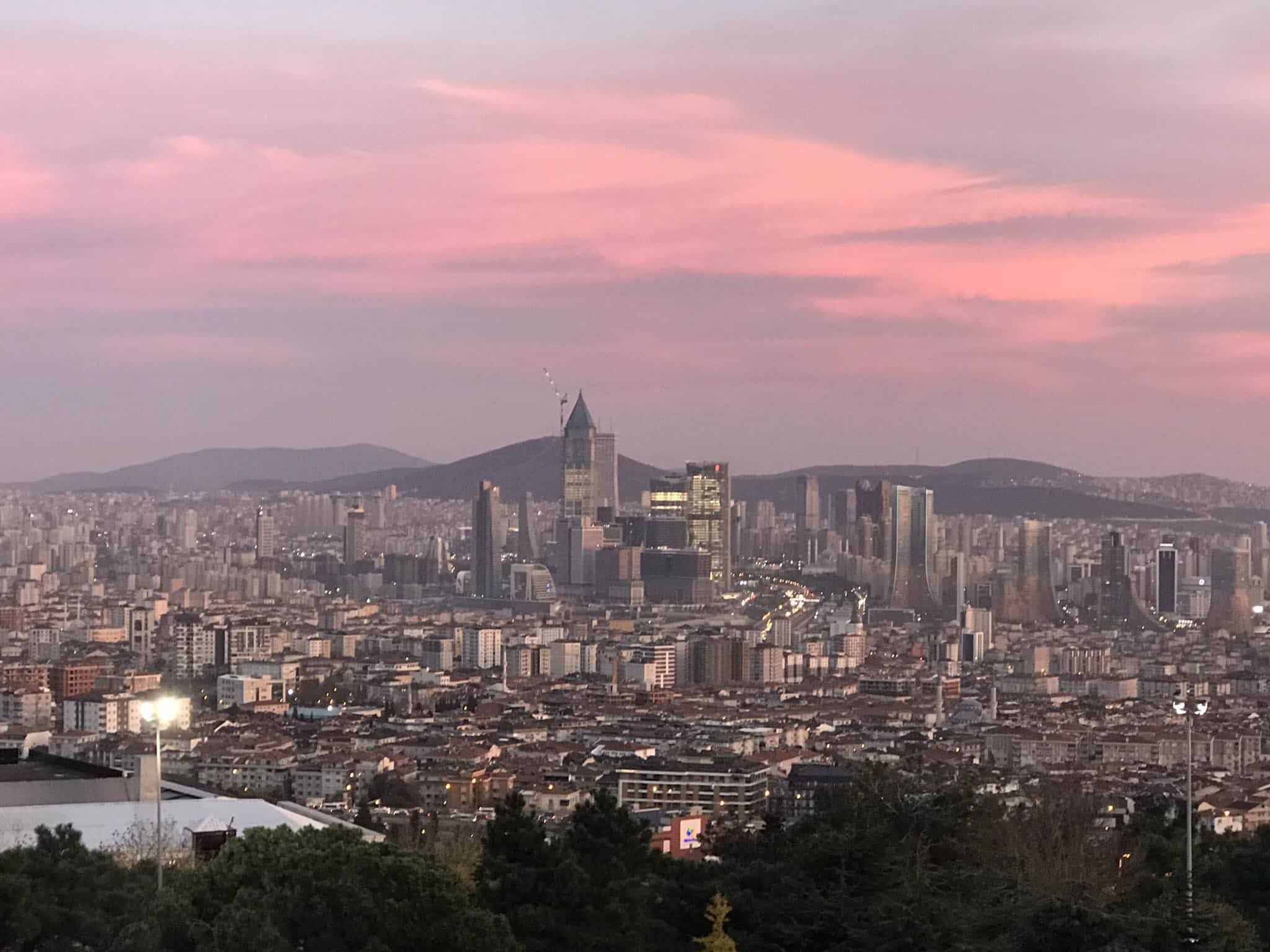
During these months, the weather is just right—not too hot, not too chilly—which means exploring from the Blue Mosque to the Princes’ Islands is a breeze.
It’s also when you’ll catch the city in full swing, with events like the Istanbul Music Festival (June) and, in Biennial years, the Istanbul Biennial.
Plus, daytime temperatures are pleasant, so you can comfortably cruise the Bosphorus or roam parts of the city on foot.
While the winter months from November to February bring colder weather, packing a warm coat means you’re set to enjoy the city’s charm with fewer crowds. And let’s not forget: this is when you’ll find the best deals across Istanbul, making it an ideal time for those looking to experience the city without the peak-season price tag.
That said, the guide below goes through the seasons month by month, with what to see and do in each – after all, there is no bad time to go to Istanbul.
Skip Ahead To My Advice Here!
Best Month To Visit Istanbul
| Month | Weather | Crowds | Why Visit |
|---|---|---|---|
| January | Cold, rainy, occasional snow | Very low | Quiet sightseeing, winter atmosphere, best hotel deals |
| February | Cold, mixed rain and sun | Low | Fewer crowds, museums, and cafés feel local |
| March | Cool, improving, early spring | Low | Great for walking, early greenery, calm city feel |
| April | Mild, green, occasional rain | Moderate | Tulips, spring festivals, excellent sightseeing weather |
| May | Warm, pleasant, mostly dry | Moderate | One of the best all-around months for weather and walking |
| June | Warm, longer days | High | Festivals, outdoor dining, Bosphorus cruises |
| July | Hot and humid | Very high | Beaches, nightlife, island escapes |
| August | Very hot | High | Late sunsets, summer energy, coastal day trips |
| September | Warm, less humid | Moderate | Ideal balance of weather and fewer crowds |
| October | Mild, cooler evenings | Low to moderate | Fall colors, relaxed sightseeing, pleasant walks |
| November | Cooler, rainy | Low | Moody atmosphere, museums, fewer tourists |
| December | Cold, festive, rainy | Low | Holiday lights, winter charm, quieter attractions |
Istanbul has a temperate transitional climate between the Mediterranean and the oceanic climates. The city typically has cold winters with snowy and rainy days, whereas summers are usually warm.
The annual average daily high in Istanbul is about 18.3°C (64.9°F).
In January, the coldest month, the mean daily maximum is 8.8°C (47.8°F), and the minimum is 3.6°C (38.5°F). So, if you’re from a colder climate, you can think of Istanbul as the perfect destination.
If you’re planning a winter trip to Istanbul and hoping to catch snow, January or February are among the more likely months—but snowfall isn’t guaranteed every year.
The warmest days in Istanbul are in July and August. You can pick these months to stroll around the city and explore its hidden gems on foot.
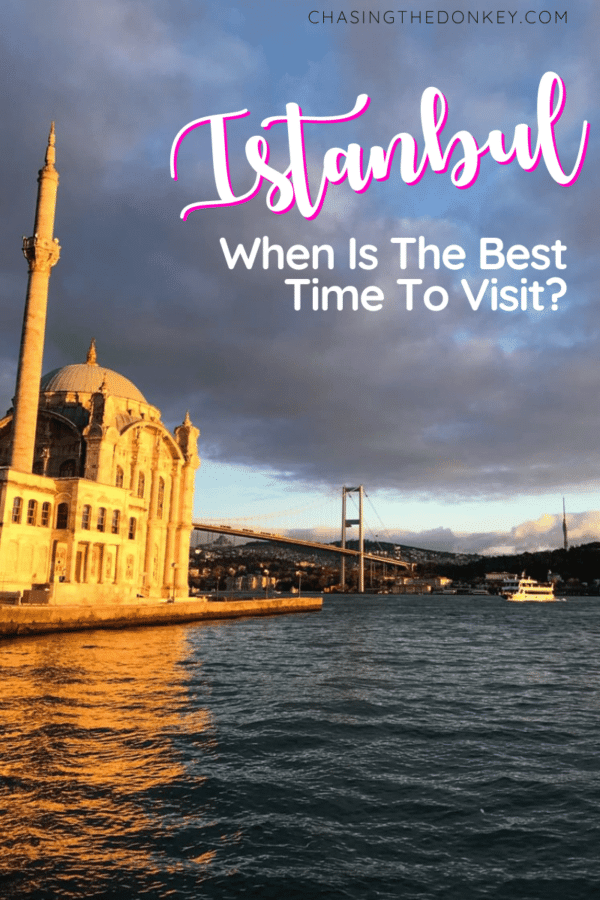
May, September, and October are shoulder seasons and great times to visit this magnificent city.
During these months, Istanbul sees fewer tourists than in the summer season and remains warm enough to get around comfortably.
The city usually starts getting warmer during early March, so you can plan a holiday in mid-March to avoid peak-season crowds and have a peaceful vacation.
Istanbul Weather Month By Month
See the table below for more information on the weather in Istanbul all year round:
| Season | High Temperature | Low Temperature |
|---|---|---|
| Winter (Dec – Feb) | 8°C / 46.4°F | 3°C / 37.4°F |
| Spring (Mar-May) | 16°C / 60.8°F | 7°C / 44.6°F |
| Summer (Jun – Aug) | 27°C / 80.6°F | 20°C / 68°F |
| Autumn (Sep – Nov) | 20°C / 68°F | 12°C / 53.6°F |
Istanbul In Peak Season
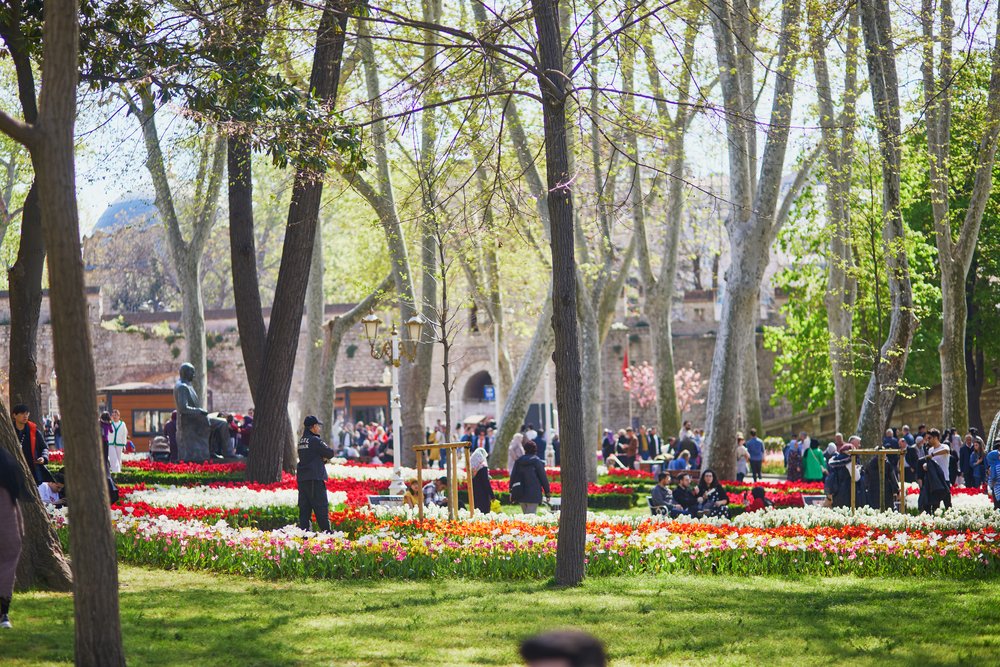
Visiting Istanbul during the peak season is the perfect way to discover this historic city’s rich and colorful culture. You can explore popular attractions and landmarks, see various cultural events, and immerse yourself in the city’s unique way of life.
Since the peak season is when the city feels busiest and most energetic, most associate it with a classic Istanbul experience.
Of course, visiting Istanbul in the peak season has its pros and cons. Check the list below to learn more about what Istanbul offers you during the peak season. The The
Pros Of Visiting Istanbul During The Peak Season Are
- Pleasant weather. During the peak season, Istanbul boasts pleasant weather perfect for exploring the city on foot and discovering its unique culture.
- Fewer rainy days. Although Istanbul’s rainy cityscape looks magnificent, getting around in the rain can frustrate first-time visitors. During the peak season, you’ll have fewer rainy days, so you can go out without taking an umbrella or dressing up in layers.
- Spectacular evenings. A sunset over the Bosphorus is a dramatic sight every visitor should witness. Thankfully, the sunny summer days of Istanbul are the perfect time to capture this romantic moment.
- Vibrant nightlife. Although Istanbul always has a lively nightlife, the city is usually more crowded during the peak season, making it the perfect time to join wild parties and have fantastic experiences.
- More availability. Peak season brings the widest range of tours, events, and seasonal services, though accommodation availability is tighter.
Cons Of Visiting Istanbul During The Peak Season Are
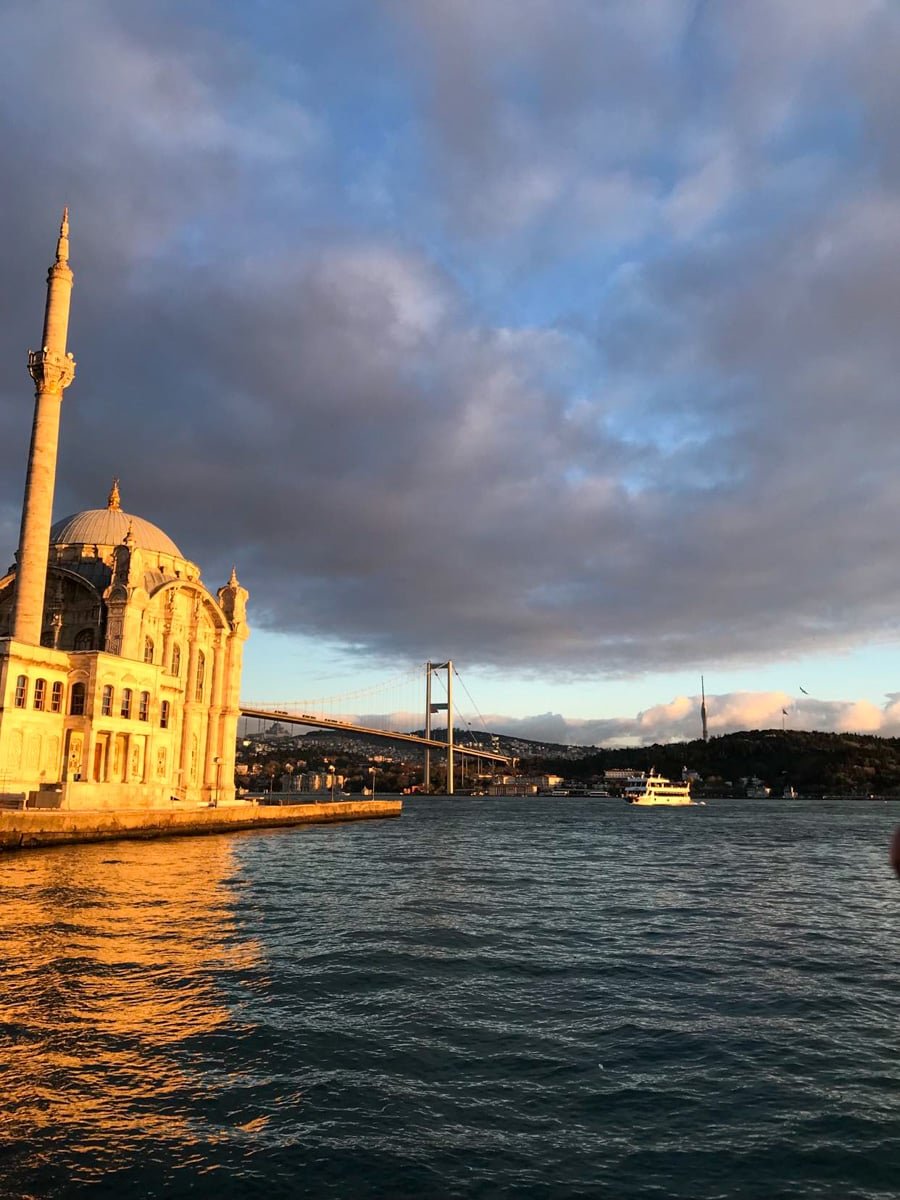
- Overcrowded attractions. If you hate queues and crowds, peak season in Istanbul might offer you an unpleasant experience. Since the city is a popular travel destination, you’ll have to wait in lines to enter the city’s most famous attractions.
- Inflated prices. During the peak season, large groups of visitors create temporary activity inflation. As a result, you will pay more at popular spots in the city for accommodation, dining, and outdoor activities.
- Busy hotels. If you plan to visit Istanbul during July or August, you might have difficulty finding good places to stay in high-end neighborhoods. Therefore, you need to book in advance to save time and energy.
- Packed public transportation. Istanbul has a superb public transportation system. Nevertheless, taking the metro or the tram might be an unpleasant experience, with long, less convenient commutes.
- Scorching weather. In August, Istanbul can be scorching hot, making it a sweaty adventure to get around the city.
Brands We Use And Trust
Istanbul In Off-Peak Season

Those wishing to skip long queues and have a more affordable adventure might prefer visiting Istanbul in the off-peak season. The city is usually less crowded, and most experiences are less expensive during the off-peak season.
Besides these, you can also find cheap hotels in Istanbul during the off-peak season, even in the most popular neighborhoods. Considering all this, visiting the city in the off-peak season seems like the best option ifyou are a budget traveler.
However, the off-peak season also has its pros and cons. Below is a list of pros and cons that might help you decide whether booking an off-season ticket to Istanbul is a good idea.
Pros Of Visiting Istanbul During The Off-Peak Season Are
- Fewer crowds. Istanbul is obviously less crowded during the off-peak season. So, you don’t have to share popular attractions with shoulder-to-shoulder crowds.
- Shorter wait times. Since there are usually fewer crowds in the city during the off-peak season, you’ll have shorter wait times to enter popular attractions.s
- Opportunity to explore the local culture. Istanbul has a unique local culture that you can explore during a peaceful off-peak season. Also, since popular restaurants will be less crowded, you’ll have the opportunity to sample delicious local dishes without waiting in a queue.
- Cheaper activities. The off-peak season in Istanbul brings more affordable prices. So, you can stay and dine in Istanbul during the off-season on a budget.
- Relaxed atmosphere. Istanbul has a slower pace of life during the off-season. If you seek a tranquil experience, this laid-back vibe might offer you what you need.
Cons Of Visiting Istanbul During The Off-Peak Season Are
- Reduced opening hours. Some attractions switch to shorter winter hours in the off-peak season, though many major sights keep broad daily visiting times year-round.
- Fewer attractions. A small number of sites may close on specific public holidays or for maintenance. Still, most major museums and landmarks in Istanbul remain open year-round, with scheduled closure days (often Mondays).
- Cold temperatures. The off-peak season is typically colder than the peak season, which can impact your overall experience.
- Snow and rainfall. Some months during Istanbul’s off-peak season are very snowy and rainy. Therefore, you should plan your itinerary accordingly.
- Scarcity of events and festivals. Compared to the peak season, the off-season in Istanbul might have fewer events and festivals. If you want to see cultural events, it’s definitely not the best time to visit the city.
Istanbul By Month: Weather And What To Do
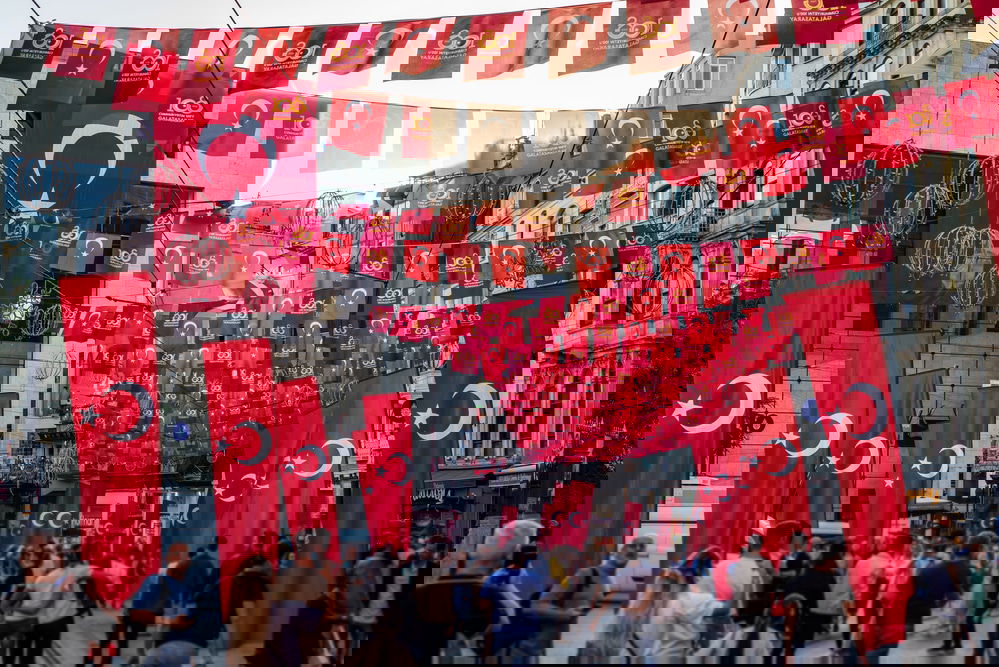
Thanks to Istanbul’s transitional climate, each month has its own distinct character. Knowing the characteristics of different seasons might help you plan a more realistic itinerary and decide on the best time to visit Istanbul.
Istanbul In January
Turkish: Ocak
January is a cold month in Istanbul, with frequent rain and occasional snow. Since it’s the beginning of the new year, you’ll see a lot of New Year decorations still up.
Snow can occur in January in Istanbul, but many years go by without significant snowfall. The average Istanbul weather in January is usually around 8°C (46°F), with colder morning and evening temperatures.
The weather in Istanbul in January can be warm and sunny at times. So, if you’re from a cold-weather country, it won’t affect you too much.
Istanbul In February
Turkish: Şubat
Istanbul, Turkey, weather in February is quite similar to January, with average temperatures hovering around 8°C (46°F). Nevertheless, the temperature in February might be too changing with rainy, sunny, and even snowy days.
So, if you’re planning a trip to Istanbul in February, you might want to pack all kinds of clothes, from layers to thin pieces. A late trip – towards the end of the month – will require light clothing, as March brings warmer spring days.
Istanbul In March
Turkish: Mart
March in Istanbul is a great time to visit, as temperatures can reach 12°C (54°F) and sunny days are common. Of course, some days in Istanbul in March might be colder. So, don’t forget to pack layers and warm clothes.
By late March, early spring greenery starts to show across the city, especially in parks and gardens, though full foliage typically builds through April. It’s the perfect season for nature enthusiasts and photography fans.
March is a great time to walk around Istanbul and explore its hidden gems, with fewer crowds thin an summer.
Istanbul In April
Turkish: Nisan
No matter what everyone says, April is the perfect month for a genuine Istanbul experience. In this warm and green time, you may explore the city’s hidden gems before the crowds come.
April in Istanbul is typically milder than March, with average daytime highs commonly in the mid-to-high teens °C and cooler evenings.
Of course, the mild daily weather in Istanbul in April shouldn’t stop you from bringing layers. If you plan to explore the city on foot, you might want to pack a coat and a waterproof jacket, as there is a chance of rain in April.
Istanbul In May
Turkish: Mayıs
May is when the temperatures finally rise to a comfortable warmth, allowing you to explore the city without wrapping yourself in layers or carrying an umbrella around.
Istanbul’s weather in May is often pleasant and sometimes mild. Although the month is generally warm, some days might be rainy or cold – so bring rain gear just in case. You can expect the daily average temperature to be around 15°C to 22°C (59°F to 72°F).
In May, large crowds of visitors also flock to the city, making it more crowded and expensive than in previous months. However, compared to June or July, May isn’t too late for a tranquil and peaceful trip to Istanbul.
Istanbul In June
Turkish: Haziran
If you’re dreaming of a trip of exploration, swimming, and partying, visit Istanbul in June! The temperature in Istanbul in June is usually pretty pleasant and around 20°C to 28°C (68°F to 82°F).
Since June brings warmer temperatures, you can enjoy the peaceful beaches of Istanbul and go on a summer expedition to pristine coves on the coasts around the Sea of Marmara and the Black Sea.
Istanbul’s weather in June is often comfortable for sightseeing, though occasional rain can still happen.
Istanbul In July
Turkish: Temmuz
July and August are typically the hottest months in Istanbul, and temperatures can reach 30°C (86°F) and above during heatwaves. Thanks to the pleasant temperatures, July is the perfect month to visit Istanbul and explore its attractions, landmarks, and beaches.
In July, you can join guided tours around the city to discover the hidden gems of Istanbul and make the best of your stay. You can also participate in various groups to enjoy outdoor sports, such as hiking or trekking.
If you visit resort towns near the coasts, you can enjoy various water sports and have the perfect beach vacation. Istanbul’s weather in July is ideal for trying new sports and experiences.
Istanbul In August
Turkish: Ağustos
The weather in Istanbul in August is among the hottest of the year. Crowd levels vary year to year, but June–August are generally among the busiest months overall.
Of course, this doesn’t mean you’ll have the whole city for yourself. Thanks to Istanbul’s warm weather, there’ll be many tourists.
However, we still enjoy August for long days, late sunsets, and summer nightlife. You can eat local delicacies, explore hidden gems, and have a relaxing beach vacation. Day trips from Istanbul to nearby cities might also offer a unique experience.
Istanbul In September
Turkish: Eylül
Once August ends, September brings Istanbul breezes and occasional showers. Although the weather in Istanbul in September is pleasant, in the evenings, you can feel that fall is here.
The weather in Istanbul in September is usually around 20°C (68°F). Although some tourist groups will still be visiting, the city will be less crowded than in previous months.
If you seek a peaceful month to visit Istanbul and explore its attractions, September might be the best time of year to visit, since you’ll be able to get around without crowds.
Istanbul In October
Turkish: Ekim
Istanbul’s October weather is usually chillier than September and warmer than November. The daily average temperature in Istanbul in October is 18.2°C (64.8°F), with occasional rain.
Since October is still warm, it’s a perfect time for a last-minute visit to Istanbul and to bask in its melancholic fall atmosphere. Due to the fewer visitors, October in Istanbul is usually less crowded than summer.
You can pack layers and a few T-shirts for a trip to Istanbul in October. In October, you can explore most attractions and landmarks in the city without long wait times in queues.
Istanbul In November
Turkish: Kasım
November marks the start of the cold season in Istanbul. The city’s adorable streets are full of love and autumnal charm during this rainy season.
The weather in November in Istanbul is usually around 13°C to 16°C (55°F to 61°F), making it colder than in other fall months. So, don’t forget to pack layers and warm clothing.
Exploring Istanbul in November is a true adventure, thanks to the dramatic fall scenery and charming atmosphere. If you’re into photography, this month is the perfect time to visit Istanbul. You can snap many spectacular pictures and make unforgettable memories.
Even though you cannot have a beach vacation in November, you can explore the city’s unique culture and delectable cuisine.
Istanbul In December
Turkish: Aralık
December temperature in Istanbul is chilly. The average temperature in Istanbul in December ranges from 11°C (51°F) to 5°C (41°F), with colder weather at night.
Nevertheless, this doesn’t mean you cannot enjoy Istanbul in December. As long as you dress up in layers, you can explore attractions in the city and enjoy its unique culture.
Besides various festivals, December is also the last month of the year, often characterized by New Year’s celebrations. Most Turks spend December 31 with their families, partying, eating, and drinking until the morning of January 1.
Istanbul Festivals And Major Events
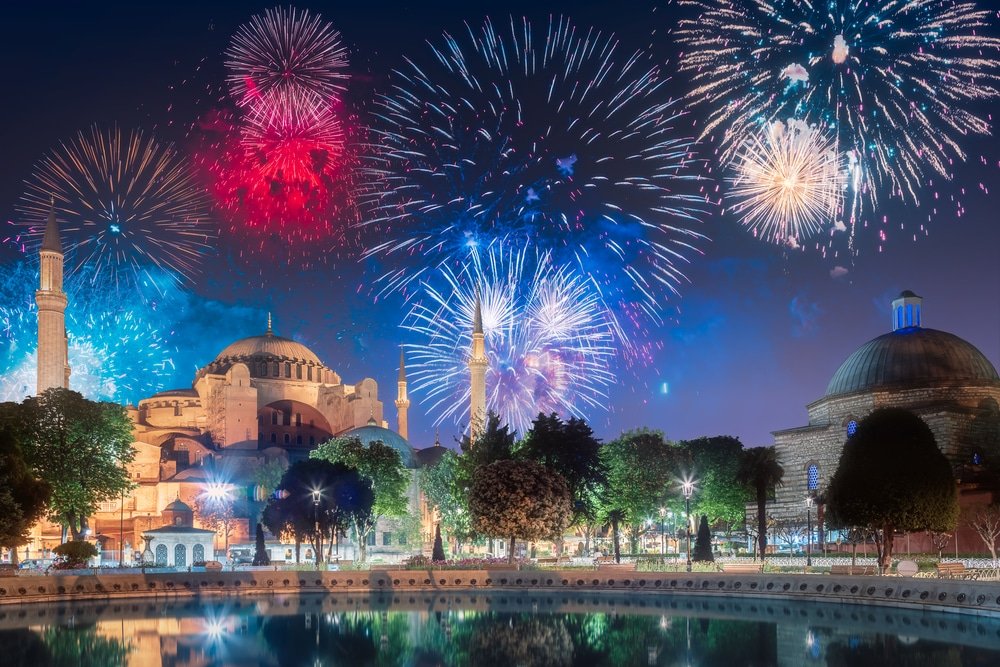
A meeting of civilizations and empires, Istanbul has always had a cosmopolitan character that enriches its culture. As a result, Istanbul is widely regarded as Turkey’s largest hub for major arts and culture programming, with year-round venues and flagship festivals.
Today, many art and music festivals take place in Istanbul throughout the year. The city hosts a variety of artistic events, including opera, ballet, film, and theater, as well as numerous festivals.
Films Days And İKSV Festivals
Istanbul Foundation for Culture and Arts (İKSV) organizes some of the most popular Istanbul festivals:
- Istanbul Film Festival (April)
- Istanbul Music Festival (June)
- Istanbul Jazz Festival (June and July)
- Leyla Gencer Voice Competition (September)
- Filmekimi (October)
- Istanbul Theater Festival (November)
Besides these, Istanbul also stages the prestigious film festivals. Istanbul Independent Film Festival, Rendezvous Istanbul International Film Festival, and Akbank Short Film Festival offer Turkish film lovers an enjoyable experience. Also, if you’re interested in documentaries, you should definitely see Documentarist Istanbul Documentary Days.
Jazz Festivals
Istanbul has a deep-rooted history of Jazz festivals. Today, many institutions in Istanbul, including universities and banks, organize Jazz festivals. For example, Jazz on Campus festivals are held on the campuses of various Turkish universities every year, including those in Istanbul.
Besides Jazz on Campus, the Akbank Jazz Festival and the Zorlu PSM Jazz Festival offer unique experiences for jazz lovers.
Other Popular Festivals In Istanbul
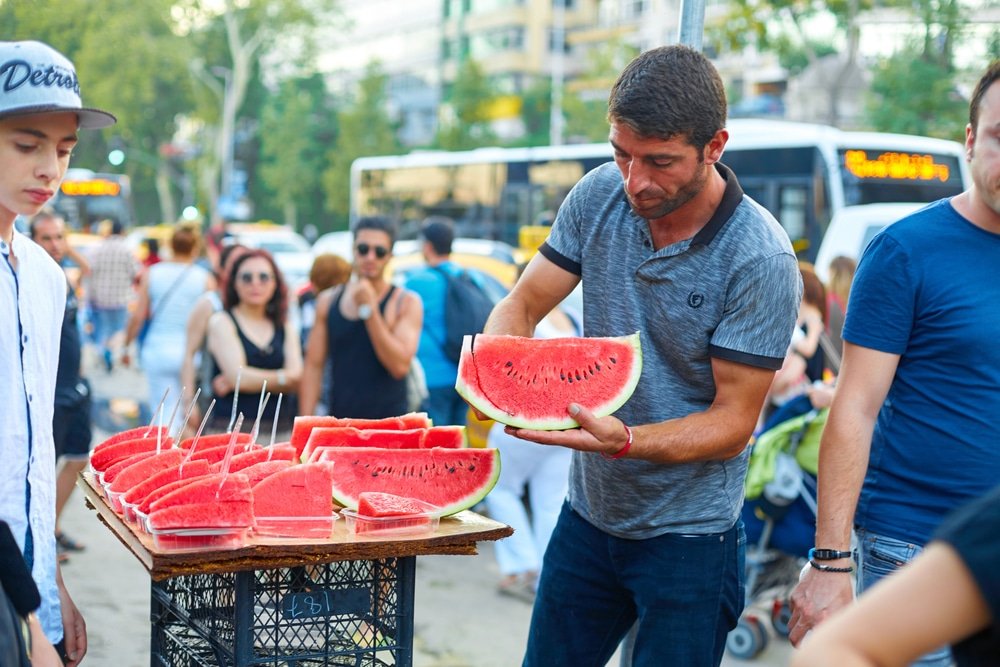
Other popular Istanbul festivals that you might enjoy are:
- Istanbul Fringe Festival. The Istanbul Fringe Festival offers music, dance, theater, workshops, talks, and wild parties. This fun festival is the perfect place to meet local and international artists.
- Istanbul Comedy Festival. Organized by Beşiktaş Culture Center (BKM), the Istanbul Comedy Festival is a venue where you can watch live shows by famous Turkish stand-up comedians. The festival also stages comedy film screenings and displays various exhibits.
- Istanbul International Dance Festival. If you’re interested in dance, the Istanbul International Dance Festival must definitely be on your itinerary. This remarkable festival is one of the world’s most popular dance festivals, with an overwhelming participation of dancers from over 80 countries.
- Istanbul Comics and Art Festival. A popular open-air festival, the Istanbul Comics and Art Festival presents rich experiences. The festival brings art lovers together in Istanbul with a variety of displays, from art exhibitions to movie screenings.
Many other festivals with interesting themes also take place in Istanbul, such as 212 Photography Istanbul (October), the Istanbul International Puppet Festival (November), the İFSAK Istanbul Photography Days (November), and the International Istanbul Poetry and Literature Festival (February).
Spring And Summer Festivals
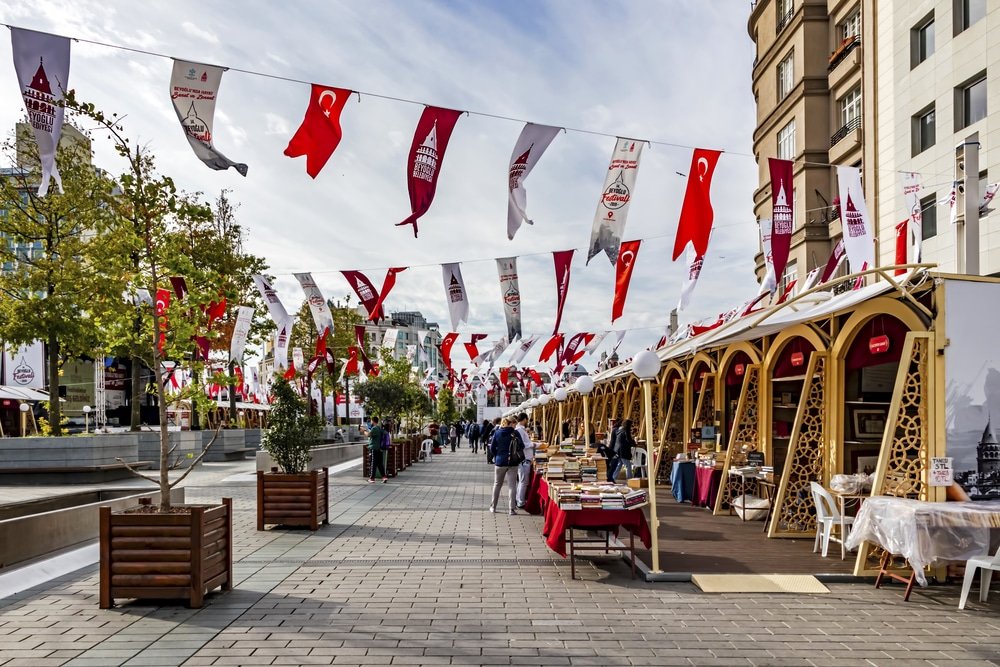
Spring and summer vibes in Istanbul are really exhilarating. Once the peak season begins, parks, gardens, art venues, and various spots of the city become stages for international festivals with overwhelming participation.
Some of the most popular of these festivals are:
- Bach in the Garden Summer Festival
- Chill-Out Festival Istanbul
- Big Burn Istanbul
- Red Bull Music Festival
- Istanbul Dragon Festival
- Electronica Festival
- One Love Festival
- Sónar Istanbul
- Neon Festival
- Milyonfest Istanbul
- Istanbul Tulip Festival
Two of Istanbul’s most popular events are the prestigious Istanbul Fashion Week and the Istanbul Fashion and Music Festival, which bring together shopping and fashion enthusiasts.
If you want to celebrate the arrival of warm days, you can join the Istanbul Rooftop Festival to enjoy some cocktails while watching the city’s magnificent scenery.
Also, boating enthusiasts can add the Istanbul CNR Eurasia Boat Show and Tuzla Boat Show to their itinerary.
Gastronomy Events
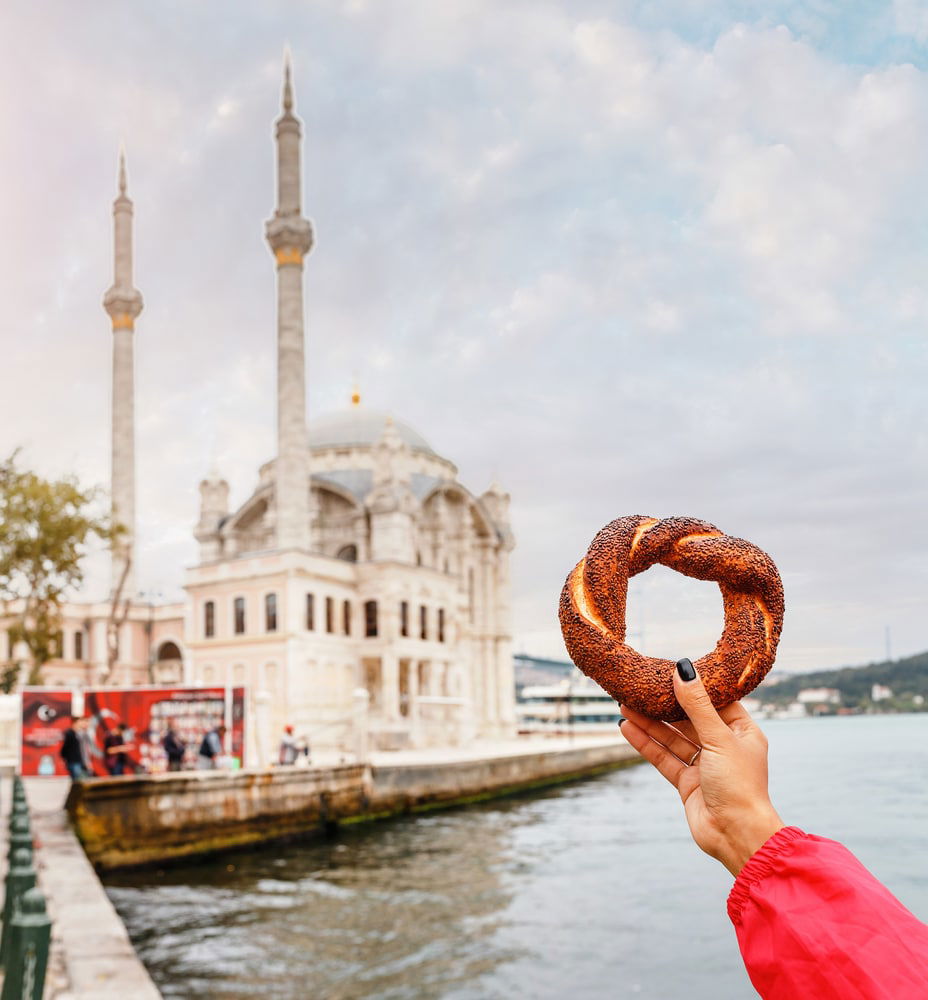
Istanbul boasts a rich cuisine with many delectable dishes. As a result, many popular gastronomy events take place in the city. Some of them are:
- International Istanbul Gastronomy Festival
- 24Kitchen International Food Festival
- 101 Tastes of Istanbul Festival
- Istanbul Coffee Festival
- MulledFest Istanbul
- Istanbul Cocktail Festival
- Brewstival Istanbul
- International Istanbul Tea Festival
- İstcook Fest
Sports Events
Istanbul is also a huge sports city with a history of hosting various international competitions. Today, the Bosphorus Cross-Continental Swim, Istanbul Marathon, TEB BNP Paribas Istanbul Cup, and International Presidential Yacht Races are among the most popular events held in the city.
Concerts
Istanbul also hosts various international artists throughout the year. So, keep an eye on Istanbul concert tickets to see if any of your favorite artists are coming to the city on their tour.
Istanbul Trip Costs And Typical Prices
Although Istanbul can still feel good value compared with many major Western European cities, a luxury trip (especially in high-demand neighborhoods and peak weeks) can get pricey fast.
For 2026, a realistic shoestring-to-budget daily spend for most American travelers is usually $55–$85 per person/day (assuming budget lodging and casual meals). A comfortable mid-range style often costs $100–$180 per person/day, while a luxury trip with frequent taxis, top-tier hotels, and shopping typically starts at $250+ per person/day.
Average 2026 prices and costs in Istanbul (USD equivalents)*:
- A three-course meal for two at a mid-range restaurant (no drinks): $25–$90
- A meal at a fast-food restaurant: $7–$10
- Public transportation (Istanbulkart, standard ride): $0.60–$0.85
- Renting a small economy car: $12–$50/day
- Gasoline (per liter): $1.20–$1.35
- An affordable hotel room (double): $55–$90/night
- A mid-range hotel room (double): $90–$170/night
- A luxury hotel room (double): $180–$320+/night
- Day pass at a local gym: $5–$12
- Yellow taxi starting fare (meter drop): $1.00–$1.30
- Yellow taxi per-kilometer price: $0.65–$0.85
Major attraction entry fees (typical published 2026 rates):
- Hagia Sophia visiting area (foreign visitors): $29–$31
- Topkapı Palace (main ticket): about $60–$70
- Basilica Cistern: about $30 daytime / $45–$50 evening session
- Galata Tower: about $35–$37
- Dolmabahçe Palace: about $50–$60
- Istanbul Archaeological Museums: about $17–$18
- Turkish and Islamic Arts Museum: about $20–$21
- Yıldız Palace: about $19–$20
- Beylerbeyi Palace: about $18–$19
- Galata Mevlevi Lodge Museum: about $8–$9
*USD equivalents are calculated using late-January 2026 reference exchange rates (about $1 = ₺43.37 and €1 = $1.18). Many admission fees and transport/taxi tariffs are set in Turkish Lira (and some are set in euros), so the USD figures reflect conversion at that rate.
Move This Adventure To Your Inbox & Get An Instant Freebie

No spam. Unsubscribe at any time.
Practical Istanbul Travel Tips
A few practical Istanbul trip reminders:
- Learn a few things about Istanbul before arrival, such as the culture, some useful Turkish phrases, and ways to get around the city.
- Ensure that your passport is valid and that you don’t need a visa to visit Istanbul.
- Pack your suitcase lightly and bring appropriate clothing for the season.
- Respect local culture and dress modestly when entering religious structures.
- Be aware of your surroundings, especially at night and in crowded areas.
- Get travel insurance as it might cover any unforeseen accidents.
- Try new things and have fun!
So, When Is The Best Time To Visit Istanbul
Considering all the information we have provided, you can see that Istanbul offers different experiences during both the peak and the off-peak seasons. Therefore, you must plan your itinerary based on your expectations.
Istanbul is the perfect destination if you’re looking for a place with magnificent historical landmarks, rich attractions, and colorful landscapes.
In addition to many sightseeing opportunities, Istanbul is also a city of culture, delicious cuisine, and lively nightlife.
So, you can participate in various outdoor activities, see intriguing displays, visit museums, and eat delectable local dishes.
Best Time To Visit Istanbul FAQs
When is the best time to visit Istanbul for comfortable weather and fewer crowds?
For most, March–May and September–November balance mild temperatures with lighter crowds than peak summer, while still offering plenty of open-air sightseeing.
What are the hottest months in Istanbul?
July and August are typically the hottest months. Temperatures can push above 30°C during heatwaves, and humidity can make afternoons feel heavier in the city.
What are the coldest months in Istanbul?
January and February are usually the coldest months, with frequent rain and chilly evenings. Snow is possible but not guaranteed every year.
Does it snow in Istanbul?
Snow can occur in winter, especially in January or February, but many years go by without significant snowfall. When it does snow, it often melts quickly in central areas.
When is Istanbul’s peak tourist season?
June through August are generally the busiest months, with the highest accommodation demand and longer lines at major sights.
Is May an off-peak month in Istanbul?
May is usually considered shoulder season rather than off-peak: it’s often warmer and busier than March or early April, but typically less intense than July and August.
When is the Istanbul Music Festival?
The Istanbul Music Festival is held in June. For 2026, İKSV’s programme listings show late-June dates and venues.
When is the Istanbul Biennial?
The Istanbul Biennial runs on a multi-year cycle rather than annually. The 18th Istanbul Biennial’s first leg was scheduled to open September 20–November 23, 2025, with later programming unfolding across 2026–2027.
Can you swim in the sea around Istanbul, and when is the best time?
Yes—swimming is most popular from June through September, with September 20 and November 23 in late July and August.
How much is public transport in Istanbul?
Public transport is inexpensive by US standards, with fares remaining well under a dollar per ride for most journeys.
What are typical Istanbul taxi fares?
Published 2025–2026 figures commonly show a yellow-taxi meter drop of 42–55 TL and a per-kilometer rate of 28–36 TL, with a minimum fare applied to short trips.
Is Hagia Sophia free to enter?
Hagia Sophia operates with different access rules for worship vs. the paid visiting area. The foreign-visitor ticket for the visiting area costs €25.
How much do major Istanbul attractions cost in 2026?
Fees change frequently, but published 2025–2026 figures commonly list Hagia Sophia at €25 for the visiting area, Galata Tower around €30, the Turkish and Islamic Arts Museum around €17, and major palaces and the Basilica Cistern priced in TL with time-of-day or ticket-type differences.
How do Ramadan and religious holidays affect travel in Istanbul?
Ramadan typically doesn’t stop sightseeing, but it can shift daily dining patterns: some restaurants reduce daytime service while evenings get busier. Some sites may close or run shorter hours on specific public holidays.
How far in advance should you book hotels in Istanbul?
It depends on the season and the neighborhood. In June–August and around major holidays, popular areas can sell out earlier; in quieter months, short-notice availability is often better.
What is the best month to visit Istanbul for tulips?
Tulip displays are typically associated with April, when parks and public gardens are planted heavily for spring colour.
Is Istanbul expensive compared with European cities?
Day-to-day costs like local meals and transport can be comparatively lower than in many major Western European cities, but accommodation prices can swing sharply based on season, neighborhood, and demand.
- Does It Snow In Istanbul
- Autumn In Turkey – What To Expect & Where To Go
- Myths & Misbeliefs About Turkey
- How To Get From Istanbul To Cappadocia
- 4-Day Itinerary In Istanbul
- Best Shopping Malls In Istanbul
- Tourist Scams To Avoid In Istanbul
- Where To Stay In Istanbul
- How To Get Around In Istanbul
- Where To Get The Best Views In Istanbul
- Best Istanbul Nightlife
- Best Turkish Hookah In Istanbul
- Ephesus Tours From Istanbul
- Istanbul Festivals Guide
- How To Haggle In Turkey
- Do People Speak English In Turkey?
- Airalo eSim Review – Mobile Data In Turkey & Beyond