

Yes, it absolutely snows in Croatia — just not everywhere, and not all winter long. As someone who lives in Croatia year-round, I see the Velebit mountains turn white each winter while the Adriatic coast stays largely snow-free.
If you’re planning a winter trip now or in the coming months, this guide explains exactly where snow is likely, where you can ski, what temperatures to expect, and which destinations work best depending on whether you want festive markets, coastal walks, or proper winter landscapes.
Winter conditions in Croatia vary significantly by region. Here’s a quick comparison to help you plan:
| Region | Typical Winter Temperatures | Snow Likelihood | Best For |
|---|---|---|---|
| Adriatic Coast (Split, Dubrovnik, Zadar) | 5°C to 14°C | Rare | Crowd-free sightseeing, coastal walks |
| Zagreb & Inland | -5°C to 5°C | Common Most Winters | Christmas markets, urban winter atmosphere |
| Gorski Kotar & Velebit | -10°C to 2°C (colder at elevation) | Frequent And Often Heavy | Snowy landscapes, skiing, cabin stays |
Skip Ahead To My Advice Here!
Is Winter In Croatia Worth It?
Croatia has two main climate zones: a Mediterranean climate along the coast with generally milder winters, and a continental climate inland with colder temperatures and regular snowfall.
Things To Know Before Visiting Croatia In Winter
- Snow is common inland but rare on the Adriatic coast.
- Winter flight schedules typically have fewer routes and frequencies than summer, especially to coastal airports like Split, Zadar, and Dubrovnik, while Zagreb remains the main year-round hub.
- Some island ferries operate on limited winter timetables.
- Plitvice Lakes may restrict certain routes during heavy snow.
- Many Advent markets run from late November into early January; for example, Advent in Zagreb ran from 29 November 2025 to 7 January 2026, and the Dubrovnik Winter Festival ran from 29 November 2025 to 3 January 2026.
While the northern and interior parts of the country receive more snowfall, the southern part enjoys milder temperatures.
So, you can take advantage of both snowy adventures and milder coastal exploration during one winter visit.
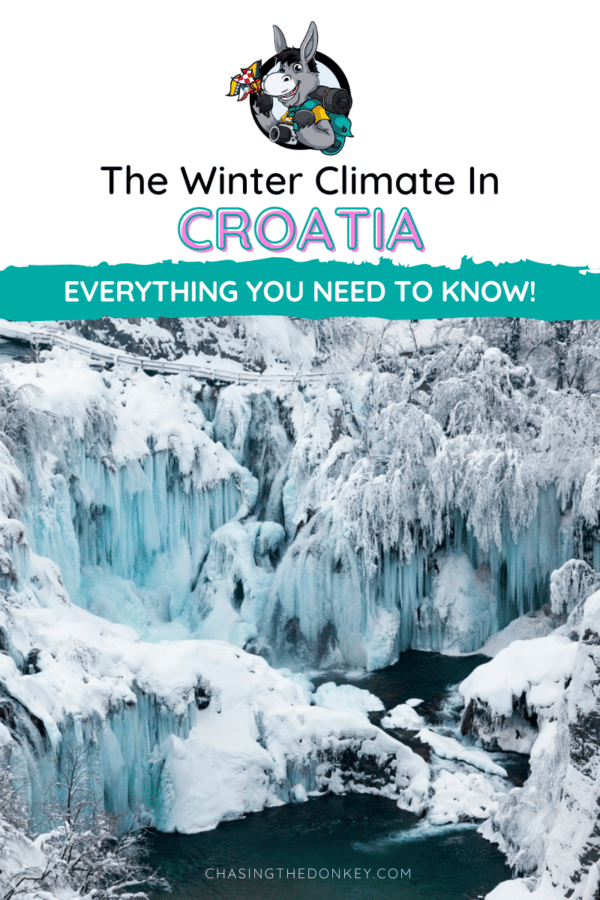
The best part? Croatia remains relatively unexplored during winter compared to its more popular summer months. This means you can immerse yourself in the country’s beauty and enjoy local cuisine, charming old towns, and stunning scenery without the usual peak crowds.
Accommodation and activities are often available at more affordable prices, allowing you to experience Croatia’s winter charm without breaking the bank.
What Is Winter Weather Like In Croatia?
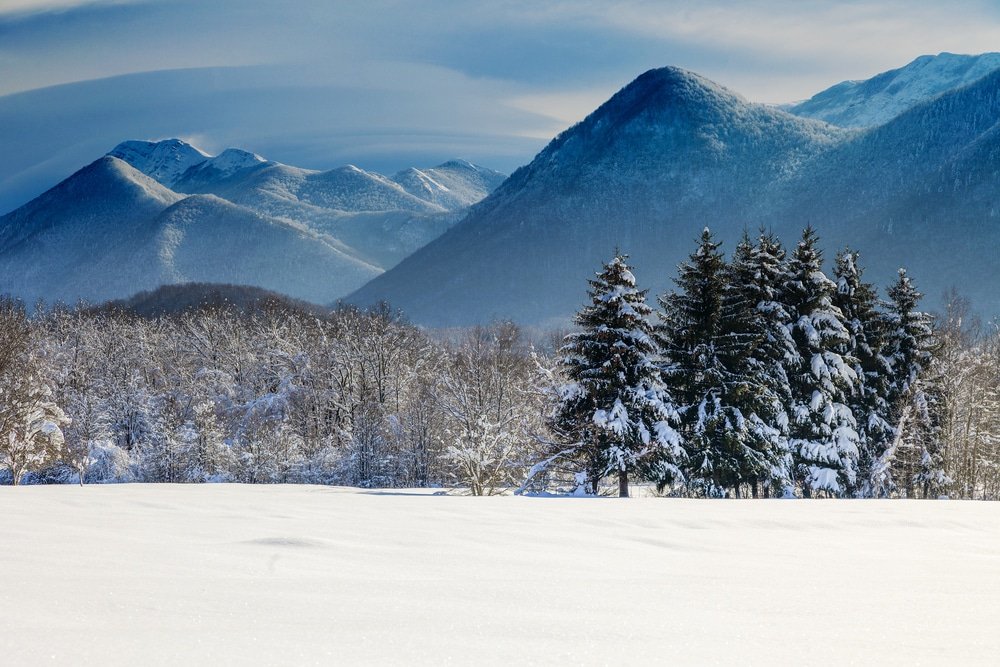
Are you looking for a winter adventure off the beaten path? Look no further than Croatia! Known for its stunning coastline and enticing summer months, Croatia transforms into a captivating winter wonderland when the colder months arrive. Here’s everything you need to know about experiencing the magic of Croatia during the winter.
Does It Snow In Croatia And Where Does It Snow Most?
Yes, particularly from December to February, showcasing the country’s spectacular winter season! Snowfall is common in inland and mountainous areas during winter, but rare along most of the Adriatic coast.
While the coastal regions enjoy a milder Mediterranean climate, the inland areas, such as Zagreb and Gorski Kotar, offer incredible opportunities for winter sports.
Winter temperatures in Croatia vary across the regions. In general, the coastal areas have milder winters than the inland regions. Along the Adriatic coast, the average winter temperatures range from 5°C to 10°C (41°F to 50°F).
Inland temperatures can drop significantly, especially in elevated areas. The capital city, Zagreb, experiences winter temperatures between -2°C and 4°C (28°F to 39°F).
Snowfall is a common occurrence in Croatia, especially in the inland and mountainous regions. Here are average snowfall figures for selected cities across Croatia’s different regions.
Coastal Region
- Split. Snow is possible but uncommon, and accumulation is usually minimal when it happens.
- Dubrovnik. Rare snowfall occurrences with negligible accumulation
Inland Region
- Zagreb. Typically experiences around 10–20 days of measurable snowfall per winter season, with highly variable total accumulation depending on the year.
- Gorski Kotar. Known as Croatia’s snowiest region, seasonal snowfall totals commonly exceed 100 cm and can be significantly higher in elevated areas.
Mountainous Region
- Plitvice Lakes National Park. Receives regular and sometimes heavy snowfall in winter, with totals varying significantly by year.
- Velebit Mountains. Higher elevations regularly receive substantial snowfall in winter, with totals varying widely depending on altitude and weather patterns.
| Region | Temperature Range | Snowfall |
|---|---|---|
| Coastal (e.g., Split, Dubrovnik) | 8°C to 14°C (46°F to 57°F) | Rare, minimal accumulation |
| Inland (e.g., Zagreb) | -1°C to 3°C (30°F to 37°F) | Common, avg. 40 cm accumulation |
| Mountainous (e.g., Plitvice, Velebit) | -5°C to 0°C (23°F to 32°F) | Heavy, 70-200+ cm accumulation |
Note: these are average figures, and snowfall can vary from year to year. It’s always a good idea to check the weather forecast before planning any winter activities.
Brands We Use And Trust
Where To Ski In Croatia: Best Ski Resorts Near Zagreb And Rijeka
If you’re a ski enthusiast, Croatia offers you Platak, Sljeme, and Velebit.
One of Croatia’s standout ski resorts is Sljeme Ski Resort, located just outside the capital city of Zagreb. Situated in the picturesque Medvednica Mountain Range, this resort offers a fantastic blend of natural beauty, well-maintained slopes, and a vibrant atmosphere.
Sljeme Ski Resort
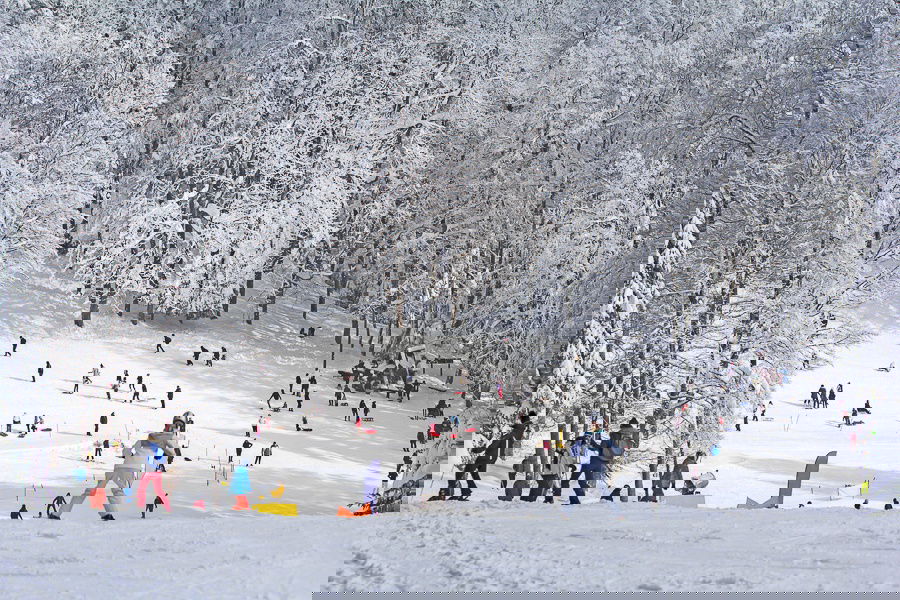
Sljeme Ski Resort is known for its convenient location, which makes it easily accessible to locals and tourists alike.
Just a short drive from Zagreb, it offers a convenient option for those seeking a winter getaway without venturing too far, showcasing Croatia’s diverse seasons. And trust me, once you arrive, you’ll be glad you made the trip.
The resort boasts a wide range of slopes suitable for skiers of all skill levels, from beginners to advanced. Whether you’re strapping on skis for the first time or are an expert seeking a new challenge, Sljeme has you covered. The slopes are meticulously groomed, ensuring a smooth and enjoyable ride every time. Plus, the resort’s ski lifts provide quick and easy access to the top, allowing you to maximize your time on the slopes.
After an exhilarating day on the slopes, you can unwind, recharge, and savor some hearty local cuisine. Treat yourself to traditional Croatian dishes like sarma (stuffed cabbage rolls) or janjetina (roast lamb)—the perfect way to refuel and indulge in the local flavors.
If you’re looking for a break from skiing or want to explore more of the surroundings, the area also offers captivating hiking trails through the dazzling landscapes of Medvednica Mountain. From rolling hills to dense forests, you’ll be treated to stunning vistas that will leave you in awe.
What Is Croatia Like In Winter? Climate, Crowds And Atmosphere

Are you curious about Croatia in winter? Brace yourself for charming towns, snow-capped landscapes, and a cozy atmosphere. While the summer heat may be absent, Croatia’s winter offers a unique experience filled with holiday markets, ice skating, and festive cheer.
You can wander over medieval city walls, indulging in hearty local cuisine and cozying up by the fireplace in a traditional stone house. With fewer crowds and lower prices, winter is a fantastic time to discover the magic of Croatia at your own pace.
Best Places To Visit In Croatia In Winter
From Zagreb’s snowy landscapes to charming coastal cities like Dubrovnik and Zadar, Croatia has something for everyone seeking an escape from the ordinary.
With affordable prices and fewer crowds than in summer, winter brings a sense of tranquility to popular destinations, allowing you to immerse yourself fully in local culture.
Zagreb

Wrapped snugly in a winter coat, the city of Zagreb transforms into a magical wonderland during the winter months. While snowfall in the city is not guaranteed, the crisp air and festive atmosphere make it a perfect winter destination and a great time to travel to Croatia.
One of the highlights is the iconic Advent in Zagreb festival, a month-long celebration that turns the city into a winter paradise.
Stroll through the bustling streets adorned with dazzling decorations and take in the aroma of cinnamon and mulled wine. The main square hosts a vibrant Christmas market, where you can browse charming handicrafts and savor delicious local treats.
Zadar
With its mild Mediterranean climate, Zadar enjoys a milder winter than its inland counterparts, making it an appealing winter destination along the coast. Although you might miss the snow here, Zadar’s winter charm lies in the peaceful ambiance and fewer crowds, making it a unique time to visit.
Embrace the tranquility as you wander through the ancient streets, marveling at the well-preserved Roman ruins and medieval churches. The city comes to life during Advent, with a line-up of events to enjoy. Join us, locals, at the ice skating rinks and the stalls for food.
Dubrovnik

The jewel of the Adriatic, Dubrovnik, is renowned for its stunning architecture and breathtaking coastal views. In winter, this UNESCO World Heritage Site takes on a different allure. While snow is rare, the city’s coastal charm and labyrinthine streets become even more enchanting without summer crowds.
Take a walk along the medieval walls for panoramic vistas of the Adriatic Sea, framed by the mountains in the backdrop. With fewer tourists, visiting famous landmarks like the Old Town or the majestic Dubrovnik Cathedral becomes a joy in itself. Indulge in local delicacies at charming cafes while savoring the laid-back atmosphere of this coastal gem.
Croatian Islands
The Croatian Islands‘ mild climate offers a respite from the winter blues, making them perfect for a peaceful winter getaway. Ditch the snow boots for comfortable hiking shoes and explore the lush landscapes. Nature lovers will be captivated by the hiking trails leading to hidden coves and stunning vistas.
Escape the crowds and immerse yourself in the unique culture of each island. From the untouched beauty of Vis to the vibrant nightlife of Hvar, there is an island for every taste. Sample local cuisine, relax on pristine beaches, and embrace the slower pace of life that winter brings to these idyllic Adriatic islands.
Plitvice Lakes
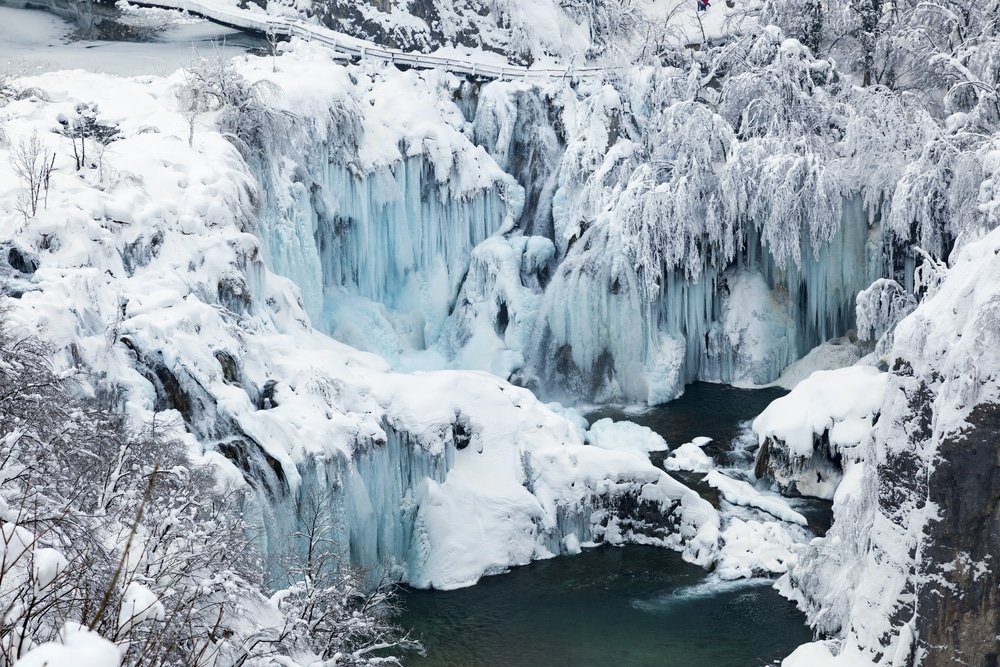
In winter, the Plitvice Lakes National Park transforms into a tranquil winter wonderland adorned with a delicate sprinkling of snow. While the park is open year-round, visiting during winter offers a special experience. The frozen waterfalls and glistening pathways create a surreal atmosphere that feels straight out of a fairytale.
Embark on a hike through the pristine forest trails, following the wooden walkways that wind alongside the mesmerizing lakes, a testament to the beauty of Croatia during the winter. With fewer visitors, you can fully immerse yourself in nature’s untouched beauty. Just remember to bundle up and wear sturdy shoes, as the trails may be slippery in snowy conditions.
Winter access inside Plitvice Lakes National Park can be limited during heavy snowfall or icy conditions. Certain trails, upper-lake routes, or boat services may be suspended due to safety conditions, so check the official park website for current access before visiting.
Pula & Istria
Wrapped in the warm embrace of the Istrian Peninsula, Pula exudes a unique charm even in the winter months. The winters here are mild, with occasional snowfalls adding a touch of enchantment to the picturesque landscape.
Explore the ancient Roman ruins, including the awe-inspiring Pula Arena, one of the best-preserved amphitheaters in the world. Wander through the ancient streets and savor delicious Istrian cuisine with its Italian influences and rich flavors.
In Istria, winter festivities acenter onCarnival celebrations, when the streets come alive with colorful parades, masked processions, and lively music.
So whether you’re seeking the festive atmosphere of Zagreb’s Advent or the peaceful tranquility of the Croatian Islands, Croatia has plenty to offer during winter. Embrace the unique charm, explore the hidden gems, and indulge in the rich culture and cuisine that make this region a perfect winter destination.
Best Things To Do In Croatia In Winter
In addition to skiing and snowboarding, Croatia offers an array of indoor activities to embrace the winter season. From exploring galleries and sipping mulled wine in cozy cafes to indulging in rich Slavonian cuisine and attending cultural events, it’s a good idea to pack appropriate winter clothing and embark on a journey to discover one of Croatia’s hidden gems.
- Explore Zagreb’s Adventurousness. Croatia’s capital city comes alive during winter with its festive Advent celebrations. Discover the enchanting Christmas markets, ice skating rinks, and vibrant street performances that turn Zagreb into a winter wonderland.
- Enjoy Winter Walks in Plitvice Lakes National Park. While famous for its lakes and waterfalls, the park offers scenic winter walking trails and snow-covered boardwalks. Ski infrastructure is not available inside the national park.
- Revel in the Magic of the Dubrovnik Winter Festival. Experience the charm of Dubrovnik without the crowds by visiting during the winter festival. Enjoy live music, dazzling light installations, and a lively atmosphere as the city becomes a festive hub for locals and visitors alike.
- Unearth the Winter Charm of Istria. Explore the picturesque Istrian peninsula in winter and be captivated by its rustic beauty. Stroll through the narrow, cobblestone streets of hilltop towns like Motovun and Grožnjan, which take on a serene ambiance from December to February, offering a tranquil travel experience in Croatia.
- Delight in Outdoor Ice Skating in Rijeka. Rijeka’s seasonal Advent ice rink is typically set up at a temporary winter location by the sea or in a central venue, with the exact location and dates varying each year. Whether you’re a beginner or a pro, gliding on the ice with stunning coastal views in the background is an experience not to be missed.
- Traverse Gorski Kotar’s Winter Wonderland. Discover the magic of Gorski Kotar, a region known for its pristine nature and winter wonderland landscapes. Embark on scenic hikes through snow-covered forests, try cross-country skiing on well-maintained trails, or simply cozy up by a fireplace in a mountain cabin.
- Witness Snowy Splendor in Plitvice Lakes. Plitvice Lakes National Park transforms into a stunning winter paradise when snow blankets its spectacular landscapes. Take a winter walk along the boardwalks, marvel at frozen waterfalls, and immerse yourself in the tranquility of nature.
- Celebrate Advent in Split. Embrace the festive spirit in Split, where the city’s historic center turns into a magical setting during Advent. Discover unique Christmas exhibitions, enjoy live performances, and indulge in traditional Croatian delicacies in the heart of Dalmatia .ia.
- Bask in Winter Wellness at Thermal Spas. Rejuvenate your body and soul by visiting one of Croatia’s thermal spas during winter. Pamper yourself with soothing thermal baths, saunas, and wellness treatments that will melt away any winter chill.
Move This Adventure To Your Inbox & Get An Instant Freebie

No spam. Unsubscribe at any time.
FAQs
Does it snow in Croatia?
Yes. Snow is common in inland and mountainous regions, including Zagreb, Gorski Kotar, Plitvice Lakes, and the Velebit Mountains. Snow is rare along most of the Adriatic coast, including cities like Split and Dubrovnik.
Where does it snow the most in Croatia?
The heaviest and most consistent snowfall occurs in Gorski Kotar and the higher elevations of the Velebit mountains. These areas can receive significant seasonal totals, especially at higher altitudes.
Does Zagreb get snow every winter?
Zagreb usually experiences some snowfall each winter, though total accumulation varies significantly from year to year. Some winters see multiple snow events, while others may have only brief or light snowfall.
Can you ski in Croatia?
Yes, though Croatia has fewer ski resorts than the Alps. The main ski area near Zagreb is Sljeme on Medvednica mountain, and Platak near Rijeka is another popular option when snow conditions allow.
Is Croatia worth visiting in winter?
Winter is a good time to visit if you prefer fewer crowds, lower accommodation prices, and festive events like Advent markets. Inland regions offer snowy scenery, while coastal cities provide milder weather for sightseeing. Ares Plitvice Lakes open in winter?
Yes, Plitvice Lakes National Park is open year-round. However, certain trails, routes, or boat services may temporarily close due to heavy snowfall or icy conditions for safety reasons.
What are winter temperatures like in Croatia?
Coastal winter temperatures typically range from about 5°C to 14°C (41°F to 57°F). Inland areas such as Zagreb are colder, often ranging between -5°C and 5°C (23°F to 41°F), with lower temperatures in mountainous regions.
S.o, don’t miss out on the magic of winter in Croatia. Plan your trip, pack your bags, and get ready to embark on an unforgettable adventure in this beautiful European destination.