

Istanbul is absolutely worth visiting if you want a trip that mixes big-ticket history (Byzantine churches-turned-mosques, Ottoman palaces, underground cisterns) with everyday fun like ferries on the Bosphorus, rooftop views, hammams, and street food you’ll think about long after you leave.
I try to visit Istanbul at least once a year, and the biggest plan-smart factor is timing: summer brings heat and serious crowds, while spring and early autumn are easier for sightseeing and walking neighborhoods like Sultanahmet, Karaköy, Galata, and Kadıköy.
Below is what to know right now—what’s genuinely unmissable, what’s changed recently (including Hagia Sophia entry rules), and how to decide if Istanbul fits your travel style.
Key facts at a glance (so you can plan quickly)
| Topic | Quick fact | Why it matters |
|---|---|---|
| Best months for sightseeing | April–May and September–October | Milder temps than peak summer; generally easier for long walking days |
| Peak heat + peak crowds | July–August (highs often ~28–30°C / 82–86°F) | Expect longer lines and hotter afternoons; plan early starts |
| Winter trade-offs | November–February | Fewer crowds, but cooler/wetter weather and shorter daylight |
| Hagia Sophia access | Separate worship vs. sightseeing routes; sightseeing can require a paid ticket | Rules/pricing are changeable—verify official info close to travel |
| Getting around | Tram/metro/ferries cover major areas well | Often faster than driving/taxis in traffic-heavy zones |
| Taxi-hailing | BiTaksi is common; Uber generally requests licensed taxis | Sets correct expectations vs. “private car” Uber in other countries |
Istanbul is a fascinating blend of East and West, boasting a rich trove of historical buildings, delicious cuisine, and diverse culture.
Skip Ahead To My Advice Here!
What Makes Visiting Istanbul A Great Idea
Why visit Istanbul?
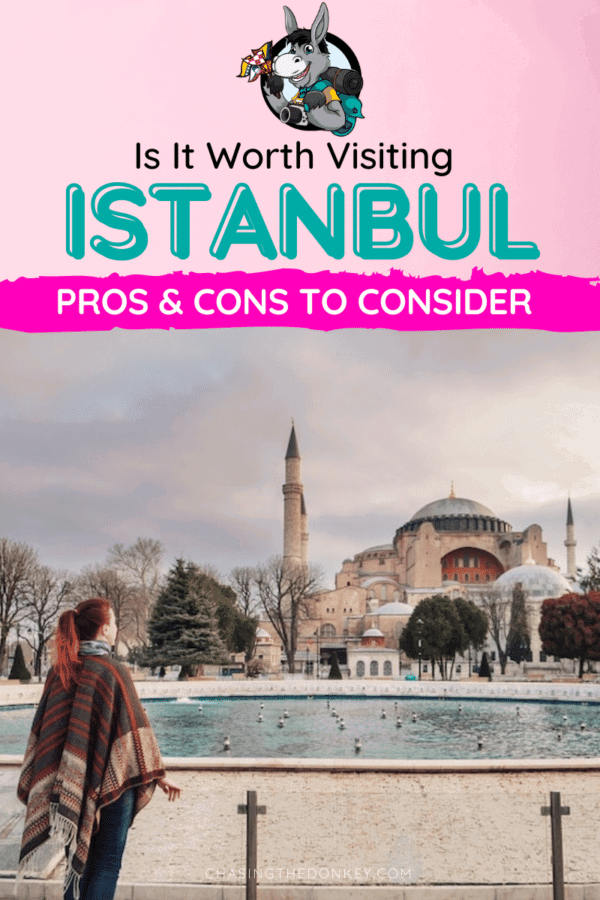
For starters, Istanbul has one of the highest concentrations of major tourist attractions in Turkey. Just in the central Sultanahmet neighborhood alone, you have the Hagia Sophia Mosque, the Blue Mosque, and the Basilica Cistern (scroll down for more details). At the same time, the splendors of the Topkapı Palace and the floral beauty of Gülhane Park are a short stroll away.
As with most cosmopolitan places worldwide, Istanbul is a hub for good food, whether you want a glam, fine dining experience or a kebab from a local street stall.
The same principle extends to shopping: if you want a touristy memento, you’ll find plenty of places in the Grand Bazaar willing to sell you pottery, clothing, or a magnet, but there are also huge malls that offer a more contemporary look at Turkish fashion.
There are also plenty of green spaces you can escape to on the outskirts of the city center if the bustle becomes a bit too much. Some of the most popular with locals, for example, are Belgrad Forest and the Princes’ Islands.
Pros And Cons Of Istanbul
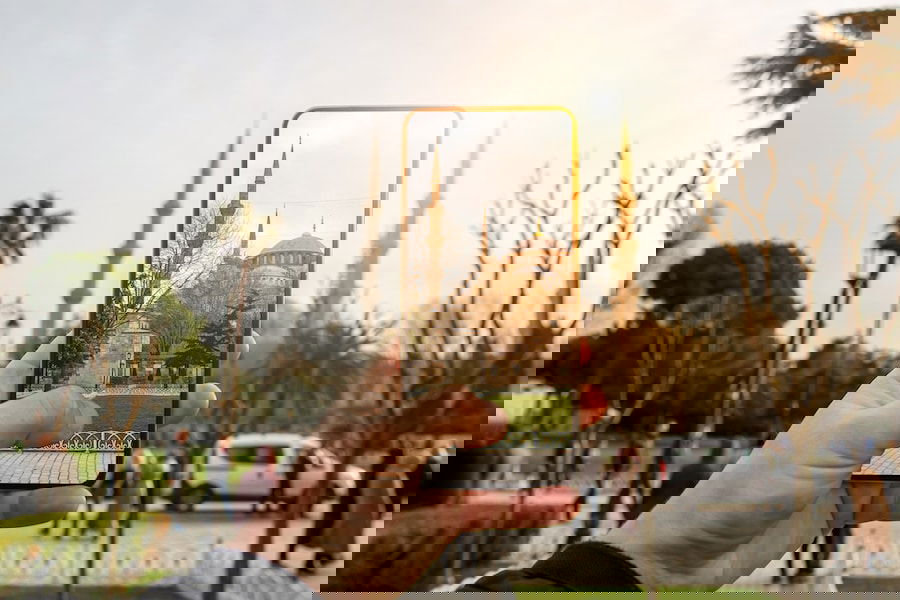
While we’ve so far focused on the good reasons or ten why you should plan a visit to Istanbul, it’s not all plain sailing. In this section, we’ll briefly outline the main pros and cons of a trip to this vibrant city, including its safety.
A Rich History
From the Byzantines to the Ottomans, Istanbul is bursting with reminders of the city’s storied past, including its role as the final capital of the Byzantine (Eastern Roman) Empire and later as the Ottoman imperial capital.
Great Public Transport
While not all forms of transport in this unique city are easy to navigate for tourists, the metro and the tram are both straightforward and make it easy to reach all the popular tourist areas of town that a visitor might wish to see.
Ride Hailing
In Istanbul, you can use BiTaksi and the Uber app to request licensed taxis (Uber here operates as a taxi-hailing service rather than a private car service in most cases).
Affordable
Turkey, in general, is not expensive compared to European cities. Of course, everything costs more in Istanbul because it’s such a tourist hotspot and a desirable place to live, but it’s still affordable in the grand scheme of things.
Cuisine
There’s rarely a time when you can’t get a delicious meal in Istanbul; the streets of Istanbul have so many corner food stalls, restaurants, taverns, and cafes vending all kinds of local specialties and Turkish coffee to keep you awake throughout the night.
Nightlife
Speaking of the night, Istanbul has the biggest selection of clubs and bars in Turkey. The country’s most populous metropolis has a more liberal outlook than many other areas, making for a buzzier party scene.
Good Weather
Istanbul may not have summer weather that’s as reliably beach-hot as Bodrum or Antalya. Still, late spring through early autumn (roughly May to September) is generally warm, while April and October are often cooler and wetter.
Crowded
One of the main reasons not to visit Istanbul is the swarm of locals and visitors. Admittedly, what big city isn’t full of people? But for those looking for a quiet getaway to relax and refresh, this isn’t the place for you.
Congestion
Linked to the sheer volume of people is the congestion. Traffic can be absolutely horrendous during peak times when public transportation also becomes stiflingly packed.
Language Barrier
Turkey is not one of those countries where everyone speaks English. Of course, this being Istanbul, there are more English speakers than elsewhere in the country, but be prepared to muddle along with hand gestures at local stalls.
Taxi Scams
There are a couple of common scams you’ll come across in Istanbul, but there’s nowhere you’re more likely to be cheated than in a taxi. From fiddling with the meter to giving incorrect change to insisting on a massive tip, taxi drivers have several ways they try to swindle unwitting tourists. We recommend you avoid them unless absolutely necessary.
Pickpocketing
Istanbul is far from the worst place we’ve traveled to for pickpocketing. However, it would be best if you were still on the lookout for opportunistic criminals near popular attractions who might take advantage.
Terrorism
We must stress that terrorism is not common, and you certainly shouldn’t feel that going to Istanbul is like gambling with your life. However, it would also be negligent not to mention that several governments (including the USA and countries in the EU) have warned their citizens that they are at risk of being targeted by terrorists.
When Is The Best Time To Visit Istanbul
The best time to visit Istanbul depends on whether you prioritize good weather or avoiding crowds. In summer (especially July and August), daytime highs are typically around 82–86°F (28–30°C), and these months also bring peak crowds.
Overall, the shoulder months of April, May, September, and October are probably the best times to visit Istanbul. Expect more moderate weather than mid-summer—roughly: April ~63°F/17°C highs, May ~72°F/22°C highs, September ~77°F/25°C highs, October ~66°F/19°C highs (with cooler nights, especially in April and October).
If you want to explore the city with decidedly fewer visitors, head to Istanbul from November to February. Just be warned that you will likely experience wetter weather and fewer daylight hours.
Brands We Use And Trust
What Does Istanbul Offer For History Fans
Istanbul packs an exceptional amount to see, spanning Byzantine, Ottoman, and modern eras. So much has survived from the Byzantine and Ottoman periods, with even older pieces housed in the Istanbul Archaeology Museums.
We’ve highlighted only our absolute favorite spots here, but you can see a more detailed list of historical sights to explore in the city in our other Istanbul posts.
Hagia Sophia
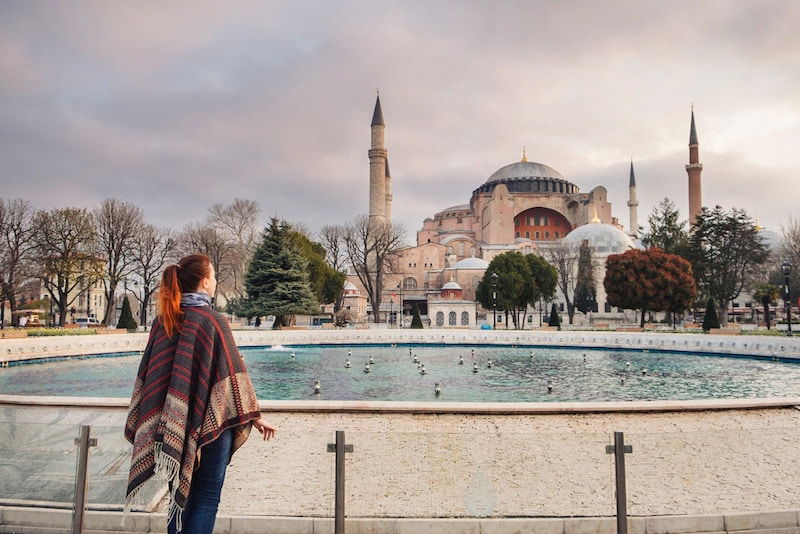
The Hagia Sophia has been a symbol of the city for over a thousand years and is possibly the most famous place to visit in Istanbul. Originally constructed in 537 by Emperor Justinian I of the Byzantine Empire as a Christian church, it was converted into a mosque after the fall of Constantinople in 1453, and then became a museum. Just a few years ago, it was reconsecrated as a mosque.
Right in the heart of the Sultanahmet district, the Hagia Sophia’s famous dome and quartet of minarets are readily recognizable on the horizon. The insides are just as splendid, filled with gilded mosaics, golden script, and glittering chandeliers.
As of January 15, 2024, Hagia Sophia introduced a separate visitor route and ticketing for sightseeing. If you’re visiting for cultural exploration, there is a paid entry ticket (verify the current price before you go; I paid 25 euros last time).
This ticket grants you access to the gallery floor, where you can admire the sanctuary’s stunning Ottoman and Byzantine features, including the historic mosaics.
This new policy is all about balancing the preservation of this iconic site and enhancing the visitor experience, while ensuring that daily worship remains undisturbed.
Handy QR codes offer multilingual insights onsite; check the official Hagia Sophia visitor information for the current language list and how the system works. For the latest updates and details, it’s a good idea to check out their official website.
Blue Mosque
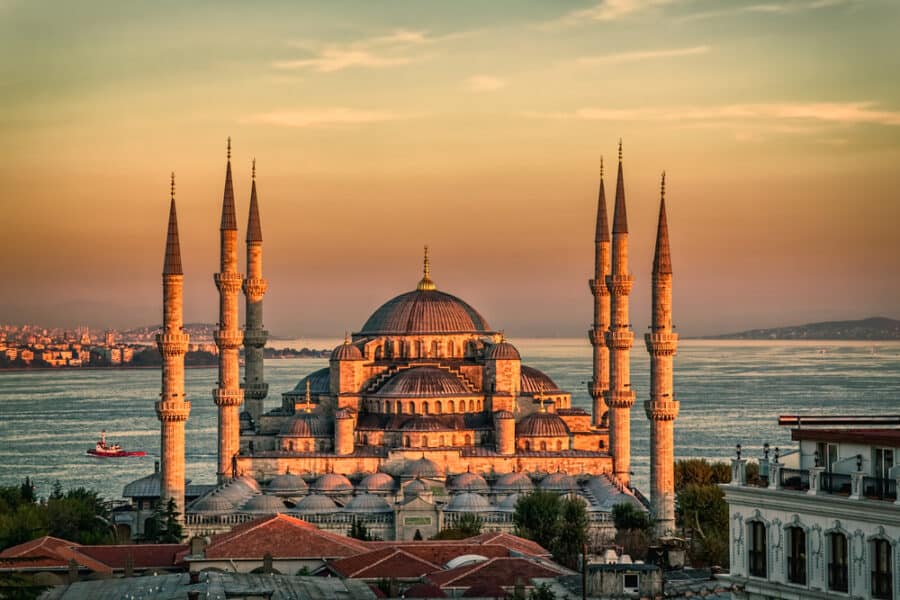
Facing the Hagia Sophia across Sultanahmet Square, the Blue Mosque was commissioned in 1609 and opened seven years later. Officially known as Sultanahmet Mosque, it is named after the man who ordered its construction, Ahmed I, and was designed to become the new imperial mosque.
As such, it had to be bigger and better than the Hagia Sophia, and we can’t help but marvel at the building’s enormity every time we visit: there are around 20,000 İznik tiles, about 260 windows, a large central dome with smaller domes/semi-domes, and six minarets.
It’s a common misconception that the Blue Mosque got its nickname because of the pastel blue color of its domes as seen from the exterior, when in fact the moniker comes from the vivid blue Iznik tilework decorating the interior.
Basilica Cistern
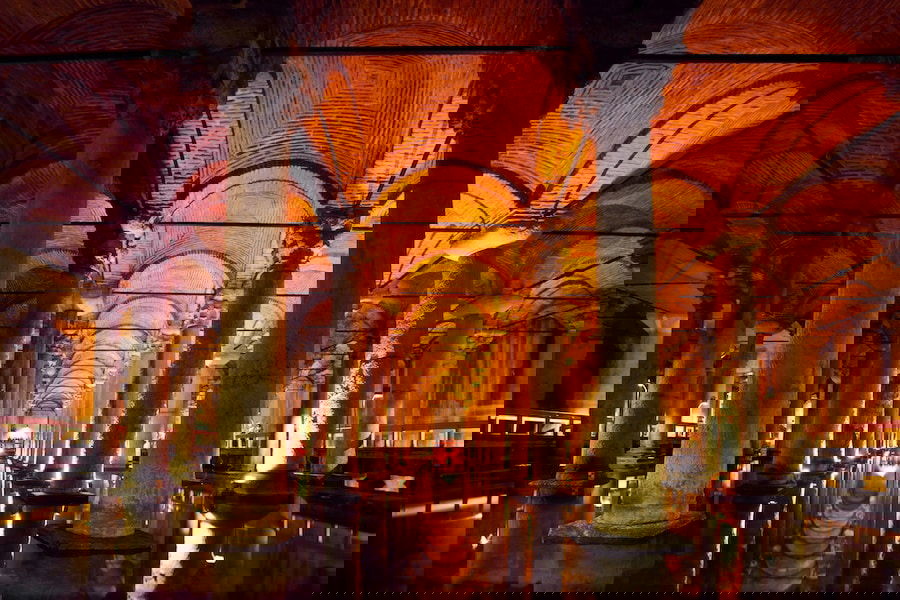
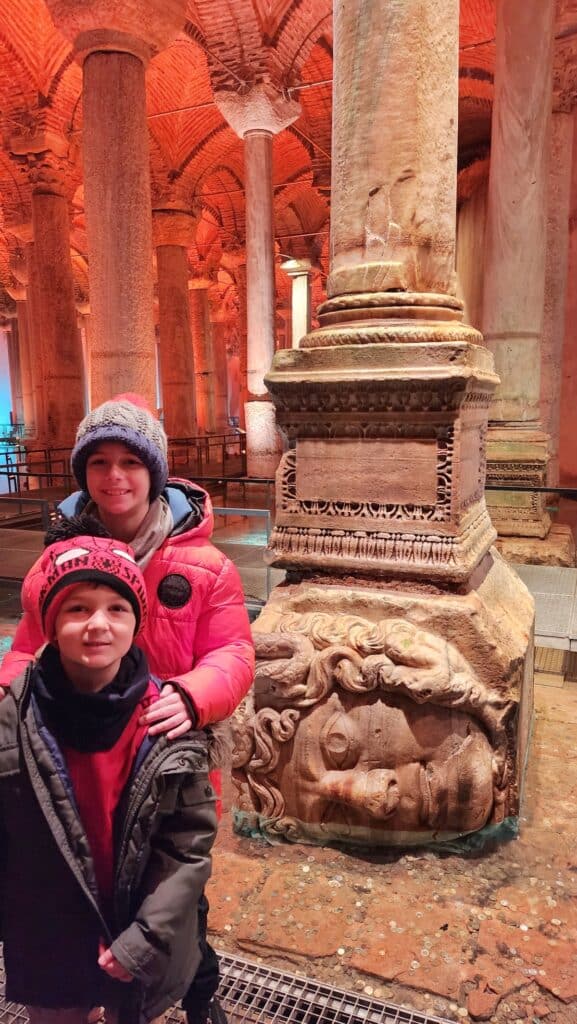
Another relic from the reign of Emperor Justinian I, the Basilica cistern dates to 532 AD and was used to store water for the city of Constantinople. Today, the echoey subterranean cavern contains only a shallow pool to illustrate its former purpose.
As you wander between the 336 columns that make up the space, keep an eye out for the Medusa head bases. These intricately sculpted gorgon faces, like the rest of the structure, were pillaged from nearby ancient ruins but have become the subject of their own legends.
Topkapi Palace
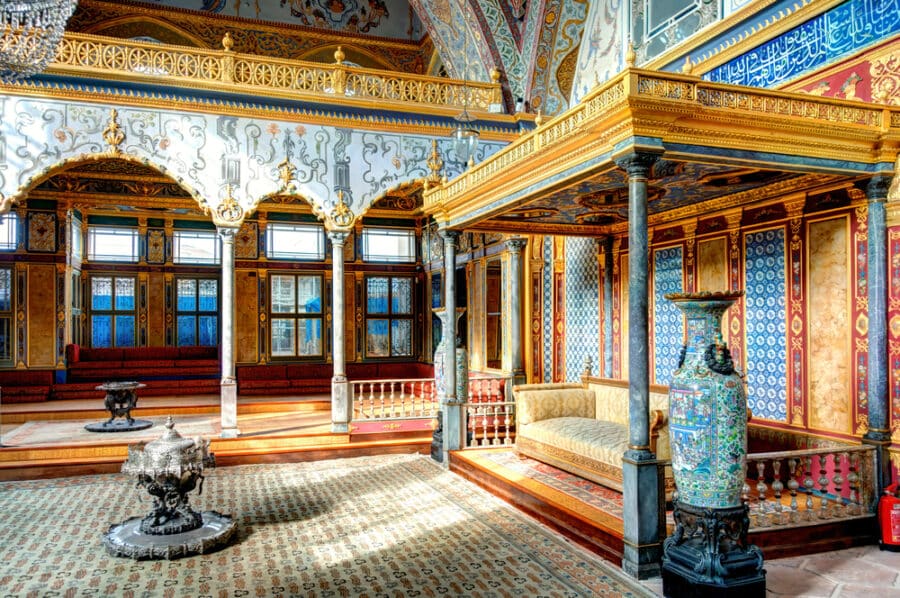
For nearly 400 years, the Topkapi Palace was the principal residence of many of the Ottoman Sultans. Mehmed the Conqueror began building the luxurious complex in 1459 atop a hill beside the Bosporus so he could look down upon the entire city – and so that his subjects could all see the symbol of Ottoman power looming above them.

Today, the Topkapi Palace is one of the most elaborate remnants of the old Ottoman Empire, with colorful tilework, sculpted gardens, and impressive marble structures.
If you have a little extra time (and the inclination), visit Hagia Irene while you’re here—one of the few Byzantine-era churches in Istanbul that was never converted into a mosque (alongside the Church of St Mary of the Mongols).
Galata Tower
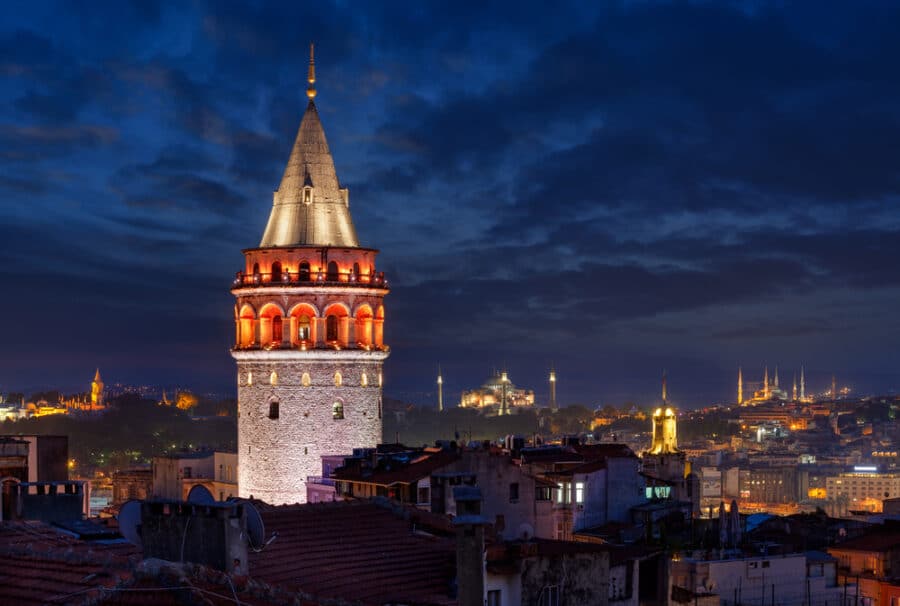
While there isn’t as much to discover at the Galata Tower as at the other places on our history highlights list, the circular stone building has some of the best views you’ll find in Istanbul.
Completed in 1348, it was a landmark Genoese tower and, for centuries, one of the tallest structures on Istanbul’s skyline; its Romanesque style is attributed to the Genoese builders.
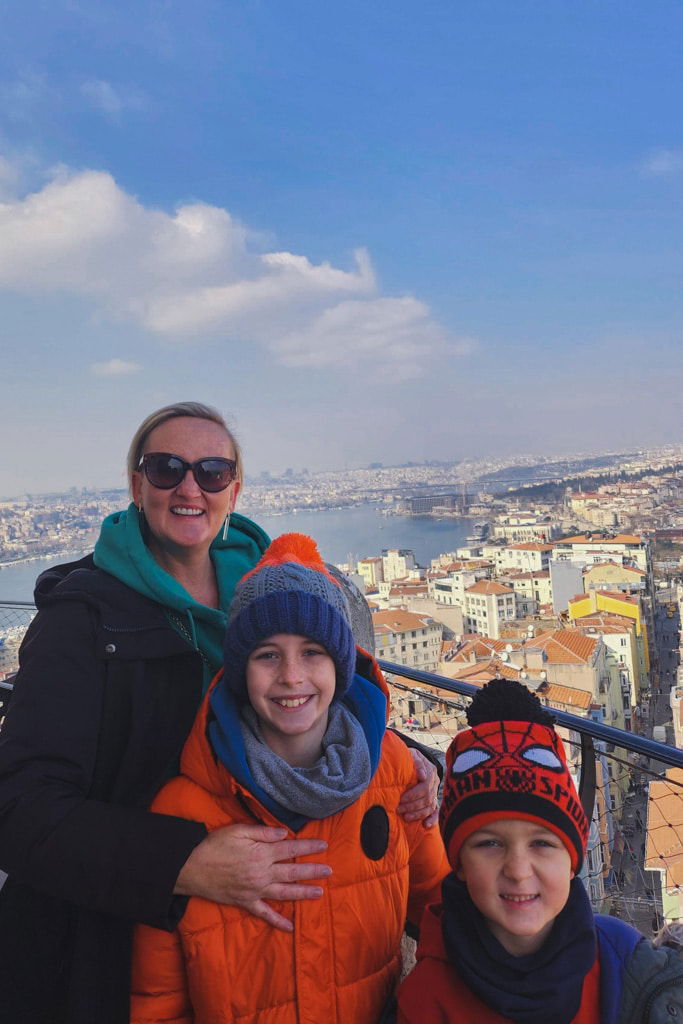
Since the 1300s, it has served various roles, including as a watchtower/fire tower, before becoming a museum. We always tell visitors to time their visit to coincide with one of the daily calls to prayer so they can enjoy the sensation of being enveloped in a chorus of melodic voices reciting the adhan.
Dolmabahçe Palace
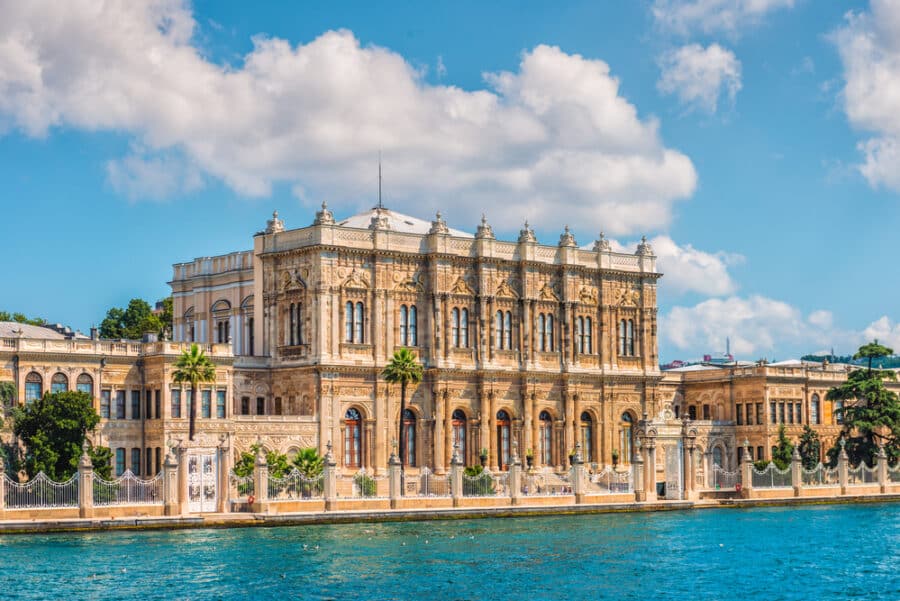
Rounding off this list, we’ve included a modern building that is also an important part of the long history: the Dolmabahçe Palace. This luxurious, neo-baroque beauty holds an enviable spot on the banks of the Bosporus and dazzles with its gold-and-crystal interiors.
Abdülmecid I commissioned it because he felt that the Topkapı Palace looked dated compared to Western palaces. Construction began in 1843, and the palace opened in 1856.
Dolmabahçe later served as the presidential residence of Mustafa Kemal Atatürk (who died here on November 10, 1938) and is now a museum palace open to visitors.
What Unique Experience Does Istanbul Offer
The Bosporus
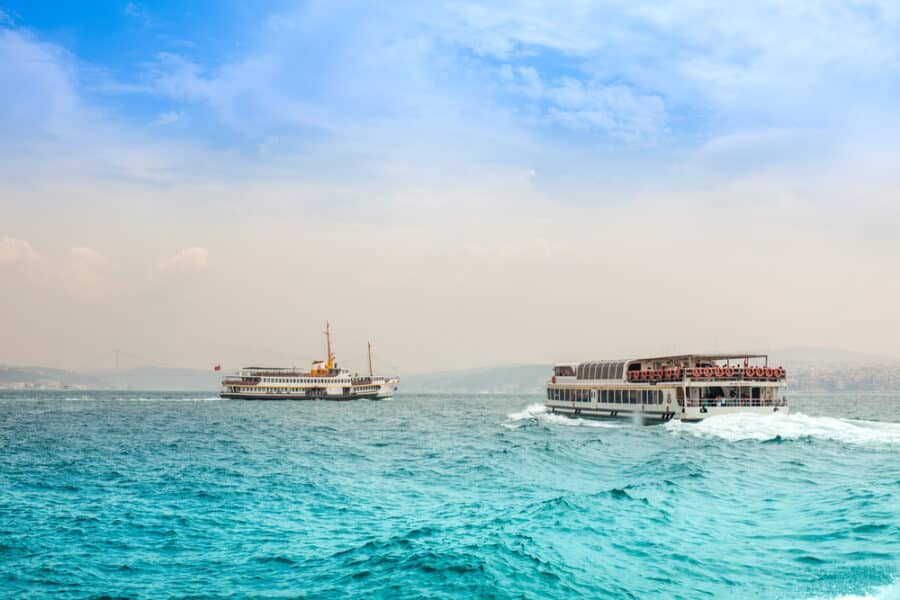
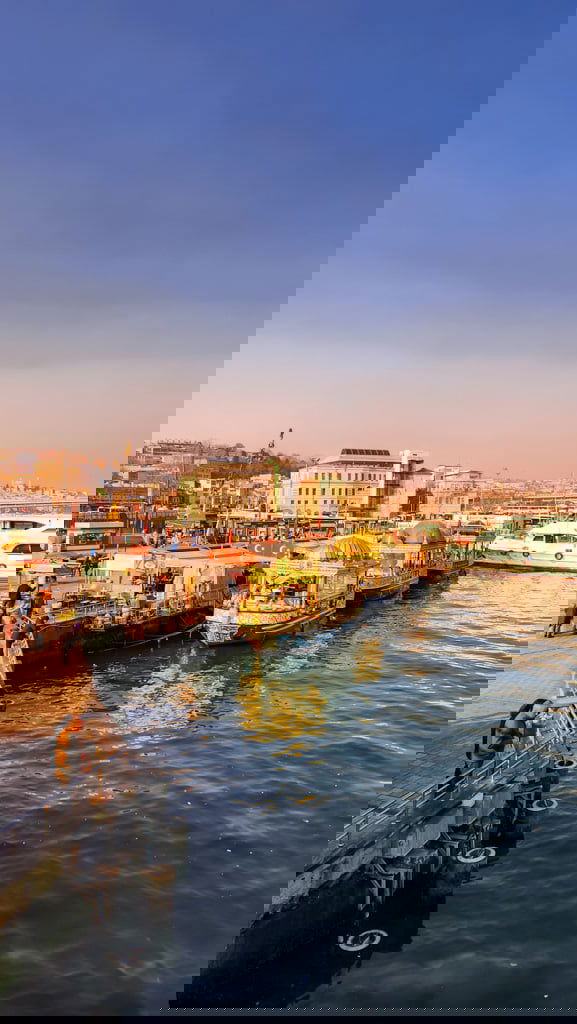
How could we talk about Istanbul tourism without mentioning the iconic waterway that separates the European and Asian sides of the metropolis? It doesn’t matter what time of day it is; the Bosporus makes for a picturesque backdrop for morning tea, afternoon drinks, or evening meals.
Ride the local ferry from Eminonu to Ortakoy, or take a private cruise on the waters to see some of the city’s striking waterside palaces. You can even opt to enjoy dinner onboard as you sail past the glittering lights of Istanbul at night.
Hammams
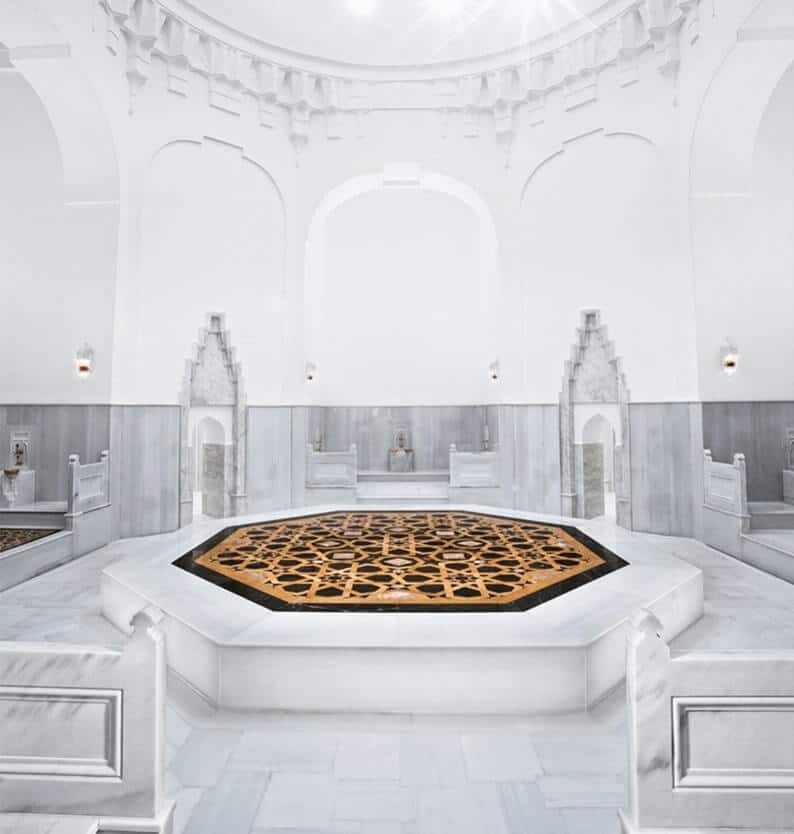
The Turkish hammam, as a concept, has been exported worldwide, but nowhere does it do better than in its homeland. While there are loads of traditional Turkish baths spread throughout the city, we are especially fond of Kilic Ali Pasa, which is set in a remarkably restored building, so you feel like you are continuing your sightseeing. In reality, you’re mainly just enjoying a bit of self-indulgent pampering.
A great option for first-timers, the staff will explain the routine beforehand, so you know what to expect. Other hammams we can recommend are Cagaloglu Hammam and Hurrem Sultan Hamami.
Whirling Dervishes
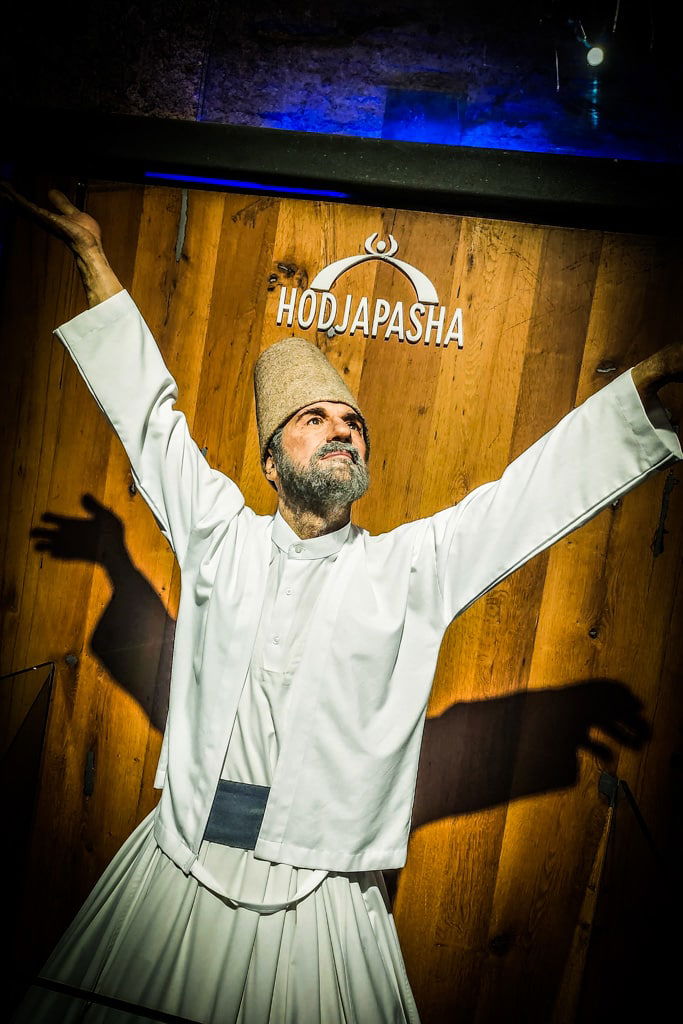
You’ve probably heard of whirling dervishes, but other than the name and perhaps a Turkish Airlines ad or two, you probably don’t know much about the practice. At the Galata Mevlevi Museum, you can delve deeper into the history and culture of the Mevlevi sect.
UNESCO recognizes the Mevlevi Sema ceremony as Intangible Cultural Heritage. Regular performances are also arranged throughout the week.
Wine Tasting

Did you know that Turkey has a thriving wine scene? In fact, the country has some of the oldest wine cultivation roots in the world, dating back millennia. There are several wine bars in Istanbul where you can try some of the nation’s varietals, but a much more exciting option is to arrange a day trip or even an overnight stay at one of the vineyards just outside the city.
Culture In Istanbul
Beyond the major attractions and activities, another factor to consider when deciding whether to visit Istanbul is the city’s culture. For some of you, the high point of a holiday is seeing the sights; for others, it’s about immersing oneself in the local experience. So, what does Istanbul have to offer?


Istanbul, as a tourist destination, is a foodie’s paradise. There are lots of local specialties you should try while you’re in town, whether in popular restaurants or from a street food stall. Here are just some of the many delights to put on your ‘must eat’ list:
Kebabs
There are tons of different types of kebabs you can find in Istanbul. Still, the most common are shish kebabs (marinated meat pieces on a pointy skewer), Adana kebabs (ground and spiced meat on a flat skewer), and doner kebabs (ground meat on a vertical rotisserie). These different kebabs can also be found as components of other really popular Istanbul dishes, such as Iskender kebabs (sliced doner kebab meat slathered in tomato sauce over flatbread) and dürüm (essentially kebab meat shoved in a wrap with salad and sauce).
Lahmacun
Sometimes called Turkish pizza, this dish is a flatbread topped with minced meat, spices, herbs, and ground veggies (e.g., peppers, onions, and tomatoes).
Pide
Another dish, sometimes referred to as Turkish pizza, Pide, has a thicker base and looks more like a rowing boat cradling delicious ingredients like eggs, cheese, spinach, and ground meat.
Traditional Turkish Breakfast
They say breakfast is the most important meal of the day, which must be why breakfast platters in all parts of Turkey come with such a rich array of foods, including olives, tomatoes, cold cuts, local cheeses, dips, and freshly baked bread, as well as that essential cup of black tea served in a tulip-lipped glass.
Borek
Borek is sometimes found as part of a Turkish breakfast, though you can also purchase it on its own. These pastries are made from thin sheets of dough, most commonly with feta cheese and spinach, though, as you can imagine, there are all sorts of variations.
Baklava
Arguably the most famous Turkish dessert, baklava, is a filo pastry traditionally filled with sugar syrup and crushed pistachios – though walnuts are also a popular filling.
Nightlife
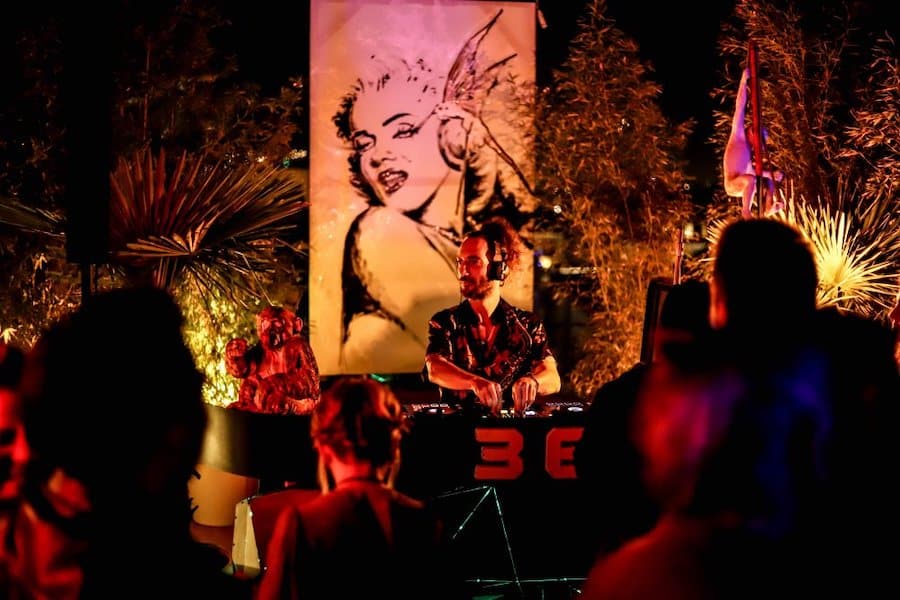
As we’ve already mentioned, Istanbul is probably the best place in Turkey for nightlife. We’ve previously written a detailed article about where to party in the city, but here are some of the districts to check out if you’re looking for evening drinks and/or dancing:
Beyoğlu
Containing Taksim Square and Istiklal Avenue, this is the throbbing heart of modern Istanbul, where you’ll find a dense collection of bars and clubs. Nevizade Street, in particular, is famous for its late-night atmosphere where you can experience meyhane (a kind of local tavern), complete with music and eats.
Besiktas
North of Taksim, Besiktas isn’t quite as frenetic but still has plenty of places to enjoy a fun evening, particularly around the Carsi (literally ‘market’) area.
Kadikoy
Take a walk on the Asian side of Istanbul and discover a world of chill bars filled with craft brews and a younger-leaning crowd. Prices tend to be cheaper east of the Bosporus, especially in one of the neighborhood’s dive bars.
Karaköy
Beneath the gaze of the Galata Tower, Karaköy has several rooftop bars and cocktail joints, in a district that’s transformed from a purely commercial area into one of the city’s artsier parts.
Shopping
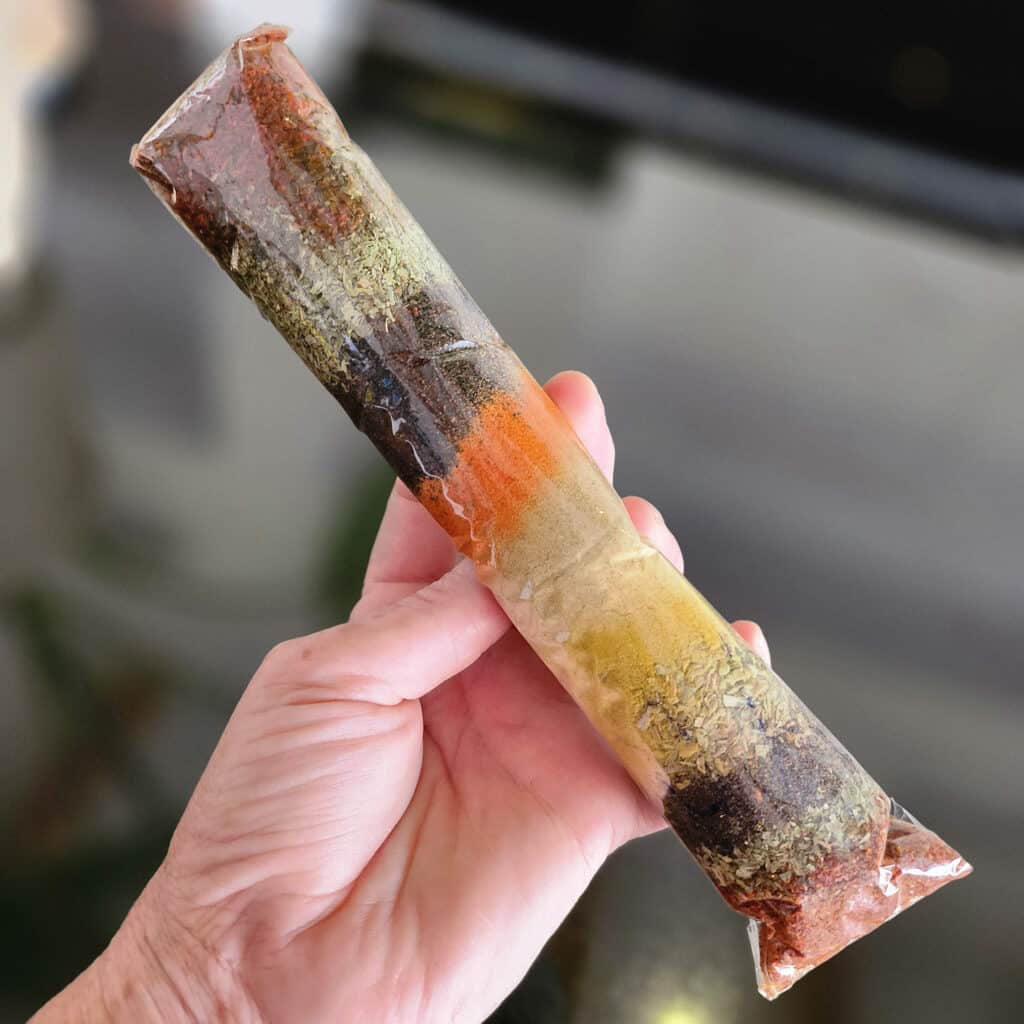
People shopping in Istanbul often find themselves pushed toward the old bazaars. While these places are perfectly fine for a slightly overpriced souvenir or just for the experience, there are many other forms of retail therapy to enjoy, from markets to malls. Here’s a brief overview:
Bazaars
The most famous shopping destination in Istanbul is the Grand Bazaar, which dates back to a covered marketplace established in the mid-1400s. Since then, it’s grown to encompass more than 60 streets and thousands of shops, most catering to visitors rather than locals. A short walk away, you’ll also find the Egyptian Bazaar, also known as the Spice Market, which generally focuses more on foodstuffs.
Markets
There are weekly street markets across Istanbul that cater to the need for fruit, vegetables, apparel, and other everyday items. If you’re someone with an eye for a bargain, this is where you’ll find it – don’t expect anyone to speak English. Some of the most popular are the Kadikoy Tuesday market, the Ortakoy Thursday markets, and the Besiktas Saturday Market.
Malls
There are some huge modern malls in Turkey, filled with a mixture of domestic fashion brands and international names you can find anywhere in the world – plus a selection of restaurants and entertainment (think bowling alleys and movie theaters).
One of the biggest is Forum Istanbul, set on a 495,000 m² site and home to major entertainment anchors (with other popular malls including Cevahir and İstinye Park).
So now you should have decided. Tell us, is Istanbul worth visiting for you?
Move This Adventure To Your Inbox & Get An Instant Freebie

No spam. Unsubscribe at any time.
Istanbul Turkey FAQs
Quick answers to the questions people ask most when planning an Istanbul trip right now.
Is Istanbul worth visiting for first-timers?
Yes—if you like history, food, and energetic cities. Istanbul offers world-famous landmarks in a compact area (especially around Sultanahmet), plus neighborhoods, ferries, markets, and nightlife that make it feel like more than a checklist trip.
What are the top reasons to go to Istanbul?
For us, it’s the mix of bucket-list history and everyday food culture: big sights like Hagia Sophia and Topkapı Palace, then simple wins like a Bosphorus ferry, a rooftop view, and grabbing a dürüm or lahmacun from a small local spot after wandering around Galata.
What is Istanbul famous for?
The Hagia Sophia is probably Istanbul’s most famous attraction, with other headline sights including the Blue Mosque and Topkapı Palace. It’s also known for straddling two continents, reflecting the city’s role as a bridge between Europe and Asia for centuries.
How many days do you need in Istanbul?
You can squeeze most major sights into a hectic three days, but you’ll move fast, and it can blur together. We usually suggest at least five days if you want to see the main attractions, plus time for a hammam and a slower evening—like a rooftop drink beside the Bosphorus.
When is the best time to visit Istanbul?
Generally, April–May and September–October are popular for sightseeing because they’re typically milder than mid-summer. July and August are hotter and busier; winter has fewer crowds but cooler, wetter weather and shorter daylight.
Is Istanbul safe for tourists right now?
Most visits are trouble-free, but you should take big-city precautions (especially in crowded tourist areas and on public transport) and check your government’s current travel advisory for the latest security guidance.
What should travelers know about Hagia Sophia entry?
Hagia Sophia has separate access rules for worship and sightseeing, and ticketing/routes can change. Confirm the current visitor entrance, hours, and any paid ticket requirements on official sources near your visit.
What are the most unique things to do in Istanbul?
A Bosphorus ferry or cruise is hard to beat—especially on a clear day—because you get a front-row seat to the city from the water. Add a traditional hammam, a rooftop sunset view, and exploration of both the European and Asian sides for a trip that feels uniquely Istanbul.
What’s the best way to get around Istanbul?
Public transport is often the fastest for sightseeing: trams/metro/ferries cover the main areas well. For taxis, use official taxis and reputable taxi-hailing apps; confirm the route and price expectations before you ride.
Does Uber work in Istanbul?
Yes, but in Istanbul it generally works as a way to request licensed taxis rather than the private-car rides people expect in some other countries.
Where should you stay in Istanbul?
For first-timers focused on landmarks, Sultanahmet is walkable to the major sights. For a more modern base with nightlife and dining, Beyoğlu/Galata/Karaköy is convenient. For a local feel on the Asian side, Kadıköy is a favorite.
Who is Istanbul best for?
History buffs, foodies, and anyone who likes a big, buzzing city with loads to do—especially travelers who enjoy walking neighborhoods and mixing culture with good eating.
Who should not visit Istanbul?
If you want a feet-up beach break, or you struggle with lots of walking and crowds, Istanbul can feel intense. That said, plenty of families do visit—plan shorter sightseeing days, use trams/ferries, and build in park time and breaks.
Do you need cash in Istanbul?
It’s smart to carry some cash for small purchases (snacks, market stalls, small shops), but cards are widely accepted in hotels, restaurants, and larger stores.
Is Istanbul expensive compared to Europe?
It can feel more affordable than many Western European capitals, but costs vary a lot by neighborhood and season. Tourist zones and rooftop venues are priced higher; local eateries and public transport can help keep daily costs reasonable.
Can you visit Istanbul without speaking Turkish?
Yes. In tourist areas, hotels, and many restaurants, you can usually get by in English, but it helps to learn a few basics and use a translation app for markets, taxis, and smaller local spots.
Where should you stay in Istanbul?
For first-timers focused on landmarks, Sultanahmet is walkable to the major sights. For a more modern base with nightlife, Beyoğlu/Galata/Karaköy is convenient. For a local feel on the Asian side, Kadıköy is a favorite.
- Tips For Visiting Istanbul
- Turkish Breakfast In Istanbul
- Day Trips From Istanbul Worth Taking
- Visiting Istanbul During Ramadan
- How Many Days In Istanbul Is Enough?
- Romantic Places In Istanbul
- Where To Eat In Istanbul
- Best Places in Turkey to Visit
- A Guide To Kadikoy
- Autumn In Turkey – What To Expect & Where To Go