

Southeastern Turkey is one of the country’s most culturally rich and historically layered regions, offering you ancient cities, extraordinary cuisine, and a deeply rooted local way of life that feels worlds away from Turkey’s beach resorts. Stretching across Upper Mesopotamia near the Tigris and Euphrates Rivers, this region includes cities like Gaziantep, Şanlıurfa, Diyarbakır, and Mardin—places where early civilizations, Islamic heritage, and modern Turkey intersect.
Based on first-hand travel through the region, this guide explains what southeastern Turkey is really like today, how safe it is to visit, what to wear and eat, and how to plan a realistic itinerary.
Skip Ahead To My Advice Here!
Top Destinations In Southeastern Anatolia
| City | Known For | Key Highlights |
|---|---|---|
| Gaziantep | Cuisine & Museums | Zeugma Mosaic Museum, baklava |
| Şanlıurfa | Religious History | Göbekli Tepe, Balıklıgöl |
| Diyarbakır | City Walls & Heritage | Historic walls, Ulu Mosque |
| Mardin | Architecture & Views | Old town, monasteries |
If you want something that feels more local and less polished, you need to look beyond Turkey’s beach resorts. Places like Istanbul and the south coast are fantastic, but they’re heavily touristic and don’t reflect everyday life in much of the country.
How Southeastern Turkey Differs From The Rest Of The Country
What sets southeastern Turkey apart from the rest of the country is how deeply rooted daily life still is in tradition. While many customs are shared across Turkey, the southeast feels more like a meeting point of old and new.
The Southeast of Turkey is a more conservative area, so there are some things you’ll need to bear in mind if you’re heading off to explore. But that shouldn’t put you off. As long as you know the area and what to wear to avoid drawing unwanted attention (more on that later), you’ll have a truly enriching experience and meet so many welcoming, wonderful people who will do everything they can to make your visit as special as possible.
Of course, that’s not to say the regular tourist parts of the country are any less special; everything about Turkey is special. But if you’re someone who wants an adventure, the Southeast of Turkey will give it to you, and there are so many ancient sites to explore and delicious foods to try.
It’s different in ways that appeal to travelers looking for depth, culture, and history rather than polished resort experiences.
Is Southeastern Turkey Safe To Visit Right Now?
This is a common question, and I’ll do my best to answer it as accurately as I can. The truth is that the southeast part of Turkey has experienced some security concerns in the past due to regional conflicts and incidents related to terrorism. This is a predominantly Kurdish part of the country, and there have been clashes in the past.
It would be wrong to say that all the troubles are now over and nothing will ever happen again because we don’t know, and there are still brewing tensions between different groups in this region.
The southeast part of the country also shares a land border with Syria, which can sometimes exacerbate tensions near the border.
You may also remember that in February 2023, a huge earthquake devastated parts of Sanliurfa, Adana, Gaziantep, Hatay, and Diyarbakir, key cities in this part of the country.
But it’s not all doom and gloom.
It’s important to note that many areas in southeastern Turkey are considered safe for travel. Popular tourist destinations like Gaziantep, Sanliurfa (Urfa), Mardin, and Diyarbakir have seen increased stability in recent years, and they’re fantastic places to go.
So, while it would be wrong to say that this part of Turkey is 100% safe and totally fine to visit without concerns, it’s certainly not somewhere you should automatically avoid either.
This brings us to the subject of solo female travelers. Again, it’s not unsafe, but you do have to be careful. Personally, I’d cover up, and while you don’t have to cover your head in this part of the country if you don’t want to, I’d avoid any unwanted attention.
It’s also a good idea not to walk around alone at night and to stick to the main central areas. But let’s be honest, that’s standard advice for anywhere, right?
Of course, that doesn’t mean you shouldn’t still be careful. This is a conservative part of the country, and you should bear that in mind when you decide what to wear, how to act, and where to go.
As of now, major cities affected by the February 2023 earthquakes, such as Gaziantep, Şanlıurfa, and Diyarbakır, have largely resumed normal daily life, with tourism infrastructure operating as usual in central areas.
To help you out, let’s explore a bit further.
What To Wear When Visiting Southeastern Anatolia
Here are some suggestions for what to wear during your time:
Modest Clothing
As southeast Turkey is a conservative region, it’s best to dress modestly out of respect for the local customs. Opt for clothing that covers your shoulders, chest, and legs.
While you don’t necessarily have to cover your head as a woman, you might still want to consider it.
Lightweight Fabrics
The region can get quite hot during the summer months, so choose lightweight, breathable fabrics like cotton or linen to stay cool and comfortable.
Sun Protection
Don’t forget to bring a wide-brimmed hat or a scarf to protect yourself from the sun’s rays. Sunglasses and sunscreen are also essential.
Comfortable Shoes
Since you’ll likely be walking a lot while exploring southeastern Turkey’s beautiful landscapes and historical sites, make sure you have comfortable shoes suitable for uneven terrain.
Layering Options
In some areas of southeast Turkey, temperatures can drop in the evenings or during certain seasons. It’s advisable to bring layers, such as light sweaters or jackets, that you can put on or take off quickly as needed.
Respectful Attire For Religious Sites
If you‘re visiting mosques or other religious sites, both men and women should wear clothing that covers their arms and legs out of respect.
As a woman, you will have to cover your head if you’re going into the mosque, and both men and women will need to take off their shoes.
Brands We Use And Trust
Tips When Visiting The South East Part Of Türkiye
Do Your Research Beforehand
Know what you want to see in your itinerary, how to get there, and where you’ll stay.
Check The News Regularly
As I mentioned earlier, this part of the country has had safety concerns in the past, so it’s good common sense to keep an eye on the news.
Let Someone Know Where You’re Going
Let a family member or friend back home know where you’re going and when you’ll be there.
Purchase An eSIM
An eSIM will ensure you’ll have Internet access at all times, and you can check in with people back home and check the weather, news, and maps. While Wi-Fi is widely available in this part of the country, it can be sketchy at times. Having data will solve that problem.
Keep A Scarf Handy
Keep a pashmina in your bag in case you decide to enter a mosque or feel more comfortable covered up.
Think About Tours
In this part of the country, you will find many organized tours to the main sights, including walking tours around the key cities.
These are good ways to learn more from a knowledgeable guide, meet other like-minded travelers, and enhance your safety.
Stay Somewhere Central
While it might be a tiny bit more expensive to stay in a central hotel or hostel, it’s a much better idea because it keeps you from having to walk through residential or quieter areas, particularly at night.
What Is The Weather Like In Southeastern Turkey
The weather in Southeastern Turkey can vary throughout the year.
Spring (March-May)
Spring in southeast Turkey is generally mild and pleasant, with temperatures ranging from 10°C (50°F) to 20°C (68°F). It’s a great time to visit, as the landscapes are waking from the winter freeze and the flowers are blooming.
Summer (June – August)
Summers in southeast Turkey can be very hot, with temperatures often exceeding 30°C (86°F) and occasionally reaching 40°C (104°F). It’s advisable to stay hydrated and seek shade during the hottest parts of the day.
Autumn (September – November)
Autumn brings cooler temperatures between 15°C (59°F) and 25°C (77°F), making it an ideal time for outdoor activities. The region also experiences occasional rainfall during this season.
Winter (December – February)
Winters in southeast Turkey can be cold, especially at higher altitudes. Temperatures range from around -5 °C (23 °F) to 10 °C (50 °F). Snowfall is common in mountainous areas, creating beautiful winter landscapes.
Why Southeastern Anatolia Is Worth Visiting
Southeastern Turkey is a beautiful region known for its rich history, diverse culture, and stunning landscapes. So, what makes this part of the country stand out?
The history in this part of the country dates back to the earliest stages of civilization, and the architecture is simply mind-blowing; just walking around will show you different styles and centuries-old buildings. This is such a diverse part of the country that it offers different sides to explore, which is precisely what makes it so special.
Historical Sites
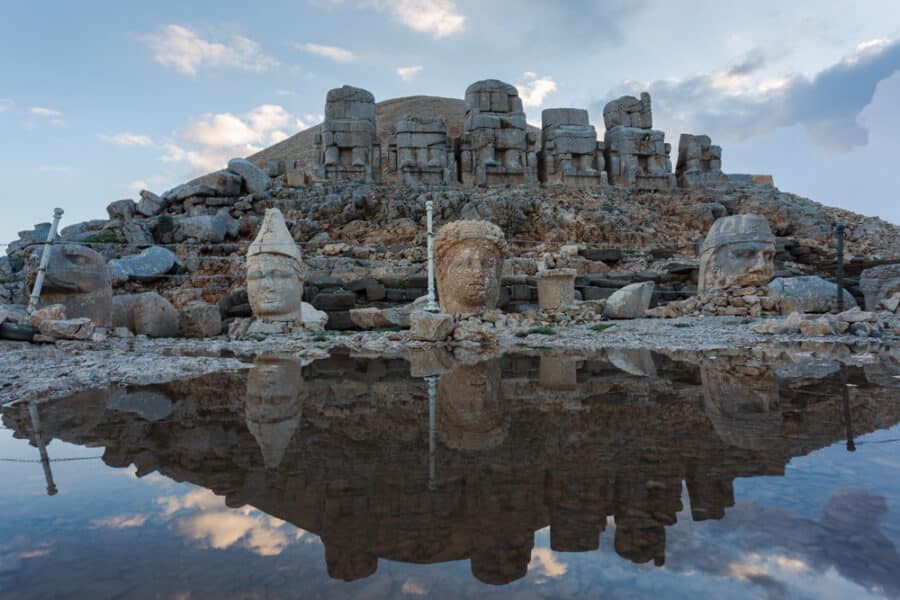
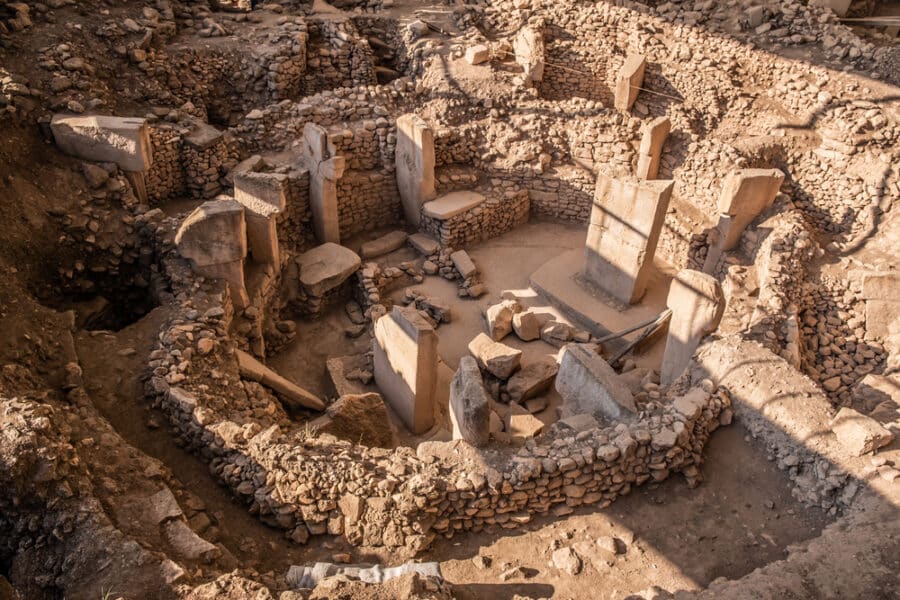
Turkey’s Southeast is home to many ancient cities and archaeological sites. One of the most famous is Göbekli Tepe, considered the world’s oldest temple complex, dating back over 11,000 years.
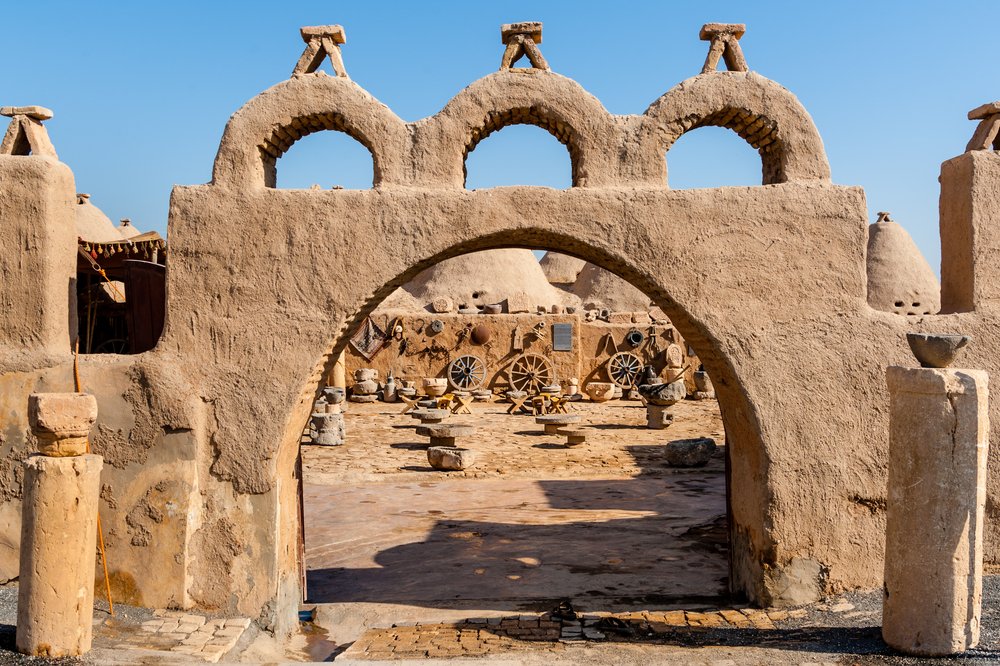
Other notable sites include the top of Mount Nemrut with its giant statues, Harran’s beehive-shaped houses, and the ancient city of Mardin.
Cultural Diversity
The region is known for its cultural diversity, thanks to its proximity to neighboring countries such as Iran, Syria, and Iraq. This diversity can be seen in architecture, cuisine, music, and traditional clothing.
Hospitality
Turkish people are renowned for their warm hospitality and friendliness towards visitors. You can expect to be welcomed with open arms by locals who will go out of their way to make you feel at home.
Cuisine
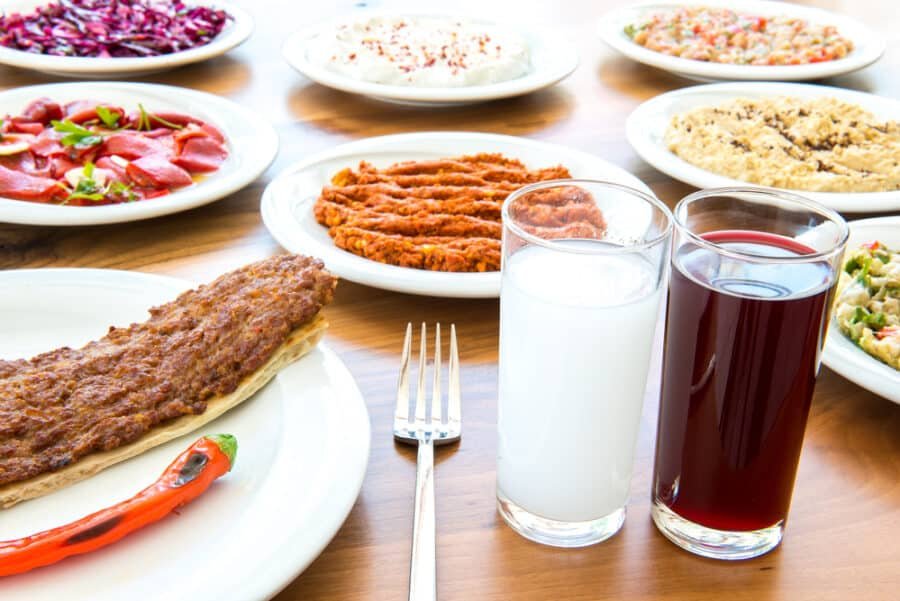
The region boasts a delicious culinary tradition influenced by various cultures throughout history.
Don’t miss out on trying traditional dishes like kebabs (such as Adana kebab), lahmacun (Turkish pizza), baklava (sweet pastry), and çiğ köfte (spicy raw meatballs).
However, if you don’t like spicy food, you need to learn the word for “not spicy” – acisiz. This part of the country is known for food with added heat!
Outdoor Activities
If you enjoy outdoor activities, southeastern Turkey has plenty to offer. You can go hiking in the Taurus Mountains or explore historic areas such as Hasankeyf Castle.
Local Handicrafts
The region is known for its traditional handicrafts, such as carpets from Gaziantep or Kilims from Mardin, which make great souvenirs to take back home—especially if you haggle for them at a local bazaar.
Discover The Best Cities & Towns In Southeastern Turkey
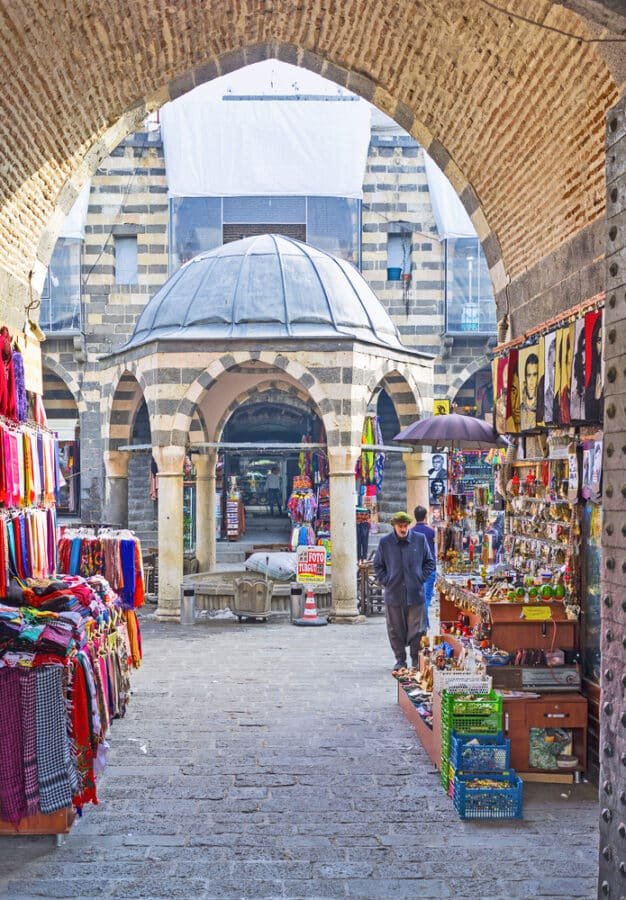
Gaziantep
Gaziantep is a city rich in history and renowned for its mouth-watering cuisine. Often referred to as Turkey’s culinary capital, it is home to world-famous dishes such as baklava and kebabs.
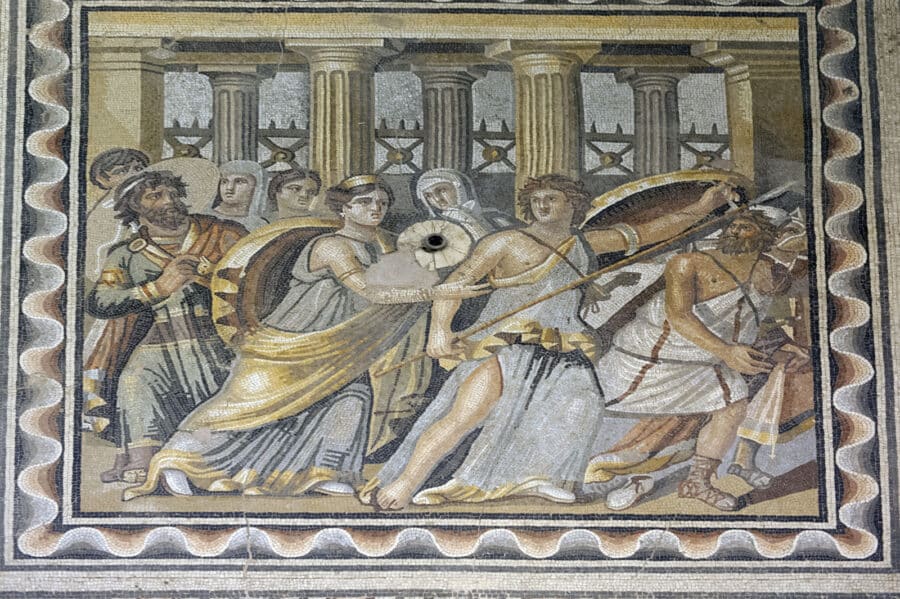
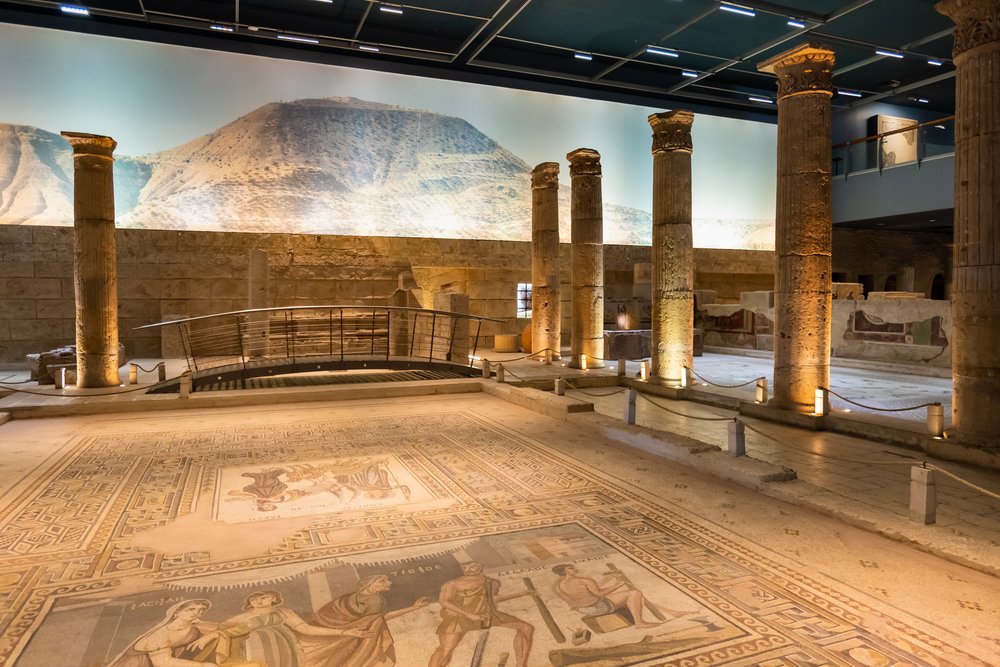
One of the city’s most prominent landmarks is the Gaziantep Castle, a testament to the city’s long history dating back to the Roman period. Walking through the streets of Gaziantep, you’ll also encounter numerous museums, including the Zeugma Mosaic Museum, housing some of the most well-preserved Roman mosaics in the world.
Şanlıurfa
Known as the city of prophets, Şanlıurfa (often called simply Urfa) is a treasure trove of historical and religious significance.
The city is home to Göbekli Tepe, the oldest known temple complex in the world, dating back to 9600 BCE, a site that is rewriting the history of civilization. Another key attraction is the Cave of Abraham, where the prophet is believed to have been born. As you explore the bustling streets, don’t miss the sacred Balıklıgöl (Fish Lake), a place tied to the story of Abraham and King Nimrod.
Diyarbakır
Diyarbakır is one of the largest and most culturally rich cities in Southeast Turkey. Once part of the Roman Empire, the city is now famous for its ancient walls, among the longest and best-preserved fortifications in the world.
Within its walls, you’ll find landmarks like the Ulu Mosque, one of the oldest mosques in Turkey, and the nearby ancient town of Hasankeyf, which sits along the Tigris River. This city is the heart of the region and a key stop for anyone exploring Southeast Turkey.
Top Places To Visit In Southeastern Turkey
Now you know all about southeast Turkey, the available itinerary options, why it’s so great, what attractions to explore, how to stay safe, and the main towns and cities.
Here are some standout places worth adding to your itinerary:
- Mount Nemrut: a UNESCO World Heritage Site featuring ancient statues and a stunning sunrise view
- Göbekli Tepe: the world’s oldest known temple complex, dating back over 11,000 years
- Harran: an ancient city with beehive-shaped houses and remnants of a grand mosque
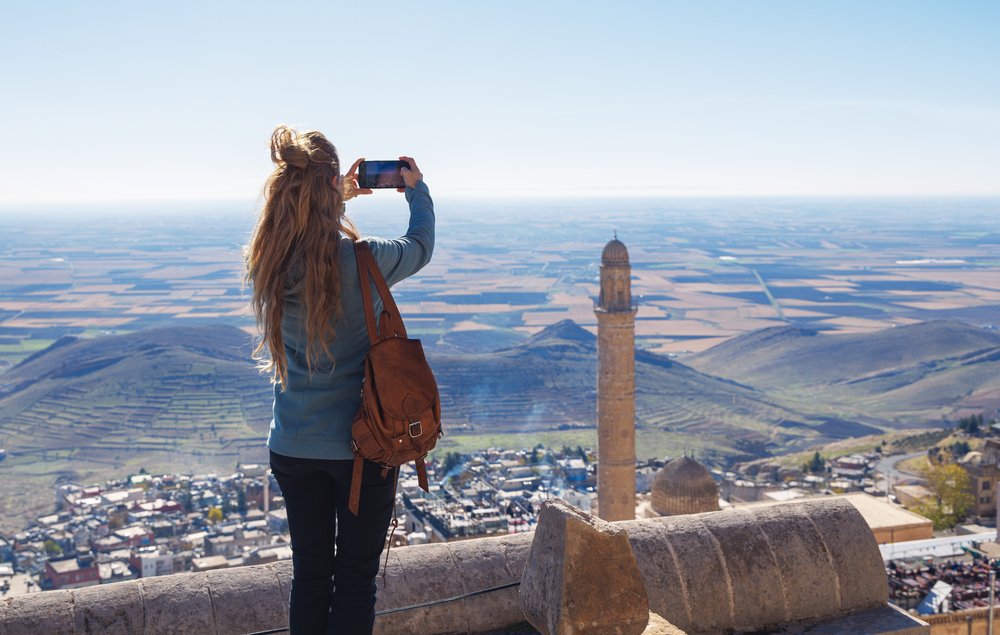
- Mardin City Centre: a picturesque city known for its historic architecture and stunning views of the Mesopotamian plains
- Hasankeyf: an ancient town on the Tigris River with cave dwellings, ruins, and a medieval bridge
- Diyarbakır City Walls: massive stonework walls surrounding the old city of Diyarbakır, offering panoramic views
- Urfa (Şanlıurfa): known as the “City of Prophets,” it has historical sites like Balıklıgöl (Pool of Sacred Fish) and Abraham’s Cave
- Zeugma Mosaic Museum: houses an impressive collection of Roman mosaics discovered in the Zeugma archaeological site near Gaziantep
- Gaziantep Castle (Gaziantep Kalesi): an ancient fortress offering panoramic views over the Gaziantep city center
- Dara Ancient City: ruins of an important Roman-Byzantine border fortress near Mardin with underground tunnels to explore
- Cendere Bridge (Septimius Severus Bridge): an ancient Roman bridge spanning the Cendere Stream near Adıyaman
- Halfeti Village & Rumkale Fortress: a charming village submerged under water due to a dam project, along with a nearby Byzantine castle
- Tur Abdin Region Monasteries: ancient monasteries such as Mor Gabriel Monastery (one of the oldest surviving Syriac Orthodox monasteries in the world) or Deyrulzafaran Monastery that showcase Syriac Christian heritage
- Hasankeyf Caves: a network of natural and artificial caves in Hasankeyf, once used as dwellings and storage areas.
- Malabadi Bridge: an impressive medieval bridge near the town of Silvan, known for its unique architecture
- Mount Ararat: the highest peak in Turkey, traditionally associated with the story of Noah’s Ark according to biblical accounts
- Mardin Museum (Mardin Müzesi): exhibits artifacts from different periods, including Assyrian and Roman eras
- Midyat Old Town: a well-preserved historic district with traditional stone houses adorned with intricate carvings
- Deyrulzafaran Monastery: an ancient Syriac Orthodox church and monastery near Mardin known for its beautiful frescoes and religious significance
- Tigris River Boat Tours: enjoy a scenic boat ride along the Tigris River, offering breathtaking views of the surrounding landscapes (these operate seasonally and are most commonly available near Hasankeyf, with schedules varying by water levels and local regulations).
This is not an exhaustive list, but can you see how much history, nature, and culture there is to see in this part of the country?
Food To Try In Turkey’s Southeastern Region
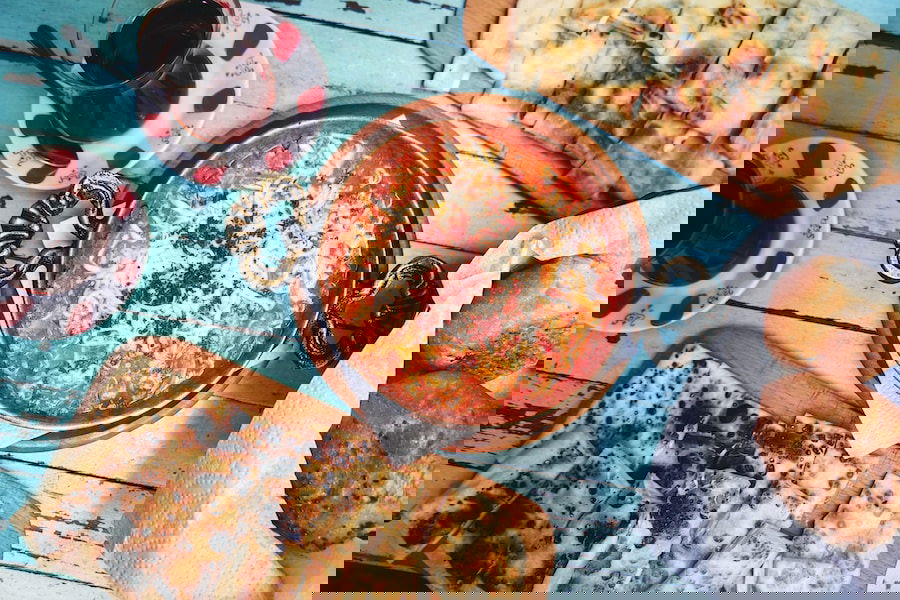
Turkish food, in general, is delicious. I mean, encountering such unique flavors is like something else entirely. But in the southeast, it goes to another level.
Gaziantep, in particular, is known for its street food, and the whole region loves spicy food. The produce here is fresh and delicious, and with centuries of cooking passed down through generations, you can be sure of a delicious meal no matter where you go.
Of course, you’ll find many of these foods all over the country, but there’s just something different about them in this region. Tastier? Perhaps!
So, what foods should you put on your must-try list when you visit southeast Turkey?
- Lahmacun: thin, crispy flatbread topped with minced meat, vegetables, and herbs
- Şiş Kebab: skewered and grilled marinated chunks of meat (usually lamb or chicken)
- Kadayıf: a sweet pastry made of shredded phyllo dough soaked in syrup and filled with nuts
- Dolma: stuffed vegetables like grape leaves or bell peppers filled with a mixture of rice, ground meat, and spices
- Çiğ Köfte: a bulgur-based mixture of spices and herbs traditionally made without raw meat and often served as a wrap or in lettuce leaves
- Şırnak Tava: a hearty dish made with lamb or beef cooked slowly in a tomato-based sauce along with potatoes and onions
- Ayran: a refreshing yogurt-based drink that is slightly salty and often enjoyed alongside meals
- Pistachio baklava: layers of thin pastry filled with nuts (usually pistachios) and sweetened with syrup or honey
- Pide: similar to pizza but typically boat-shaped; topped with various ingredients like cheese, ground meat, or vegetables
- Mardin Tarhana Soup: a tangy soup made from fermented grains mixed with yogurt, tomatoes, onions, mint leaves, and spices
- Urfa Kebabı: a mildly spiced grilled kebab known for its smoky flavor rather than heat
- Biryani Rice Pilaf: fragrant rice dishes cooked in broth with regional spices, commonly served alongside meat dishes
- Menemen: a delicious breakfast dish consisting of scrambled eggs cooked together with tomatoes, peppers, and onions, a must-try for anyone visiting the region
- Simit: sesame-covered bread rings that are crunchy on the outside but soft on the inside; often enjoyed with tea
- Manti: small dumplings filled with ground meat, typically served with garlic yogurt and drizzled with melted butter and paprika
- Turkish coffee: kick back and relax at a café and enjoy the best coffee you will have in your life
Move This Adventure To Your Inbox & Get An Instant Freebie

No spam. Unsubscribe at any time.
How To Get To Southeastern Turkey From Istanbul
The southeastern towns and cities are very far from Turkey’s main tourist hubs, such as Antalya, Bodrum, Marmaris, Izmir, and Istanbul. For that reason, flying is usually the most practical way to reach southeast Turkey.
You can fly to Istanbul and then get a domestic flight to Diyarbakir Airport. From there, you can take regional buses to the town or city you want to get to.
For instance, Batman is about 1.5 hours from Diyarbakır by road, while Mardin is typically about 2 hours, depending on traffic. However, if you want to go to Hatay, you’d be better off flying there from Istanbul, as it’s pretty far from Diyarbakir. Gaziantep also has its own major airport with frequent domestic flights.
Southeastern Turkey FAQs
Is southeastern Turkey safe to visit right now?
Many major cities in southeastern Turkey, including Gaziantep, Şanlıurfa, Mardin, and Diyarbakır, are considered safe for visitors, with robust tourism infrastructure and regular domestic flights.
Is southeastern Turkey conservative for travelers?
Yes, southeastern Turkey is more conservative than coastal resort areas, particularly in dress and social norms, especially outside city centers.
What is southeastern Turkey known for?
The region is known for its ancient history, UNESCO World Heritage Sites such as Göbekli Tepe and Mount Nemrut, distinctive regional cuisine, and strong cultural traditions influenced by Kurdish, Arab, and Syriac heritage.
What food is southeastern Turkey famous for?
Southeastern Turkey is famous for pistachio baklava, kebabs, lahmacun, meze dishes, and spice-forward cuisine, particularly in Gaziantep.
Is Göbekli Tepe worth visiting?
Yes, Göbekli Tepe is widely considered one of Turkey’s most important archaeological sites and is often described as the world’s oldest known monumental religious complex.
Can you travel independently in southeastern Turkey?
Independent travel is possible, especially in larger cities, though guided tours can be helpful for historical sites and rural areas.
What is the best time of year to visit southeastern Turkey?
Spring and autumn are generally considered the most comfortable seasons, thanks to milder temperatures and better sightseeing conditions.
So, Should You Visit Southeastern Turkey?
This region is best suited to travelers interested in history, food, and culture rather than nightlife or beach-focused trips.
Now you know everything there is to know, what do you think? Personally, I believe this beautiful, culturally rich part of the country should not be missed, but there are some considerations you should keep in mind before you go.
It is very different from Marmaris, Antalya, Bodrum, etc., and still very different from Istanbul. But it’s different in a way that will take your breath away for all the right reasons. The history and culture here are like nowhere else, and you’ll be glad you went.
The only thing to remember is planning. This isn’t an area you can go to and just ‘wing it.’ You need to know what you want to see and when you want to see it.
With careful planning, you’ll be able to enjoy your off-the-beaten-track adventure, and you’ll be 100% happy with your decision to travel to this understated and stunning part of the country.
- Best Hotels In Cappadocia, Turkey
- Best Restaurants In Bodrum
- Best Types Of Turkish Kebab To Try
- Best Places To Visit In Turkey For Every Type Of Traveler
- How To Make Turkish Coffee
- Hotels In Cappadocia, Turkey
- Best Food Tours In Istanbul
- What To Pack For Turkey
- 5 Reasons To Visit Gallipoli, Turkey
- How To Get From Istanbul To Cappadocia
- Cappadocia Hot Air Balloon Ride Tips
- Greek Island Day Trip From Southern Turkey
- Turkish Hammam Tips To Know Before You Go
- Tips For Traveling Turkey On A Budget
- Guide To The Ancient City Of Dara