

Zagreb is Croatia’s capital, and if you want a Croatia trip that isn’t just coast-and-islands, it’s worth your time. I’ve been visiting Zagreb for over two decades. It’s a city that works for real-life travel planning: a compact, walkable center, trams that make getting around simple, museums you won’t find elsewhere in Croatia, a strong café culture, and straightforward day-trip access to places like Plitvice Lakes.
It’s also a smart add-on right now because parts of the city are still in post-2020 earthquake repair mode, so checking official opening hours can save you wasted time and keep your itinerary running smoothly.
| Key Zagreb Trip Facts | What To Know Now |
|---|---|
| Location | Northwestern Croatia (inland), close to Slovenia |
| Best For | City break, museums, cafés, easy public transport, day trips (Plitvice Lakes) |
| Getting Around | Walkable center + tram network for longer hops |
| Advent/Christmas Markets | Dates and locations vary each year; verify the current official programme |
| Post-Earthquake Repairs | Some sights can have limited access or temporary closures; confirm hours before you go. |
| Day Trips Reality Check | Plitvice is realistic as a day trip; the Istria coast is better as an overnight (or a very long day) |
If you’re planning a trip to Croatia and wondering whether to include Zagreb or head straight to the coast, here’s the honest answer: Zagreb works best as a city break or a smart stop before or after the islands.
As Croatia’s capital in the northwest of the country, Zagreb offers a compact historic center, standout museums, strong café culture, and easy access to day trips like Plitvice Lakes. It’s not a beach destination — which is exactly why some travelers prefer it.
Below, I’ll break down who Zagreb is actually right for, when it makes sense in a Croatia itinerary, and when you might skip it.
Skip Ahead To My Advice Here!
Zagreb At A Glance For First-Time Visitors
Zagreb is the capital of Croatia. The city’s history is closely linked to medieval Gradec and Kaptol, while the wider Zagreb area also has Roman-era sites nearby (like Andautonia).
The rich history of Zagreb is evident in medieval landmarks scattered throughout the city center, including Zagreb Cathedral, Gornji Grad (Upper Town), and Donji Grad (Lower Town).
Zagreb’s museums and galleries reflect how seriously the city takes its cultural identity. From small niche collections to major national institutions, there’s enough depth here to fill several focused days if museums are your thing.
Beyond its cultural side, Zagreb has a strong local food scene and a laid-back nightlife that feels more local than tourist-driven. It’s a functioning capital city first, which means good bars, busy terraces, and events year-round.
Zagreb is a strong place to understand modern Croatia beyond the coast, especially if you want context before heading south.
Is Zagreb Worth Visiting? 10 Real Reasons Travelers Like It
If you prefer cities without cruise-ship crowds and peak-summer beach pricing, Zagreb feels noticeably calmer than coastal Croatia.
Here’s where Zagreb makes sense — and where it doesn’t.
Below are the practical reasons travelers choose to include it in their Croatia itinerary.
1. Zagreb Feels Less Crowded Than The Coast
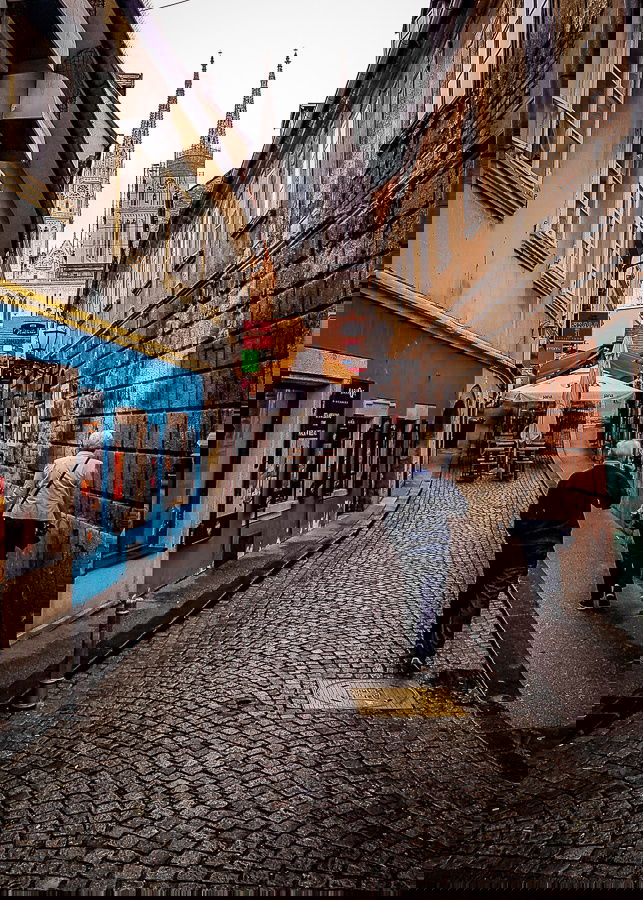
Zagreb suits travelers who prefer a more relaxed, everyday-city atmosphere.
Since most tourists prefer to visit Croatia’s coastal areas, Zagreb is often less crowded than the coast (but it can get busy on weekends and during the Advent/Christmas market season). That difference alone changes the overall experience.
In the Upper Town and around the central squares, you’re more likely to share space with locals than tour groups — especially outside peak Advent weekends.
2. Zagreb Can Be More Affordable Than Many European Capitals
Compared to other European capitals, such as Paris, Berlin, and Rome, Zagreb is relatively affordable.
The city’s accommodations and dining are often cheaper than Croatia’s peak-season coastal hotspots. That pricing difference can materially affect your overall Croatia budget.
Brands We Use And Trust
3. Zagreb Has Unique Museums You Can Do In A Half-Day

Museums are one of Zagreb’s strongest differentiators compared to coastal Croatia.
One of the must-visit museums in the city is the Mimara Museum, which houses around 3,700 works, including pieces by artists such as Van Dyck and other European masters.
Some of the most visited museums include:
- Zagreb 80s Museum: a museum where you can witness the daily life of a Yugoslavian family in the 1980s.
- Nikola Tesla Technical Museum: a technology museum that displays scientific and technical appliances used in the country’s history.
- Croatian History Museum: it has 17 collections and around 300,000 objects; it focuses on temporary exhibitions (and is currently closed to the public due to renovation).
- Museum of Broken Relationships: a museum that exhibits personal objects from former lovers, each accompanied by a brief synopsis.
4. A Strong Place To Understand Croatia Beyond The Coast
Croatia has long sat between Central Europe and the Mediterranean, and that layered history shaped modern Croatian culture.
You can see both Central European and Mediterranean influences here — but with a stronger Austro-Hungarian imprint than along the coast.
5. Best For Cafes, Markets, And Easy Local Food

You’ll find traditional Croatian dishes, international restaurants, bakeries, and casual spots across the city center. Prices are generally more reasonable than in peak-season coastal towns.
Restaurants in Zagreb serve delicious dishes made with fresh, local ingredients. From pastries and street food to more traditional meat-heavy inland dishes, there’s a range without coastal pricing.
One of the best places for foodies is the Dolac Market. This market has a wide range of local produce, cheeses, and baked goods. From fresh fruits, fresh produce, cheeses, and breads. It is easy to find because it sits just above Ban Jelačić Square, between the main square and the edge of the Upper Town.
6. Best Base For Plitvice Lakes And Easy Day Trips
Zagreb works well as a base for specific day trips — primarily north and east, and for Plitvice Lakes. Here are some of the adventures you can go on during your time in Zagreb:
- Plitvice Lakes National Park is one of Croatia’s most visited natural sites and is easily accessible as a day trip by car or on an organized tour.
- Lake Bled: A picturesque lake with various activities, Lake Bled is another popular attraction near Zagreb. Don’t forget to ride a traditional boat around Bled Island and ring the wishing bell in the Church of the Assumption.
- Rovinj: Rovinj is a picturesque coastal town on the Adriatic. It’s best as an overnight (or a very long day trip) from Zagreb.
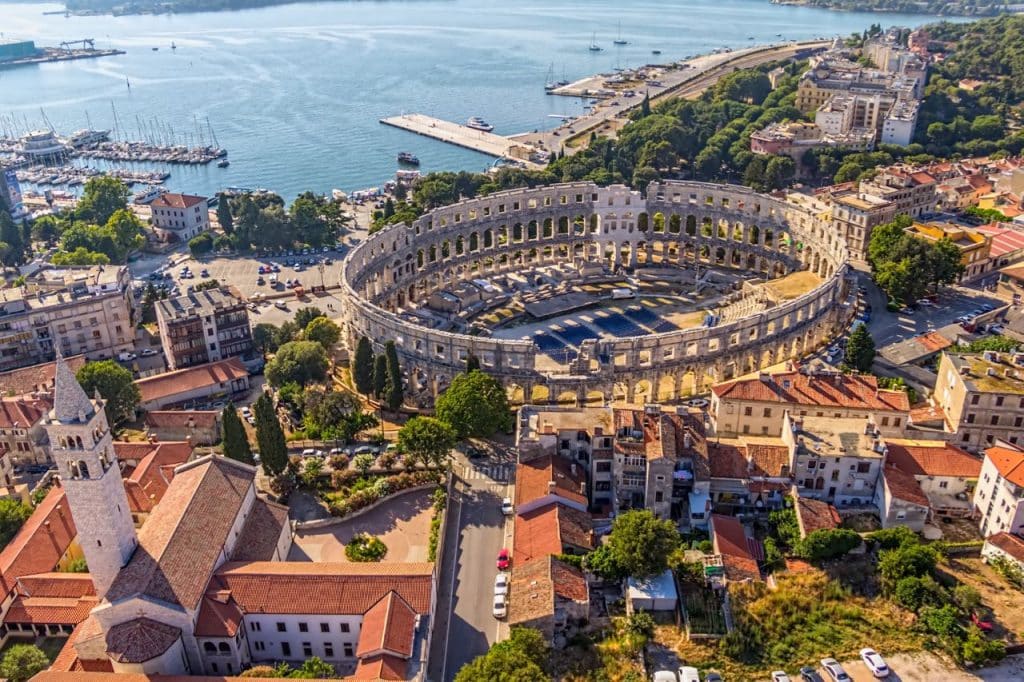
- Pula: Pula is a strong pick for history enthusiasts on the Istrian peninsula, with its Roman amphitheatre and other ancient sites, but it’s best as an overnight (or a very long day trip) from Zagreb.
- Ljubljana, Slovenia: Ljubljana, which literally means “the city of love,” is the charming capital of Slovenia and offers many activities. The city features charming cafés, fascinating museums, and charming architecture.
- The Plešivica wine region, located near Zagreb, is famous for its local wines. The region offers you the opportunity to explore the Croatian countryside and traditional winemaking.
7. Good Starting Point For Regional Travel By Train Or Bus
If you are planning a Balkan tour, Zagreb is a practical starting point. You can reach Zagreb from Ljubljana, Slovenia, by a drive of a few hours, and the city is within easy reach of the Bosnia and Herzegovina border.
From Zagreb, you can travel onward to nearby countries in the region, including Slovenia, Bosnia and Herzegovina, Serbia, and, further south, Montenegro, North Macedonia, and Greece.
8. A Different Vibe From Coastal Croatia
Zagreb feels different from coastal Croatia. While the coast leans Mediterranean, Zagreb reflects more Central European architecture, food traditions, and city planning.
While the Adriatic coast has a more seafood-based cuisine, you will have richer options in Zagreb. Also, if you plan to continue your trip visiting other Balkan countries, Zagreb might be a great place to familiarise yourself with the Eastern European atmosphere.
9. Best For Hidden Spots, Festivals, And Local Nights Out
If you’re wondering what Zagreb feels like, think: compact, local, slightly understated — but layered once you start exploring.
With its hidden art galleries, authentic bookshops, fantastic music and film festivals, night bars, and WWII-era bomb shelters, Zagreb has many hidden gems you can discover.
Croatia’s capital has evolved through different political periods, and that layered history shows up in its architecture, neighborhoods, and cultural institutions.
10. Zagreb Christmas Markets – A Spot You Will Want To Experience

Christmas in Zagreb should be high on your list because Advent in Zagreb was voted Best Christmas Market in Europe three years in a row (2016–2018) by European Best Destinations.
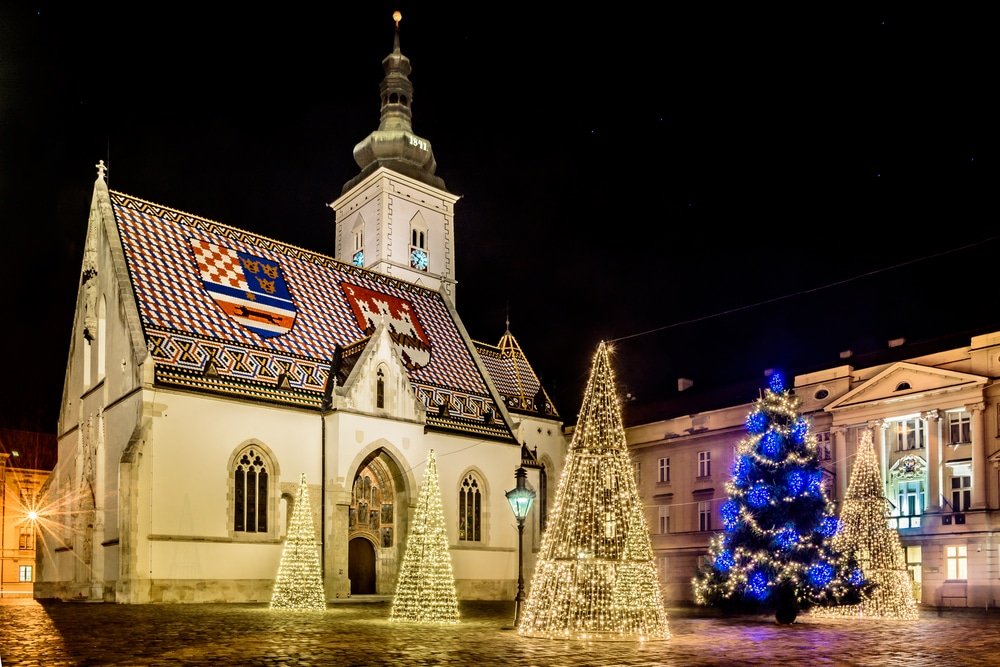
During Advent, Zagreb’s main squares and parks are decorated with lights, food stalls, skating rinks, and live music, creating a festive atmosphere across the city center.
Some of the not-to-be-missed sights are:
- Ice Park At King Tomislav Square
- Winter Park
- Advent In Zrinjevac Park
- Hilton Winter Garden
- Christmas Tale On Ban Josip Jelačić Square
- Zagreb Artisan Advent
- Advent On European Square
- Strossmayer Promenade (West)
- Advent Caffe De Matos
- Fuliranje – Fooling Around At Strossmayer Square
- Fooling Around At Oleander Terrace, Esplanade Zagreb Hotel
- Stara Vlaška
- Advent In The Pedestrian Tunnel
- Grič Park
- Marić Passage Advent
- Advent In The Sisters Baković Passage
- Live Nativity Scene
- Moon Garden In Bele IV Park
- Baš Naš Advent At Gradec Plateau
- Advent In The Oktogon
- Advent In Lantern Light
Advent locations and event names change from year to year, so confirm the current season’s official programme and opening dates before you plan your evenings around specific pop-ups.
Best Things To Do In Zagreb For First Timers
Zagreb Cathedral
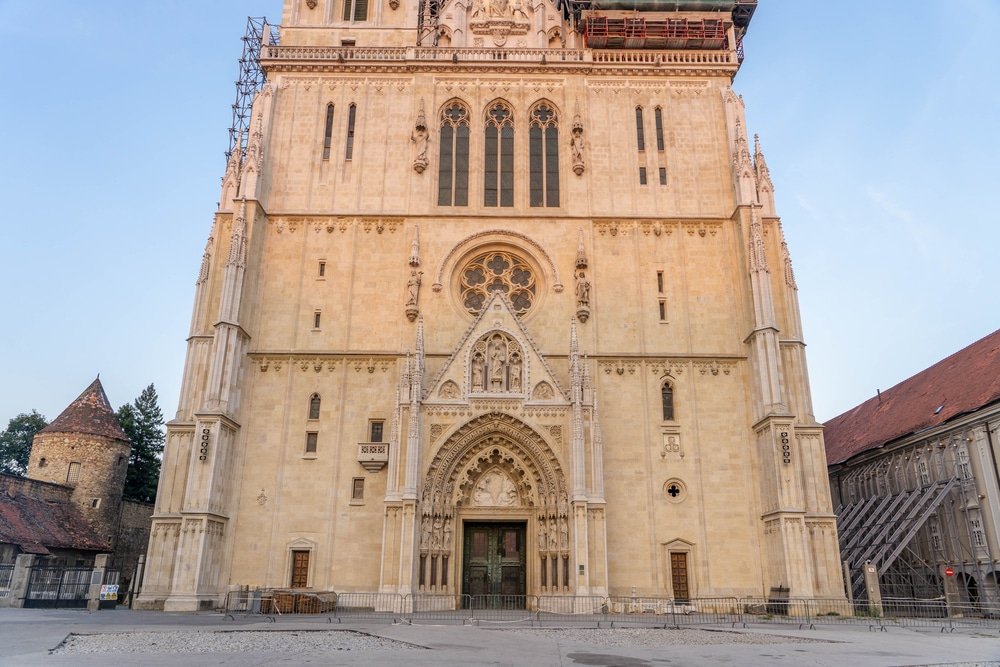
Zagreb Cathedral is one of the tallest buildings in Croatia and is widely described as the most monumental Gothic sacral building southeast of the Alps.
Built in the 13th century, the structure was renovated through the following centuries.
The cathedral has been damaged twice by earthquakes – the first one was in 1880, and the most recent was in 2020. The cathedral reopened to visitors around late December 2025 after post-earthquake restoration, but parts may still be under ongoing works depending on the area.
Lotrščak Tower
Lotrščak Tower is a fortified tower in the Gornji Grad area. The tower was built in the 13th century to guard the southern gate of the Gradec town wall. As part of an old tradition started on 1 January 1877, a cannon is fired from the town every day at noon.
It’s one of the better central viewpoints, especially near sunset, when the light hits the rooftops of Upper and Lower Town.
Museum Of Broken Relationships

Lovers often give each other small objects, tiny gifts, to show their feelings. When a relationship ends, these artifacts serve as reminders of the good old days. The Museum of Broken Relationships is willing to accept these objects for display.
One of Zagreb’s most popular museums, the Museum of Broken Relationships, displays objects from past relationships donated by visitors.
Each object has a synopsis that explains why they donated it and how it affected them. It’s one of the city’s most talked-about museums and typically takes about an hour to visit.
The Funicular
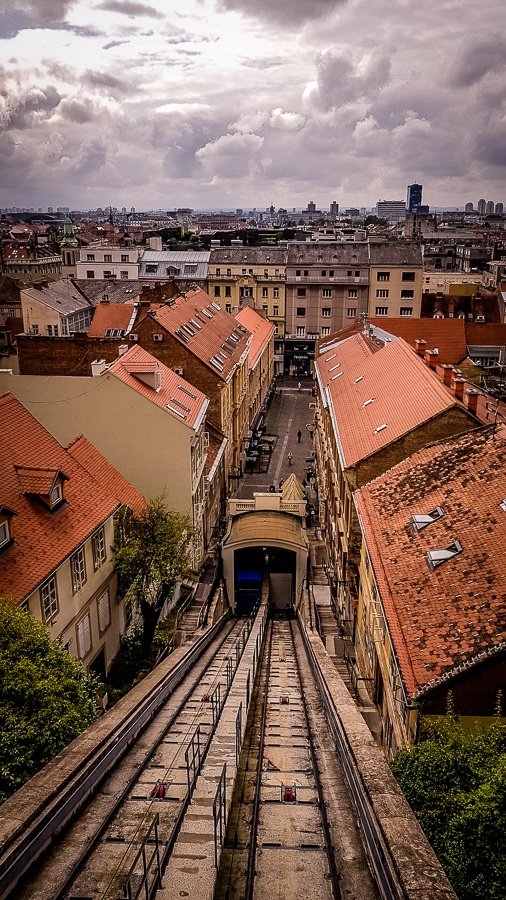
Zagreb has one of the world’s shortest public-transport funiculars. The 66-meter-long funicular connects the Gornji Grad and Donji Grad parts. It takes 64 seconds to reach the top.
St Mark’s Church
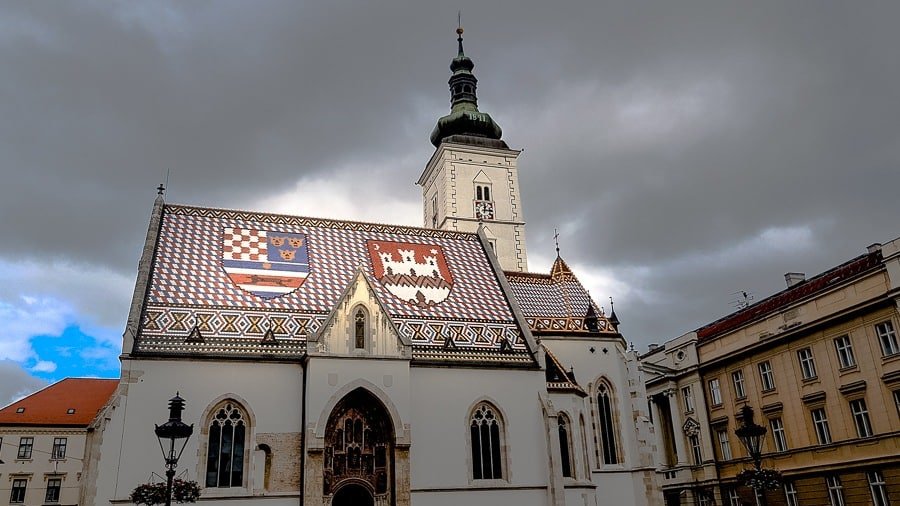
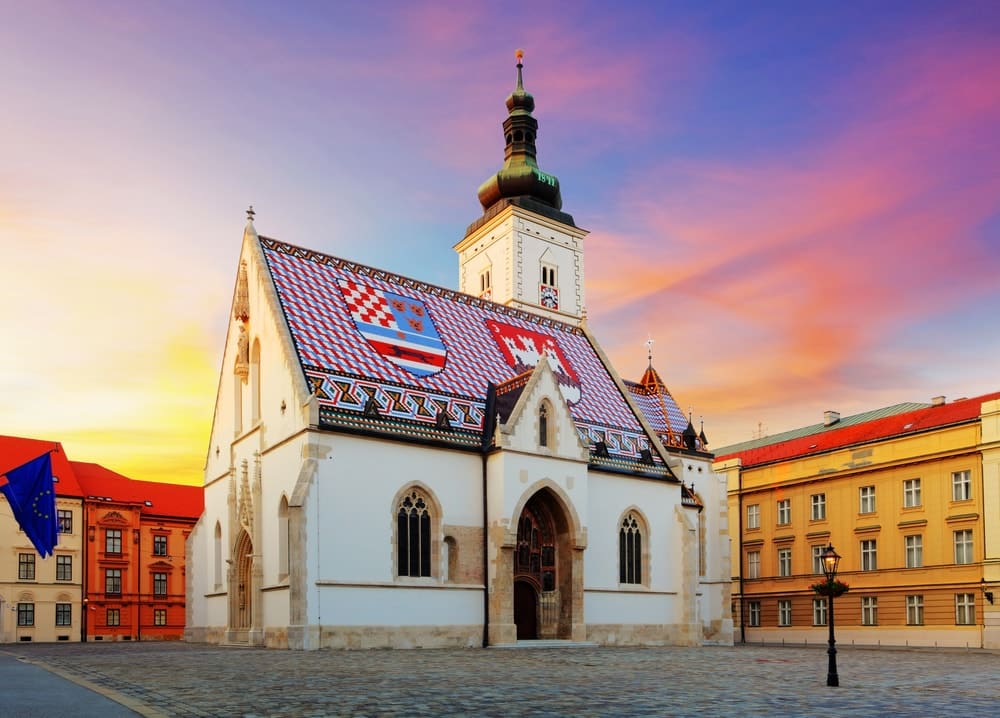
A parish church in the old town, St. Mark’s Church, is one of the oldest monumental buildings in Zagreb. The church dates back to the 13th century and features Gothic and Romanesque features.
The tiles on the church’s roof are laid to form the coat of arms of Zagreb (a white castle on a red background) and the Kingdom of Croatia-Slavonia.
If you visit between April and October, you can usually watch the Changing of the Guard on weekends at noon in St. Mark’s Square.
Zagreb Wrap-Up: Who It’s Best For
Zagreb works best for travelers who enjoy compact capitals, museum-hopping, café culture, andlower pricesg thanon the coast. Ban Jelačić Square stands at its heart, a vibrant hub of activity and history.
The city’s rich cultural tapestry is woven through landmarks like the Croatian National Theatre and the historic Tkalčićeva Street, known for its bustling café culture. For those seeking tranquility amidst the urban landscape, the Botanical Garden offers a serene escape.
Its blend of architecture, parks, and cultural institutions makes it a strong urban complement to a coastal Croatia itinerary.
Whether you’re a history buff, a culture enthusiast, or simply looking for a unique travel experience, Zagreb’s mix of modern dynamism and traditional heritage makes it a place not to be missed.
Is Zagreb worth visiting compared to coastal Croatia?
Yes. Zagreb gives you a different side of Croatia: a Central European-style city break with trams, museums, café culture, and a compact historic center, rather than beaches and islands.
Where is Zagreb in Croatia?
Zagreb is in northwestern Croatia, inland, close to Slovenia, and well connected by rail and bus to other Croatian cities and neighboring countries.
How many days in Zagreb is enough?
For most travelers, 2 to 3 days covers the core sights (Upper Town, key museums, markets, and neighborhoods). Add an extra day if you want a slower café time, more museums, or a day trip like Plitvice Lakes.
Is Zagreb walkable?
Many top sights in the central area are walkable, especially around Ban Jelačić Square, the Lower Town, and the Upper Town. For farther areas, trams and short taxi rides make it easy.
Is Zagreb safe for tourists?
Zagreb is generally considered a safe city for tourists, especially in central areas. Like any city, watch for pickpocketing in busy spots and keep an eye on your valuables.
Is Zagreb expensive?
Zagreb is often more affordable than many major European capitals, particularly for meals, cafés, and mid-range accommodation, though prices can rise during peak events like Advent.
What is Advent in Zagreb, and when does it happen?
Advent in Zagreb is the city’s Christmas market season with decorated squares, food stalls, skating, and events. The exact dates and locations change each year, so check the current official programme before you plan around specific pop-ups.
Did Zagreb really win “Best Christmas Market in Europe” three times?
Advent in Zagreb was voted Best Christmas Market in Europe three years in a row (2016–2018) by European Best Destinations.
Can I visit Zagreb Cathedral right now?
The cathedral reopened to visitors around late December 2025 after post-earthquake restoration, but access can still be affected by ongoing works in specific areas.
Is the Croatian History Museum open?
The Croatian History Museum is closed to the public for renovations and has typically focused on temporary exhibitions rather than a permanent display.
What are the best day trips from Zagreb?
Plitvice Lakes is the classic choice. Nearby wine country, like Plešivica, also works well. Coastal Istria towns such as Rovinj and Pula are better for overnight stays (or very long day trips) from Zagreb.
Is Zagreb a good base for regional travel?
Yes. Zagreb is well placed for onward travel to Slovenia, Bosnia and Herzegovina, and Serbia, with frequent bus and train connections.
Will I see snow in Zagreb in winter?
Snow is possible in Zagreb, but it is not guaranteed. Winter is still a good time for the city’s festive atmosphere, museums, cafés, and seasonal events.
How is visiting Zagreb over Easter weekend? Are a lot of shops/cafes/attractions closed?
Zagreb is a good city to visit over Easter weekend and it’s generally lively, as it marks the start of the season. Most cafés, bars, and restaurants stay open, especially in the city centre. Some museums and attractions may close on public holidays, particularly Easter Sunday and Monday. Supermarkets are often closed or have limited hours on those days. Overall, you won’t feel like the city is shut down.