If you’re planning a trip now, the best time to visit Bulgaria depends on what you want most: Black Sea beach days, mountain hiking, city sightseeing, or winter skiing. I’ve visited Bulgaria across multiple seasons, and the biggest thing to know is how regional it feels—the sea moderates Sofia, the interior leans continental, the Black Sea coast, and the mountains can shift conditions quickly even when lower elevations stay mild.
Below is a practical, month-by-month breakdown of weather patterns, crowd levels, and the festivals travelers most commonly plan around.
| Travel Goal | Best Time Window | What To Expect |
| Black Sea beaches | June to early September | Busiest period; warmest water usually late July and August |
| City sightseeing (Sofia, Plovdiv, Veliko Tarnovo) | May to June; September to early October | Comfortable walking weather; fewer peak-summer crowds |
| Mountain hiking (Rila, Pirin, Balkan Mountains) | June to September | Most reliable trail conditions at higher elevations |
| Skiing (Bansko, Borovets, Pamporovo) | Mid-December to March (sometimes into April) | Peak crowds around Christmas/New Year; snowmaking is often important |
| Festival planning | Year-round | Many festivals keep the same season but shift exact dates annually |
This overview gives you a quick snapshot, but the details below break down Bulgaria’s seasons, weather patterns, and regional differences so you can decide what actually works for your travel style.
Skip Ahead To My Advice Here!
Bulgaria Weather And Seasons Overview
In Bulgaria, you’ll get it all, from freezing winters to warm summers. Bulgaria’s climate is often described as two broad zones: a temperate continental climate in the north and a stronger Mediterranean influence in the south.
Bulgaria has four specific seasons: summer, autumn, winter, and spring.
While Bulgaria is generally sunny with 2,200 to 2,500 hours of annual sunlight, it can rain year-round, and thunderstorms are common in summer. In winter, heavy snowfall is common from December to March, especially in the mountains.
The temperatures in the mountains and southern coastal regions are different because of the terrain.
Summer: Bulgaria is a popular tourist destination for its outdoor activities, beaches, and historical sights. Summer typically brings long, hot days from June to August, with occasional thunderstorms.
Temperatures above 30°C are common in summer, while average daytime temperatures often sit around 24°C. Sofia’s average summer temperature is around 27 °C.
The rainiest period is typically late spring to early summer, with May and June often among the wettest months.
Winter: Heavy winter snowfall covers Bulgaria, attracting winter tourism for skiing. The coastal resorts close for the winter season, and the ski resorts open. The winter temperatures from December to February average 32°F/0°C.
Winter temperatures in Sofia often drop to around -4°C during colder spells.
Spring: Spring has pleasant temperatures, with the Mediterranean climate influence seen along the coast.
Autumn: September still offers good weather, and from October, the temperatures drop dramatically.
Average Monthly Rainfall Temperatures, Climate & Weather In Bulgaria
Here are the key weather conditions and travel considerations for each month in Bulgaria:
| Month | Avg High (°C) | Avg Low (°C) | Avg Rainy Days (Approx) | Avg Sunshine (Hours/Day, Approx) | Notes |
| January | 2–6 | -5–0 | 6–8 | 2–3 | Coldest period inland; snow is common in the interior and mountains |
| February | 5–10 | -3–2 | 6–9 | 3–4 | Still wintery; gradual warming and occasional snow/ice spells |
| March | 10–15 | 1–6 | 6–8 | 4–5 | Spring transition; mixed conditions from mild days to late cold snaps |
| April | 16–21 | 6–11 | 6–8 | 6–7 | Milder weather; spring rain becomes more frequent |
| May | 21–26 | 11–15 | 8–11 | 7–8 | Often one of the wetter months; great for cities and lower-elevation trips |
| June | 25–30 | 14–18 | 8–11 | 8–10 | Warm with longer days; thunderstorms are common in the afternoons |
| July | 27–32 | 16–20 | 4–7 | 10–11 | Hottest period; peak season for the Black Sea and summer festivals |
| August | 27–32 | 16–20 | 3–6 | 9–11 | Hot and often drier; warmest sea temperatures typically in late July–August |
| September | 22–28 | 12–16 | 5–8 | 7–9 | Excellent shoulder season; warm days, cooler nights, fewer crowds |
| October | 16–22 | 7–12 | 6–9 | 5–7 | Crisper weather; fall color in many regions |
| November | 9–14 | 2–7 | 7–10 | 3–4 | Colder, darker month; early mountain snow is common |
| December | 4–9 | -2–3 | 7–10 | 2–3 | Winter sets in, increasing the chance of snow and icy conditions inland |
Brands We Use And Trust
Best Time To Visit Sofia For Weather And Sightseeing
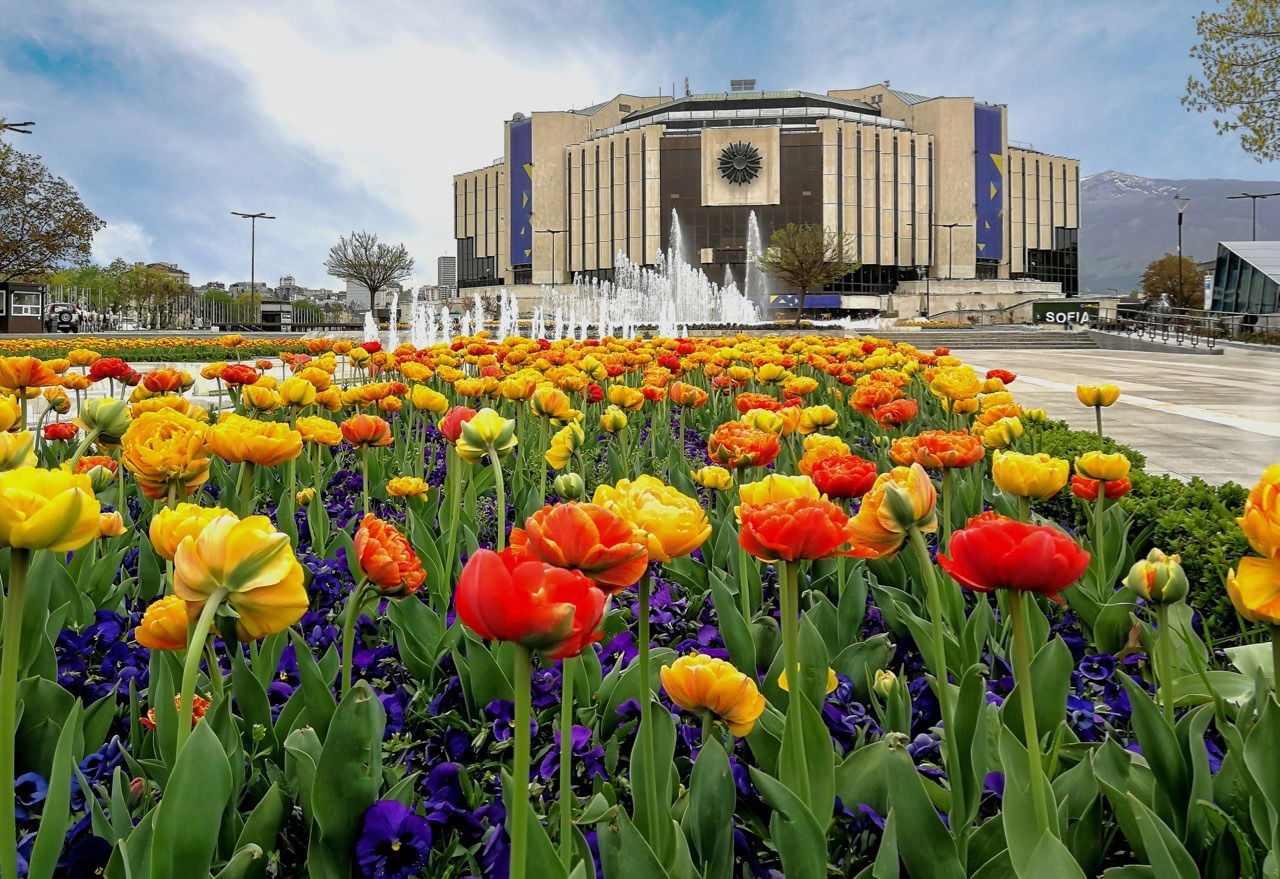
Sofia, the capital of Bulgaria, is one of the most visited cities in Bulgaria when it comes to its historical sites and architecture. Both Mediterranean and continental weather patterns influence Sofia’s climate.
July and August are the most popular months to visit Sofia, with typical daytime highs around 27–29°C and plenty of sunshine. Summer afternoons can bring brief thunderstorms, while evenings cool noticeably, especially compared to the daytime heat.
Spring, particularly May, offers comfortable temperatures ideal for sightseeing. Early autumn (September and October) is still pleasant but noticeably quieter after the summer peak, with cooler nights and fewer crowds.
Winters in Sofia are cold and often snowy, especially from December through February, while late spring to early summer (May and June) is typically the city’s wetter period.
Overall, July provides a strong combination of pleasant weather and a lively atmosphere, but it’s also peak season with larger crowds and typically higher prices.
Best Time To Visit Bulgaria By Travel Style
Best Time For Black Sea Beaches And Swimming
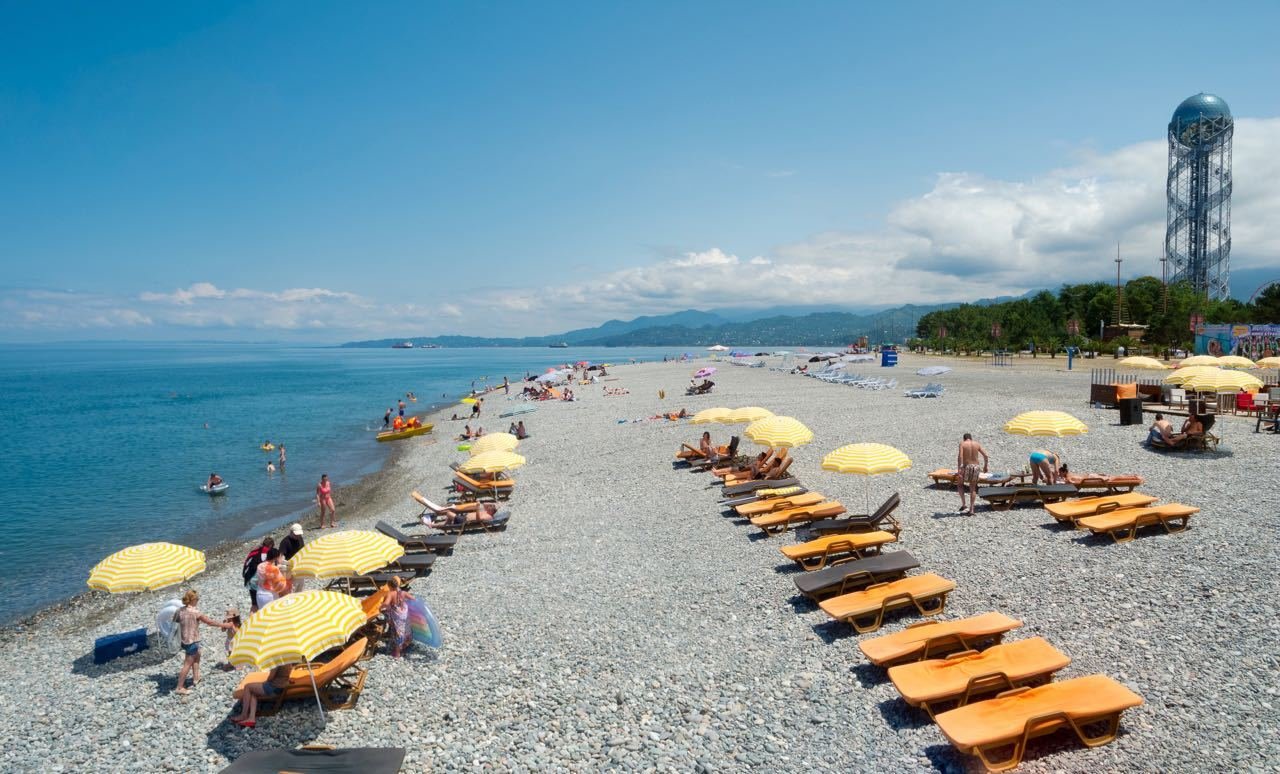
Beach and swimming conditions are best during the peak summer and shoulder months.
Along the Black Sea coast, the busiest beach season is typically June through early September. During peak beach season, Black Sea water temperatures are typically around 20°C to 26°C, with the warmest water usually in late July and August.
The weather is hot and sunny, while the water is just warm enough for swimming. Most major Black Sea resorts operate at their fullest during summer peak weeks, which typically makes accommodation pricier.
The shoulder season is often late May to June and September to early October, depending on the resort.
During this time, the weather is milder, the crowds are smaller, and hotel rates are lower along the coast. Typical water temperatures are around 14–18°C in late May and 18–22°C in early October (warmest in the south). While the water can feel cool at the edges of the season, some travelers still swim—especially on warmer days and in the southern resorts.
Best Time For Hiking In Bulgaria
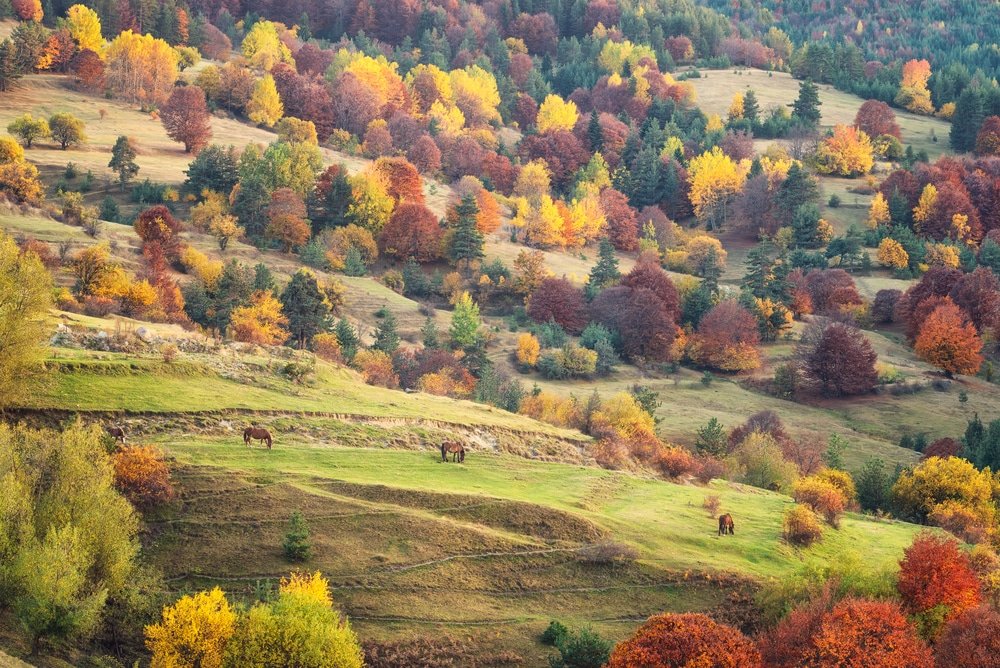
If you are a hiker, there are a few great times to visit Bulgaria.
From June through September, the days are longer. The weather is dry, and the temperature is hot. The conditions are pleasant overall, and if that is your scene, summer is the best time to visit Bulgaria.
From September to November, the Autumn season is excellent for hiking and trekking. Still, you need to be prepared for changing weather conditions in the high mountain ranges, such as Rila, Pirin, and the Stara Planina.
September still feels like summer, but there can be sudden severe weather in the mountains. The nights can drop below-freezing temperatures with rain, snow, frost, and strong winds. Daytime temperatures vary from 5°C to 25°C.
In October, there’ll be fall foliage, cold nights above 2000m, occasional snow, and daytime temperatures from 0°C to 20°C. In November, winter begins with permanent snow above 2400m, with cold days and nights and varying weather from sunny to snowy, with temperatures below zero during the day at altitude.
Best Time For Skiing And Winter Sports In Bulgaria
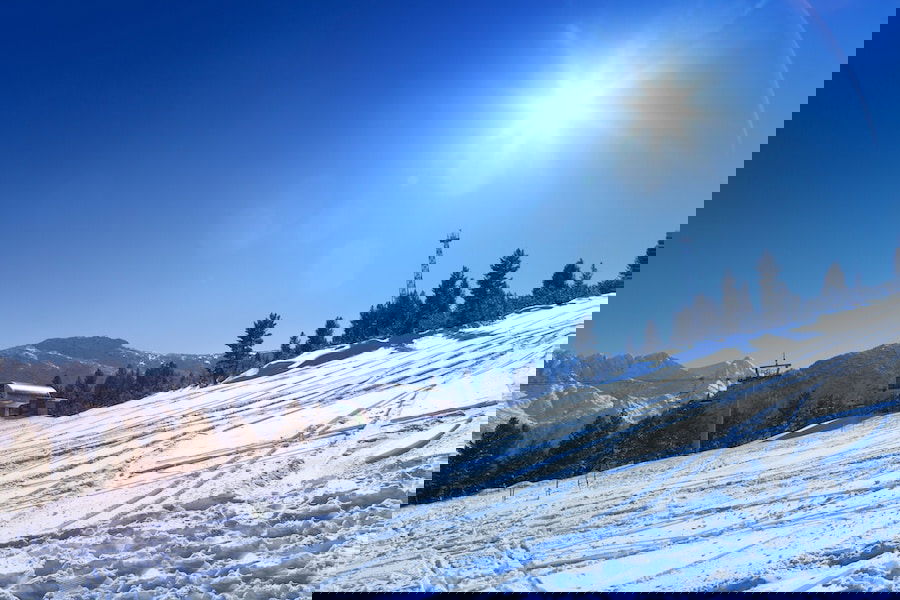
The peak ski season runs from mid-December through late March when slopes and trails are in the best condition. Bulgaria has excellent ski resorts in the mountain areas, such as the Rhodope and Rila, that offer affordable ski holidays.
Due to the high-altitude skiing and good snowmaking coverage, the skiing conditions are generally favorable throughout the season. The Christmas and New Year weeks are the most popular and crowded, with a festive atmosphere.
In many inland areas, January is typically the coldest month, while in mountain resorts and higher elevations, temperatures can frequently sit below 0°C. The most snowfall also occurs during this month.
If milder temperatures and a bit warmer weather are your preference, visit in March, when the average temperature is between 4°C and 11 °C. Since March is towards the end of the season,
You’ll probably find cheaper deals for a ski holiday.
Some popular ski resort picks are Bansko, Borovets, and Pamporovo, where natural snowfall varies widely from year to year and by elevation, with snowmaking playing a major role in keeping runs open. Many runs typically open from mid-December (conditions permitting) and the season often extends into March, with some higher runs operating into April in stronger snow years.
Best Time For City Breaks And Cultural Events In Bulgaria
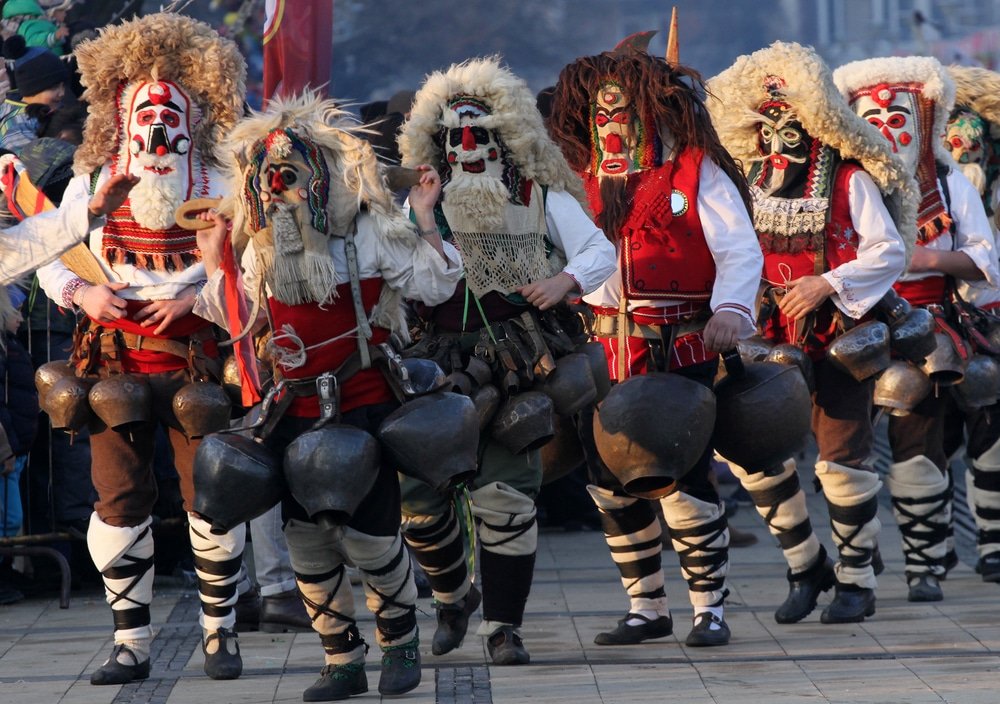
Spring, from March to May, and fall, from September to November, are the best times for sightseeing in Bulgaria’s historic cities, such as Sofia, Plovdiv, and Varna. The weather is milder, and the crowds of tourists are not as large.
Summers are pretty hot, making long walks for sightseeing less comfortable. During the peak months of July and August, locals head out of town on holiday.
There are many places to visit in Bulgaria, especially for sightseeing and cultural events.
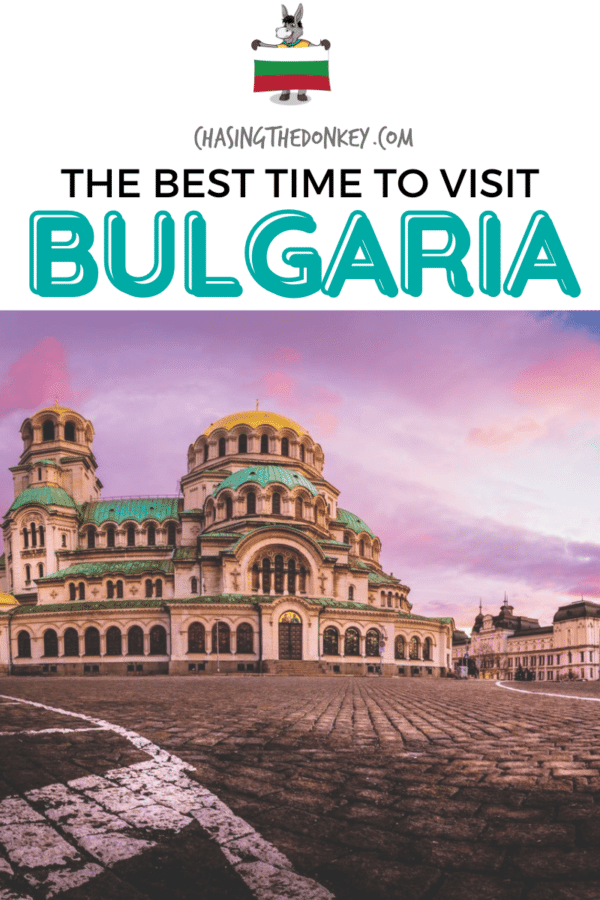
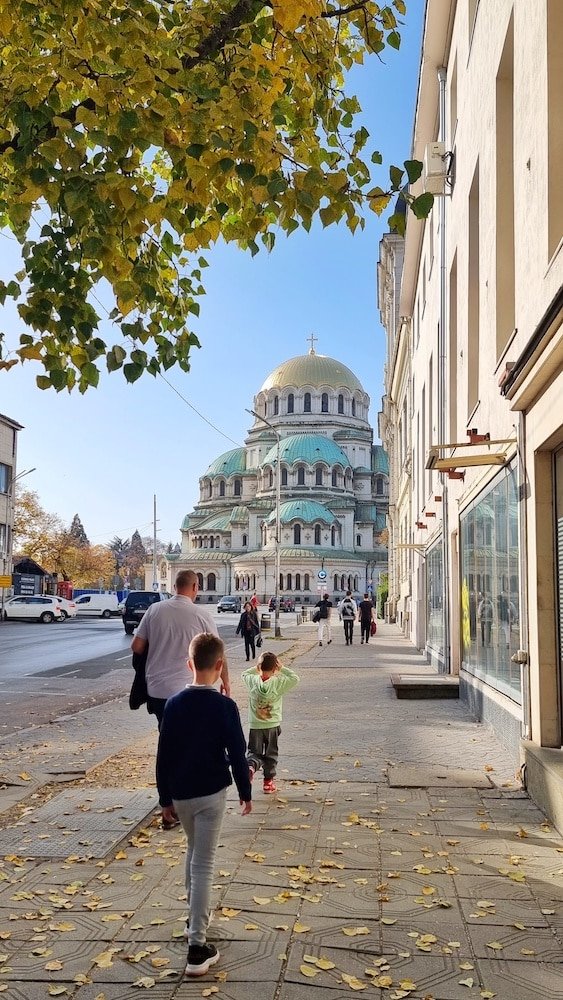
Sofia, the capital and largest city of Bulgaria, is the best place to visit to dig up some history. The city is home to the Alexander Nevsky Cathedral and the National Archaeological Museum. Apart from Sofia, you can visit other sites like the Rila Monastery, which has UNESCO status, Burgas, the annual sand festival, KvARTal, Sofia Film Fest, Surva Carnival, etc.
Bulgaria Festivals And Public Holidays By Month
Bulgaria has amazing cultural festivals and celebrations year-round. Here are some top events by month that are worth scheduling trips around:
- January: Surva Carnival (Festival of the Masquerade Games), Pernik
- February: Trifon Zarezan (Vinegrowers’ Day), celebrated on February 1 or February 14, depending on tradition, marking the start of the vineyard pruning season and associated with wine and folklore celebrations
- March: Sofia International Film Festival (Sofia, with screenings and program extensions in other cities), Baba Marta (Grandmother March) on March 1, welcoming spring
- June: Nestinari (fire-dancing tradition in the Strandzha region, typically around early June); Varna Summer International Theatre Festival (late June to early July). August: Opera Open (Plovdiv, typically July–August).
- July: Hills of Rock, Plovdiv, International Folklore Festival, Veliko Tarnovo
- August: International Bagpipe Contest, Gela, International Jazz Festival, Bansko
- September: KvARTal Festival, Sofia
- October: Cinelibri International Book-to-Film Festival (Sofia and other cities; typically mid-October to early November)
- November: Day of the National Awakeners (November 1), honoring Bulgarian educators, writers, and cultural figures
- December: Christmas and New Year’s Celebrations related to city markets and festivities
Festival dates can shift year to year, but these are the typical months when they’re usually held in Bulgaria.
Bulgarian Food And Wine To Try
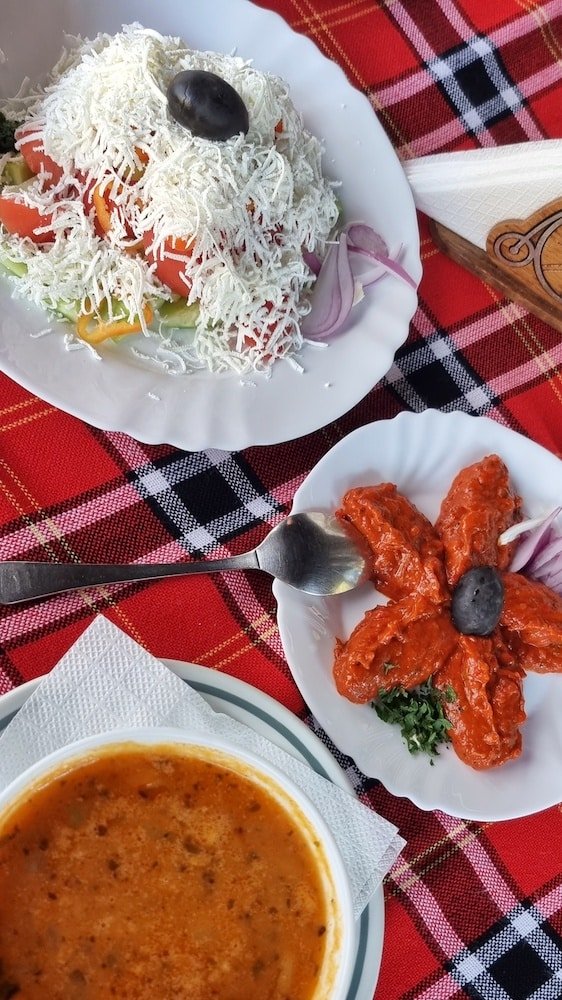
Bulgarian Cuisine is influenced by Greek, Turkish, and other Balkan cuisines due to its geographical location. The cuisine relies heavily on fresh vegetables and dairy products, such as yogurt and cheese. Meat, especially pork, chicken, and lamb, is also an important part of their cuisine.
Some of their most popular dishes include grilled meats such as kebapche and kyufte, as well as mixed grills such as Meshana skara. Their cuisine is also known for richly stuffed vegetables, including peppers, tomatoes, and cabbage leaves. Soups such as tarator and shkembe feature yogurt, cucumbers, tripe, etc. Their salads include chopped vegetables and cheese. A popular salad in Bulgaria is shopska salata.
Their cuisine includes a meat-and-potato moussaka, distinct from the Greek style. Kiselo mlyako (Bulgarian yogurt) is known for its lactic-acid cultures and is a staple of Bulgarian cuisine.
When it comes to pastry dishes, banitsa, made with phyllo dough and cheese, is iconic. Desserts are mostly made of fruit, nuts, and filo dough. A popular one is the baklava. In Bulgaria, trying the local wine, especially from Melnik, is a must. Wine production dates back to the Thracians, and many fine varieties are produced today.
Savoury, cumin, paprika, mint, etc., are among the most commonly used spices. Their cuisine reflects community and family, with their dishes made for sharing. Traditional Bulgarian restaurants offer hearty, rustic meals that showcase Bulgarian heritage.
Move This Adventure To Your Inbox & Get An Instant Freebie

No spam. Unsubscribe at any time.
Visit Bulgaria FAQs
When is the best time to visit Bulgaria overall?
For most travelers, late spring (May to June) and early autumn (September to early October) offer comfortable temperatures and fewer crowds, while summer is best for the Black Sea and winter is best for skiing.
What are the hottest months in Bulgaria?
July and August are typically the hottest months across much of Bulgaria, with the warmest conditions often inland and in lowland areas.
What is the best time for a Black Sea beach holiday in Bulgaria?
The busiest beach season is usually June through early September, with the warmest sea temperatures most often in late July and August.
Is May warm enough to swim in Bulgaria?
In May, the Black Sea is usually still cool, with water temperatures often in the mid-teens °C, gradually warming into June.
When is the best time to visit Sofia for sightseeing?
Late spring and early autumn are popular for walking-heavy sightseeing. Summer is lively and sunny but can be hot during the day, while winter is colder and darker with the highest chance of snow and icy spells.
When is the best time to go hiking in Bulgaria?
Summer (June to September) is the most reliable period for higher-elevation trails, while September to October can be excellent for color and cooler air. However, conditions at altitude can change more quickly.
When is ski season in Bulgaria?
The ski season typically runs from mid-December through March, with stronger snow years and higher elevations sometimes extending into April. Snowmaking is a major factor for coverage.
When is Baba Marta celebrated in Bulgaria?
Baba Marta is celebrated on March 1 and marks the traditional welcome of spring.
When is the Sofia International Film Festival?
The Sofia International Film Festival is typically held in March, with program extensions and screenings often appearing in other cities as well.
When is Cinelibri in Bulgaria?
Cinelibri (the international book-to-film festival) is typically held in mid-October through early November, with events in Sofia and other cities.
Best Time To Visit Bulgaria Conclusion
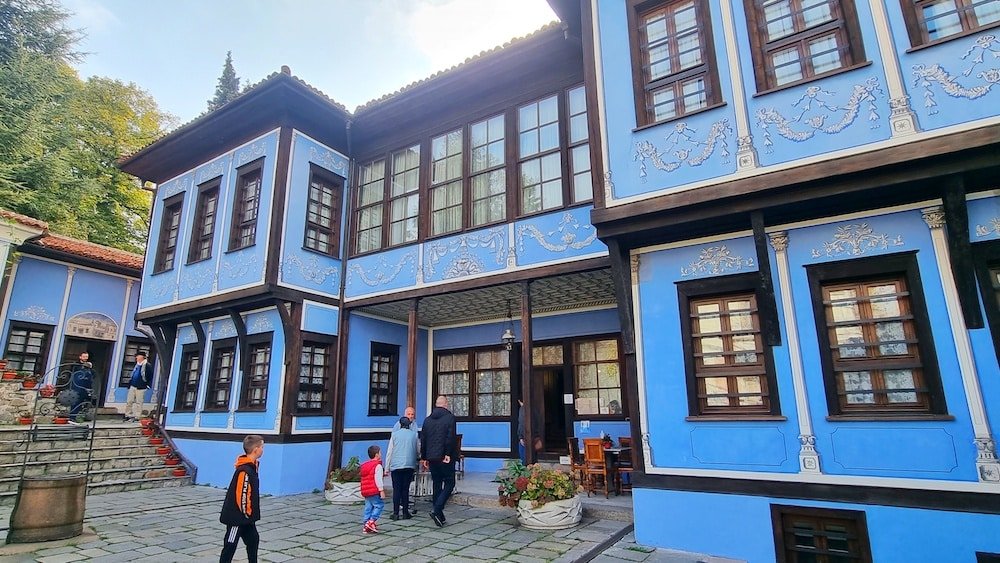
The ideal time to plan your getaway to Bulgaria depends greatly on your personal preferences, must-see sights, budget, and tolerance for crowds. However, a personal favorite is during December’s snowy ski season. Moreover, make sure to explore their cuisine, including dishes like Milinki, Banista, Tutmanik, and more.
Whatever your preferences are, take a look at the weather, events, etc., before you travel. Always have a backup plan just in case the weather gets uncooperative! Have a perfect time in Bulgaria, a beautiful country with much to offer!