If you’re planning a trip to Türkiye and wondering whether you’ll be able to get by using English, the short answer is yes — but with important caveats. Based on over 12 years of living in Türkiye and extensive travel across both tourist regions and everyday local areas, English is common in resorts, major cities, and tourist-facing businesses, but far less reliable elsewhere.
Where and when you travel matters just as much as who you speak to, and understanding those differences will make your trip significantly smoother.
| Location Type | Likelihood of English Spoken |
|---|---|
| Tourist resorts (Bodrum, Antalya, Fethiye) | High |
| Major cities (Istanbul, İzmir, Ankara) | Moderate to high in central areas |
| Small towns | Low |
| Rural areas | Very low |
People do speak English, but not everywhere, and not everyone. It depends on where you go as to how much English will be spoken.
For instance, if you go to a tourist resort on the south coast, like Bodrum, Fethiye, Antalya, or Marmaris, you won’t struggle to find plenty of people who speak English. In fact, the majority of people will speak English to you pretty well.
However, other places, including Istanbul, can be mixed. So, let’s explore this subject a bit more.
Skip Ahead To My Advice Here!
How Common Is English in Turkey for Travelers?
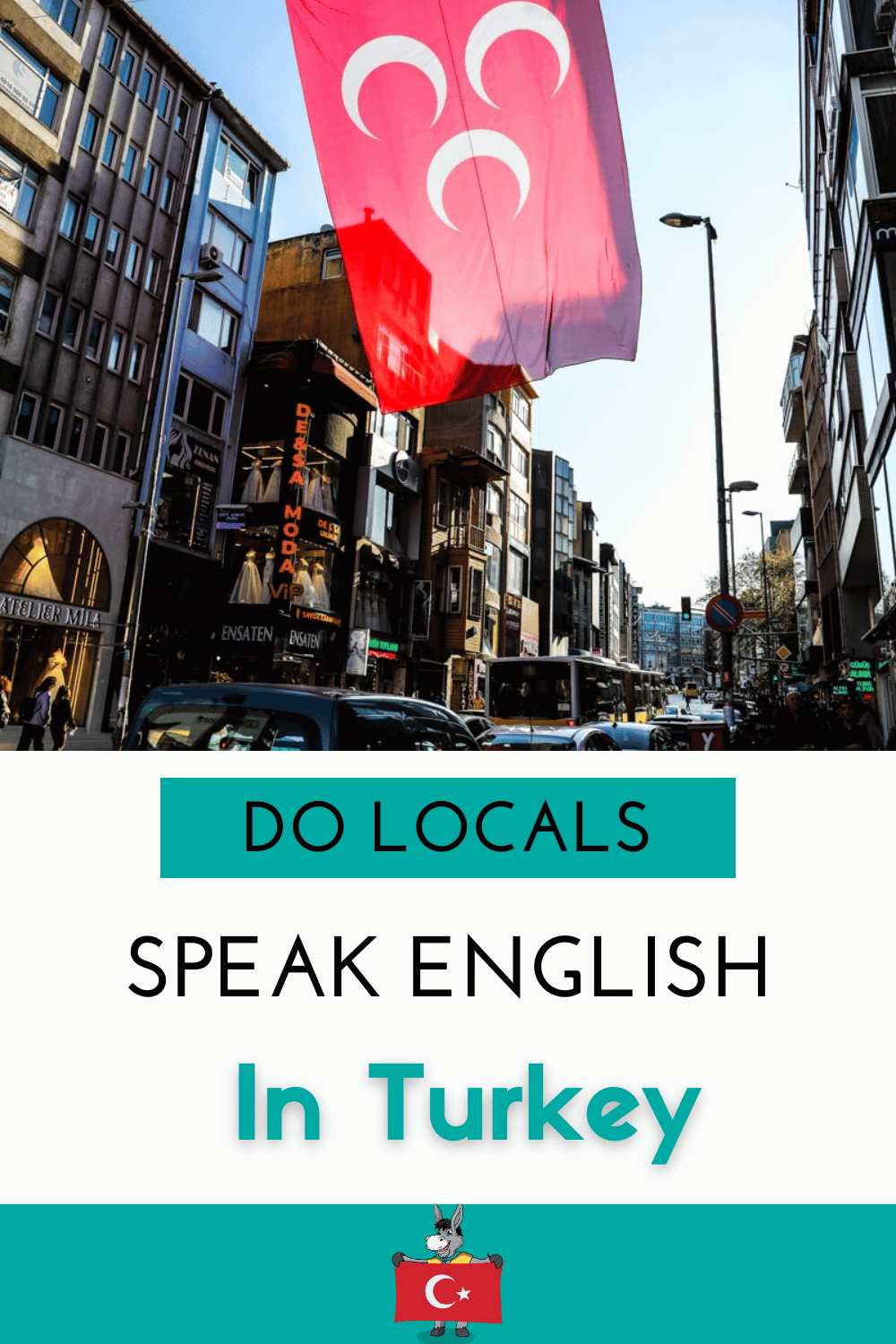
If you take the country as a whole and bear in mind that it’s a massive country, you’ll find that English proficiency, in general, is low. Now, that might be surprising, but the south coast resorts, Istanbul, Izmir, Cappadocia, and Ankara make up only a small percentage of the country’s landmass. The rest is either off the beaten track, rural, or more traditional. That’s what drags the percentage down a little.
In general, it’s said that between 15% and 20% of the population have a basic level of English. Estimates vary, but studies generally suggest that a minority of the population has functional English skills, with proficiency significantly higher in urban areas, tourist regions, and among younger people.
However, that is likely to rise because younger generations are more influenced by Western culture and learn English as a result. It’s more likely to be older generations who don’t speak much English.
According to recent editions of the EF English Proficiency Index, Turkey consistently ranks in the low to moderate proficiency category globally.
But is that a true picture?
Again, it really depends on where you go and when you go. For instance, many seasonal tourism workers from different regions of Turkey, including the southeast, work in western and southern resort areas during the summer and return home during the winter.
So, if you venture to Gaziantep or another southeastern city in winter, you may encounter some English-speaking seasonal workers who have returned from resort areas. Still, overall English usage remains limited outside tourist-facing businesses.s
Can you see how it’s not entirely so black and white? However you spin it, you won’t struggle to get by, and there’s always Google Translate, right?
Can You Travel in Turkey Using Only English?
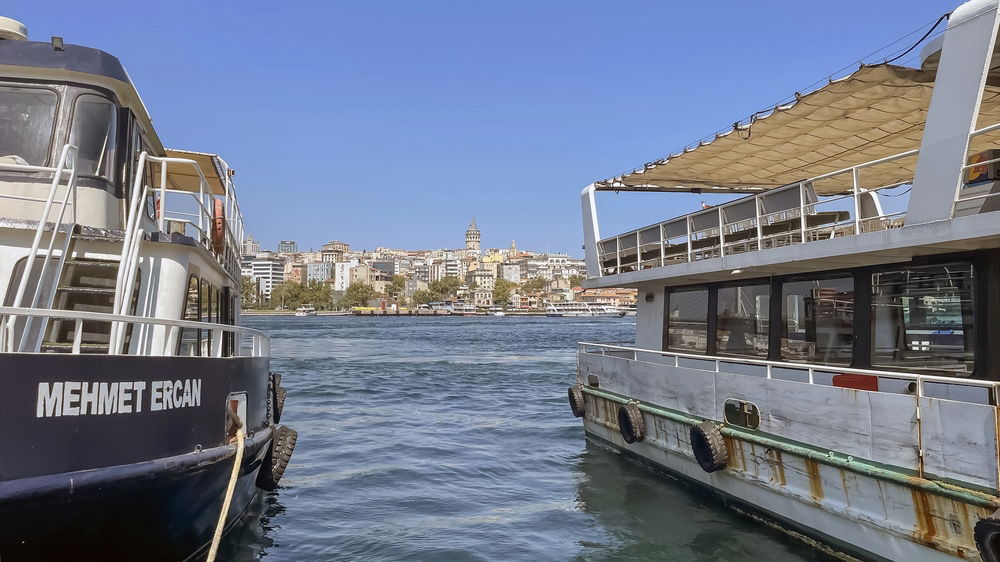
I’m going to repeat it – yes and no!
If you live in Marmaris, Bodrum, Fethiye, Antalya, and even Izmir to some degree, you’ll probably manage without having to buy a phrasebook, especially during the summer months. But if you go elsewhere, even Istanbul, and particularly out of season, you might find a few Turkish words serve you well.
There is also the question of whether you should rely on English in a country where English isn’t the first language. Really, no, you shouldn’t, not if you’re planning on staying for longer. For a holiday? Sure. It’s expected. But for longer stays, I’d really suggest you try to learn some words, even if they are just the basics. People will appreciate it, and it will make your life a little easier.
What Is The Official Language Of Turkey?
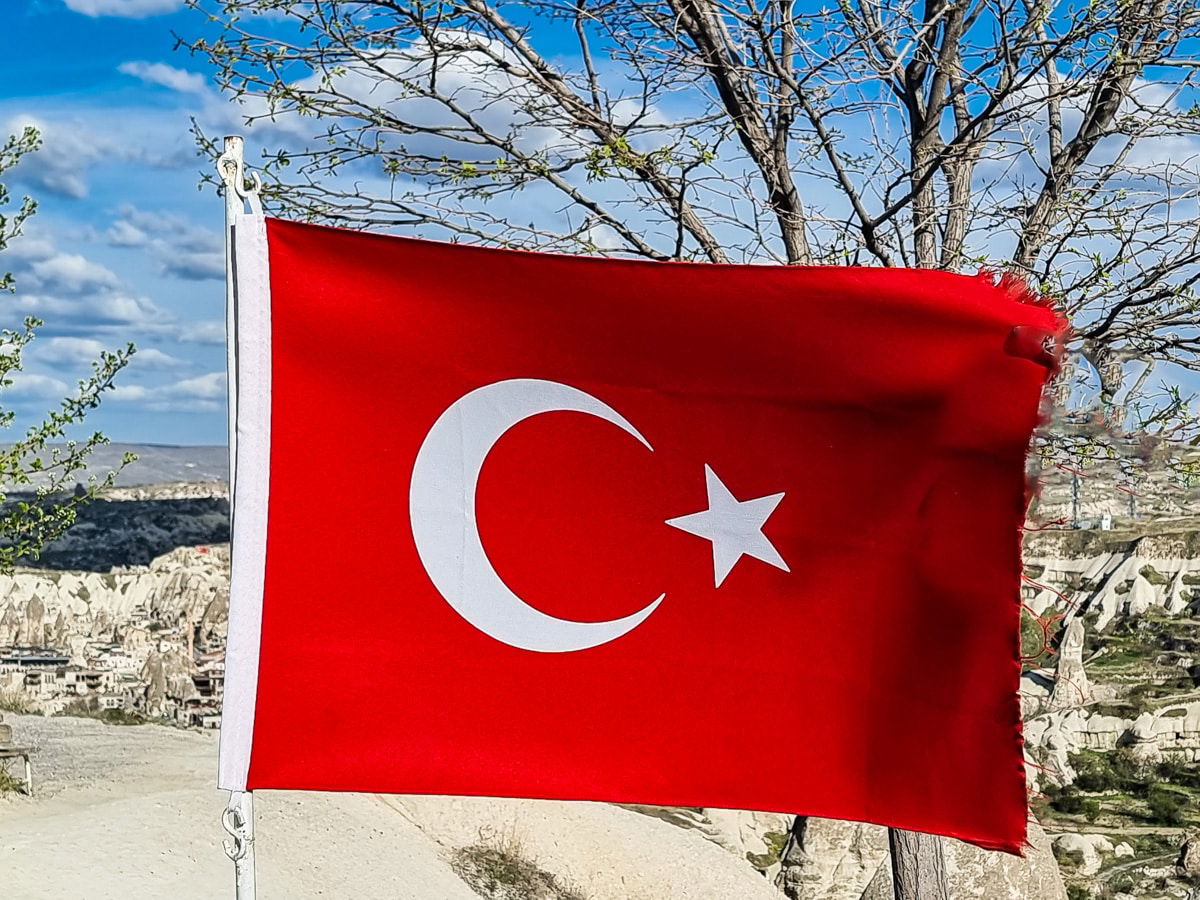
Unsurprisingly, Turkish.
That’s the official language, at least. However, you’ll also hear other languages relatively commonly.
People Also Speak The Kurdish Language
If you go to the southeast of the country, you’ll occasionally hear Kurdish spoken.
The Arabic Language Is Also Widely Spoken
In some other places, you might also hear Arabic. This is likely to be the case in Istanbul in particular, which has a very diverse population. In some areas, you might listen to a mix of Turkish and Kurdish.
Remember that European and Middle Eastern countries surround Türkiye, and its history also involves the Silk Road during Ottoman times. That means you’ll find many influences in language, architecture, food, and history. It really just adds to the enjoyment.
Just like in many other countries, you’ll also hear different accents. This might not be instantly recognizable if you don’t know the language, but once you learn a few words, you’ll notice that different regions say them slightly differently.
Brands We Use And Trust
Will People Speak English
While English isn’t widely spoken in everyday life across the country, it is very common in tourist resorts.
Where Is English Most Commonly Spoken in Turkey?
English is widely spoken in these areas:
English In Istanbul
As the largest city and a cultural hub, Istanbul attracts a significant number of tourists and expats year-round. Many locals, especially those working in hospitality, retail, and tourism, speak English. Historic areas like Sultanahmet and bustling neighborhoods like Taksim are filled with English-speaking guides, restaurants, and shops, making it easier for travelers to navigate the city.
You’ll also hear Arabic frequently spoken in these areas, particularly among visitors and residents from Arabic-speaking countries.
However, if you venture away from these areas, particularly toward the more residential parts of the city, you’ll notice that English is less commonly spoken. For instance, there will be shops and restaurants where nobody speaks English.
English In Antalya
This coastal city is a popular destination for international tourists, particularly in the summer months. Due to the heavy tourist traffic, many service providers — from hotel staff to tour operators — are fluent in English. The picturesque beaches and resorts attract visitors from around the globe, creating an environment where English is commonly spoken.
However, many people visit during the winter, as well, since the weather in this part of the country is usually relatively mild. For that reason, although you won’t hear English quite so much at that time, you won’t struggle to find an English speaker.
English In Bodrum
Known for its stunning coastline and vibrant nightlife, Bodrum attracts a mix of local and foreign visitors. Many beach clubs, eateries, and boutique hotels cater to international clientele, and English is widely used in the tourism sector.
Additionally, the expat community here has grown over the years, further enhancing the prevalence of English. For that reason, English is widely spoken here all year round.
English In Marmaris
Marmaris is in the same situation as Bodrum. This coastal area sees a lot of tourism during the summer months, but it’s also relatively busy in winter nowadays. While not on the same level, many bars, restaurants, and shops are still open during the winter months.
There are also many international visitors, particularly at the New Year, and many expats who live in the town year-round. As such, you won’t struggle to find someone who speaks English.
English In Fethiye
Another coastal city with a large expat community is Fethiye. During the summer, this area is very busy with tourists, but people also visit during the winter months for a chilled-out time, enjoying the mild weather.
Like Marmaris and Bodrum, Fethiye is a little quieter during these months, but many people speak English, and you’ll find many bars and cafes that cater specifically to international guests.
English In İzmir
As a vibrant metropolis on the Aegean coast, İzmir has a growing number of English speakers, particularly among the younger population and in the education sector. The city is home to several universities where English is spoken, making it a hub for students and expats.
In the bustling Alsancak district, in particular, you’ll find cafes and restaurants where English is frequently used.
English In Cappadocia
This region, famous for its unique landscapes and hot-air balloon rides, has seen an increase in tourism. Many guides and local business owners in Cappadocia speak English to accommodate visitors from around the world.
So, while Turkish is the official language of Türkiye, these cities reveal a friendly environment where English is commonly spoken, making it easy to dive into the country’s rich culture and history.
Practical Tips For Navigating Language Barriers In Turkey
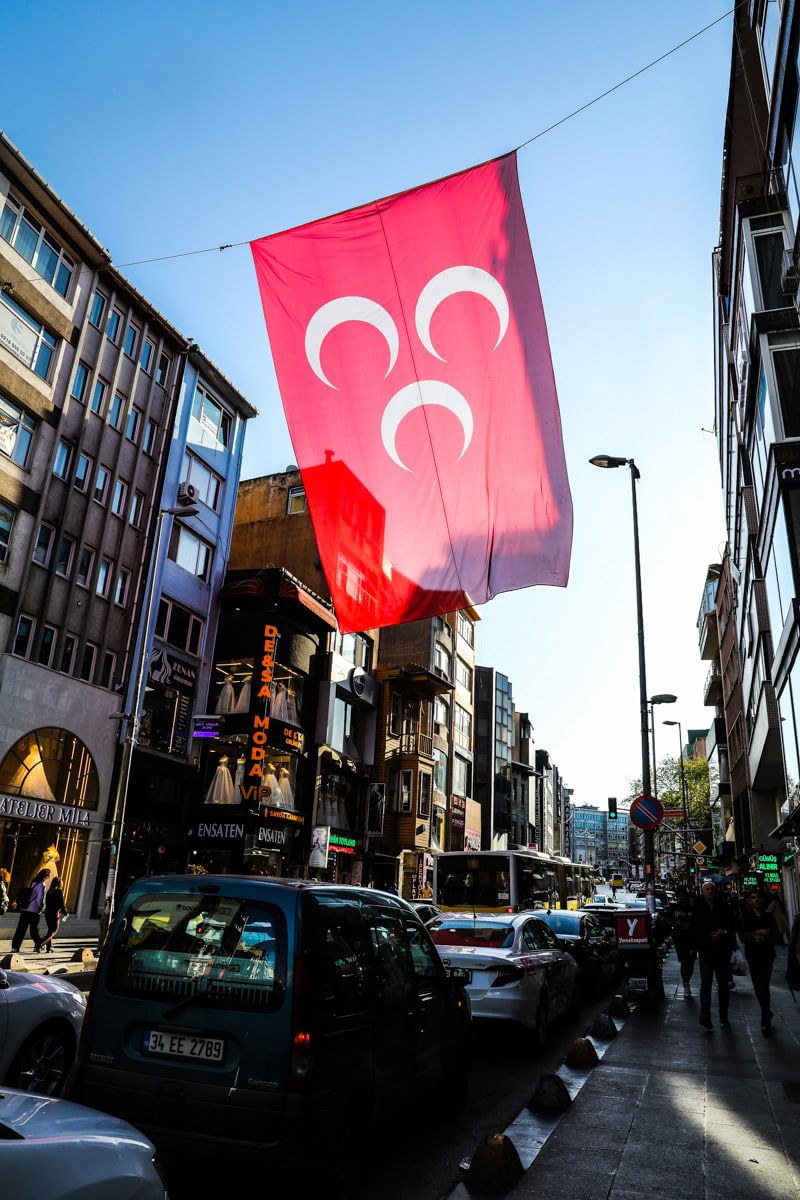
Traveling in a country where you don’t speak the language can be challenging, but with a few practical tips, you’ll find it much easier to get by in Turkey. Here are some handy suggestions to help you communicate effectively and make the most of your trip:
Use Language Apps
Apps like Google Translate can be a lifesaver when you’re in a pinch. Before your trip, download the Turkish language pack on Google Translate so you can use it offline. The app’s camera feature is handy for translating signs, menus, and other written text on the go.
Other Useful Apps
- Duolingo: Great for learning basic Turkish phrases before and during your trip
- Babbel: Offers more in-depth lessons if you want to get a better grasp of the language.
- Sesli Sözlük: An online Turkish-English dictionary that’s handy for quick translations
Basic Turkish Phrases To Learn
If you’re traveling away from the main tourist areas, it’s a good idea to know a few phrases. But even if you are right in the middle of a widely English-speaking area, it doesn’t hurt to speak a little Turkish anyway. People will appreciate it!
To help you out, here are some basic phrases to learn, along with how to say them.
| English | Turkish | Pronunciation |
|---|---|---|
| Hello | Merhaba | Mer-hab-ah |
| Thank you | Teşekkür ederim | Teh-shek-kewr eh-deh-rem |
| Please | Lütfen | Lewt-fen |
| Sorry | Pardon | Par-don |
| Yes | Evet | Eh-vet |
| No | Hayır | High-yur |
| Where is | Nerede* | Neh-reh-deh |
| Where is the toilet? | Tuvalet nerede? | Too-va-let neh-reh-deh |
| How much? | Ne kadar? | Ney-ka-dar |
| Water | Su | Soo |
*The thing you’re asking about goes first and ‘needed’ last. E.g., Hilton Hotel Nerede
Use Non-Verbal Communication
Sometimes, gestures and body language can bridge the gap when words fail. Pointing, nodding, and even using a simple thumbs-up can help you communicate basic ideas. Don’t be afraid to use visuals, like showing a picture of what you need or pointing to items on a menu.
Carry a Phrasebook or Download One
If you prefer something more tangible than an app, a small phrasebook can be handy. Alternatively, you can download a digital version to your phone. This way, you can quickly look up common phrases or words when needed.
Understand Cultural Norms
In Turkey, polite behavior can go a long way. For example, it’s customary to remove your shoes when entering someone’s home and when entering mosque prayer areas. Learning a bit about local customs and etiquette can make your interactions smoother and more pleasant.
Rely On English-Speaking Locals
In major tourist areas, many locals speak English, especially those working in hotels, restaurants, and shops. Don’t hesitate to ask for help—most people are friendly and willing to assist you. If you’re ever in doubt, look for younger people, as they are more likely to have learned English in school.
Use Maps And Signage
In tourist-heavy areas, you’ll find that many signs are in both Turkish and English. However, in more rural or off-the-beaten-path locations, this might not be the case. It’s a good idea to have an offline map on your phone or a paper map as a backup. Google Maps is helpful, but apps like Maps.me can be used offline and are just as detailed.
Be Patient And Friendly
When you don’t share a common language, patience is key. Approach each interaction with a smile and a calm demeanor. A little kindness can go a long way, and you’ll find that many people are more willing to help when you’re friendly and respectful.
Language Education In Turkey
English is taught in Turkey from primary school onward, with compulsory instruction beginning in the early grades and continuing through high school.
How well people learn and use English varies a lot. In big cities like Istanbul, Ankara, and Izmir, students generally get better English education, especially in private schools, which sometimes offer bilingual programs. In these cities, you’ll find more people who are comfortable speaking English, especially in tourist areas.
In contrast, rural areas and public schools often struggle with limited resources, which can affect the quality of English education and lower English proficiency in these regions.
At the university level, top universities like Boğaziçi and METU offer programs in English and usually require students to complete an English preparatory year. However, not all universities teach in English, so the extent of English use can vary.
Despite these efforts, Turkey’s overall English proficiency is moderate. The focus on memorization in schools rather than practical use is a challenge the country is working to overcome.
How To Learn The Turkish Language
If you want to learn more Turkish phrases, there are plenty of tools that will help you do just that. Who knows, maybe you’ll be able to sit down with a Turkish coffee or cay and have an honest conversation with a local!
Language Learning Apps
- Duolingo: A popular app that makes learning Turkish fun through gamified lessons. It covers vocabulary, grammar, and pronunciation in bite-sized modules.
Babbel: This app focuses on conversation skills and practical vocabulary, helping learners engage in real-life scenarios from day one
Memrise: Utilizes spaced repetition and mnemonic techniques to help you retain vocabulary and phrases effectively.
Online Courses And Platforms
- Rosetta Stone: An immersive platform that encourages thinking and speaking in Turkish from the start, helping to develop your language instincts
- Busuu: Offers structured courses that include dialogues, writing exercises, and feedback from native speakers.s
- Coursera: Provides university-led courses in Turkish, often focusing on language structure, culture, and conversational skills.
Turkish Media
- Movies and TV Shows: Watching Turkish films and series with subtitles (like “Diriliş: Ertuğrul” or “Aşk-ı Memnu”) can improve your listening skills and expand your cultural knowledge
- Books: Start with children’s books or graphic novels in Turkish, gradually moving to more complex texts as you become comfortable with the language
Spoken Languages In Turkey FAQs
Do people in Turkey speak English?
Yes, many people in Turkey do speak English, especially in urban areas and tourist destinations, and among younger generations. In larger cities like Istanbul, Ankara, and Izmir, you’ll find English spoken in hotels, restaurants, and shops that cater to tourists.
Is English commonly used in rural areas of Turkey?
English proficiency tends to be lower in rural areas than in metropolitan cities. While some younger people or those in the tourism industry may speak English, it’s less common in smaller towns and villages. Knowing a few basic Turkish phrases can be very helpful in these areas!
In what settings is English most likely to be spoken in Turkey?
English is most commonly spoken in hotels, airports, restaurants catering to tourists, travel agencies, and larger shops. University students and professionals in the tourism sector are also likely to have a good command of English.
Do Turkish people appreciate it if I try to speak Turkish?
Absolutely! Turkish people are generally very warm and welcoming, and they appreciate it when visitors make an effort to speak their language, even if it’s just a few basic phrases.
Are there any specific areas in Turkey where English is more widely spoken?
Yes! Major tourist hotspots like Istanbul, Cappadocia, Bodrum, and Antalya tend to attract more English speakers due to the influx of tourists. In these areas, you’ll find more staff in restaurants, hotels, and attractions who can communicate in English.
Should I rely solely on English while traveling in Turkey?
While many people do speak English, it’s a good idea to learn some key Turkish phrases, such as greetings and common questions. This can help you navigate conversations better and show respect for the local culture.
How can I communicate if I encounter a language barrier?
If you face a language barrier, consider using translation apps on your phone, carrying a phrasebook, or relying on non-verbal communication (gestures, pictures, etc.). Many people are patient and will try to help you communicate.
Are there resources available to learn Turkish before my trip?
Yes! There are plenty of great resources available online, from apps like Duolingo and Babbel to YouTube channels focused on teaching Turkish. Local community colleges may also offer courses. Learning even a few phrases can make your journey more enjoyable!
Do people in Turkey speak English?
Yes, many people in Turkey speak English, particularly in major cities, tourist destinations, and in jobs related to tourism, hospitality, and international business. English usage drops significantly outside these settings.
Can I travel in Turkey using only English?
You can get by in English in tourist areas and large cities, especially during peak season. In smaller towns, rural areas, or outside the tourist season, knowing basic Turkish phrases or using translation apps is strongly recommended.
Is English spoken in Istanbul?
English is widely spoken in central tourist areas of Istanbul, such as Sultanahmet, Taksim, and along major transport routes. In residential neighborhoods, English usage is much less common.
Is English spoken in rural areas of Turkey?
English proficiency is generally low in rural areas. While some younger people may have basic English skills, most daily interactions will require Turkish.
Are younger people in Turkey more likely to speak English?
Yes. Younger generations, particularly students and urban residents, are more likely to have studied English and feel comfortable using it.
What’s the best way to handle language barriers in Turkey?
Using offline translation apps, learning a few basic Turkish phrases, and being patient and friendly are the most effective ways to communicate when English isn’t available.
Do Turkish people appreciate it if visitors try to speak Turkish?
Yes. Even basic greetings or polite phrases in Turkish are usually appreciated and often lead to friendlier interactions.
- Best Hotels In Cappadocia, Turkey
- Reasons To Visit Turkey From A Local
- Best Restaurants In Bodrum
- Best Types Of Turkish Kebab To Try
- Best Places To Visit In Turkey For Every Type Of Traveler
- How To Make Turkish Coffee
- Myths & Misbeliefs About Turkey
- Hotels In Cappadocia, Turkey
- Best Food Tours In Istanbul
- What To Pack For Turkey
- 5 Reasons To Visit Gallipoli, Turkey
- How To Get From Istanbul To Cappadocia
- Cappadocia Hot Air Balloon Ride Tips
- Greek Island Day Trip From Southern Turkey
- Turkish Hammam Tips To Know Before You Go
- Tips For Traveling in Turkey On A Budget
- Turkey Digital Nomad Visa & How To Apply