
Turkey is a welcoming and generally safe destination for travelers, but, like any popular tourist country, it has a few recurring scams that target visitors in busy areas.
Based on years of on-the-ground travel across Istanbul, coastal resorts, and smaller cities, this guide breaks down the most commonly reported scams travelers still encounter today—what they look like, where they happen, and how they usually unfold.
The goal isn’t to create suspicion, but to help you recognize situations that regularly cause problems. Hence, your trip stays focused on food, culture, and enjoying Turkey rather than dealing with avoidable disputes.
These are the scams I’ve personally encountered or repeatedly seen reported by other travelers during time spent in Istanbul, resort towns, and smaller Turkish cities.
Top 3 scams in Turkey I encountered
| Scam Type | Where It Commonly Occurs | What To Watch For |
|---|---|---|
| Shoe Cleaning Scam | Busy streets, tourist zones | Dropped brush followed by unsolicited service |
| Incorrect Change | Restaurants, cafes | Claims exact cash was given |
| Taxi Route Inflation | Major cities | Meter disputes, unnecessary detours |
If you’re visiting Turkey this year for the first time, or perhaps not even for the first time, it pays to know what to look out for.
For the most part, your visit to this beautiful and culturally rich country will be extremely uneventful, in a good way, and focused entirely on fun. But some common scams in Turkey are worth being aware of.
Skip Ahead To My Advice Here!
1. Alcohol Scams In Tourist Areas
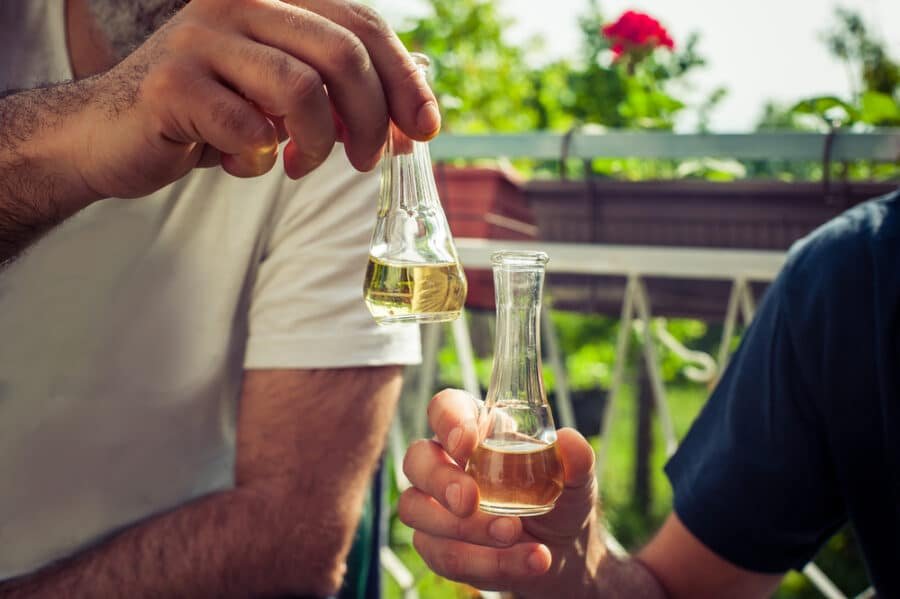
If there’s one Turkish scam you must be careful of in tourist resorts, it’s anything to do with alcohol.
Prices in Turkey have increased sharply over the last few years due to high inflation and repeated devaluations of the Turkish Lira, significantly affecting businesses’ operating costs.
Alcohol, in particular, is costly for bars to purchase, and in some cases, this has led to dishonest practices in bars that primarily target tourists.
Before I go on, I should state that this is a minority. For the most part, you won’t have problems, and bars are very honest indeed. But it doesn’t hurt to be aware of what could happen if you end up in a bar and something seems like a sham.
Firstly, counterfeit alcohol. While enforcement against illicit alcohol has increased in recent years, isolated cases still occur, most often linked to unregulated production rather than mainstream tourist bars.
If you order a drink that doesn’t taste right, send it back. Don’t just assume that it’s you. Also, listen to what people say about specific bars; if you read a bad review that mentions fake alcohol, avoid it. This is dangerous, and you don’t want to be involved.
However, the most common issue is watering down genuine drinks. Again, not all bars, but some. This means you’re paying for a drink containing far less alcohol than you’re paying for – a total sham. If you feel your drink is too weak, mention it to the server and ask for a new one.
Turkey has experienced recurring incidents involving illicit alcohol, primarily linked to unregulated production rather than licensed tourist bars, and these cases are typically reported through national health and law-enforcement channels.
2. Shoe Cleaning Scam On Busy Streets
You might think you’re doing someone a favor, but they have something else on their mind. Harsh but true.
Picture this. You’re walking along, and the man in front of you drops one of his cleaning brushes. You shout after him, and he turns, shakes his head as if to say, “Silly me,” and comes back to pick up his brush.
He then thanks you and says that he wants to clean your shoes. You assume he’s doing it as a thank you, but he’s not. He’s about to charge you for it, and once those shoes are clean, there’s nothing you can do about it. An easy ruse to fall victim to (I almost did myself!)
Please don’t feel bad about it, though. This is one of the oldest tourist scams in Turkey. Be aware of this “trick,” and don’t fall for it.
3. Bar Tabs That Inflate Final Bills
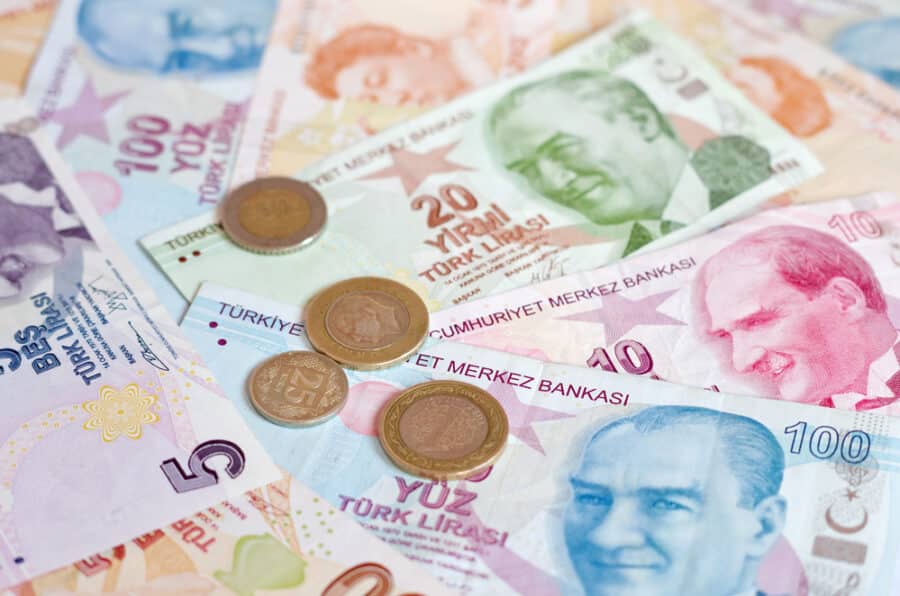
Please don’t do it. This often happens at hotels and bars you visit regularly.
When you have a tab, the drinks and food you consume over a period of time, perhaps a week or two, are added to the list, and you pay at the end. Not all places allow this; if you can avoid it, you’re best to do so.
When you’re presented with a very large bill in the end, you’ll wish you’d been more careful. It’s not easy to know how much you’re spending over a long period, and things can add up. Also, there’s no way to know if they’ve added extra drinks onto your bill that you never had in the first place.
While uncommon, disputes over inflated tabs do occur and are difficult to prove, making them especially costly when they do.
Brands We Use And Trust
4. Incorrect Change Scams In Restaurants
This particular con can happen anywhere in Turkey, but it is most often reported in busy tourist districts such as Sultanahmet in Istanbul. It is one of the more frequently reported tourist complaints in Istanbul.
You’re enjoying delicious Turkish food while overlooking the Blue Mosque and Hagia Sophia when a group of musicians approaches to serenade you. You might have had a few drinks, and you’re really feeling the love for Istanbul’s warm welcome. Then the bill comes. But you’re still distracted.
If at all possible, try to pay with exact change or by card. The reason is that if your bill was, for instance, 150 Lira and you give 200 Lira, expecting 50 Lira change, you might be sitting waiting for quite a while.
You would then inquire about the whereabouts of your change, only to be told that you had given them the correct amount.
You know you didn’t. Cue an awkward exchange, and in some cases, no change returned.
Again, this isn’t the case with all restaurants, but it’s something to be wary of. Disputes over incorrect change are among the most commonly reported payment issues in Istanbul’s tourist areas. Don’t get caught off guard!
5. Extra Items Added To The Bill
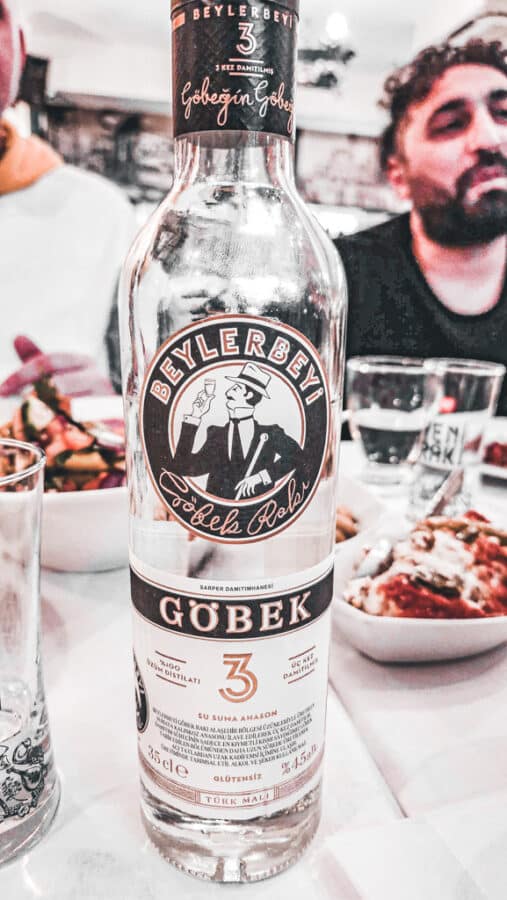
Let’s talk about this a bit more. This doesn’t only happen when you have a tab; it can happen if you run up a bill one evening, especially if there is a group of you or if you’re a little tipsy.
Again, don’t assume it happens in all bars, but if you get an unscrupulous one, you might find a few more drinks sneakily added to your bill, and you end up having to pay for them. It’s your word against theirs, and trust me, nobody will believe you.
Also, if you’re a large group of separate families or couples, have separate bills for each. You can ask the server to separate your table into family 1, family 2, etc. This makes the whole thing easier to manage, and you’ll know if your bill is correct at the end of the day.
6. Items Added That Are Not Free
One of the more frequently reported tourist complaints in Istanbul involves items appearing on the bill that visitors assumed were complimentary. Sometimes you’ll find that those things weren’t free and cost quite a lot of Lira.
If anything comes to your table that you didn’t individually order, either ask about it or don’t eat it. In some restaurants, small meze items may be offered without being explicitly ordered, but they are not automatically free unless stated.
So, again, check. If you’re eating at an ocakbasi (a typical Turkish grill restaurant), water may be automatically placed on your table, and in many restaurants it is charged unless specified otherwise.
The same goes for bars. You might have a bowl of nuts put on your table when you order a couple of beers. Assuming they’re free, you’ll munch along while enjoying your night, only to be charged an additional amount for the pleasure. Urgh.
Check your bill carefully when it arrives and question anything that doesn’t seem right.
7. Hotel Room Theft & Safe Usage
Again, not all hotels, and this scam does not happen in Turkey – this happens worldwide! I really don’t want to freak you out here, but this is a common-sense issue to be aware of.
When leaving your hotel room, ensure you lock your valuables, including money, in your safe. Leaving things out in the room means anyone who enters your room, e.g., cleaners or maintenance staff, can access them. For the most part, they won’t even get touched, but it’s better to be safe than sorry.
You’ll struggle to prove that you left those things out if you didn’t put them in your safe.
8. Overpricing & Haggling For Tourists
If you want to buy something large or even semi-large, it’s best to have a trusted local handle the haggling for you. Shopkeepers have been known to put the price up if you’re a foreigner or yabancı (the Turkish word for foreigner) – the saddest scam of all, if you ask me. However, if a local asks for you, you may find you get a better price – or at least the real one.
9. Taxi Meter & Route Inflation Scams
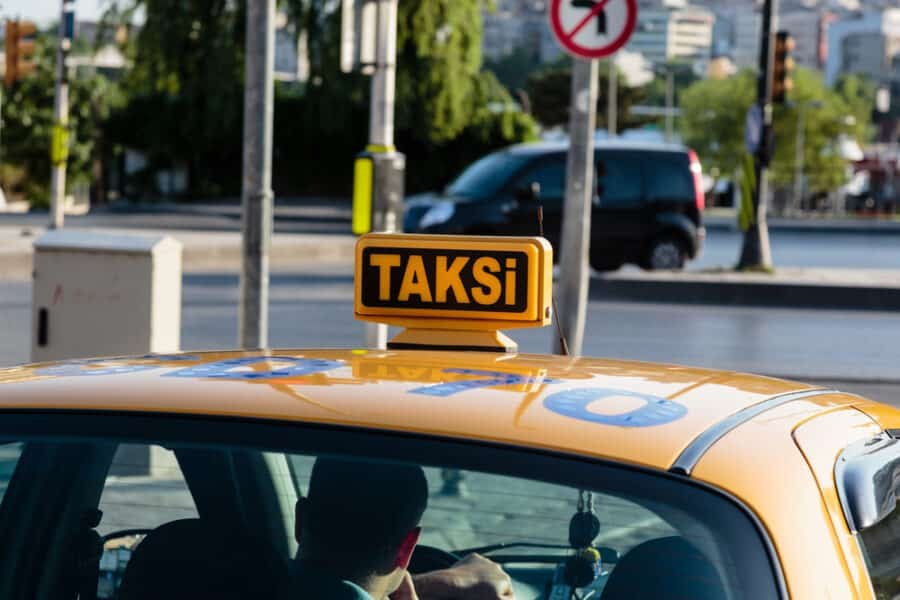
The taxi scam in Turkey ia problem nationwideryt especially in Istanbul. Some taxi drivers may take you on the scenic route to charge more for your journey.
However, you can avoid being conned by ensuring the taxi meter is activated at the start of the journey, which is legally required for licensed taxis, and by asking for a rough price, so they know you are aware of this common deception.
10. Beach Walk Invitation Scam

This scam relies on deception rather than money and is reported most often in resort areas and coastal towns. A friendly local may strike up a conversation over several days and suggest going for a walk on the beach or to a quiet spot after work, presenting it as harmless and casual.
Once isolated, the situation can quickly turn uncomfortable or intimidating, with pressure for physical or sexual contact that was never clearly communicated or consented to. In some cases, travelers report feeling unsafe or unsure how to exit the situation politely or confidently.
What makes this a scam is the deliberate misrepresentation of intentions to gain trust and isolate someone, rather than being upfront about motives. Awareness is key — if an invitation feels vague, rushed, or deliberately private, it’s reasonable to decline without explanation.
11. Solo Traveller Romance Scam
This scam targets solo travelers through sudden intense friendliness that escalates quickly into flattery, emotional bonding, or a fast-moving “relationship” vibe. It can happen in person or shift to messaging and social media very quickly.
The end goal is usually money, access to personal information, or being guided into situations where you’re pressured to spend or pay for someone else.
12. Fake Artefacts And Coins Scam
This scam shows up around historic sites and tourist-heavy areas, where someone approaches you with “ancient” coins or artefacts and claims they’re authentic (often framed as Byzantine or Ottoman-era pieces). It’s usually pitched as a once-in-a-lifetime bargain or a “special price” if you buy immediately.
The catch is that the items are typically modern replicas or low-value trinkets presented as valuable antiques, with pressure to purchase on the spot.
13. Turkish Carpet And Rug Scams
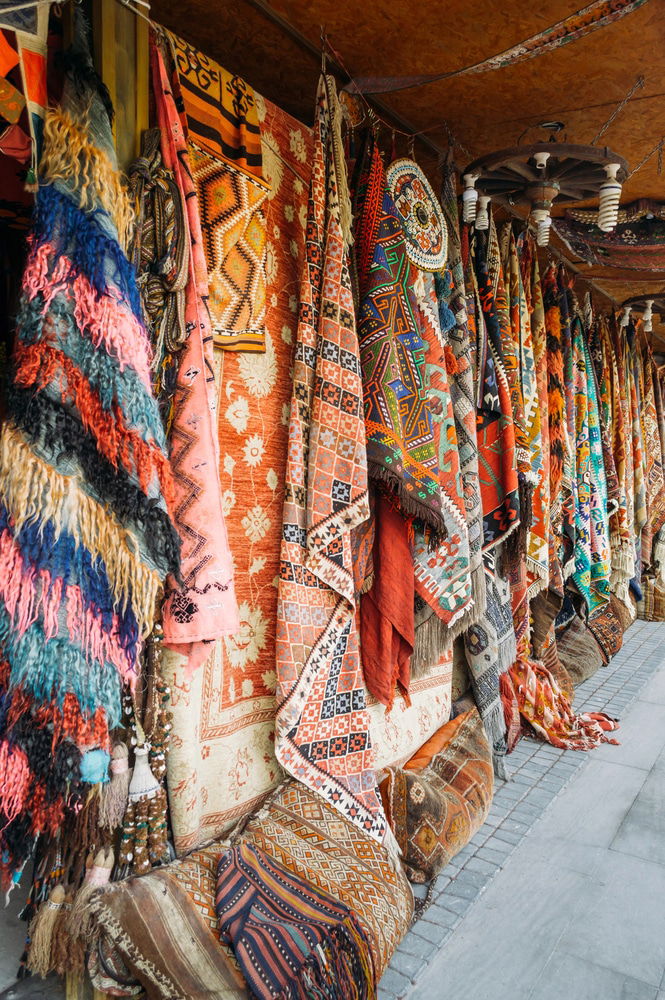
Turkey’s carpet culture is real, and that’s exactly why rug-related scams exist in tourist markets and bazaars. The setup usually involves being shown “handmade” or “silk” rugs that are actually machine-made, mislabeled, or priced far above their real value.
Sometimes the pitch includes dramatic stories about the rug’s origin, age, or rarity to justify a high price and create urgency.
14. The Bar Invite Drink Scam

This is slightly different from watered-down drinks or counterfeit alcohol. It typically starts with a very friendly stranger who invites you for a drink at a specific bar, often steering you somewhere you didn’t choose yourself.
Once there, travelers report surprise charges—menu prices that weren’t clearly disclosed, “host” drinks added, orbillsl thatescalates quickly and become confrontational.
15. Pickpocketing And Distraction Theft
Pickpocketing is most associated with crowded streets, busy public transport, and packed tourist areas. A common version involves a bump, a sudden distraction, or someone getting unusually close—just long enough for valuables to be lifted or a bag to be unzipped.
Some travelers also report distraction teams, where one person engages you while another targets pockets, bags, or open totes.
16. Currency Exchange And Card Machine Currency Scam
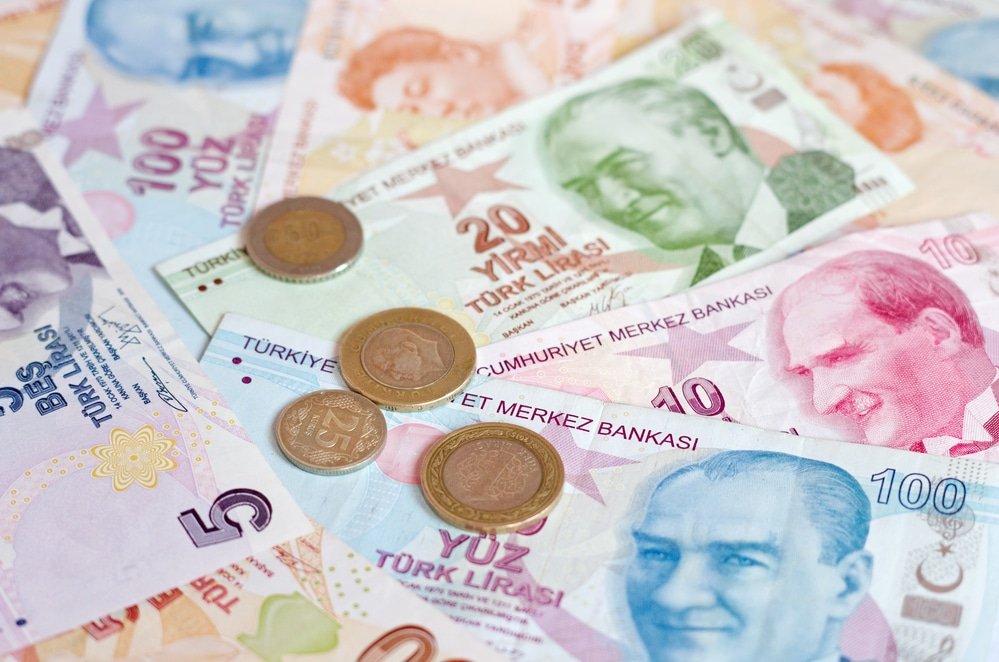
This scam often happens in shops or tourist-facing businesses where you pay by card. The item looks reasonably priced, but the payment terminal is set to charge in a foreign currency (often euros) instead of Turkish lira.
The result is a higher-than-expected charge, sometimes noticed only after the transaction is completed.
17. Fake Hotel Or Property Booking Scam
This scam typically begins with a booking message or confirmation that looks legitimate—sometimes mirroring real brands, restaurants, or real formatting. Travelers are pushed to pay in cash on arrival or transfer money outside normal booking channels.
The most common result is arriving to find that no reservation exists, the contact has disappeared, or the “property” is not what was advertised.
18. Fake Policeman Scam

This involves someone presenting themselves as police (or implying official authority) and requesting to see your passport, wallet, or cash—often in a quiet area or away from crowds. The interaction is designed to feel urgent and intimidating.
Travelers report that money is taken during the “check,” that documents are handled in a way that creates confusion, or that they are pressured into paying on the spot.
19. Street Sellers With Defective Or Misrepresented Goods
In tourist areas, street sellers may approach with small items like roses, perfume, or souvenirs, creating a friendly moment that turns into pressure to buy. The products are often low quality, defective, or not as described.
Once purchased, travelers report that returns or refunds aren’t possible because the seller disappears back into the crowd.
20. Ticket Seller Scam
This scam appears around popular attractions and transit hubs. Someone claims they can sell you discounted museum tickets, tours, transport tickets, or skip-the-line entry.
Travelers report being overcharged, sold invalid tickets, or given something that doesn’t match what was promised.
Move This Adventure To Your Inbox & Get An Instant Freebie

No spam. Unsubscribe at any time.
21. Falling Simit Man Scam

Simit is a common street food in Turkey, and this scam uses that familiarity as cover. Someone carrying a tray of simit may stage a fall and appear injured, drawing attention and sympathy.
When people stop to help, money is requested immediately, sometimes wunderemotional pressure or due to a rowing crowd
22. Photography Scam
A stranger asks you to take their photo and hands you a camera or phone. After you take the picture and return it, they deliberately drop the device and blame you for damaging it.
The demand is immediate payment for “repairs” or replacement, often delivered with pressure and accusation to force a quick payout.
23. Friendly ATM Helper Scam
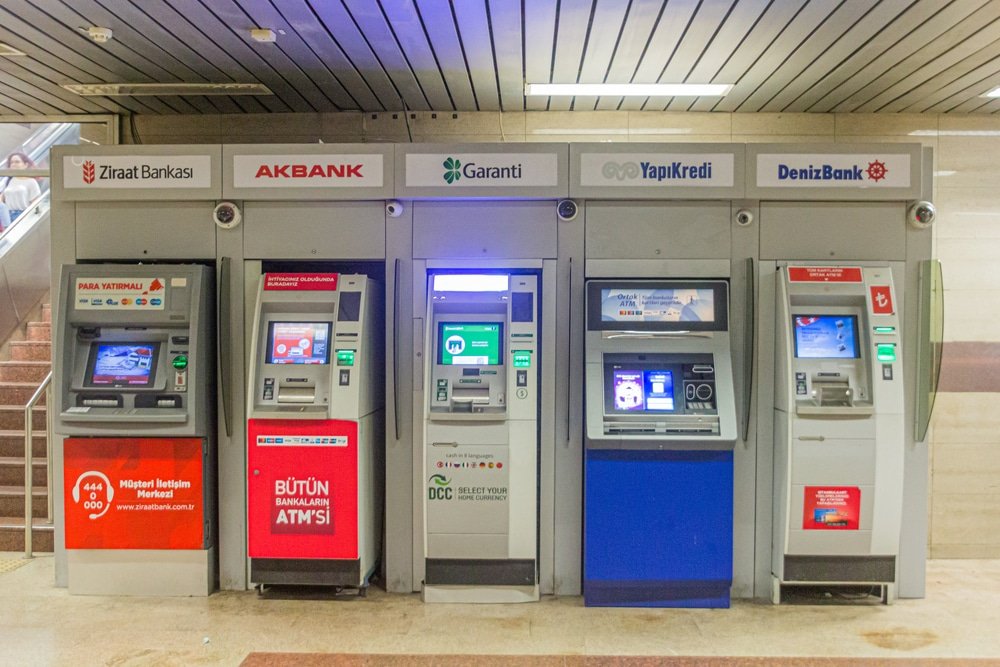
This one starts when you’re using an ATM, and someone offers unsolicited help—especially if a transaction takes longer than expected. The approach is framed as kindness, confusion assistance, or “showing you how it works.”
Travelers report attempts to observe PIN entry, distract during the transaction, or compromise card details in ways that can lead to later withdrawals or fraud.
24. Street Guessing Game Scam
This scam centers on a small street crowd watching a “game” or “magic” trick in which someone in the group appears to win a prize easily. The setup is designed to pull you in to watch closely and feel safe in a crowd.
While your attention is on the game, pickpocketing or bag tampering is the most commonly reported outcome among travelers.
25. Bird-Poop Or Paste Distraction Scam
In this version, a substance (sometimes framed as bird droppings) is thrown or smeared onto your clothing. A “helpful” stranger immediately appears,s offering to clean it off, often guiding you to focus on the mess.
While you’re distracted, valuables may be targeted—especially outer pockets, open bags, or items set down during the cleanup.
Frequent Questions About Scams In Türkiye
Are scams common in Turkey?
Scams are not widespread in everyday travel across Turkey, but certain tourist-focused scams do recur in busy areas such as Istanbul’s historic districts, nightlife zones, and resort towns.
Is fake alcohol still an issue in Turkey?
Cases of counterfeit alcohol do still occur, primarily linked to unregulated production rather than mainstream tourist bars, and enforcement efforts have increased in recent years.
Do restaurants in Turkey add items you didn’t order?
In some tourist areas, items such as meze, water, or snacks may be brought to the table without explicit explanation and later appear on the bill unless clarified.
Are taxi scams legal in Turkey?
Licensed taxis in Turkey are required to use a meter, and refusing to activate it or deliberately inflating the fare violates transport regulations.
Is haggling expected in Turkey?
Haggling is common in markets and souvenir shops, but fixed pricing is standard in supermarkets, restaurants, and most modern retail stores.
Is it safe to leave valuables in hotel rooms?
Most hotels are safe, but valuables left unsecured can be difficult to recover or prove ownership of, which is why in-room safes are widely provided.
So, now that you are well-versed in the most common scams in Turkey, we hope you have a wonderful trip, with fewer surprises and more time spent enjoying the food, culture, and places that make it special.
I would like to make a few additions to the article. As a Turk, I must say that there is no bargaining in almost any store in Turkey. The price is fixed, if it suits you, you buy it, if it doesn’t, you don’t buy it. However, I also notice price differences in some tourist places. The reason for this is that tourists, especially from the Middle East and sometimes from Europe, insist on bargaining.
I find it strange that you request that no money be charged for water or snacks brought to the table. Everything that comes to the table is subject to a fee, and this also applies to local Turks. If you don’t want it, you send it back. Of course, businesses do not have rules about giving gifts.
Under the influence of such writings; I see adult tourists looking at menus for minutes for amounts we would not care about in Turkey, and looking for city fountains instead of buying bottled water for 50 cents. And also, instead of buying a drink on a beach, I notice people taking the drink they bought from the supermarket out of their bag. I feel like telling these types of tourists, please don’t come to Turkey.
If you are not going to experience Turkey out of fear or stinginess, taste Turkish food, or buy souvenirs from stores, continue to spend time on your TV couch with your fear.
Reply to Mert – for many foreigners Turkey has become expensive and many places raise prices but quantity of food is reduced – another common scam. There has been a trend lately for many restauranteers to start charging for items like water etc. As regards the comment about tourists looking at minute amounts that locals would not care about – that is rubbish and not true – locals always complain mote then tourists due to lower salaries and high costs.
If Turkey continues to charge exhorbitant prices for hotels, food and meals (in quite a few cases more then triple the amounts especially for ‘all inclusive’ as some friends have found) then this will get back to the tourist country and the word spread. Already may places are complaining that tourists are not coming – why ? – they also have cost of living issues at home and to find the Turkish charging even a lot more then the rate of inflation is a total put off form coming.
If Turkey continues this way then why bother coming when you can either sit ion a couch OR find another far cheaper location in Europe.
Be careful what you wish for Mert !
PS I have lived in Turkey for 5 years and am leaving end of July due to the greed that the locals have placed on tourists – may have left and more on the way.
Couldn’t agree with you more Paul. If it wasn’t for my parents I will never travel to turkey again. It’s becomes very stressful and even though I come from Turkish origin I also get scammed. I now rather holiday in destinations like dubai & I don’t have to worry about prices. The price is the price, hotels are high standard and way more cheaper. To the hair salons through to the pharmacy (I was scammed, if they sniff anything overseas they triple the price) it upsets me to say this but truth is the truth and it’s actually embarrassing because we are not the first to complain. Tourists and even Turkish Citizens who live overseas (gurbetci) are choosing alternate destinations and at the end turkey will loose revenue because of these money hungry establishments and individuals. Turkey is not the only destination in the world (I rather spend my hard earned cash elsewhere and get the respect I deserve)