

I’ve been living and traveling around Croatia for 2 decades and write practical itineraries focused on what’s realistic in a short trip.
Most travelers need 2 full days in Zagreb to see the highlights without rushing: Upper Town, the main squares and markets, and one or two standout museums.
One day works if you’re after a fast, walking-tour-style visit, while three days gives you time to add Mirogoj Cemetery, the Green Horseshoe parks, and a slower pace.
| Category | Details |
|---|---|
| City population | 767,131 (2021 census); 771,062 (2023 estimate) |
| Currency | Euro (EUR) |
| €1 in USD | ~US$1.16 (mid-January 2026) |
| Schengen stay rule (most visa-free travelers) | 90 days in any 180 days (time in Croatia counts toward Schengen total) |
| Public transport operator | ZET (trams, buses, funicular) |
| ZET single tickets (kiosk/ticket office) | €0.53 (30 min), €0.93 (60 min), €1.33 (90 min); night €1.99 |
| ZET single tickets (from driver) | €0.80 (30 min), €1.33 (60 min), €1.99 (90 min); night €1.99 |
| ZET daily ticket | €3.98 |
| ZET multi-day tickets | 3 days €9.29 · 7 days €19.91 · 15 days €26.54 · 30 days €53.09 |
| Funicular status | Closed for renovation (January 20 2025 → expected March 2026) |
Skip Ahead To My Advice Here!
So, How Many Days In Zagreb Should You Plan?
It’s a good question: How many days will you need in Zagreb to make your trip worthwhile? We’ll examine what you can hope to see and do in the city, depending on the time you can spare. This is a key factor in working out the ideal Zagreb itinerary for you.
As the capital of Croatia, Zagreb is home to a wealth of culture and history. While the country is more famous for its coastline, beaches, and medieval old towns (not to mention Game of Thrones filming locations), there are plenty of reasons to spend some time exploring Croatia’s inland capital city.
Zagreb has something for everyone. There are cool cafés to discover, dozens of museums and galleries to visit, parks to wander through, and a whole host of bars and restaurants to try out.
How Many Days In Zagreb Is Enough
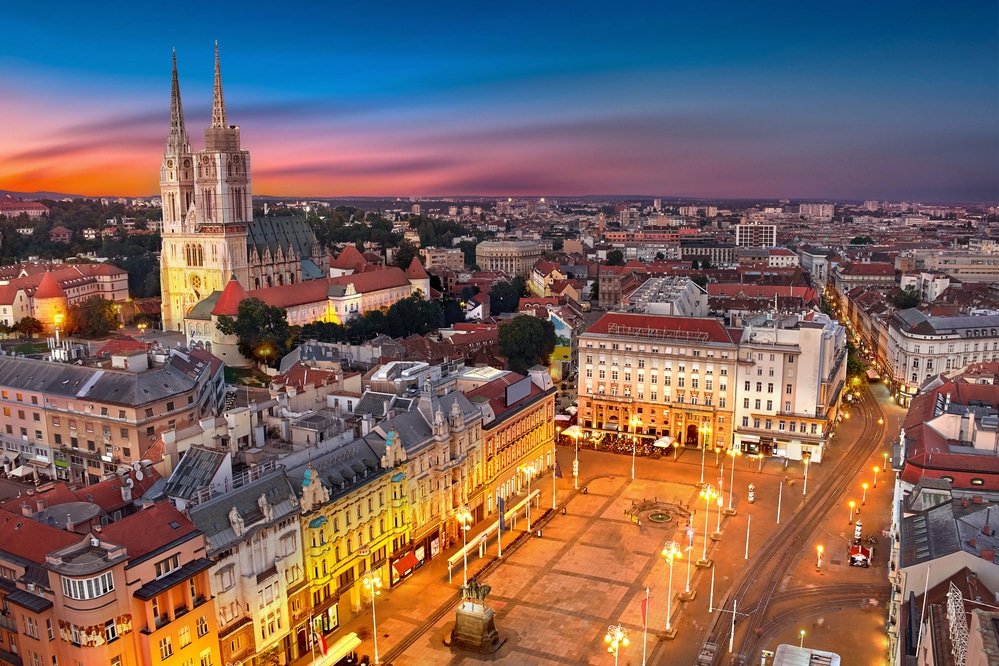
Any amount of days is enough time to explore at least one aspect of the city, but in general, the more time you give yourself, the less rushed you’ll have to be when getting around.
Even with one day in Zagreb, you can see a decent amount of the city. For a more in-depth trip, you can see Zagreb in 2 days. Add more days, and you’ll really get a feel for the city and experience the best of what Zagreb has to offer.
How To Spend 2 Days In Zagreb
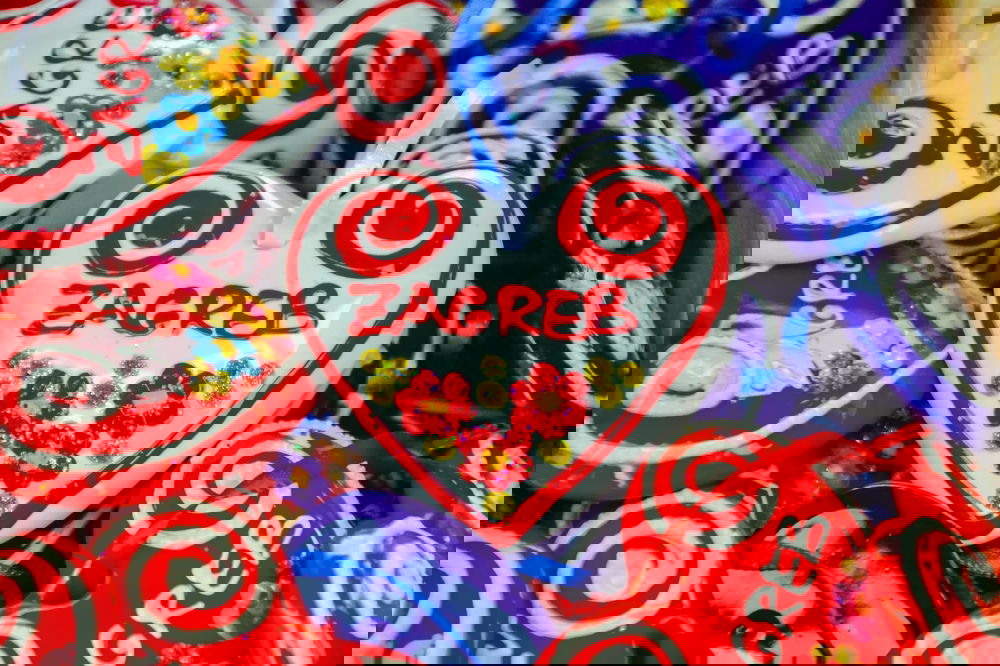
Spend two days in Zagreb, and you’ll be able to see most of the city’s cultural and historical hotspots. Two days is enough time to visit the top museums and experience some Zagreb café (and pub) culture. Your 48-hour itinerary in Zagreb would be packed with activities.
How To Spend 3 Days In Zagreb
If you spend three days in Zagreb, you’ll have more time to explore. Stroll the charming cobbled streets of the Upper Town and Lower Town and visit the Museum of Broken Relationships.
I’d say three to four days is the perfect amount of time to visit Zagreb and be rewarded for your time there.
How To Spend 4-5 Days In Zagreb
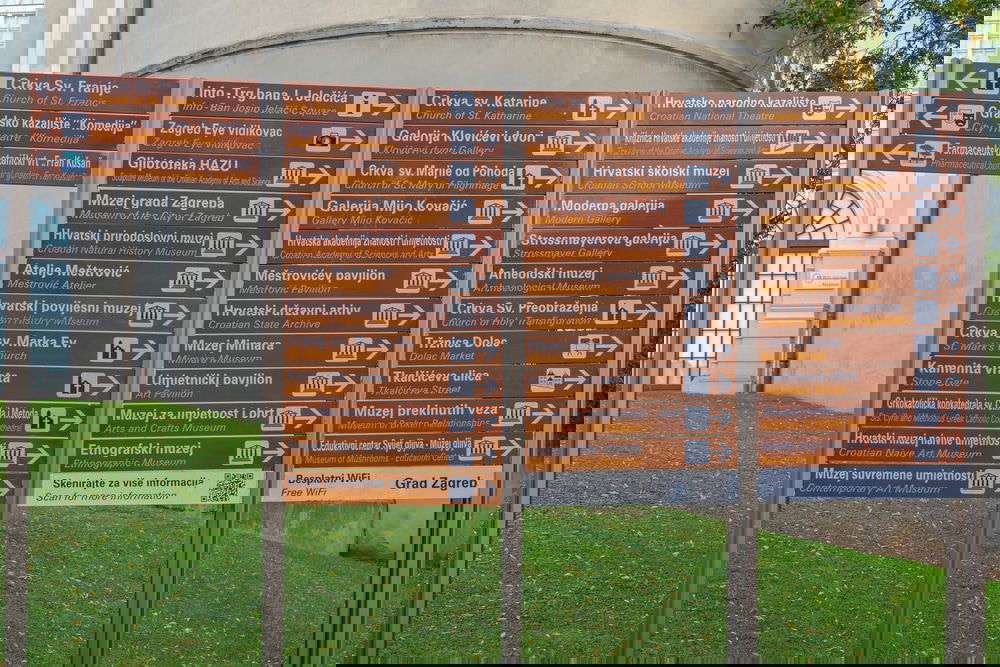
Do you have longer to spare? Then 4-5 days is an excellent amount of time to visit Zagreb and get off the beaten track.
You can go at a slower pace, or you could pack in even more stuff—the many, many museums (the Museum of Naive Art, for example), hang out in one of its multiple parks, or even take a day trip to Jarun Lake.
A Day Trip To Zagreb

If you’re not basing yourself in Zagreb during your vacation to Croatia, but you like the sound of this culture-packed city, then you could take a day trip to Zagreb. Traveling from Split to Zagreb can take a while, so it may not be the best option for you (i.e., if you don’t have many days to spare).
Traveling from Zadar city is also an option. If you’re staying there and feel like a day trip to Zagreb, you’ll be pleased to know it’s about a 2.5–3-hour drive away. It’s still quite far, but it’s doable if you have the time.
How Long To Spend In Zagreb
Zagreb offers a world of charm, fun, and culture for travelers of all types. Whether you’re here for the dozens of museums in the Croatian capital or for the nightlife, here are the ultimate Zagreb itineraries for you.
Zagreb Itinerary Options
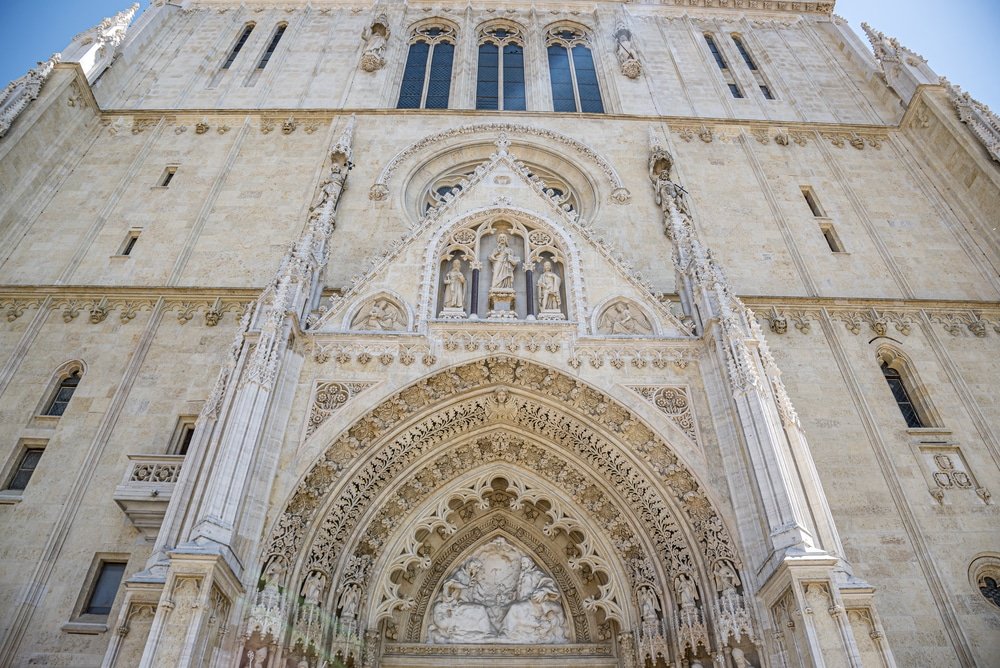
One Day In Zagreb
One day in Zagreb is enough to explore the city on a walking tour. Whether that’s an organized tour with a guide, such as this one, or a self-guidedu stroll through the town, it’s up to you.
Must-see sights for just one day in the city include the neo-Gothic Zagreb Cathedral, the Stone Gate, Jelacic Square, and Dolac Market (note: the funicular is currently closed for renovation, with completion expected around March 2026).
It’s an action-packed day, but you’ll have plenty of opportunities to take in the culture and architecture of the Croatian capital.
If you’ve only got a day here, you can use this as a good foundation for your next trip to Zagreb.
Day Two In Zagreb (Of 48 Hours In Zagreb)
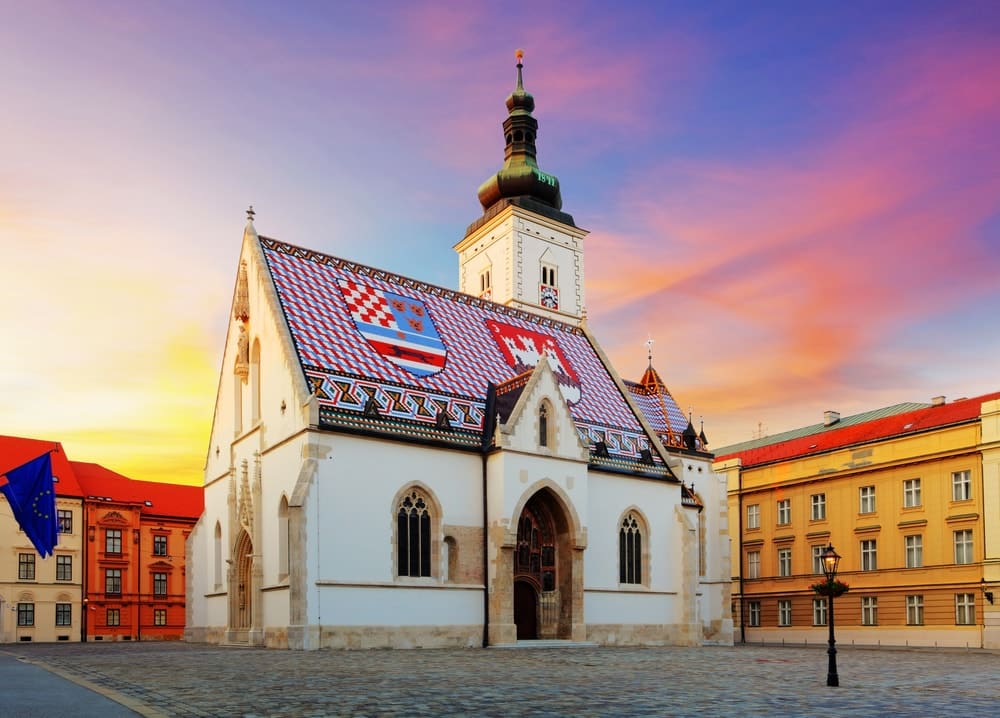
Two days in Zagreb give you more time to discover what the city has to offer.
Spend the first day in Zagreb getting acquainted with the city (as above), and then it’s on to the second part of your 48 hours in Zagreb.
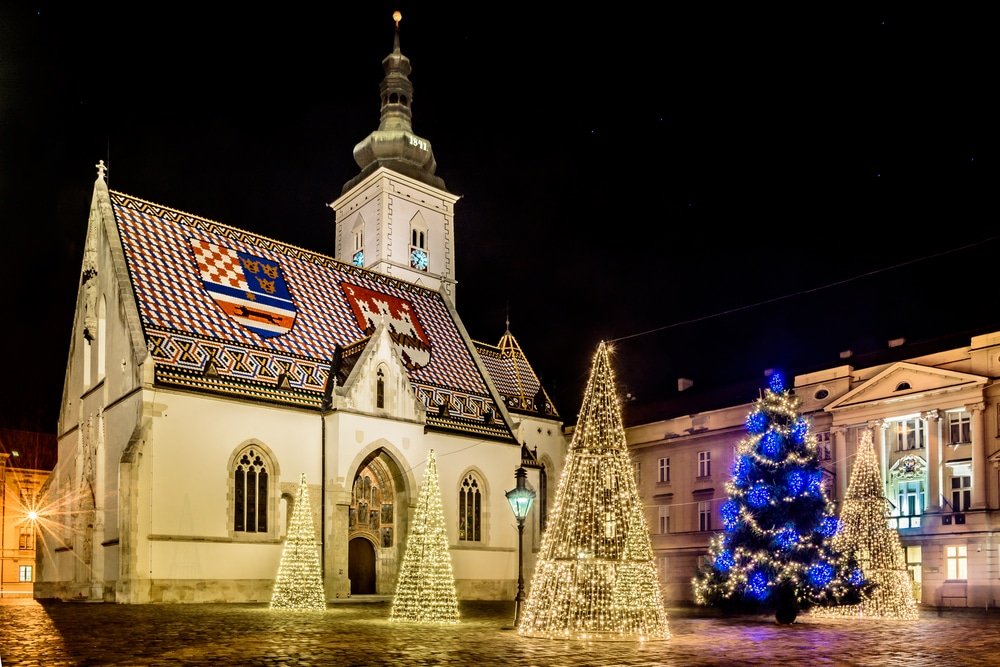
Begin day two in Zagreb in the Upper Town (the city’s old town), after which you can head to Saint Mark’s Square, the location of the 13th-century Saint Mark’s Church with its colorful roof. You can also see the Croatian Parliament Building here.
From here, it’s time to head onwards to the Museum of Broken Relationships. Dedicated to heartbreak and failed relationships, the exhibits here have all been donated by people from all over the world, representing different aspects of relationships that have ended.
Next up is the Lotrščak Tower. Climb this 13th-century medieval structure to take in panoramic views of the city. Top tip: arrive here at midday to experience the cannon being fired to mark the start of a long tradition.
Then, finish by heading back down to Lower Town (note: the funicular is currently closed for renovation, with completion expected around March 2026) and experiencing the lively nightlife in the area between Hotel Dubrovnik and Flower Square.
Day Three In Zagreb
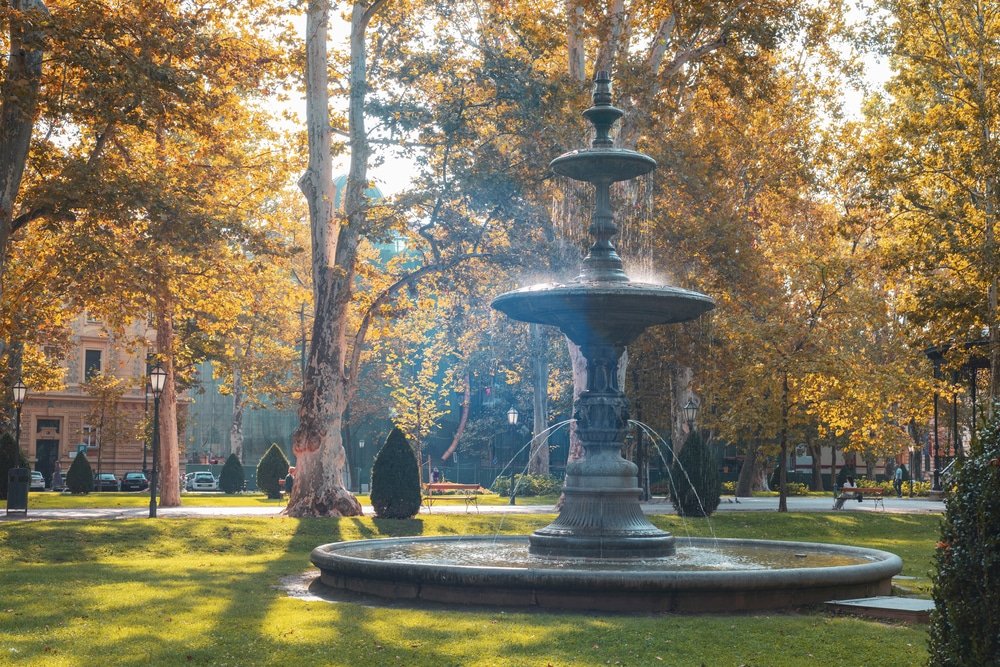
Now that you know how to spend two days in Zagreb, it’s time to begin day three. Start your day in style with a coffee at the Esplanade, a grand old hotel where you can sip coffee in chic surroundings.
Then it’s on to one of the city’s many art galleries, Strossmayer’s Gallery of Old Masters. This Renaissance palace is bursting with pieces by Old Masters (as the name suggests).
If you’re interested in history, you may want to visit the archaeological museum, which houses a collection of ancient Roman artifacts and Egyptian relics.
Spend the rest of your day exploring the “Green Horseshoe” (a series of semi-linked parks), starting with Zrinjevac Park, which is nearby. Grab a bite to eat, people-watch, and stroll.
Afterward, hop on the bus for a 20-minute ride to Mirogoj Cemetery, the final resting place of many notable figures from Croatia’s past, including writers and composers. Often dubbed the most beautiful cemetery in Europe, it’s a peaceful place to stroll and features gorgeous architecture throughout.
Head back to the city for more Zagreb nightlife. This time around, you may want to try out one of the many bars and restaurants that line Tkalčićeva Street.
Brands We Use And Trust
More Time In Zagreb
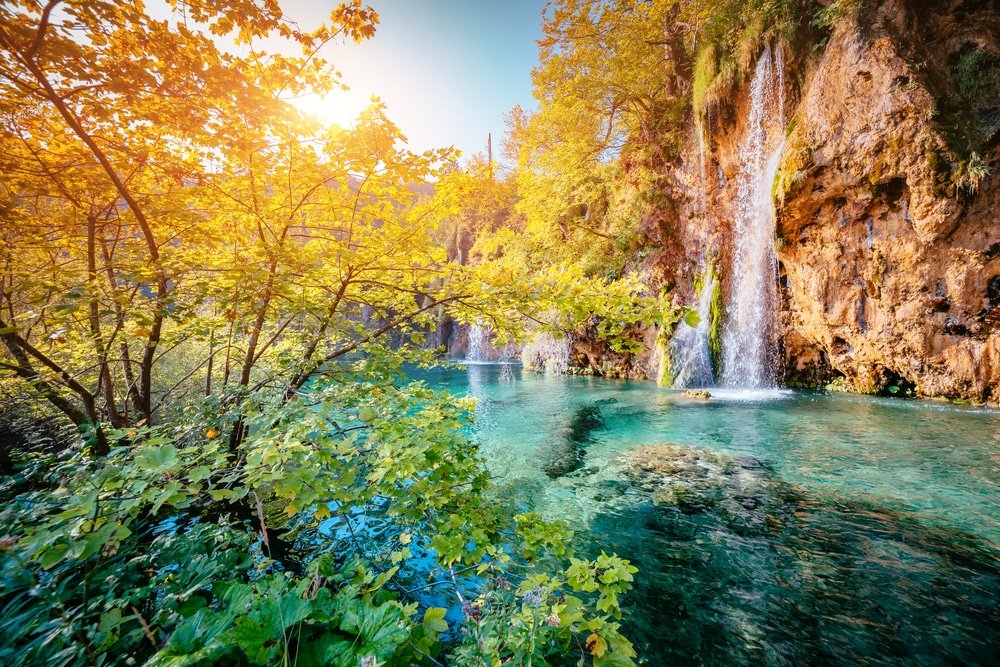
If you’ve got more days to spare than just a few days, great! You may have a week in Zagreb, or maybe even longer. In that case, it’s time to explore further because there’s plenty more to see both in the Croatian capital city and beyond if you take a day trip.
While it may only take a few days to see Zagreb’s top sights, it will take longer to explore the city’s food culture. This is your chance to take a food tour, which will involve visiting cafés and restaurants in Zagreb to sample Croatian dishes and regional fare.
Ironically, spending more time in Zagreb means spending more time outside of the city, seeing natural sights like the world-famous Plitvice Lakes National Park. For a hassle-free way to see it, I’d say go for a day tour. You could even take a trip to Dubrovnik and spend a night or two there before returning to Zagreb.
Basically, spending more time in Zagreb means getting to know the city. You’ll visit its many quirky cafés, bars, and museums—plus yet more non-quirky sights like the Zagreb City Museum.
Where To Stay In Zagreb
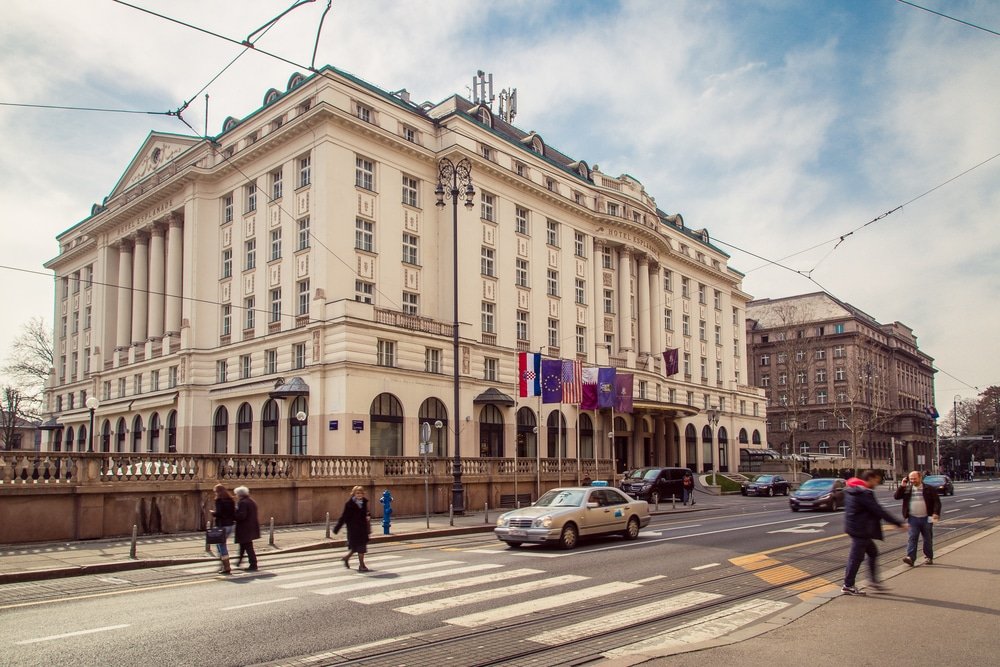
Zagreb is not short on accommodation. Here, you’ll find all sorts of hotels, from plush, 5-star icons to basic guesthouses and everything in between. But the question of exactly where you should base yourself is a good one.
If you’ve only got a short time, a weekend break, for example, you should opt to stay in Zagreb’s city center.
That way, you’ll be within walking distance of the significant sights. Plus, there are many accommodation options here: plush modern hotels, B&Bs, and hostels.
For a more extended stay in Zagreb, try Lake Jarun. It’s more peaceful, still easy to get to the center of town, and being somewhere more “local” gives you a better insight into what makes the city tick.
Here are some of the top hotels in Zagreb to inspire your trip.
Upscale – Hotel Dubrovnik. Situated in the center of the city, in Zagreb’s main square, this polished hotel offers a modern place to stay. It provides a variety of rooms and amenities, including a restaurant, bar, and fitness center.
Mid-range – Art Hotel Like. More of a boutique offering, this quirky place to stay in Zagreb is situated a 5-minute walk from the bustling Ban Jelacic Square. Rooms here are stylish and individually decorated, with warm color palettes and wooden floors, and feature private bathrooms.
Budget—Stay Swanky Bed & Breakfast. This budget-friendly accommodation option in central Zagreb ticks all the boxes. Not only is it affordable, but it’s clean, comfortable, and has transport options right on the doorstep.
Tips For Planning A Trip To Zagreb
Best Time To Visit Zagreb
Unlike the Dalmatian coast of Croatia, planning a trip to Zagreb doesn’t necessarily mean going there when the weather is at its best. While the beaches and coastal towns are lovely in the summer sun, walking around a city in the height of summer isn’t as fun.
Plus, many of the attractions—the museums and galleries—are indoors, so visiting during a rainy or cold time of year won’t matter so much.
Autumn
Autumn is an ideal time of year to visit Zagreb. There are a fewer crowds of tourists, but temperatures are still pleasant for spending time outdoors in the city’s many green spaces or sitting on a terrace café.
That said, autumn can be unpredictable. Temperatures can dip suddenly, then warm up and brighten. Locals like to cling to the last of the summer weather and spend warmer autumn days eating and drinking al fresco in the city’s bars, cafés, and restaurants.
September is still lovely, almost like an extension of summer weather.
Once the weather really does start to turn colder — think 41°F (5°C) in November — there’s still the opportunity to head inside and get cozy. On average, October temperatures are 52°F (10°C). It also rains quite a bit in October; about half of the days are rainy.
Spring
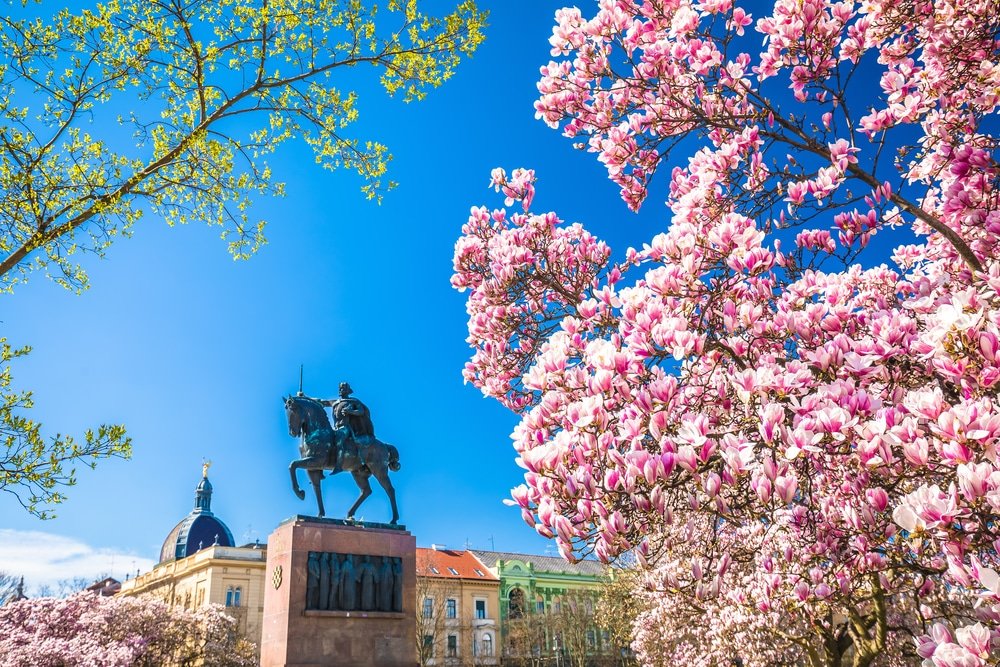
At this time of year, the city is waking up and emerging from hibernation. The temperatures start to warm up, and the days get sunnier than they were in winter.
April and May bring temperatures warm enough to sit outside in the city’s parks. The average temperature in April is 49°F (9°C), with highs averaging 58°F (14°C). But don’t come here expecting milder temperatures the whole time. Temperatures can still drop suddenly to as low as 39°F (4°C).
The upside of coming in the spring is fewer crowds. It’s shoulder season, before the general rush of tourists who come in summer, so you won’t have to contend with too many people on public transport, in public parks, or in bars.
Summer
Many tourists visit Zagreb during the summer. In fact, most people visit the city this time of year. It’s peak tourist season across Croatia, and in the capital, it’s no different.
But this is also when local Zagreb residents head out of town for their summer holidays, making their way to the beaches along the coast.
However, compared to the coastline, temperatures are relatively mild. In June, for example, expect average highs of 73°F (22°C). By August, things have warmed up significantly, with highs of 81°F (27°C). There’s also not very much rain to speak of.
Summer in Zagreb is pleasant. There are plenty of outdoor spaces, including restaurants and cafés with terrace seating, as well as green, leafy parks. City dwellers like to visit Lake Jarun for fun, splashing around in the lake’s waters.
Winter
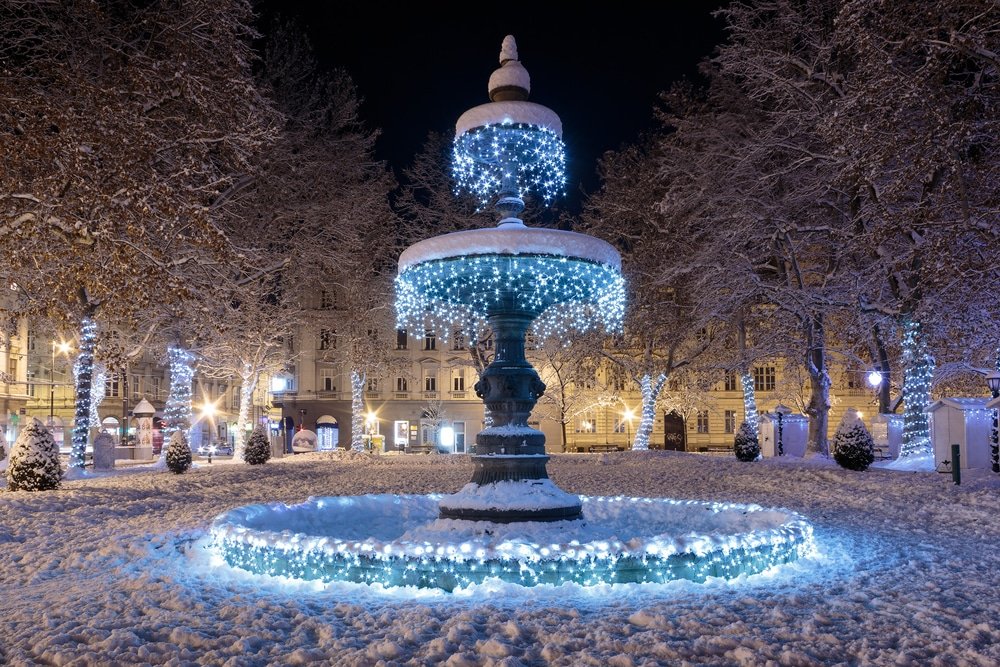
Winter is chilly. It’s definitely the time of year to take full advantage of the city’s many museums, cozy bars, and restaurants. Temperatures in December, for example, only reach highs of around 41°F (5°C) and lows of 0°C (32°F). January is even colder, with average lows of 30°F (-2°C) and highs of 39°F (4°C). The sun doesn’t come out very much; it’s pretty cloudy, and there’s often a chance of snow.
Traveling to Zagreb this time of year may not sound appealing, but you’ll be rewarded with fewer tourists, a more local atmosphere, uncrowded sights, and cheaper accommodations and flights. If you visit in December, you’ll also be able to soak up the festive atmosphere at the city’s main square, home to the giant Christmas Market.
Facts about Zagreb – The Croatian Capital
Population
At the 2021 census, the City of Zagreb had a population of 767,131 (2023 estimate: 771,062), making it the largest city in Croatia.
Language
Croatian is the language spoken in Zagreb. There are plenty of English speakers, too.
Currency
As of January 2023, Croatia uses the euro (previously, they used the kuna). €1 is approximately US$1.16 (as of mid-January 2026).
Plugs
Croatia uses two main plugs: type C (two round pins) and type F (two round pins plus earth clips). The standard voltage is 230 V, and the standard frequency is 50 Hz. You should definitely pack a universal adapter.
Main International Airport In Zagreb
The main airport in Zagreb is Franjo Tuđman Airport. It receives international flights from across Europe.
Travel Requirements For Croatia
Many travelers (including U.S., UK, Australian, and Canadian passport holders) can visit Croatia visa-free for up to 90 days in any 180-day period in the Schengen Area (time in Croatia counts toward your Schengen total).
Croatia is in the Schengen Area, so the 90/180 rule applies across the Schengen Area (not just in Croatia). The EU’s biometric Entry/Exit System (EES) is rolling out (expected to be fully implemented by April 2026), and ETIAS is planned to start in the last quarter of 2026.
Public Transportation In Zagreb
For some other helpful information about Zagreb, it’s good to know about the city’s public transport system. There are several options to help you explore the capital, which together make a comprehensive way to get around.
Ticket checks do happen—validate paper tickets (stamp) or validate app tickets (QR/NFC) as soon as you board.
Zagreb Trams
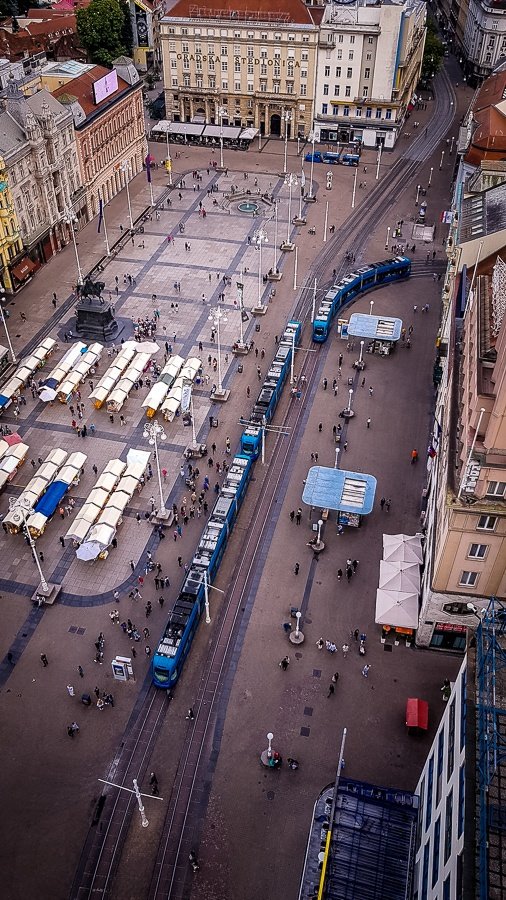
Along with Osijek, Zagreb is the only town in Croatia to have its own tram network. Called ZET (Zagrebački električni tramvaj), it’s been running since 1891. There are 19 lines, 4 of which are nighttime-only, serving a vast expanse of the city’s sprawl.
You buy tickets in increments of time rather than distance. ZET ticket inspection fine (no valid ticket). On-the-spot settlement is typically €33.18; if not settled, the formal misdemeanour fine can be higher.
From machines, these cost €0.53 (30 minutes), €0.93 (60 minutes), and €1.33 (90 minutes). A single nighttime fare is €1.99.
If you purchase from the driver on board, then tickets cost €0.80 (30 minutes), €1.33 (60 minutes), €1.99 (90 minutes), and €1.99 for a nighttime fare. You can also buy a daily ticket, which covers a full day of travel, for €3.98.
You can also purchase multi-day tickets:
- 3 days — €9.29
- 7 days — €19.91
- 15 days — €26.54
- 30 days — €53.09
Alternatively, you can buy tickets in the Moj ZET app and validate them on board by scanning a QR code or using NFC.
Buses In Zagreb
Zagreb also has an excellent public bus network. Also run by ZET, the bus network extends areas where the tram system doesn’t. The buses also stop at corresponding stations, meaning you can use both the trams and buses to get around efficiently.
The fares for buses in Zagreb are the same as for the city’s trams (above).
Daytime buses generally run from around 4 a.m. to midnight, with a smaller set of night lines after midnight. They’re usually on time, but the schedules can be disturbed by public holidays.
While not actually public transport, Zagreb also has a hop-on, hop-off tourist bus. This bus runs on a circular route around the city’s main sights. There are five departures daily, and tickets cost €20.
Schedules and number of daily departures can change by season—check the operator’s current timetable before you plan around it.
Trains
Zagreb doesn’t have a metro, but it does have extensive rail service (including suburban trains) and is a transport hub for the rest of Croatia.
Therefore, it makes for a convenient jumping-off point for exploring the rest of the country.
The large Zagreb Glavni Kolod Train Station is the central station (around a 10-minute walk from the main square). It offers multiple departures to cities and towns throughout Croatia and has cafés.
Funicular
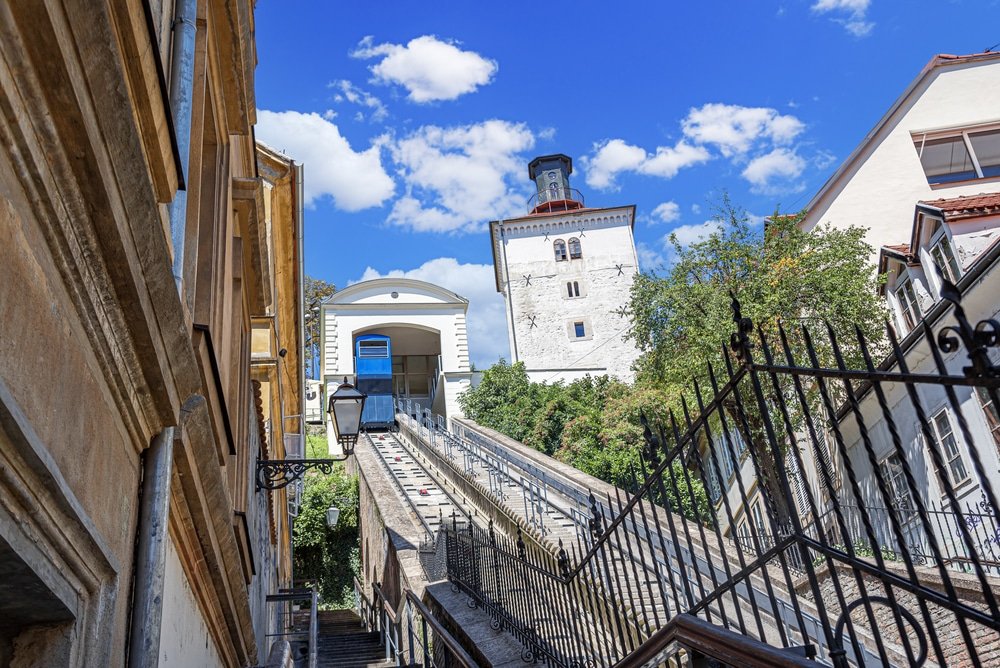
The city’s ZET transport network also runs a funicular. It opened in 1890 and is one of the shortest public-transport funiculars in the world (and among the oldest). It takes just 64 seconds to get from A to B.
The funicular carries 28 passengers per car and typically departs every 10 minutes, connecting the Lower Town with the Upper Town (but it’s currently closed for renovation, with completion expected around March 2026).
Planning a trip now: the Zagreb funicular is closed for renovation from January 20 2025, with reopening expected around March 2026.
Zagreb FAQs
How many days do you need in Zagreb?
One day is enough to see the main highlights; two days are ideal for a relaxed visit covering Upper Town, museums, and cafés; and three days allow time for Mirogoj Cemetery, the Green Horseshoe parks, and slower exploring.
Is the Zagreb funicular running right now?
No. The Zagreb funicular is closed for renovation from January 20 2025, with reopening expected around March 2026.
Do you need cash for public transport in Zagreb?
Not necessarily. Tickets can be bought at kiosks, ticket offices, from the driver, or through the Moj ZET app. Tickets must be validated upon boarding.
What is the tourist stay limit for Croatia?
Croatia is part of the Schengen Area. Most visa-free travelers can stay up to 90 days in any 180 days across the entire Schengen zone, not per country.
Does Zagreb have a metro?
No. Zagreb does not have a metro system, but it has an extensive tram and bus network, as well as strong rail connections to the rest of Croatia.
What happens if you don’t validate a ticket in Zagreb?
If you’re checked without a validated/active ticket, you can be required to pay an on-the-spot settlement (often €33.18) or face a higher formal fine if it goes to a misdemeanour process.
Is Zagreb walkable?
Yes—Upper Town and the center are very walkable, and trams cover longer hops across Lower Town.
Is Zagreb worth visiting in winter?
Yes—museums, cafés, and seasonal events make it a solid winter city break, with fewer crowds.
Do shops and museums close on Sundays in Zagreb?
Many do (or run reduced hours), but hours vary—check the specific museum/attraction’s hours.
How do you get from Zagreb airport to the city center?
Airport bus, taxi/ride-hail, or private transfer—time and price depend on traffic and time of day.
Do you need to book the Museum of Broken Relationships in advance?
Usually not for standard entry, but it can get busy—check current ticketing and hours.
Move This Adventure To Your Inbox & Get An Instant Freebie

No spam. Unsubscribe at any time.
Final Word On Zagreb
There you have it—the end of our article on how many days in Zagreb you’ll need to appreciate the city fully. One day will allow you to do a whirlwind walking tour. Spend two days here, and you’ll see the main sights and some nightlife.
Three days will allow you to see yet more of the city and its surroundings. But if you’ve got longer, lucky you—you’ll get to experience more of what makes this quirky capital city a fantastic place to spend your time in Croatia.
- Cool Days Trips From Zagreb
- Taking The Split To Zagreb Train
- Where To Go Hiking In Zagreb
- Zagreb Christmas Market Guide
- Unique Museums In Zagreb
- Where To Stay In Zagreb
- Dental Implant Vacation – Zagreb Is Where It’s At!
- Getting From The Zagreb Airport To The City Center
- Split Or Zagreb – Which To Visit
- Is Zagreb Worth Visiting?
- Zagreb To Plitvice Lakes National Park
- Things To Know Before Visiting Dubrovnik
- 10 Day Itinerary In Croatia