Turkey is a country where traditions are not reserved for special occasions — they are part of everyday life. From being offered tea in a shop to removing your shoes before entering a home, many Turkish customs are still experienced by travelers today, even in modern cities and popular tourist areas.
Understanding these traditions helps you move more confidently through daily interactions, whether visiting family homes, attending weddings, relaxing in a hammam, or simply spending time in cafés and local neighborhoods.
Based on years of living and traveling across Turkey, from large cities to rural regions, this guide focuses on the Turkish traditions and customs visitors are most likely to notice firsthand. These are not historical curiosities, but living practices that continue to shape daily life across the country.
Turkey’s appeal goes beyond its landscapes and beaches. What many people notice most are the everyday customs that quietly shape daily life, from how people eat and greet each other to the small rituals woven into ordinary moments.
Even in heavily visited areas, including popular beach resorts along the south coast, these traditions are still visible. They’re often subtle, easy to miss, and rarely explained — but once you recognize them, they add depth to everyday interactions and help you understand what’s happening around you.
It’s also worth knowing that traditions vary by region. In southeastern Turkey, daily life tends to be more conservative and communal, with practices such as shared floor seating for meals still common in some households. In western cities like Izmir, lifestyles are generally more relaxed and urban, and certain traditions are less prominent.
Below are the most common — and a few lesser-known — Turkish traditions you are most likely to encounter today.
Skip Ahead To My Advice Here!
8 Most Common Turkish Traditions Travelers Notice
| Tradition Or Custom | What You Will Notice | How Common Is It Today |
|---|---|---|
| Evil Eye (Nazar) | Displayed in homes, cars, shops, and on baby clothing | Everyday, nationwide |
| Removing Shoes Indoors | Shoes left at the door when entering homes | Very common in private homes |
| Turkish Tea (Çay) | Offered in homes, shops, offices, and tea gardens | Daily ritual |
| Turkish Coffee Traditions | Served during visits and family occasions; fortune-telling after | Common, especially socially |
| Car Horn Celebrations | Honking during weddings, football wins, and military send-offs | Occasional but noticeable |
| Hammam (Turkish Bath) | Public baths offering scrubbing and bathing rituals | Still common, especially in cities |
| Sünnet Celebrations | Boys dressed ceremonially; family celebrations | Common but private |
| Hıdrellez | Wish rituals, fires, and celebrations in early May | Seasonal (May 5–6) |
1. The Evil Eye (Nazar) And What It Means In Turkey
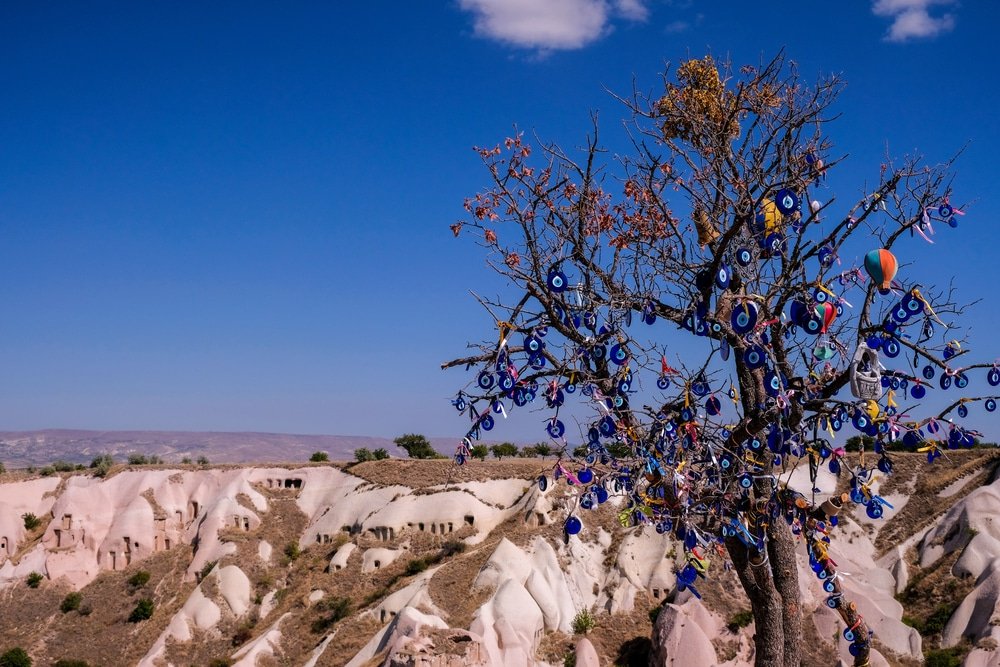
You’ll see the evil eye everywhere, especially in souvenir shops, but it’s more than just something fancy to stick on your fridge; it’s actually an essential part of Turkish culture.
The evil eye is a bright blue glass eye that is said to protect you from negative energy, especially envy. You might wonder why the color is blue. Well, in Turkish belief, blue is traditionally associated with protection against envy and negative energy, and the glass eye is used symbolically to deflect it.
You’ll see the evil eye hung above doors to protect against bad luck, as well as pinned to the clothes of newborn babies.
2. Why Shoes Are Removed In Turkish Homes
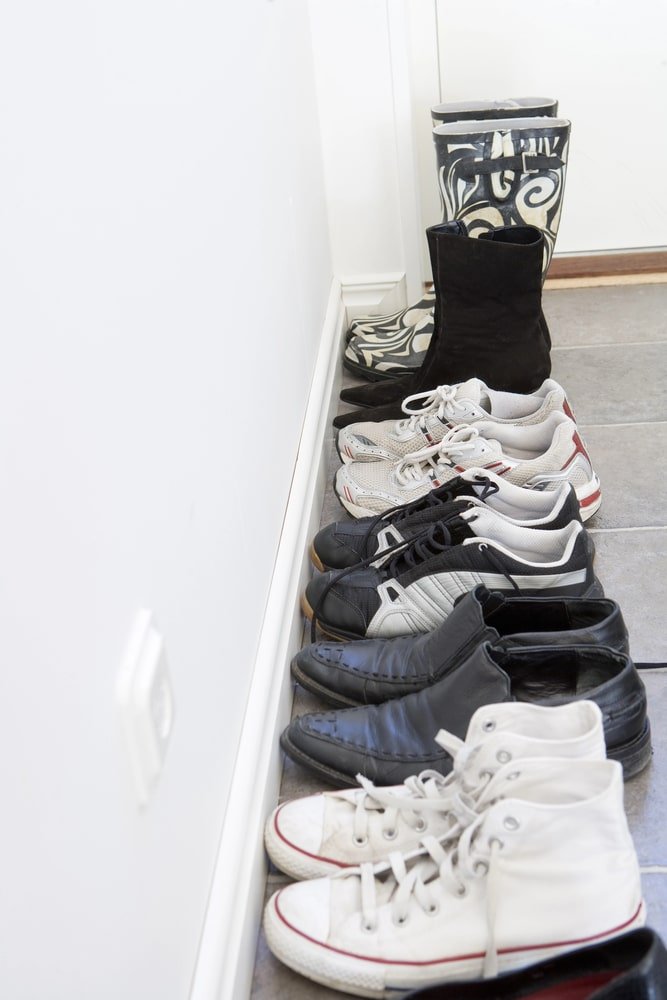
You could call it just good manners, but removing your shoes before entering someone’s house is customary in Turkey.
Not only is it considered rude not to remove your shoes, but it’s also about cleanliness and respect, which is culturally important in Turkish homes.
You should remove your shoes entirely outside the door threshold, and you’ll usually be given a pair of slippers to wear. However, I always find it’s a good idea to have clean socks on – or in my bag if I am not wearing socks that day.
Brands We Use And Trust
3. Turkish Coffee Traditions And Marriage Customs
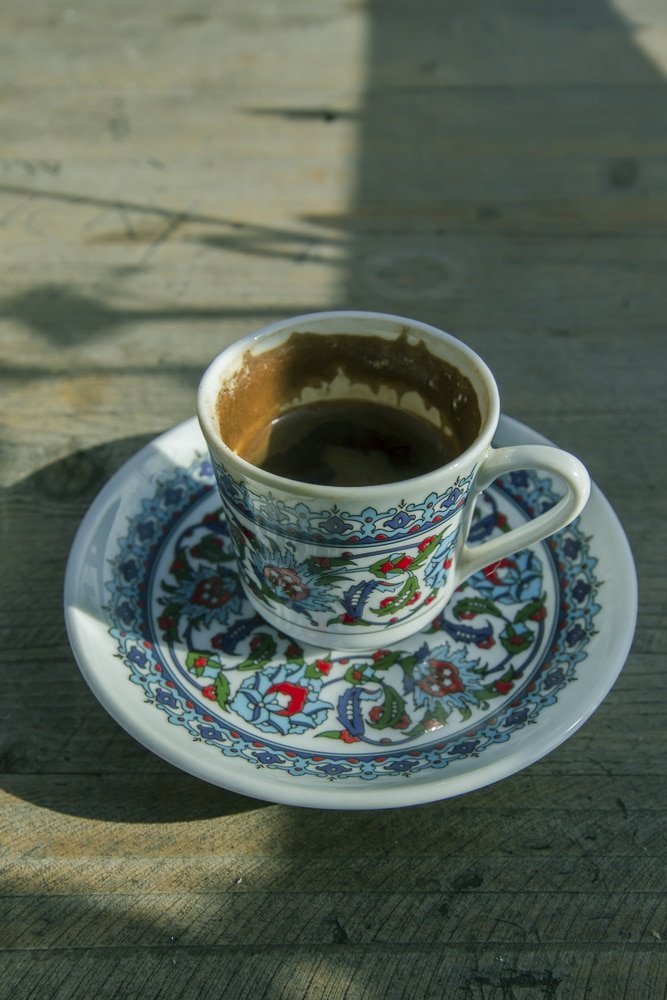
Turkish coffee is not like the regular latte or cappuccino you might be used to. It’s much stronger and earthier, and is traditionally served in a tiny cup without milk or sugar. However, if you want to add it, you can. Coffee doesn’t only serve as a delicious drink; it’s also a cultural symbol.
When a family’s son is about to get married, it’s traditional for his family to visit the potential bride’s family home and formally ask for her hand in marriage. However, during this time, it’s also traditional for the potential bride-to-be to make Turkish coffee for her possible in-laws, and it’s a make-or-break!
The other, more famous tradition associated with Turkish coffee is the practice of predicting the future. Once the cup is empty, it is turned upside down onto the plate and left to cool. After a short while, you lift it and look at the patterns inside the cup. It’s said to predict your future, and there will always be someone in your group who can read accurately.
4. Why Tea Is Central To Daily Life In Turkey
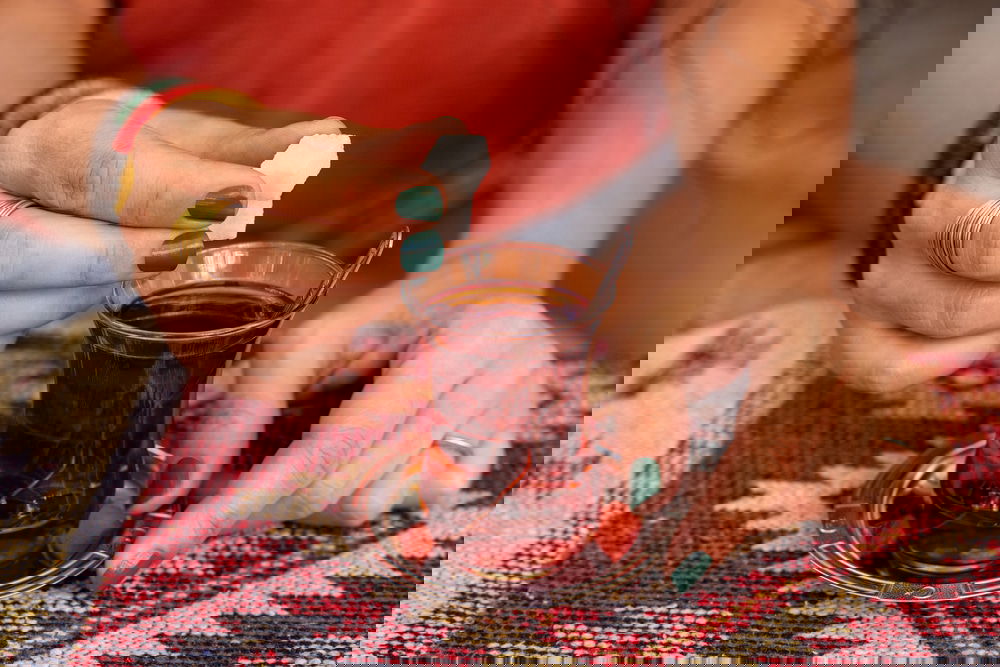
There is no way you can visit Turkeywithout seeinge ortastinge tea at least once or twice. It’s incredibly famous, and (almost) everyone drinks it throughout the day. It’s traditionally served in a small glass and is a dark tea, served with or without sugar. You do not add milk to Turkish tea – you may get some odd and possibly outraged looks if you attempt it!
Tea is a big part of Turkish hospitality, and you’ll often be offered it when you visit someone’s home or business. Tea is a key part of Turkish hospitality, and accepting it is often seen as a friendly gesture.
You’ll also see çay bahçesi, which translates to ‘tea garden.’ These are places where people come together to sit, talk, and drink tea, usually for a while. In some areas, you’ll notice that only men congregate in these spaces, but in many large cities these days, it’s a mix of men and women.
5. Why Car Horns Are Used For Celebrations In Turkey
Turkey is not a quiet place, especially in the middle of a city with traffic. Turkish drivers love to use their car horns for everything and anything. Still, they’re also used to celebrate special occasions, such as a wedding, a young man going off to military service, and even big football wins!
In this case, you’ll hear car horns repeatedly until the convoy of cars passes – it’s loud, but roll with it.
6. Oil Wrestling And The Kırkpınar Festival
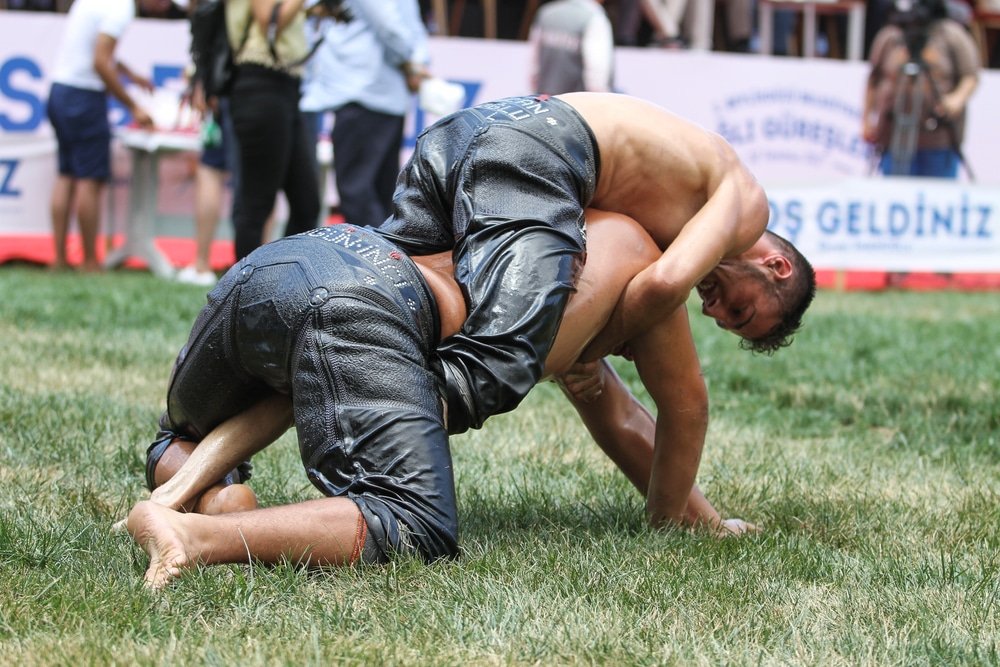
Yes, the first time you see it, you’ll wonder what on earth is happening. I’m not going to lie: it does look a bit odd, but bear with it because it’s a big tradition.
Oil wrestling is a historic sport with roots stretching back centuries in Anatolia and the wider region. The most famous festival is held in Edirne and has been held every year since 1362.
Basically, quite large men will cover themselves in oil and wrestle one another until one loses. A loss happens when one man’s navel (belly button) faces the sky – basically, he’s on his back. These matches can last for extended periods, with championship bouts sometimes lasting over an hour under traditional rules.
7. Sünnet: Circumcision Celebrations In Turkey
Turkey is a predominantly Muslim country, and circumcision is a significant cultural and religious tradition. It is a significant cultural and religious practice in Islam and is often performed as part of a rite.
Most boys are circumcised in childhood (the actual age varies, depending upon the wishes of the parents and their situation), and it marks their journey from boyhood to manhood.
The sünnet celebration takes place after the circumcision, and the young boy wears a special outfit and holds a scepter. In some cases, they sit in the back of an open-back car and drive around the locality with car horns beeping.
However, not all young boys have this; some have the procedure and celebrate with family at home.
8. What To Expect At A Traditional Turkish Wedding
Turkish weddings are big affairs, and in many cases, they go on for days. The day before the wedding itself, the kına gecesi (henna night) takes place. This is when the bride and groom, their families, and other guests all come together, and henna is applied to the bride’s hands.
This is said to symbolise blood and to celebrate the bride’s coming of age.
This evening features extensive dancing, and the following day, the actual wedding takes place.
The ceremony itself is swift; there are no vows as in European weddings; instead, when the officiator asks, they respond “evet,” which means “yes.” In this case, they’re agreeing to marry one another. Then they sign the book, along with their witnesses, and the formal celebration begins.
Cue the dancing!
9. Adaklık Kurban (Devotional sacrifice)
During Kurban Bayram, it is traditional to sacrifice an animal, most commonly a sheep, goat, or cow, and divide the meat between poor communities in the area. This is particularly common in rural and suburban areas and less visible in large cities, especially in tourist areas.
However, it’s still an essential part of the culture. These sacrifices can also be used to mark other important events, such as moving house, getting a job, or celebrating a wedding.
10. How People Greet Each Other In Turkey
Once you know someone relatively well, i.e., you’ve met a few times, you’ll notice that they greet you with a kiss on each cheek. This is a traditional greeting; however, if you’re meeting for the first time or not particularly familiar with one another, a handshake is likely.
You may see men greeting each other by gently touching the side of their heads together on both sides; this is a sign of respect.
You will also see people greeting older people slightly differently. In this case, they will kiss the older person’s hand and then touch the back of their hand to their forehead. This is a sign of respect once more, as respecting older people is a very important part of Turkish culture.
11. Being Offered Cologne Or Sweets By Turks
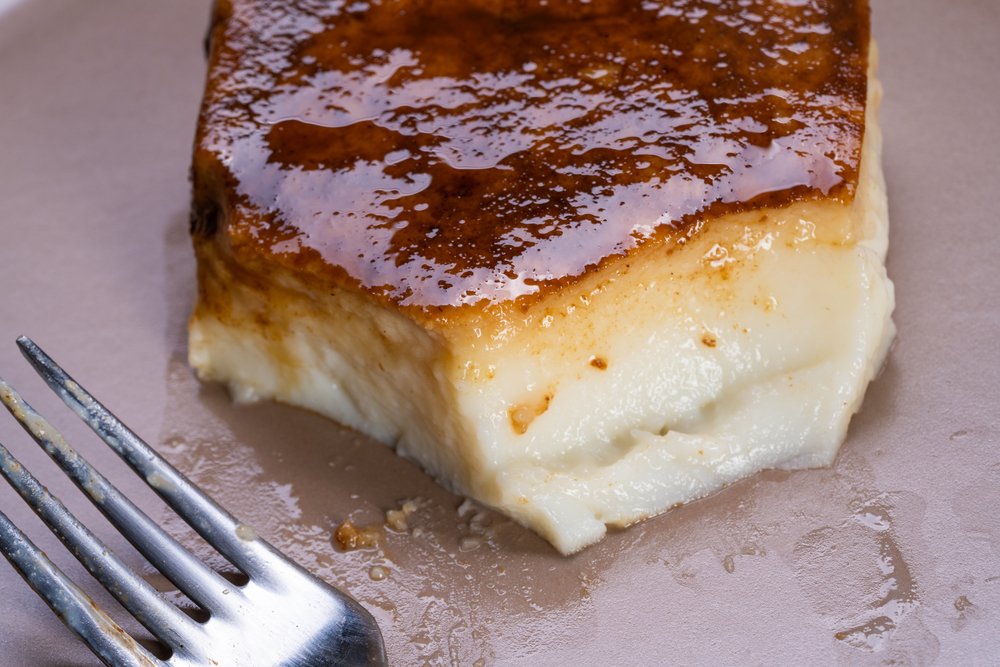
If you go into someone’s house or their shop and they’re particularly hospitable, you’ll be offered sweets or lemon cologne. If you’re offered cologne, hold out your hands and rub them together until it soaks in.
It’s always wise to accept sweets when offered, as refusing might cause upset.
12. What To Expect At A Turkish Hammam
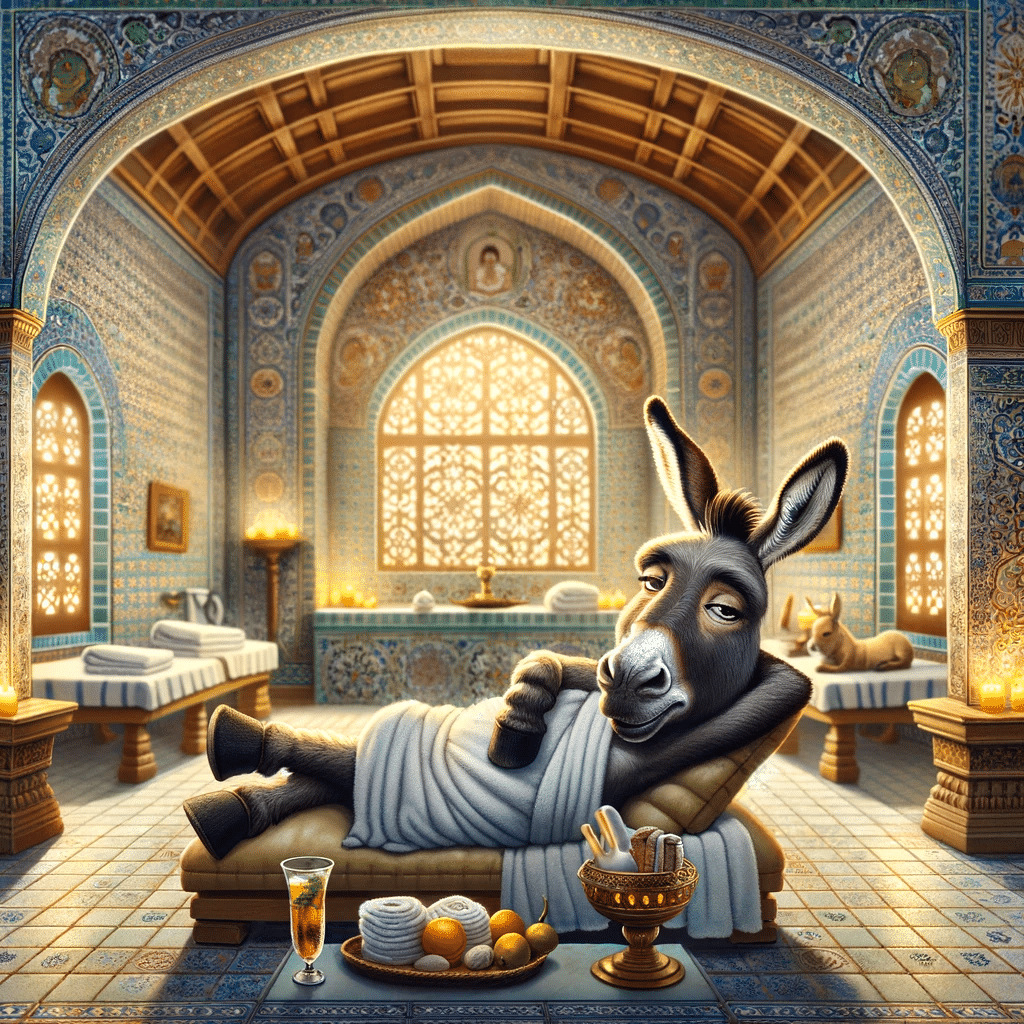
Cleanliness and hygiene are extremely important, and visiting the hammam is a key tradition dating back to the Ottomans.
These are communal bathing areas where you will receive deep cleaning and body scrubbing. Some modern hammams offer mixed-sex sessions at specific times, while many remain gender-segregated, but this isn’t always the case, so do check before visiting.
Before the hammam, you’ll spend a short time in the sauna to sweat out impurities, then move into the main bathing area for a scrub. You’ll then be given a towel or wrap to cover your body while you dry and relax. At this point, it’s customary to be offered a glass of çay.
13. Wish Trees (Dilek Ağacı)
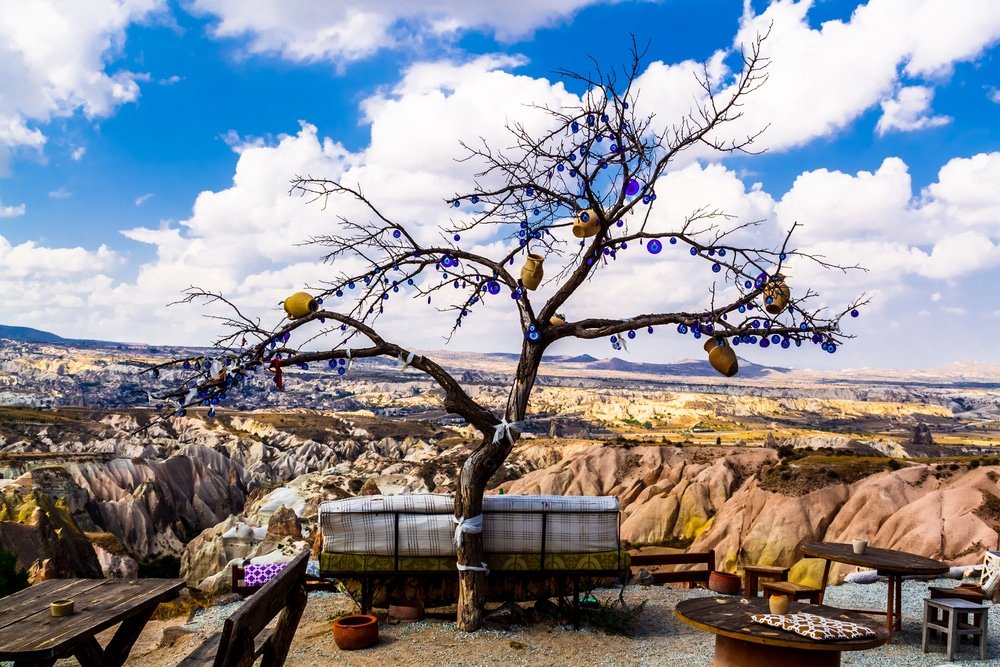
In some places, you’ll find large trees that are covered in pieces of fabric tied to the branches. These are known as wish trees, and they’re said to be lucky enough to bring your deepest desires to life.
All you need to do is think about your wish as you tie the piece of fabric to a spare branch. These trees are also must-have photos in your collection, as they’re usually perched on hills and their branches sway in the breeze, along with all the wishes people have left behind.
14. Hıdrellez: Turkey’s Spring Festival Explained
Hıdrellez is celebrated on the night of May 5 and throughout May 6 across much of Turkey.
At Hıdrellez, people celebrate the meeting of the two Prophets, Hıdır and İlyas. This event also marks the beginning of spring and the day when nature awakens from its winter slumber.
To celebrate this day, people write their wishes on a piece of paper and then, at night, bury it under a rose tree. Alternatively, you can draw your wish using a small rock and create an image in the soil. During the evening, fires are lit, wishes are made, and people take turns jumping on the fire – carefully, of course.
Then, before sunrise the following morning, you are supposed to collect your piece of paper from underneath the rose tree and throw it into the water, ideally a river or the sea, and if not, you can burn it or leave it under the rose tree.
15. Traditional Turkish Dances You’ll See At Celebrations
Traditional folk dances vary across the country and are performed in groups at weddings, when young men go to the army, and at other celebrations.
Some of the most famous types of dances are:
Halay
This dance is famous and originates in eastern and southeastern Turkey, as well as central Anatolia. The dance starts slowly and gradually accelerates to the beat of the drums and the kaval. This is a big group dance in which everyone stands in a line or circle, linking their little fingers.
Hora
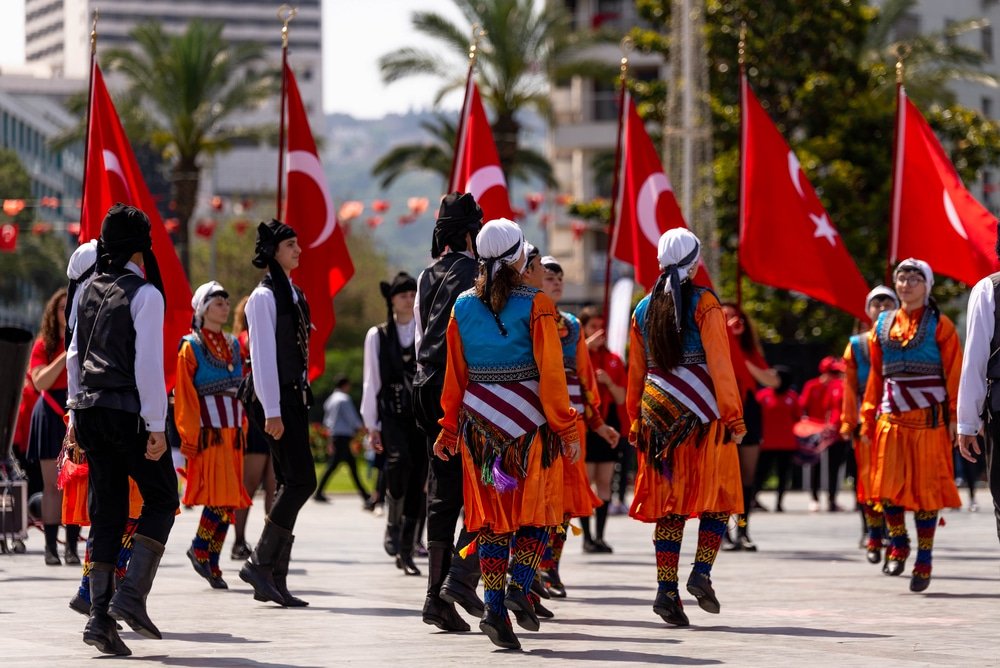
Originating in the Thrace region of Turkey, hora is a fast dance that is usually performed by around five people. In this dance, people wear colorful costumes and sing throughout.
Horon
The horon is a fast dance from the Black Sea region, and it’s a little different from other traditional dances you might see. Participants wear black clothes adorned with silver and dance with their arms linked. A musical instrument called the kemençe is used.
Zeybek
Originating in western Anatolia, zeybek features dancers in colorful costumes performing to a beat that ranges from slow to extremely fast. The dance tells the story of courage.
Kaşık Oyunu
In the Mediterranean coastal region and central Anatolia, you might see this dance being performed. It’s different because participants use wooden spoons as their instrument of choice; however, you will also hear the clarinet.
Atabarı
This dance comes from the Artvin area and was famously performed by Atatürk in 1936. These days, you’ll see this dance at important national events.
Sema
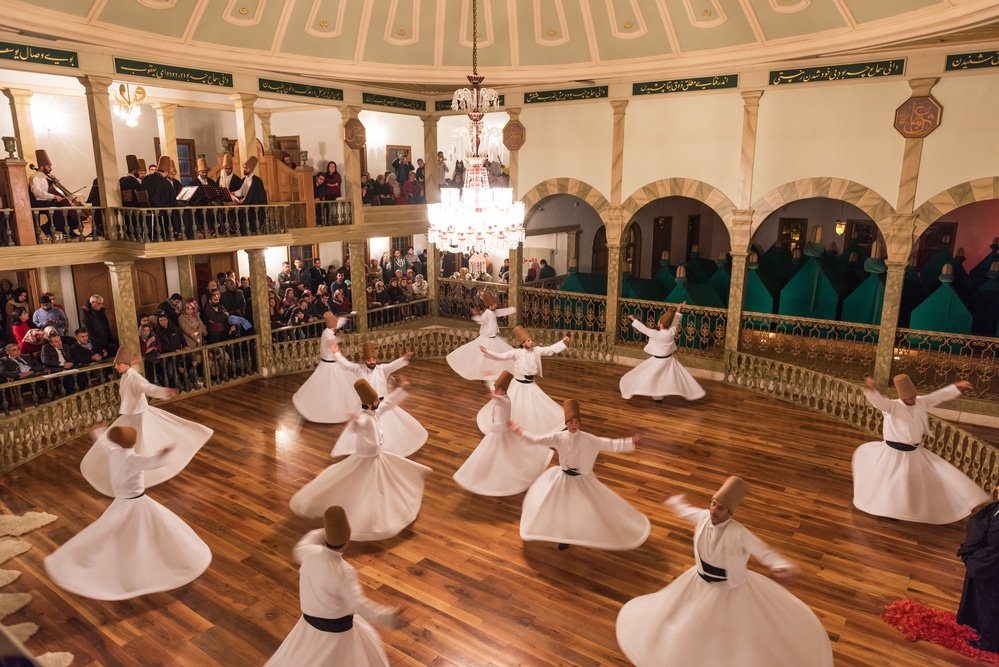
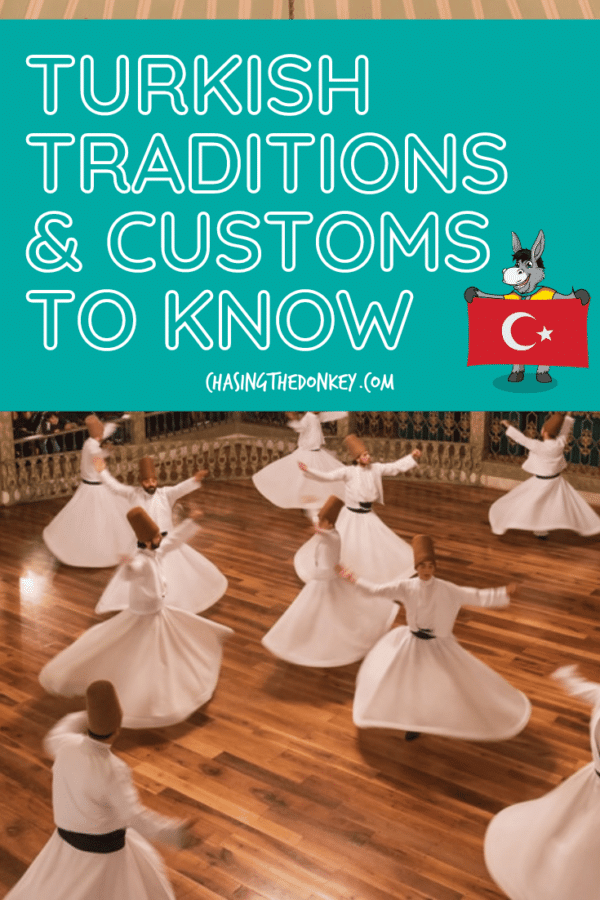
This ritual ceremony performed by the Whirling Dervishes is a spiritual Sufi practice rather than a dance.
Move This Adventure To Your Inbox & Get An Instant Freebie

No spam. Unsubscribe at any time.
16. Asking “Where Are You Going?” (Nereye Gidiyorsun?)
In Turkey, people often ask where you’re going when you leave a shop, café, or home. This isn’t intrusive — it’s a friendly, habitual expression similar to saying “take care” or “see you later.” The expected response is casual and general, such as “home” or “for a walk,” rather than a detailed explanation. Travelers often notice this warmth in everyday interactions, especially in smaller towns.
17. Loud Conversations And Expressive Body Language
Conversations in Turkey can sound loud and animated to visitors, particularly in cafés and family settings. Raised voices usually signal enthusiasm rather than conflict, and expressive hand gestures are a normal part of communication. This openness often surprises travelers at first, but it is simply part of how people connect socially.
Turkish Traditions And Customs FAQs
Are Turkish traditions still practiced today?
Yes. Many Turkish traditions are actively practiced today, especially those related to hospitality, food, family life, and major life events, even in large modern cities.
Is Turkey a traditional or modern country?
Turkey is both. Daily life blends modern urban lifestyles with long-standing cultural customs that remain socially important.
Do tourists need to follow Turkish customs?
Tourists are not expected to know every custom, but understanding basic traditions such as removing shoes in homes or accepting tea can enhance interactions.
Is Turkish coffee fortune-telling real?
It is a cultural tradition rather than a belief taken literally, often done for fun and social bonding after drinking Turkish coffee.
Are hammams still common in Turkey?
Yes. Traditional and modern hammams continue to operate across Turkey, especially in cities and historic towns.
When is Hıdrellez celebrated in Turkey?
Hıdrellez is celebrated on the night of May 5 and into May 6, marking the symbolic beginning of spring.
Do Turkish weddings really last several days?
In some regions and families, wedding celebrations can last multiple days, whereas modern urban weddings are often shorter.
Wrap Up
As we wrap up our journey through the customs and traditions of Turkey, it’s clear that this country, from Istanbul to Gaziantep, has a rich history and culture unlike anywhere else in the world.
From the tulip-shaped glasses of tea to the Turkish flag’s honk, Turkey’s traditions reflect its rich heritage. Whether you’re savoring a traditional Turkish breakfast or witnessing the end of Ramadan in a local Turkish café, you’ll be immersed in the warmth and hospitality of Turkish society.
The great thing about traditions and cultures is that they’re constantly evolving. Some die out, and others replace them, but the most important ones always stick around. What traditions and customs have you noticed while in Turkey? Maybe you’ve got some new ones to add to the list.
So, when you visit, don’t forget to take off your shoes before entering, and be ready to go and come as a friend. Turkey’s customs and culture will welcome you with open arms, offering an experience that’s both unique and enlightening.