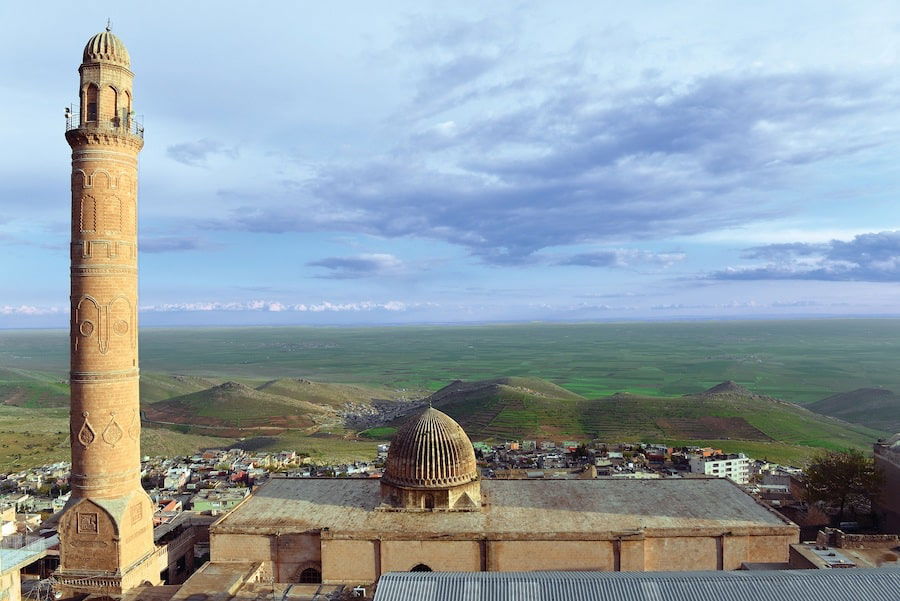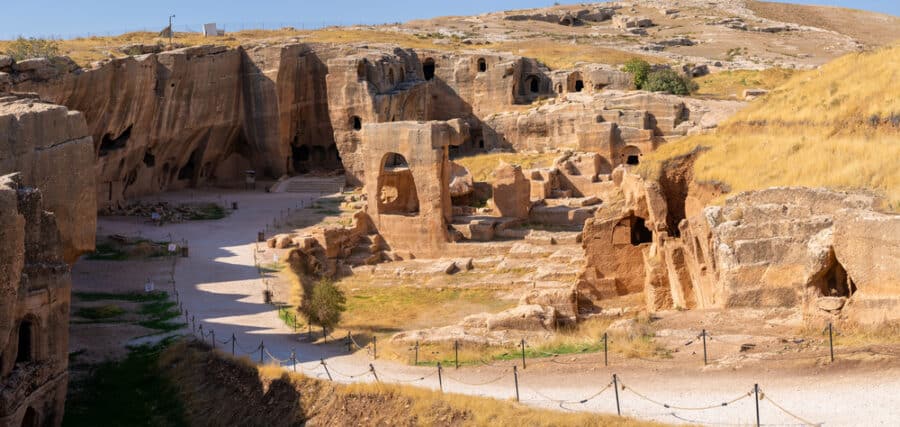

Most travelers flying into Türkiye default to İstanbul and the Aegean/Mediterranean coast, but the southeast is where the country’s history and food culture feel most immediate.
I’ve traveled through Şanlıurfa, Mardin, and Gaziantep on the ground (including with kids), and Diyarbakır is the place that ties the region together: a walled old city on the Tigris, one of Türkiye’s standout UNESCO cultural landscapes, and a base for easy day trips like Zerzevan Castle and today’s reshaped Hasankeyf.
This guide covers what to prioritize in Diyarbakır now, what has changed in recent years, and the practical details that matter when planning a trip in the near future.
Skip Ahead To My Advice Here!
Where Is Diyarbakır Located
Diyarbakir is a historically rich city in southeastern Turkey. It is the capital of the Diyarbakir Province and is situated on the banks of the Tigris River.
The city is approximately 300 kilometers (185 miles) from the Iraqi border (via the Habur/Ibrahim Khalil crossing area) and about 315 kilometers (195 miles) east of Gaziantep by road.
Key Diyarbakır trip-planning facts at a glance:
| Topic | Key Facts |
|---|---|
| UNESCO listing | Diyarbakır Fortress and Hevsel Gardens Cultural Landscape |
| City walls length | About 5.8 km |
| Airport code | DIY |
| Airport to city | About 15 minutes by municipal bus or taxi (routes vary) |
| Day trip: Zerzevan Castle | About 46–47 km by road |
| Day trip: Hasankeyf | Roughly 1.5 hours by car; much of the old town is inundated |
| Best seasons | April–June and September–November |
Airport bus services are timed to flights; the most commonly cited public route is Z2, but route numbers and stops can change, so confirm locally on the day.
Diyarbakır First Visit Itineraries
1-Day Diyarbakır Itinerary
| Time of Day | Activities | Why It Works |
|---|---|---|
| Morning | Explore Sur: Ulu Cami → walk sections of city walls → Mardin Gate & Urfa Gate | Hit major UNESCO heritage highlights while crowds are lowest |
| Late Morning | Surp Giragos Armenian Church + Dengbej Evi | Add cultural depth beyond just architecture |
| Lunch | Lunch in old city bazaar area (kebab + sumac salad) | Local flavors are packed into a central walkable area |
| Early Afternoon | Sülüklü Han for tea/coffee → explore bazaars | Relax and experience traditional han culture |
| Late Afternoon | Hevsel Gardens viewpoints + sunset at On Gözlü Bridge | Great photography and golden hour views |
| Evening | Dinner in Sur or riverside cafes | Wrap up with regional dishes |
2-Day Diyarbakır Itinerary
| Day | Morning | Afternoon | Evening |
|---|---|---|---|
| Day 1 | Ulu Cami → City Walls → Surp Giragos → Dengbej Evi | Hevsel Gardens + On Gözlü Bridge sunset | Dinner + tea at Sülüklü Han |
| Day 2 | Diyarbakır Archaeological Museum → Cemil Paşa Konağı | Choose one day trip: Zerzevan Castle *or* Hasankeyf | Dinner + explore Sur bazaars |
Best Things To Do In Diyarbakır For First-Time Visitors
Diyarbakir, one of Turkey’s oldest cities, is often described as the “city of black stones” due to its distinctive basalt architecture. This ancient city offers a range of fascinating experiences. Whether you’re a history buff, a nature lover, or an adventurer seeking local flavors, Diyarbakir has something for everyone.
Walk The Diyarbakır City Walls And Gates
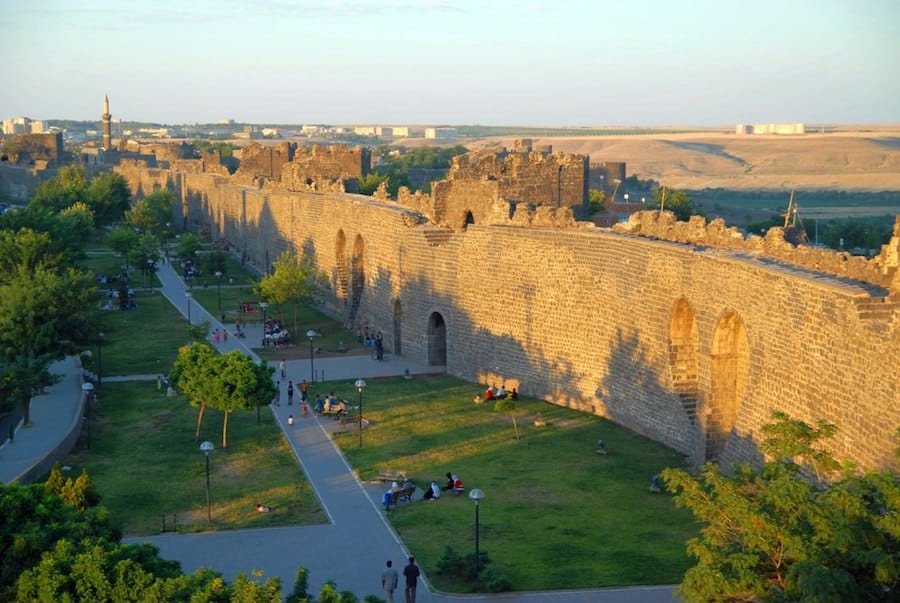
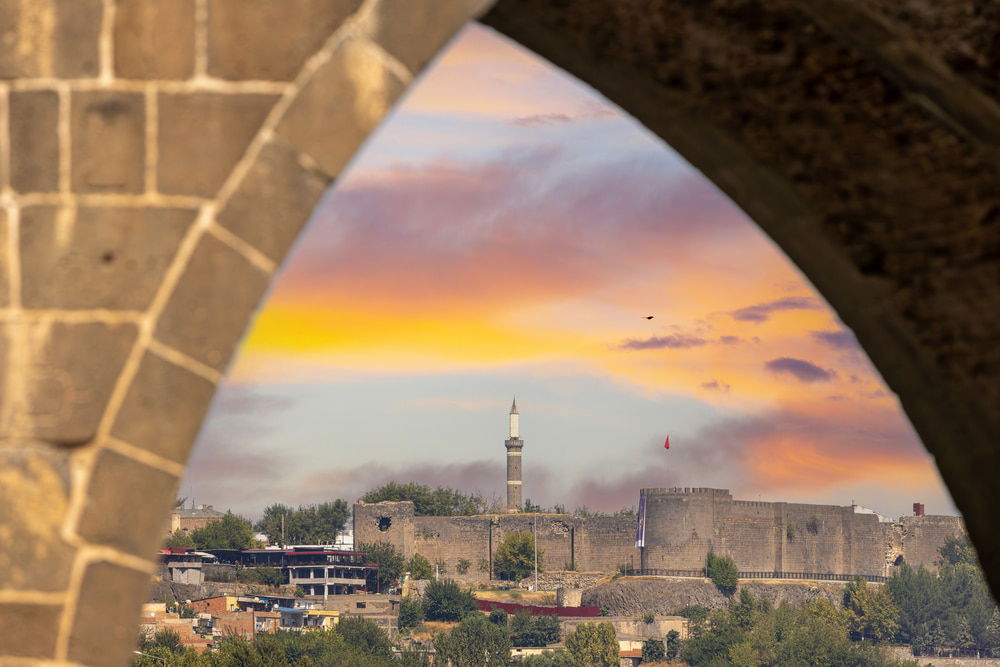
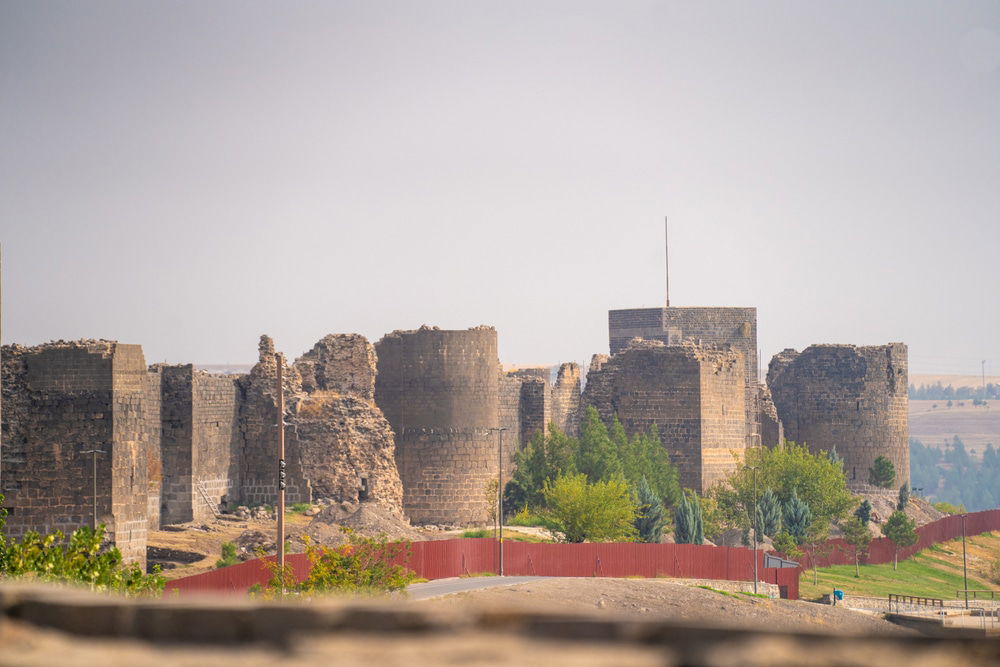
One of Diyarbakır’s most iconic features is its massive city walls, which stretch about 5.8 kilometers. These walls are among the longest surviving fortified city walls in the region. This UNESCO World Heritage site is lined with towers and monumental gates that trace the city’s long defensive history.
A walk along the walls offers stunning views of the surrounding landscape and the Tigris River. You can also explore notable gates such as the Mardin Gate and the Urfa Gate, each with its unique historical significance.
Visit Diyarbakır Ulu Cami (Grand Mosque)
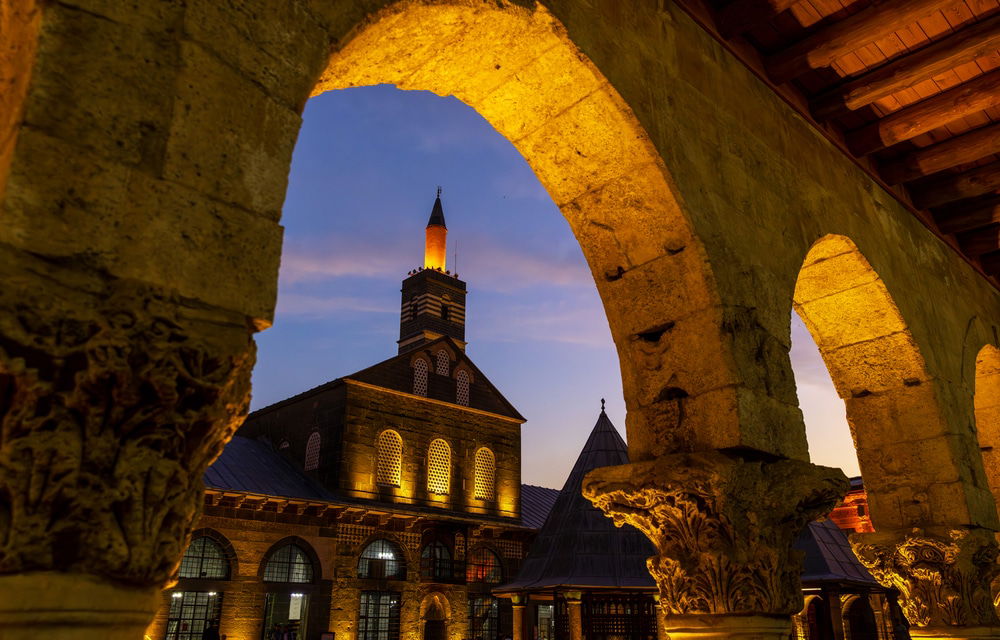
The Ulu Mosque (Diyarbakır Grand Mosque) dates largely to the late 11th century and features Seljuk-era Islamic architecture with extensive reused stonework (spolia) from earlier Roman/Byzantine-era structures. The tranquil courtyard and prayer hall are also worth admiring.
The Ulu Mosque’s historic significance makes it a must-visit for anyone interested in Diyarbakir’s religious heritage. However, please remember mosque etiquette at all times.
The mosque’s earliest origins and what stood here before it are discussed differently across sources, and parts of the complex incorporate earlier material reused in later construction.
Surp Giragos Armenian Church (Surp Giragos Kilisesi)
Surp Giragos is one of the most significant Christian heritage sites in Diyarbakır and the largest Armenian church in the region. After being confiscated in 2016, it reopened to the public on May 7, 2022 following restoration.
Dengbej Evi (House Of Dengbêj)
Dengbej Evi is dedicated to the Kurdish tradition of storytelling through song. When performances take place, they are among the most distinctive cultural experiences in Diyarbakır and offer insight into oral history, which still plays an important role in local identity.
Cahit Sıtkı Tarancı Museum House
This museum is dedicated to the life and works of one of Turkey’s most beloved poets, Cahit Sıtkı Tarancı. Housed in a beautifully restored traditional stone mansion, the museum provides insight into the poet’s life and showcases his personal belongings, manuscripts, and photographs.
The charming garden surrounding the house is a lovely place to relax and reflect on Turkey’s poetic heritage.
Dört Ayaklı Minare (Four-Legged Minaret)
This distinctive minaret is one of Diyarbakır’s best-known landmarks in Sur. It’s a quick stop that pairs well with a walk through the surrounding old-city streets.
Diyarbakır Archaeological Museum Highlights
The Diyarbakir Archaeological Museum presents an extensive collection of artifacts from the region’s long history, dating back to the Paleolithic period. With exhibitions ranging from prehistoric tools to Roman sculptures, the museum offers an enlightening experience for history enthusiasts.
Displays vary, but you’ll typically see finds from across the region’s long timeline, such as prehistoric tools, inscriptions, and coins.
İçkale (Inner Citadel) And Museum Stops
The İçkale area is part of the wider UNESCO cultural landscape and is worth including if you want a convenient cluster of sights in one area. What’s open can change with restoration work, so check locally on the day.
Sülüklü Han (Coffee And Courtyard Break)
Sülüklü Han is a classic stop for a tea or coffee break in a historic courtyard setting, especially if you want a slower-paced, “local day” moment between big sights.
Hevsel Gardens Viewpoints And Access
A UNESCO World Heritage site, the Hevsel Gardens are an agricultural treasure that lies adjacent to Diyarbakir’s historic walls. These fertile gardens have been cultivated for centuries and play a vital role in the local ecosystem.
You can stroll through the gardens, enjoy the lush greenery, and taste local produce or snacks from nearby vendors. The view of the city walls from the gardens is also impressive, especially at sunset.
Much of Hevsel is agricultural land, so access is limited to designated viewpoints and paths rather than unrestricted garden wandering across the entire site.
Sur District: What To See In The Old City
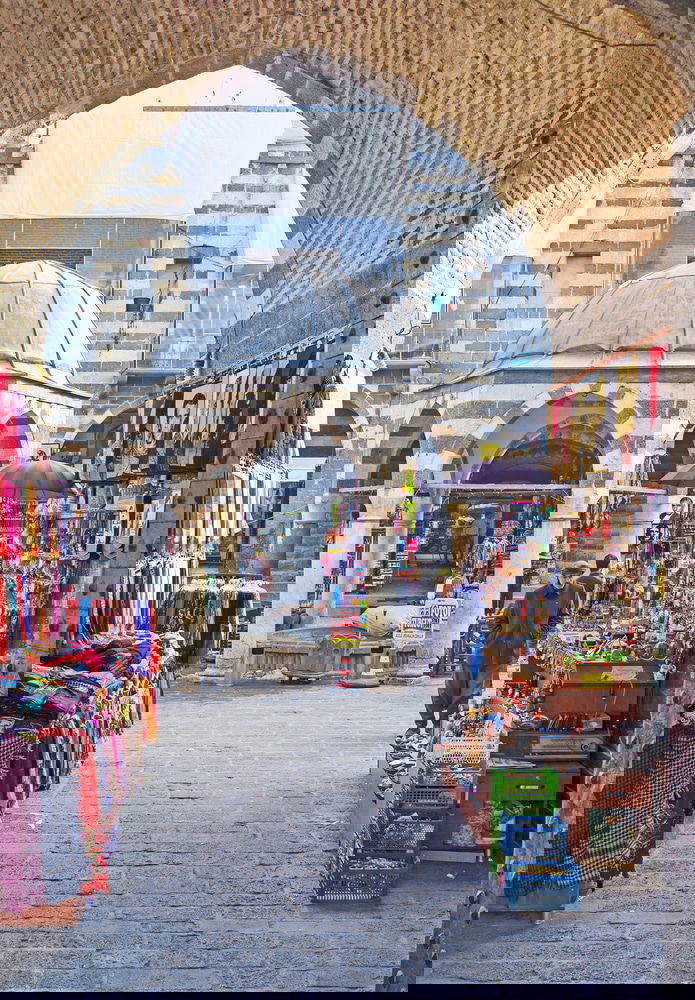
The Sur District is where you’ll find the soul of Diyarbakir, full of narrow streets, historic mosques, and vibrant bazaars. A visit to Sur is an assault on the senses in the best way possible, with the aroma of spices filling the air and traditional artisans showcasing their crafts.
Be sure to explore the various bazaars, where you can pick up handmade carpets, kilims, and other unique souvenirs to take home. The local cafés and eateries in the district also serve up mouthwatering cuisine, perfect for refueling after a day of exploration.
Where To See Street Art In Diyarbakır
You’ll spot street art in parts of the city, including areas around Sur, though what’s visible and accessible can change over time.
Take a stroll through the streets, especially around the Sur district, to enjoy this impressive street art, which often portrays the local culture, social issues, and local legends.
Historic Churches Near Diyarbakır
Diyarbakır is also a city of religious diversity, with sites such as the Saint George Church. At the same time, Mor Gabriel Monastery is a major Syriac Orthodox site further west in the Tur Abdin region near Midyat. Both sites showcase breathtaking architecture and offer insight into the region’s Christian heritage.
A visit to these sacred places is an enriching experience that highlights the coalescence of faiths in this historical city.
Visit The Ancient Site Of Hasankeyf Near Diyarbakır
About a 1.5-hour drive from Diyarbakır, Hasankeyf sits on the banks of the Tigris River and is known for its long human history. Since the Ilısu Dam reservoir flooded much of the old town, the sites you visit today include relocated monuments, viewpoints, and remaining ruins outside the inundated areas.
Hasankeyf is the clearest example of “what’s changed” in the region: the old town experience is no longer the same as pre-reservoir visits, so plan your time around viewpoints, relocated heritage structures, and what remains outside the inundated areas.
The town is also a perfect spot for leisurely walks along the river, where you can experience the area’s natural beauty.
While visiting, consider taking a guided tour to fully appreciate the rich history of this ancient site.
Hasan Paşa Hanı: Cafés And Courtyard Atmosphere
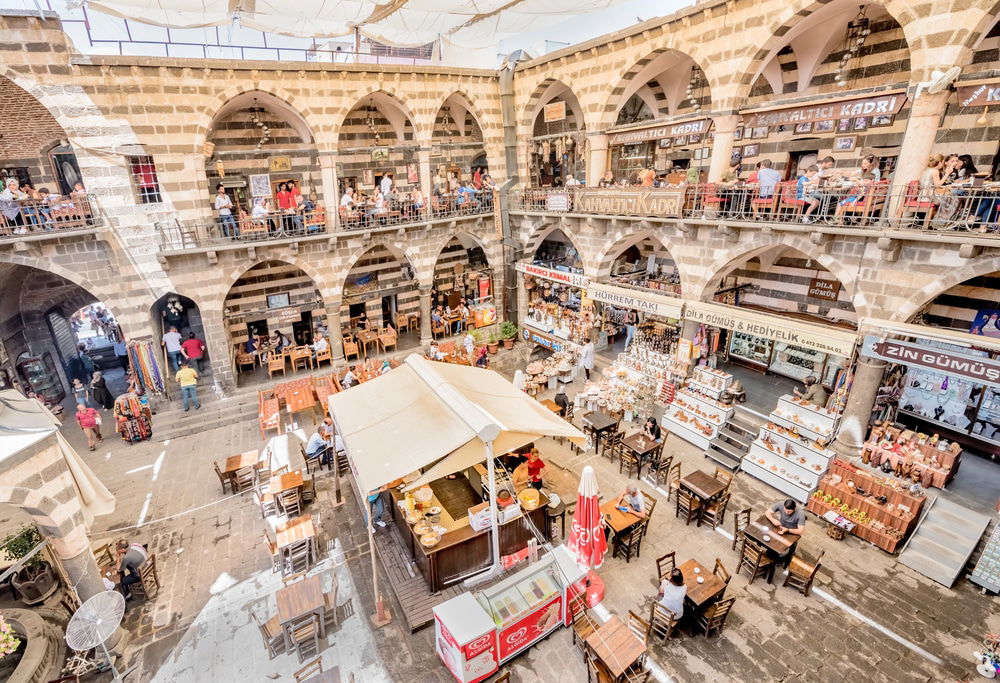
Hasan Paşa Hanı is one of Diyarbakır’s most charming historical sites, located in the Sur District near the Ulu Mosque. Built between 1572 and 1575 at the orders of Vezirzâde Hasan Paşa, this well-preserved caravanserai served as a hub for traders and travelers during the Ottoman era. The two-story structure, centered around a large courtyard, is a fine example of traditional Ottoman architecture.
Today, the han has been revitalized with vibrant cafés, teahouses, and shops where you can enjoy a cup of Turkish tea, browse local crafts, or soak in the historical ambiance. A visit to Hasan Paşa Hanı offers a unique glimpse into Diyarbakır’s rich commercial history and its enduring cultural traditions.
Local Festivals And Event Calendars
Diyarbakır hosts cultural events and festivals throughout the year, with programming and dates changing season by season. If your visit coincides with one of these events, please participate.
Diyarbakır’s large-scale programming often appears under broader festival brands (for example, Culture Road/Culture Route–style city festivals), with dates and venues changing year to year.
The “Newroz Festival,” celebrating the Kurdish New Year in March, is another lively event filled with traditional music, dance, and food. Festivals provide an excellent window into local traditions and community life.
On Gözlü Bridge (Ten-Arched Bridge)
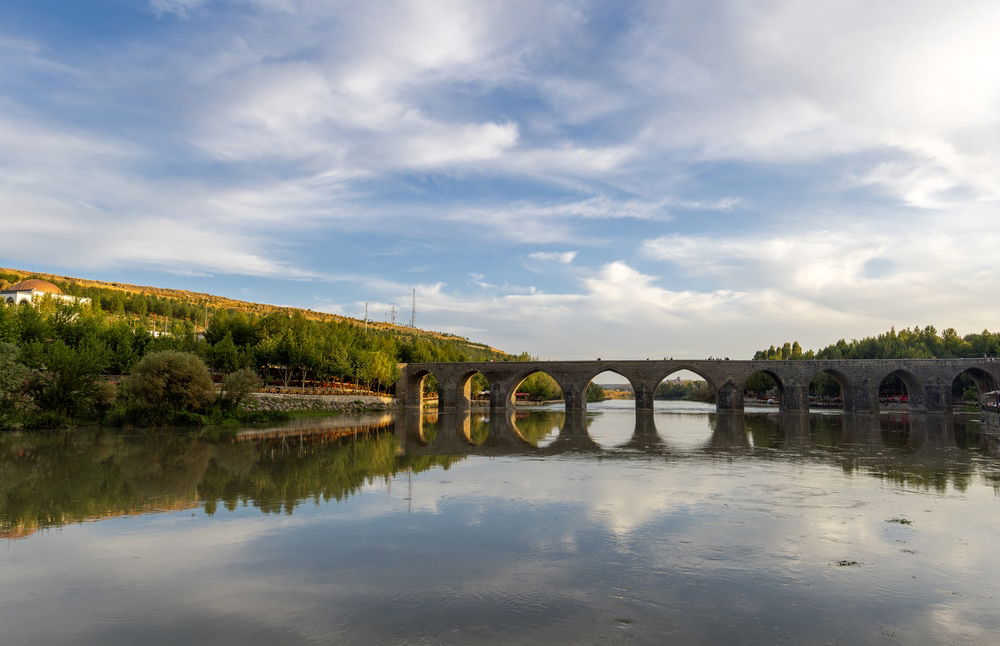
The Ten-Eyed Bridge, also known as Ongozlu Bridge, is one of Diyarbakir’s most recognizable landmarks. Built in 1065, this stone bridge spans the Tigris River and is named for its ten arches, a striking feature. The bridge is not only a historic landmark but also a popular spot for locals and visitors to enjoy river views.
Strolling across the bridge offers a sense of stepping back in time, with the ancient stonework underfoot and the flowing Tigris below. On either side of the bridge, you’ll find a cluster of cafes and tea houses, making it a perfect spot to relax with a cup of Turkish tea while soaking in the scenery.
Whether you’re into photography or want a quiet place to unwind, Ongozlu Bridge offers a unique slice of Diyarbakir’s rich history and culture.
Zerzevan Castle Day Trip From Diyarbakır
For those interested in history, a visit to Zerzevan Castle is a must. Located about 45 kilometers from Diyarbakır, this ancient Roman frontier fortress was a crucial military outpost on the eastern edge of Roman control.
Perched on a hilltop, the castle offers panoramic views of the surrounding plains, making the trip there as visually rewarding as it is historically fascinating.
Zerzevan Castle dates back to the 4th century and includes remnants of a temple dedicated to Mithras, an ancient god worshipped by Roman soldiers. Exploring the ruins gives a glimpse into the strategic importance of this site during the Roman era. The castle is well-preserved, and walking through its remains, you can imagine the lives of the soldiers who once guarded the empire’s edge. If you’re interested in ancient history or looking for a day trip from Diyarbakir, Zerzevan Castle is well worth a visit.
Virgin Mary Church (St. Mary’s Syriac Orthodox Church)
Diyarbakir is a city known for its rich religious diversity, and the Virgin Mary Church is a testament to this heritage. This Syriac Orthodox Church, with its current structure dating back to the 3rd century, continues to serve as a place of worship. Located in the historic district, the church is a significant site for the local Christian community and an important part of the city’s history.
Visiting the Virgin Mary Church offers a quiet and reflective experience, away from the busier tourist spots.
The church’s architecture, with its ancient stone walls and peaceful courtyard, tells the story of a community that has survived through centuries of change. For those interested in religious history or looking to understand the diverse cultural fabric of Diyarbakir, the Virgin Mary Church is a must-see.
Tigris River Views And Walks
The Tigris River, which flows through Diyarbakır, adds to the city’s natural beauty. Enjoy a peaceful stroll along the riverbank; boat tour availability may be seasonal and subject to change.
Riverside viewpoints and cafés are popular for tea and views, though what’s open and busiest varies by season and time of day. Fishing enthusiasts can also find spots along the Tigris, with local fishermen often eager to share tales of their catches.
Outdoor Day Trips Near Diyarbakır
Nature lovers will appreciate the stunning landscapes surrounding Diyarbakir. The region offers a range of outdoor activities, including hiking, cycling, and exploring natural parks. Consider a day trip to nearby mountains, where you can hike lush trails and take in panoramic views of the landscape.
Exploring these areas also offers opportunities for birdwatching and to experience the diverse flora and fauna.
Brands We Use And Trust
What To Eat In Diyarbakır
One of the best things about the southeastern region as a whole is the food. When visiting, there are several traditional dishes you won’t want to miss!
What To Order In Diyarbakır (Fast Menu Translation)
Look for grilled meats labeled as kebap varieties, bulgur-based dishes (especially içli köfte styles), and tangy, herb-heavy sides served with sumac and lemon. If a restaurant offers a mixed grill or house special, it’s often the easiest way to sample multiple local flavors in one meal.
Dolma (Stuffed Vegetables Or Leaves)
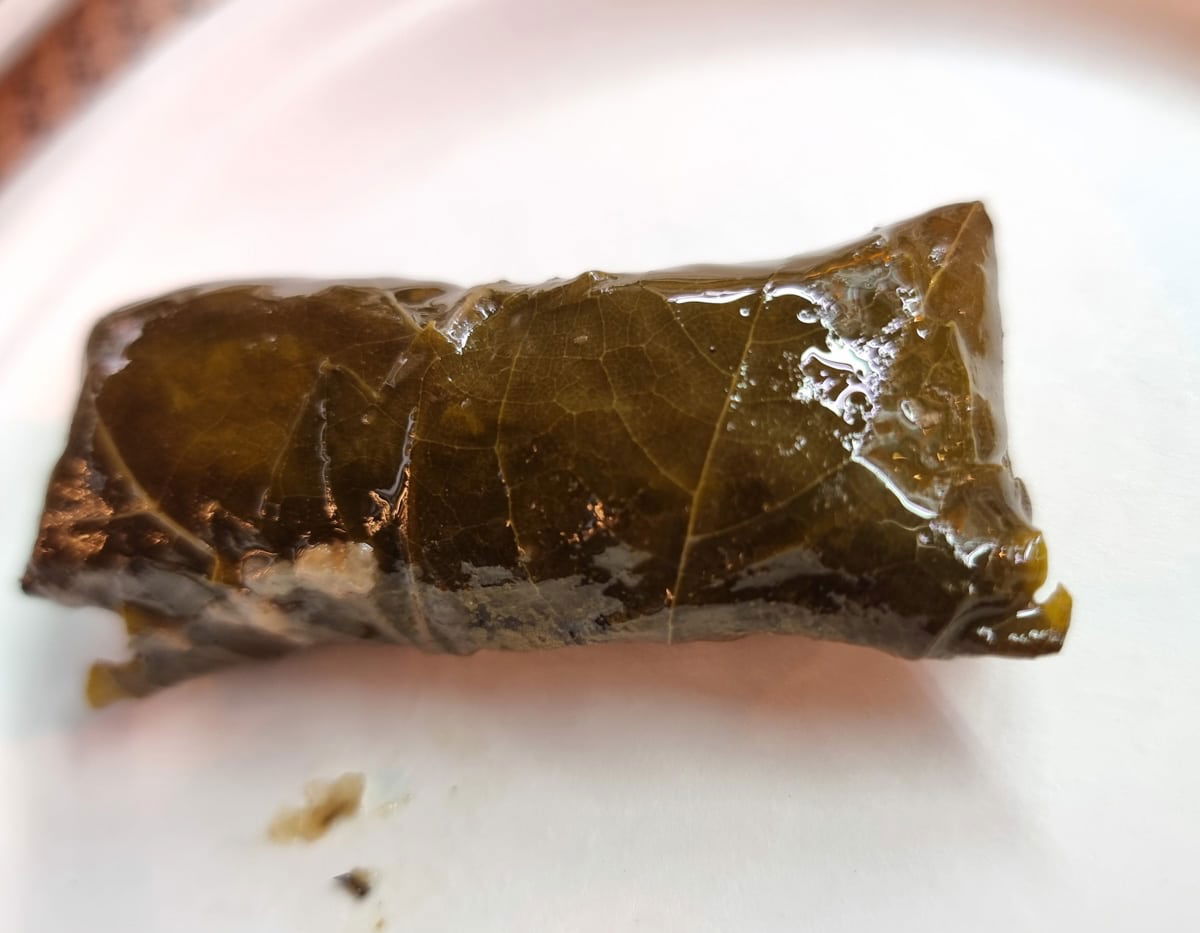
In Diyarbakir, dolmas filled with spiced rice, meat, and sometimes vegetables are a standout. These stuffed grape leaves are a staple at family gatherings and offer a taste of the region’s rich agricultural produce.
Çiğ Köfte

This is a unique delicacy made from raw bulgur, finely chopped vegetables, and a blend of spices. Traditionally, it was made with raw meat, but now vegetarian versions are popular. Rolled in lettuce leaves and enjoyed fresh, this dish is refreshing and spicy.
Meftune
A hearty stew featuring lamb or beef cooked with a variety of vegetables, meftune is a comfort food that showcases the region’s local flavors. Often enhanced with spices like cinnamon and allspice, this dish is hearty and wholesome.
İçli Köfte (Stuffed Bulgur Dumplings)

A beloved regional dish made from bulgur filled with a savory mixture (often ground meat, onion, and spices). In Diyarbakır, you’ll most often see it fried or boiled and served as a filling main or hearty snack.
Diyarbakir Kebab
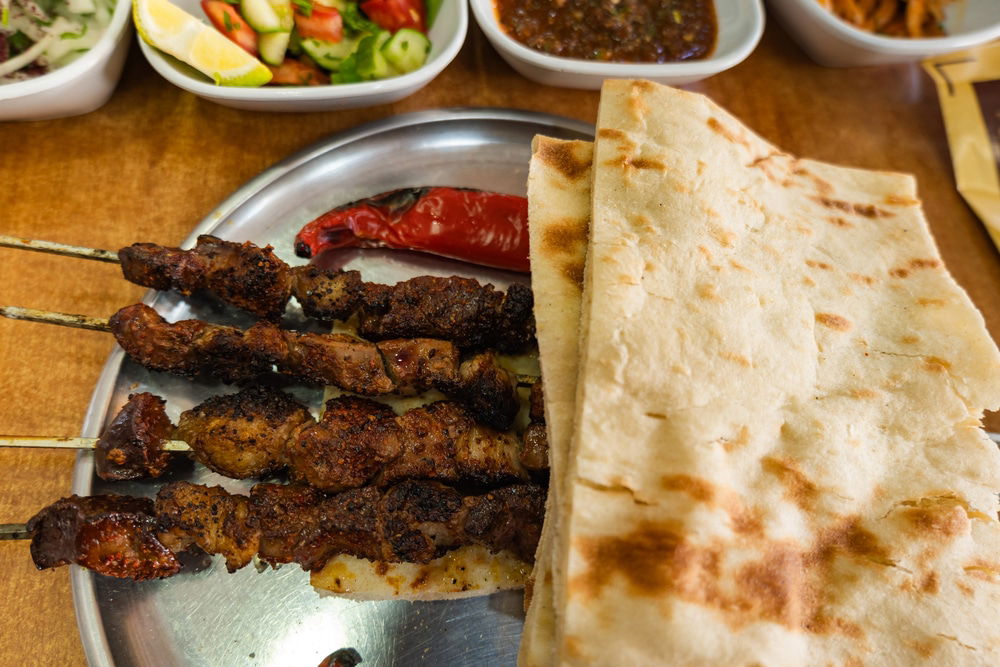
This is perhaps the most iconic dish of the area. Made from marinated chunks of lamb or beef, skewered and grilled to perfection, Diyarbakir kebab is known for its juicy texture and smoky flavor. Often served with rice, fresh vegetables, and a tangy yogurt sauce, it’s a must-try for meat lovers.
Lahmacun
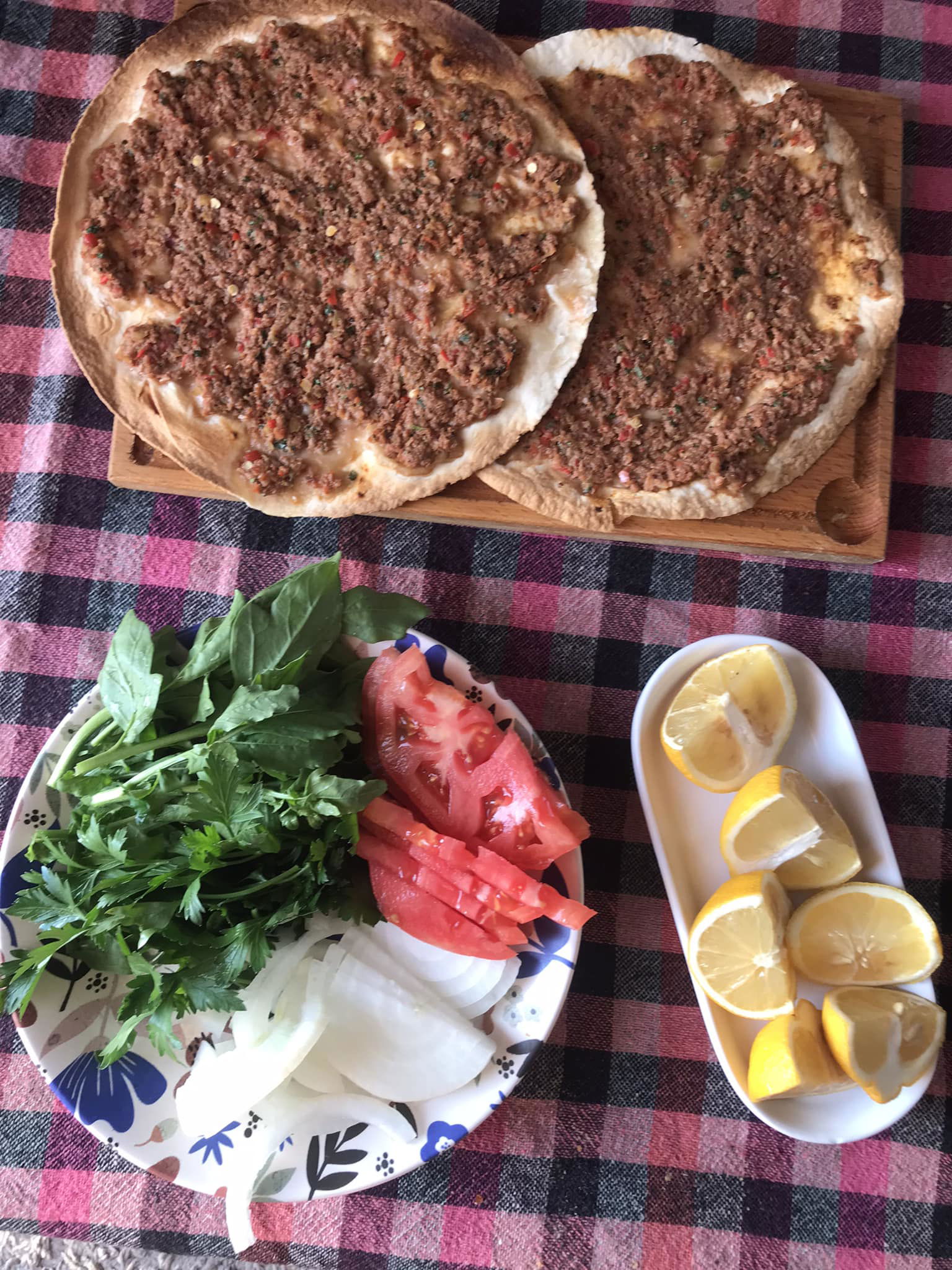
While lahmacun is common throughout Turkey, the version from Diyarbakir has its own unique twist. This thin, crispy flatbread is topped with a spiced mix of minced meat, vegetables, and herbs and is often served with fresh parsley and a squeeze of lemon. It’s the perfect dish for a quick bite!
Kadayif
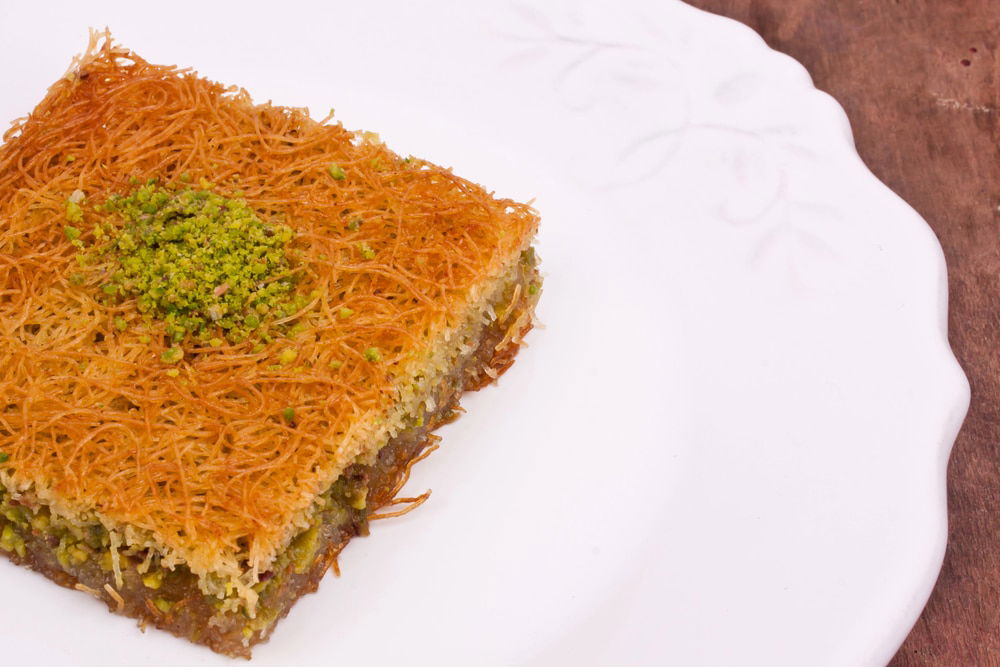
Don’t miss out on dessert! Kadayif is a traditional sweet made from shredded pastry soaked in syrup and often layered with nuts. The crunchy layers combined with the sweet syrup create a delightful indulgence that’s perfect for dessert.
How To Get To Diyarbakır From Istanbul, Mardin, And Şanlıurfa
Here’s how to reach this fascinating city, with specific options from the major cities of Mardin, Istanbul and Sanliurfa:
By Air
The quickest way to get to Diyarbakir is by flying. Diyarbakir Airport (DIY) is well connected to several major cities in Turkey, including Istanbul, Ankara, and Izmir.
Once you arrive at the airport, you can take a taxi or the municipal airport bus, which runs on flight times. Public buses, such as Z2, provide airport-to-center service; confirm the current route number and stops on the day. The ride typically takes you around 15 minutes, and the distance is roughly 7–10 kilometres, depending on where you’re staying.
From Istanbul To Diyarbakır By Plane
The quickest and most convenient way to travel from Istanbul to Diyarbakir is by plane. Turkish Airlines and Pegasus operate frequent flights between Istanbul’s airports (Istanbul Airport or Sabiha Gökçen Airport) and Diyarbakır Airport, and AJet (the former AnadoluJet brand) also serves many domestic routes.
The flight takes about 1.5 to 2 hours. Once you land, Diyarbakir city center is approximately 10 kilometers away and can be reached by taxi or shuttle bus.
By Bus
For a more economical option, long-distance buses operate daily from various cities around Turkey. The intercity bus terminal (Otogar) is outside the historic center, so you’ll typically continue by taxi or local bus to your hotel. Companies such as Kamil Koç and Metro Turizm operate on long-distance routes, with service levels and schedules varying by season.
From Mardin To Diyarbakir By Bus
Several bus companies operate daily routes between Mardin and Diyarbakir. The journey takes about 2 to 2.5 hours. Buses are comfortable and affordable, with tickets available at the Mardin bus station (Otogar). It’s advisable to book tickets in advance, especially during peak travel seasons.
From Istanbul To Diyarbakir By Bus
Long-distance buses operate between Istanbul and Diyarbakir. The journey is lengthy, taking around 18 to 20 hours. Despite the long duration, buses are comfortable, with reclining seats, onboard entertainment, and rest stops along the way. Companies like Metro Turizm and Kamil Koç offer reliable services.
From Urfa (Şanlıurfa) To Diyarbakir By Bus
Buses frequently run between Şanlıurfa and Diyarbakır, and the journey typically takes 2-2.5 hours. You can catch a bus from the Şanlıurfa bus station, where several reputable companies offer services. The buses are generally modern and equipped with amenities.
By Car
If you prefer driving, renting a car is a great option. Turkey’s road network is generally good, and you can enjoy the picturesque landscapes. Be sure to familiarize yourself with local driving regulations and road signs.
From Mardin To Diyarbakir By Car
The most convenient way to travel from Mardin to Diyarbakir is by car. The distance is approximately 90 kilometers (56 miles), and the journey takes around 1.5 hours. The drive is straightforward, following the D955 and D360 highways. Renting a car is a good option if you prefer flexibility in your travel plans.
From Istanbul To Diyarbakir By Car
Driving from Istanbul to Diyarbakır is another option. It covers approximately 1,480 kilometers (about 920 miles) and typically takes 15 hours of driving time, excluding stops. The route primarily follows the O-4 and D200 highways. If you enjoy road trips and want to explore different parts of Turkey along the way, this could be a rewarding option. However, be prepared for a long drive and plan for overnight stops.
From Urfa (Şanlıurfa) To Diyarbakir By Car
The distance from Şanlıurfa to Diyarbakır is approximately 181 kilometers (112 miles), and the drive takes about 2 to 2.5 hours. The route follows the D885 highway, offering a scenic drive through the southeastern Turkish countryside.
By Train
While there is limited direct train service to Diyarbakir, you can take a train to nearby cities such as Elazığ or Malatya and then continue your journey by bus or taxi. Although it is more time-consuming, this route can be a scenic way to experience the region.
Getting Around Diyarbakır
Once in Diyarbakir, local transportation options include city buses, dolmuş (shared taxis), and taxis, all of which are convenient for getting around the city and exploring its historic sites. If you’re staying in or near Sur, many of the main sights are walkable, but taxis are useful for hopping between the old city, the river viewpoints, and the intercity bus terminal.
Know Before You Go
Most major sights are concentrated in and around Sur, making it possible to see a lot in a short time. Plan sightseeing in short blocks, especially in warmer months, and build in tea or café stops between attractions. Many museums and cultural sites keep limited hours, so it’s worth checking opening timeson the same day.
Best Time To Visit Diyarbakır For Weather And Sightseeing
The ideal time to explore this cultural city generally falls between spring (April to June) and autumn (September to November).
Spring (April to June)
This season is particularly appealing because the weather is pleasantly warm, typically between 15°C and 30°C (59°F and 86°F). The blooming flowers and lush greenery create a picturesque backdrop, making it perfect for sightseeing. You can wander through the ancient city walls, explore the stunning Ulu Mosque, and enjoy the lively markets without the sweltering summer heat.
Autumn (September to November)
Another excellent time to visit, autumn offers similar temperate weather, making it comfortable for outdoor activities. The cultural activities often ramp up during this period, with local festivals and events celebrating traditional music, crafts, and cuisine. This is also a great time to savor the seasonal dishes for which Diyarbakir is famous.
Summer (July to August)
While summer can be quite hot, with temperatures often exceeding 35°C (95°F), it can still be an excellent time to experience the city if you enjoy a vibrant atmosphere. Many locals take to the parks and public spaces during the cooler evenings, and you’ll have the chance to see Diyarbakir in its lively, youthful light. Please stay hydrated and plan outdoor activities for the cooler parts of the day.
Winter (December to March)
If you don’t mind colder temperatures, winter can also be a delightful time to visit. This is the off-peak season when you’ll encounter fewer tourists, allowing for a more intimate exploration of the city. The vibe is cozy, and you can warm up with traditional coffee or tea while enjoying the local culture. However, it does get quite cold at this time, and there is a chance of snow.