
Ah, Croatia! It is known for its stunning coastline, historic towns, and rich culture. But knowing a few things is essential if you’re gearing up to enjoy a refreshing beverage by the Adriatic Sea.
I know much about Croatia; I have lived here since 2012 and have been married to a Croatian for over 25 years!
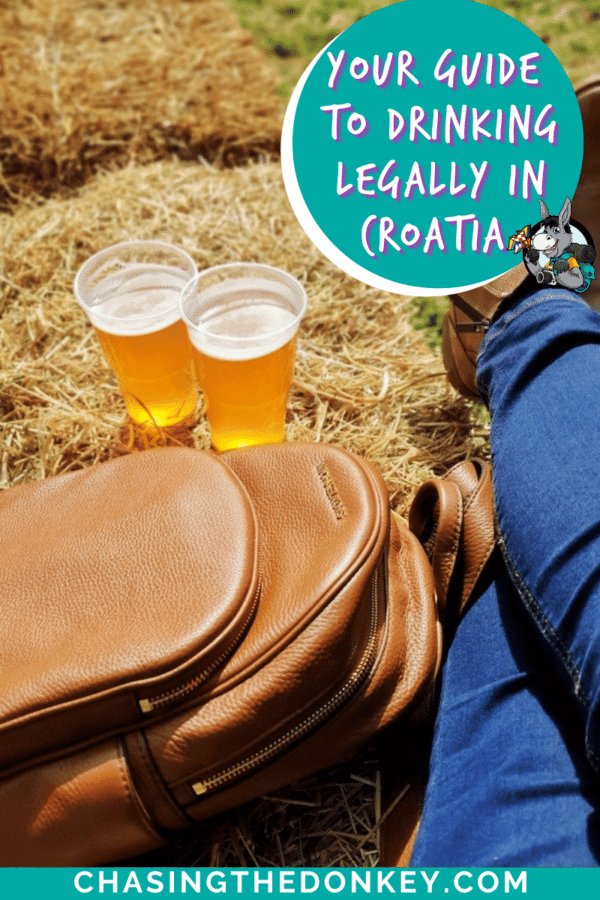
In my guide, I will detail the Croatian drinking culture, the minimum legal drinking age (18), and Croatian laws about booze – oh, and a few my suggestions on what to drink in Croatia.
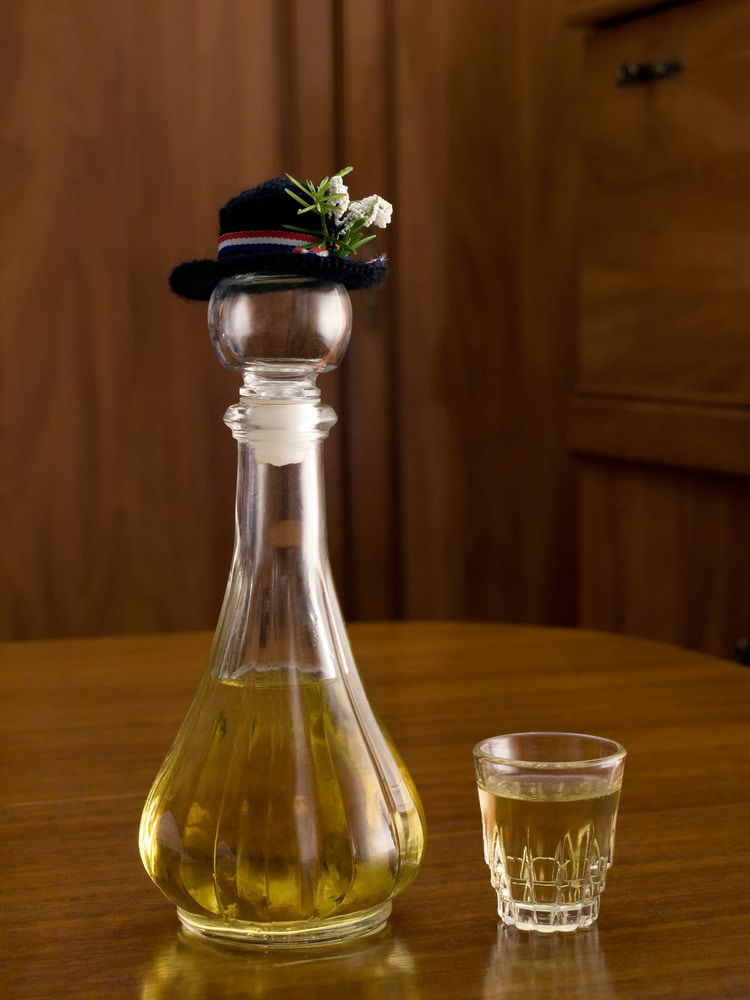
First, the legal age to buy alcohol in Croatia is 18, and when you’re considering what local Croatian drink to try – it has to be rakija, Croatia’s traditional national spirit. It’s more than just a drink; it’s an experience you wouldn’t want to miss.
Before immersing yourself in Croatia’s rich drinking culture, it’s essential to be aware of the country’s drinking age and regulations.
Join me as I guide you through the ins and outs of enjoying drinks responsibly in Croatia.
Skip Ahead To My Advice Here!
The Minimum Legal Drinking Age In Croatia
Croatia’s legal drinking age is 18 for purchasing and being served alcohol in bars, clubs, and shops.
In Croatia, like in many European countries, the legal drinking age is 18. Whether you’re indulging in local craft beers, exquisite wines, or the cherished national spirit, Rakija, Croatia offers a variety of libations. Just remember to verify you’ve reached the legal age before raising your glass for a toast.
Rakija is a hard liquor and is often around 40% ABV (but can be stronger, especially homemade).
Drinking In Public In Croatia
While the allure of sipping light lagers or cocktails on a hot Croatian day is tempting, it’s important to note that public consumption of alcohol isn’t always tolerated.
So can you drink on the streets in Croatia?
Public drinking is regulated at the city level, and some popular tourist destinations enforce local bans. In practice, the strictest “no drinking in public” rules are usually limited to specific central/historic zones (and signage will often mark the boundaries), with fines issued on the spot.
So the answer is yes — and no.
Let me break it down for you.
Public drinking is regulated at the city level, and some popular tourist destinations enforce local bans. In practice, the strictest “no drinking in public” rules are usually limited to specific central or historic zones (and signage will often mark the boundaries), with fines issued on the spot.
So the answer is yes — and no.
Let me break it down for you.
While public drinking laws in Croatia vary by city, enforcement can be hit-or-miss.
You won’t see many people strolling around with open containers. That said, if you’re discreet about having a casual drink on the beach or chilling on a park bench, chances are it’ll go mostly unnoticed.
The key is avoiding causing a scene or disturbing others — you should be good to go. Please do not be that drunk tosser being all rowdy in the public square we locals see on the news every summer.
Some cities, like Split, have tightened their local laws due to issues with rowdy tourist behaviour (yes, that same drunk tosser).
They’ve introduced stricter local regulations that ban public drinking in certain areas.
Ignoring the rules could land you an on-the-spot fine of up to €700 in Hvar Town or €300 in Split, depending on the zone.
Not all towns enforce specific “open container” bans, and outside tightly regulated historic-centre areas, you may see this go completely unnoticed.
Brands We Use And Trust
Strict Enforcement And Penalties
Despite the relaxed vibes of Croatia’s beaches and historical sites, the country takes its drinking laws seriously, and excessive drinking is not accepted here.
Serving or selling alcohol to under-18s can lead to fines and other sanctions for venues, and public-order offences linked to drunken behaviour can also be fined.
People who are younger than 18 years old are not allowed to buy alcohol in Croatia, and bars/clubs aren’t allowed to serve them.
Croatian law prohibits selling or serving alcohol to anyone under 18.
Plus, establishments have the right to decline selling or serving alcoholic drinks to customers who cannot provide a valid identification card, passport, or driver’s license issued by the government. So if you look young – take your I.D. out with you.
Drink Driving In Croatia
Police regularly conduct roadside breath testing, especially during summer and holiday periods.
As you traverse Croatia’s scenic routes, remember that enjoying the charm of Croatian wines does not excuse drinking and driving. Our country imposes strict blood alcohol limits, and surpassing them can result in hefty fines or even imprisonment. You can be subject to a breath test at any time and must comply.
Prioritize your safety and that of others by opting for a taxi or ride-sharing (where available) after a night (or boozy beach day) of indulgence.
For most drivers, the blood alcohol limit is 0.05% (0.5 g/L), but for novice (under 24) and professional drivers it’s 0.0.
What is the legal drinking age in Croatia?
The legal drinking age in Croatia is 18. As it is with the majority of countries in the European Union.
Will they ask me for my I.D. in Croatia?
Yes. And no. It’s not uncommon for stores or local bar and clubs to forget to ask to see proof of age. That said, you should carry it with you.
Can my parents or legal guardian let me drink in Croatia?
In Croatia, bars, clubs, and shops can’t sell or serve alcohol to anyone under 18. Plus, who is going to check at private residences? At my family’s special occasions, some homemade wine sipping is allowed to those young people who are not yet of legal age but soon will be.
What is Croatia’s national drink?
Rakija. It’s a strong fruit brandy that can be made from various fruits, with plum and grape being the most popular.
How do you say “cheers” in Croatian?
“Živjeli”. Maintaining eye contact during a toast is customary, just like at your place.
Is there any drinking etiquette in Croatia I should be aware of?
Croatians are known to enjoy a drink or two, but always in moderation.
Is it true that you can buy wine and beer at supermarkets in Croatia?
Yes, Croatian grocery stores do sell all kinds of alcohol, including the little souvenir bottles of the traditional fruit brandy I mentioned.
What To Drink In Croatia
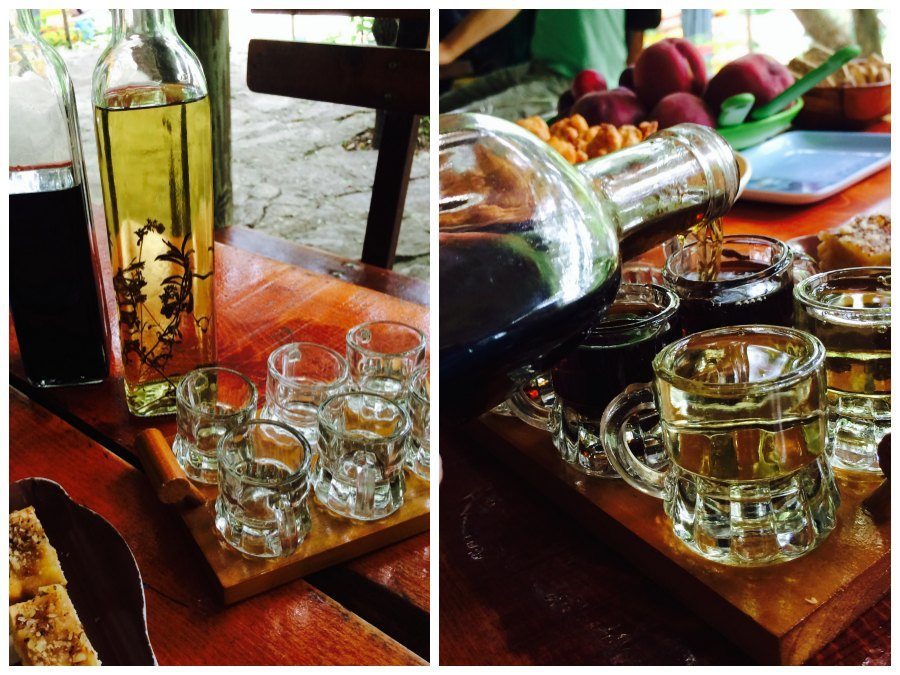
I’ve been coming to Croatia since 2000 (yeah, I am old!). Here are a few drinks I suggest – alcoholic and non-alcoholic for those under 18 years.
- Rakija: a potent fruit brandy that holds a special place in the hearts of Croatians. It comes in various flavors depending on the fruit used, such as plum (šljivovica), grape (lozovača), and cherry (višnjevača). I wrote a whole post about rakija here.
- Wine: Croatia has a rich wine-making history with numerous local grape varieties. Some Croatian wines include:
- Plavac Mali: A red wine from the Dalmatian coast
- Grk: A white wine unique to the island of Korčula
- Malvazija: A refreshing white wine from Istria
- Pelinkovac: a bitter herbal liqueur often compared to Jägermeister but with a distinct taste, it’s popular in Croatia and neighboring countries
- Maraschino: a cherry liqueur originating from the city of Zadar
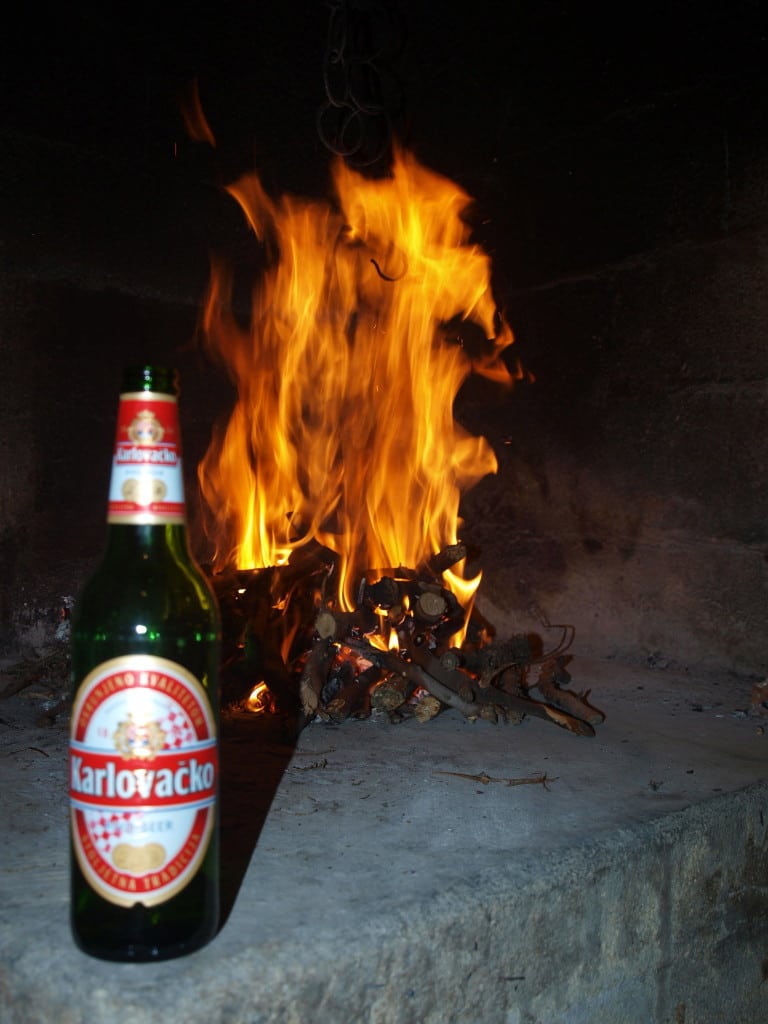
- Karlovačko and Ožujsko: Two of the most popular Croatian beer brands.There are dozens of other traditional beer types to try also!
- Biska: a particular type of rakija made from mistletoe and often associated with the Istrian region
- Prošek: a traditional sweet dessert wine from Dalmatia
- Gemišt: a refreshing drink made by mixing white wine with sparkling water, similar to a spritzer
- Cedevita: a popular instant drink powder that’s mixed with water to create a refreshing, vitamin-fortified beverage
- 🍊 Orangina: a unique blend of sweet and tangy flavors, thanks to its mix of citrus juices. One of the yummiest soft drinks for the hot summer months
Move This Adventure To Your Inbox & Get An Instant Freebie

No spam. Unsubscribe at any time.
Final Word On Drinking In Croatia
Croatia generally has a relaxed drinking culture, with public drunkenness often viewed negatively.
Croatian law sets the minimum legal drinking age at 18. Remember to carry your identification, which may be requested at bars, clubs, and stores.
Ultimately, by drinking responsibly (no binge drinking and keeping your alcohol consumption in check) and respecting local regulations, you can fully enjoy Croatia’s delightful libations. Živjeli!
Rakija, the drink of my summer.