

Göbekli Tepe is not just another ancient ruin — it’s one of the most important archaeological sites on Earth, and visiting it today still feels like stepping into an unanswered question. Located just outside Şanlıurfa in southeastern Turkey, this 11,000-year-old site predates Stonehenge and the Egyptian pyramids by millennia and has fundamentally reshaped archaeologists’ understanding of early human society.
Having visited Göbekli Tepe myself, what stands out most is not only its age but also how exposed and tangible the structures feel—massive carved pillars rising from a hilltop that humans shaped long before farming or cities existed. This guide focuses on what travelers need to know right now: what you’ll actually see, how to get there, when to visit, and how to experience Göbekli Tepe with context rather than confusion.
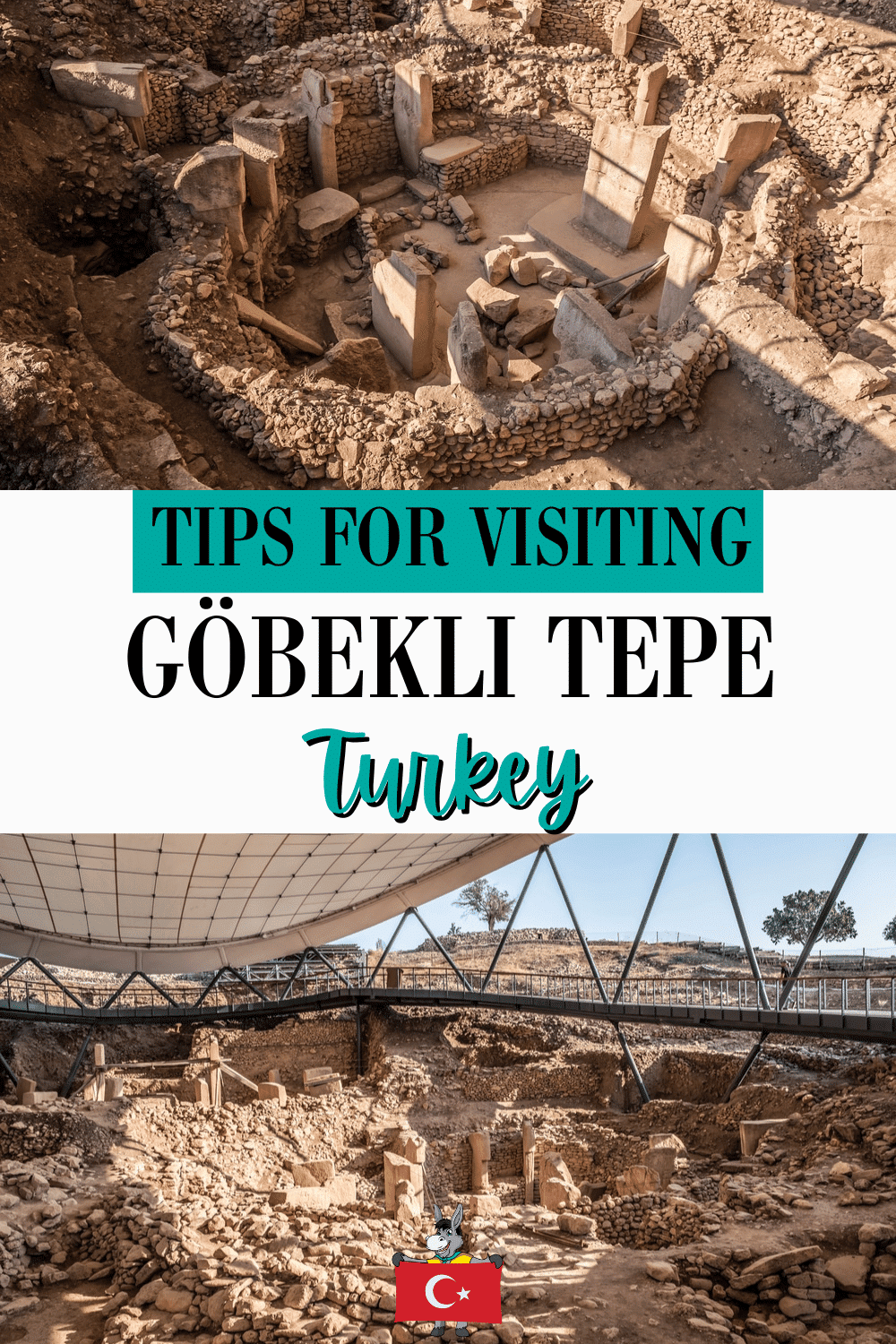
Skip Ahead To My Advice Here!
Things To Know Before You Visit Göbekli Tepe
Göbekli Tepe is located near Şanlıurfa in southeastern Turkey and dates to approximately 9600 BCE. It predates Stonehenge and the Egyptian pyramids by several millennia and is recognized as the world’s oldest known monumental ritual complex.
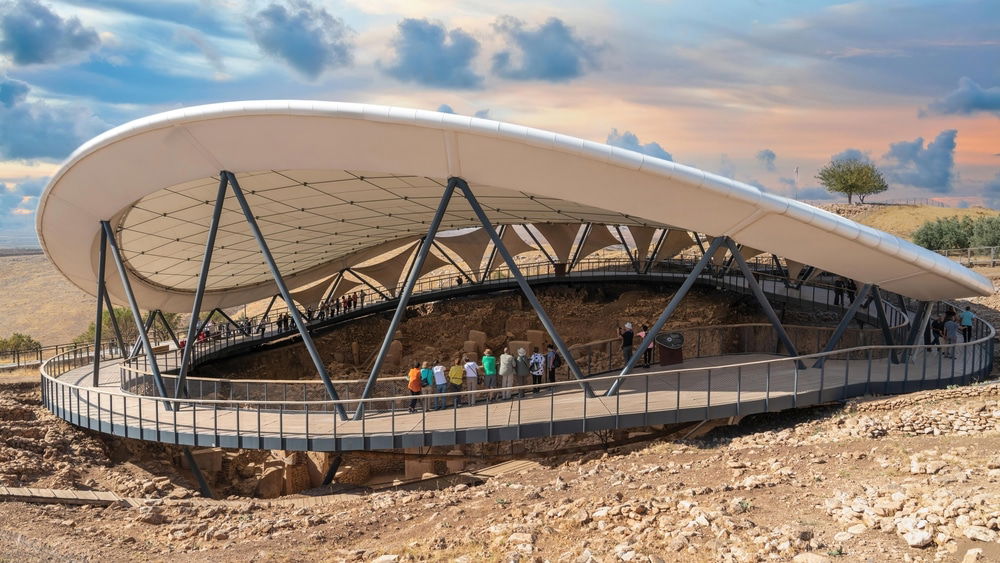
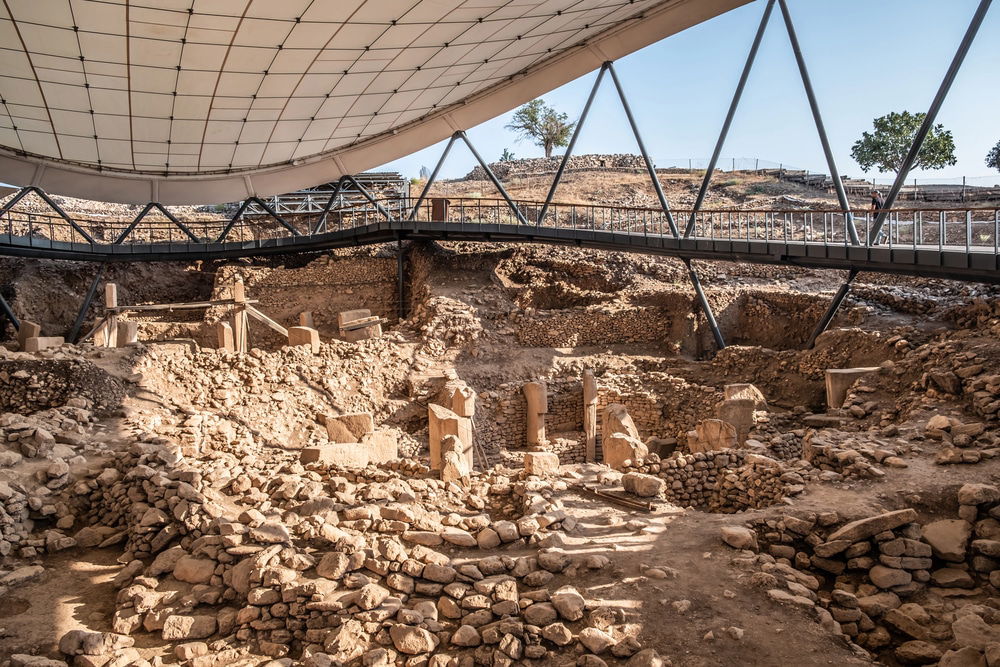
Visitors do not enter the enclosures; they observe them from elevated platforms beneath protective roofing. The site is an active archaeological area, with only a small percentage excavated to date.
Located in southeastern Turkey, this prehistoric site dates back over 11,000 years, making it the oldest known monumental ritual complex ever discovered.
Its discovery has wholly reshaped our understanding of human history, particularly regarding the origins of religion, architecture, and community life.
In 2018, Göbekli Tepe was designated a UNESCO World Heritage Site, solidifying its importance not only as a national treasure for Turkey but also as a pivotal key to humanity’s past, recognized globally.

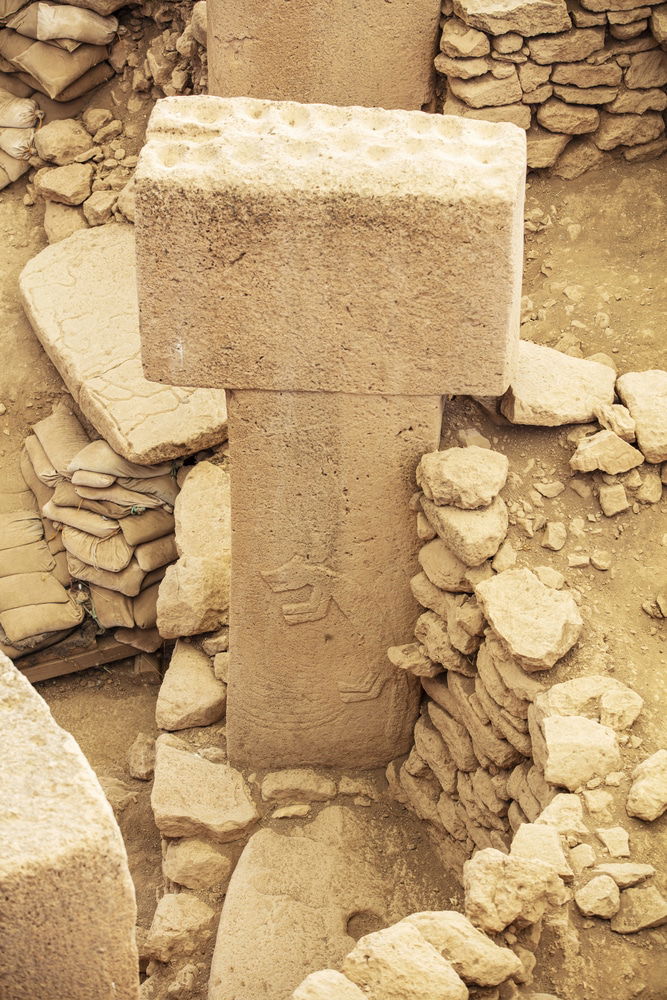
The site comprises large circular enclosures, some measuring over 20 meters in diameter, constructed from carefully crafted limestone pillars that reach up to 5.5 meters (18 feet) in height. Interestingly, many of these stones are adorned with intricate carvings of animals, including foxes, wild boars, and birds, which hint at the spiritual or ceremonial significance they held for the people of the time.
The sheer scale and age of the site are mind-blowing, pushing you back into a world that predates even Stonehenge or the Great Pyramids of Giza. Walking through this ancient sanctuary allows you to contemplate the beginnings of human civilization and the abstract thoughts that might have occupied the minds of its creators.
Note: In this document, you’ll see both “Göbekli Tepe” and “Göbeklitepe” used interchangeably to reflect the variations in spelling commonly found in English and Turkish contexts.
Why Göbekli Tepe Is One Of The Most Important Archaeological Sites In The World
Göbeklitepe was first identified during archaeological surveys in the 1960s, but detailed exploration didn’t begin until the mid-1990s. This archaeological marvel has transformed our understanding of prehistoric human life.
The site is estimated to be around 12,000 years old, dating back to the Pre-Pottery Neolithic period. It signals not only the advent of agriculture but also sophisticated societal structures and ceremonial practices, long before the emergence of settled farming communities.
The discovery of Göbeklitepe is also pretty interesting. Initially, its significance was underappreciated, as excavators presumed it was merely a burial mound. However, archaeologist Klaus Schmidt, who led the excavation efforts, recognized its extraordinary potential.
Layers of limestone pillars adorned with intricate carvings of animals and abstract symbols revealed a complex, monumental sanctuary. More than 20 stone T-shaped pillars, many over 5 meters tall, have been uncovered and arranged in circular enclosures that suggest a communal gathering place. The scale of the structures, alongside their craftsmanship, sparked interest and prompted people to explore further.
The significance of Göbeklitepe extends beyond its stunning architecture; it plays a pivotal role in rethinking how early humans lived and organized themselves. Before its discovery, many believed that the development of agriculture came first, leading to settled communities that allowed for the construction of large-scale religious structures. Göbeklitepe, however, flips this narrative on its head.
It suggests that the development of such a massive complex arose from communal ritual needs, with social cohesion already in place, predating agriculture. It suggests that social complexity and religious practices may have developed independently of food cultivation rather than directly as a result of it.
Without written records, the carvings and layout reveal the community’s spiritual beliefs at the time. The decorations include various animals, from snakes to foxes and birds, possibly related to animism or the reverence of nature’s forces. This suggests that religion and spirituality were integral to human existence.
The site also provides valuable insights into the community at the time. The act of gathering to build, worship, and celebrate suggests a dynamic social network. The care taken in the construction of Göbeklitepe tells us that those who built it possessed not only the practical skills required for architecture but also a deep connection to the spiritual aspects of their lives.
Göbeklitepe hints at a social hierarchy during a period often thought to be characterized by simple hunter-gatherer bands. The site’s complexity indicates that some form of leadership or organization was required to enable the collaboration needed to construct such a large structure. This reshapes our understanding of power dynamics and social structures in prehistoric communities.
Unsurprisingly, the archaeological site garnered significant international attention and protection and was added to the UNESCO World Heritage List in 2018.
Ultimately, Göbeklitepe is much more than a set of ancient stones; it represents a radical rethinking of the origins of human civilization, a complex ceremonial hub that suggests spirituality and social cohesion were central to human life long before agriculture dominated. It upends everything we thought we knew.
Brands We Use And Trust
Best Things To See At Göbekli Tepe

Göbeklitepe is vast, so it’s a good idea to know what to look for before you get there. Let’s talk about some highlights.
The Main Enclosure (Temenos)
At the heart of Göbeklitepe lies the Main Enclosure, often referred to as the “temenos.” This circular structure is a striking sight, characterized by T-shaped limestone pillars that soar to heights of up to 5.5 meters. The largest of these megaliths, which weigh several tons, is an awe-inspiring feat of engineering that speaks volumes about the organizational abilities of the people who built it.
The pillar carvings feature abstract symbols, animals such as snakes, foxes, and birds, indicating the deep spiritual beliefs of a society in tune with nature. Standing inside the enclosure, you can’t help but feel connected to ancient rituals that likely took place there.
What To Expect On Site
Most visitors view Göbeklitepe from raised walkways under protective roofing, so you’re looking down into the excavated areas rather than walking inside the enclosures themselves.
The Visitor Centre
Before diving into the ruins, a stop at the Göbeklitepe Visitor Centre is a must. This modern facility features interactive displays, informative panels, and multimedia presentations that provide insight into the site’s spiritual and cultural significance.
The center features interpretive displays, multimedia exhibits, and a scale model of the site, helping you grasp the size of Göbeklitepe before you explore it.
You can also take guided tours, which will provide a deeper understanding of the site’s history and context.
The Varied Enclosures

One of the most striking features of Göbeklitepe is the number of distinct enclosures uncovered. While Enclosure A and Enclosure B are the most famous, each presents a unique vision of the past.
Enclosure B features a circular design that is slightly smaller than Enclosure A but equally fascinating. Each enclosure is a unique puzzle piece that gives clues about the social and religious practices of prehistoric communities.
Enclosures are typically labeled alphabetically (A, B, C, D), with Enclosure D currently the largest and most elaborately decorated, accessible to visitors.
The Animal Carvings
As you wander through the site, be sure to take a closer look at the intricate animal carvings adorning the pillars. These sculptures have captivated archaeologists and visitors alike with their careful detail.
Often interpreted as totems or clan symbols, the animals — including lions, birds, and snakes — are not only decorative elements but also believed to hold significant meaning within ancient beliefs.
The Surrounding Landscape

Göbeklitepe is nestled in a picturesque landscape of rolling hills and fields that stretch toward the horizon. The site is located on a hilltop, offering panoramic views of the region. This setting is not just beautiful; it also makes you feel as if you’re back in the Neolithic era. You can appreciate the fertile plains that may have served as hunting grounds and gathering areas for the communities that constructed the temples.
Additionally, this entire area is essential for your camera.
The Archaeological Excavation Areas
Parts of Göbeklitepe are still being excavated as an active archaeological site. It’s fascinating to observe ongoing excavation work, which offers a unique glimpse into the process of uncovering history. Guided tours offer insights from archaeologists into the methods used and the discoveries made. You might even be fortunate enough to see newly unearthed artifacts or structures that add to the story of this remarkable site.
Only a small percentage of Göbeklitepe has been excavated to date, with much of the site intentionally left unexcavated to preserve it and support future research.
The Sacred Symbols
Beyond the animal carvings, Göbeklitepe is filled with many sacred symbols that leave a lasting impression. These abstract carvings, thought to represent cosmic ideals or spiritual beliefs, speak volumes about the conceptual world of the Neolithic people. Efforts to understand these symbols are still ongoing, and you have to wonder whether we’ll ever truly understand.
Guided Tours

I briefly mentioned guided tours, which are among the best ways to experience Göbeklitepe fully.
During our family visit to Göbeklitepe, we chose a guided tour, which made a real difference. The amount of information and context the guide provided — from how the site was built to what archaeologists still debate today — helped everything make sense in a way it wouldn’t have on our own. The explanations were clear, engaging, and easy for both adults and kids to follow, and for us, it was absolutely worth the cost.
Essential Tips For Visiting Göbekli Tepe Today
| Detail | Information |
|---|---|
| Location | Near Şanlıurfa, Southeastern Turkey |
| Estimated Age | c. 9600 BCE (over 11,000 years old) |
| UNESCO Status | World Heritage Site (2018) |
| Distance From Şanlıurfa | Approx. 15 km |
| Average Visit Time | 1.5–3 hours |
| Best Seasons | Spring and Autumn |
To make the most of your journey, here are some practical tips:
How To Get To Göbekli Tepe From Şanlıurfa
The nearest airport is Şanlıurfa GAP Airport (GNY), approximately 40 kilometers from the archaeological site. Regular Turkish Airlines domestic flights connect Şanlıurfa to major cities like Istanbul and Ankara, making it relatively easy to fly in.
Things To Know Before You Go
Göbeklitepe’s ticket office, visitor center, café, and souvenir shop are at the main entrance. From there, a shuttle service (included with admission) takes visitors up to the main monument area, or you can walk the approximately 1 km path.
Transportation From Şanlıurfa To Göbeklitepe
Car rental
Upon arriving at the airport, you have the option of renting a car. The drive from Şanlıurfa to Göbeklitepe usually takes about 30–40 minutes, depending on traffic. This method offers you the flexibility to explore the surrounding areas at your own pace.
Taxis
Another convenient option is to take a taxi directly to Göbeklitepe. Taxis are available from the airport and throughout Sanliurfa. Always ask to have the meter turned on to ensure fair pricing.
Public transport
While public transport options such as minibuses may not be as direct or comfortable, they are available and offer a budget-friendly way to reach Göbeklitepe. From Şanlıurfa’s main bus station, minibuses depart for the site. Travel time may vary, but it can take up to an hour or more, depending on stops.
Public transport options change frequently. Some visitors report municipal buses or minibuses operating intermittently, while others rely on taxis or tours. Availability should be confirmed locally in Şanlıurfa.
On public transport, travelers most commonly use the dedicated Bus 0 route from near the Şanlıurfa Archaeology Museum, but schedules and frequencies can vary. Confirm the current departure point and times locally in Şanlıurfa.
Organized Tours
For a stress-free experience, consider joining an organized tour to Göbeklitepe. Many local travel agencies in Şanlıurfa offer guided tours of the site, often with knowledgeable guides who provide invaluable insights into its history and significance. These tours typically include transportation from your hotel, ensuring a hassle-free visit.
Move This Adventure To Your Inbox & Get An Instant Freebie

No spam. Unsubscribe at any time.
Best Time Of Year To Visit Göbekli Tepe
Ideally, the best times to visit are during the spring (April to June) and autumn (September to November). During these seasons, you will enjoy pleasantly mild temperatures, typically ranging from the mid-20s to the low 30s Celsius (70s to 80s Fahrenheit). This climate not only makes exploration easier but also allows you to fully appreciate the surrounding natural beauty.
Summers in this region are extremely hot, while winters can be cold, windy, and occasionally wet. That’s why shoulder seasons are a much more comfortable time to explore.
To avoid crowds, aim to arrive early in the morning, right when the site opens, or later in the afternoon, near closing time. These times are not only less crowded but also feature softer, golden lighting that’s ideal for photography.
Remember to wear comfortable walking shoes and a hat, especially during the warmer months. You’ll want to spend several hours wandering through this fascinating site.
Visiting Gobekli Tepe FAQs
What is Göbekli Tepe?
Göbekli Tepe is a prehistoric archaeological site near Şanlıurfa in southeastern Turkey, dating to around 9600 BCE. It features massive T-shaped stone pillars arranged in circular enclosures and is considered the world’s oldest known monumental religious or ceremonial complex.
Why is Göbekli Tepe so important?
Göbekli Tepe predates Stonehenge and the pyramids by thousands of years and challenges long-held theories that agriculture came before complex social and religious structures.
When was Göbekli Tepe discovered?
The site was first identified during surveys in the 1960s, but its true significance was recognized in the 1990s under the direction of archaeologist Klaus Schmidt.
Is Göbekli Tepe a temple?
While often described as a temple, archaeologists generally refer to Göbekli Tepe as a ceremonial or ritual complex, as its exact function is still debated.
Is Göbekli Tepe open to visitors?
Yes, Göbekli Tepe is open to visitors and includes a modern visitor center, walkways, and protective roofing over the main enclosures.
How far is Göbekli Tepe from Şanlıurfa?
Göbekli Tepe is located about 15 kilometers northeast of Şanlıurfa city center and can be reached in 30–40 minutes by car or taxi.
What is the best time of year to visit Göbekli Tepe?
Spring (April–June) and autumn (September–November) offer the most comfortable temperatures. Summers are extremely hot, and winters can be cold and windy.
How long should I allow for a visit?
Most visitors spend 1.5 to 3 hours at Göbekli Tepe, depending on whether they use a guide or explore independently.
Are guided tours worth it?
Yes. Guided tours provide essential archaeological and historical context that is difficult to grasp from signage alone.
- Best Hotels In Cappadocia, Turkey
- Best Restaurants In Bodrum
- Best Types Of Turkish Kebab To Try
- Reasons To Visit Turkey From A Local
- Must-See Sites In Sanliurfa
- 5-Day Southeastern Turkey Itinerary
- Turkey’s Black Sea Coast Paradise – Amasra
- Mount Nemrut – UNESCO World Heritage Site
- Unbelievably Stunning Spots To Visit In Turkey
- What To Pack For Turkey
- 5 Reasons To Visit Gallipoli, Turkey
- How To Get From Istanbul To Cappadocia
- Cappadocia Hot Air Balloon Ride Tips
- Greek Island Day Trip From Southern Turkey
- Turkish Hammam Tips To Know Before You Go
- Tips For Travelingin Turkey On A Budget
- Guide To The Ancient City Of Dara