

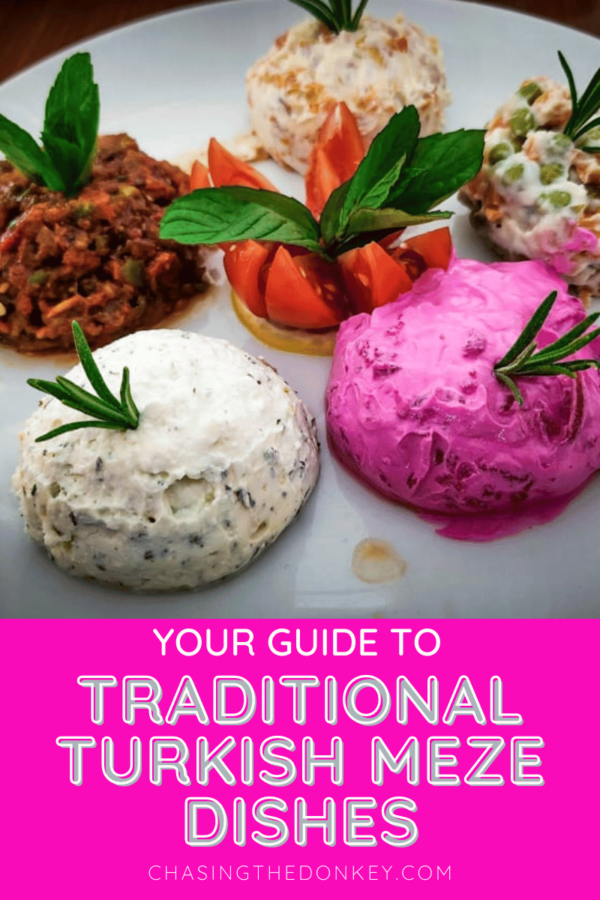
Turkish meze is a selection of small shared dishes served before or alongside a meal in Turkey, often with bread and drinks such as rakı, wine, or ayran.
Think of meze as the backbone of Turkish social dining. These small plates are placed in the middle of the table and are meant to be shared slowly while talking, drinking, and eating at a relaxed pace.
You’ll find meze everywhere in Turkey, from casual family meals to long, late-night dinners at meyhane-style restaurants. Sometimes it’s just the opening act before a main course. Other times, meze is the meal.
If you’ve ever wondered what Turkish meze actually is, how it’s eaten, or what dishes you’re likely to see on the table, this guide breaks it all down.
Skip Ahead To My Advice Here!
What Are Turkish Mezes?
Turkish meze, pronounced “meh-ZEH,” is a collection of small shared plates served as appetizers or alongside drinks.
These dishes are integral to Turkish cuisine and are often enjoyed before the main course.
Beyond their role in satiating hunger, meze adds a layer of depth to the dining experience, encouraging shared moments of joy and connection.
When Is Meze Served in Turkey?

Meze isn’t confined to any particular occasion; it’s versatile and adaptable. You’ll find it gracing the tables of casual family dinners, lively gatherings with friends, and celebratory feasts. Meze serves as both an enticing prelude to the main meal and the main event itself, especially when paired with good company.
Everyday Turkish Meze Dishes You’ll See in Restaurants
Here’s a selection of common (and tantalizing!) meze dishes:
1. Patlıcan Şakşuka – Kind Of Like Baba Ghanoush Eggplant Dip
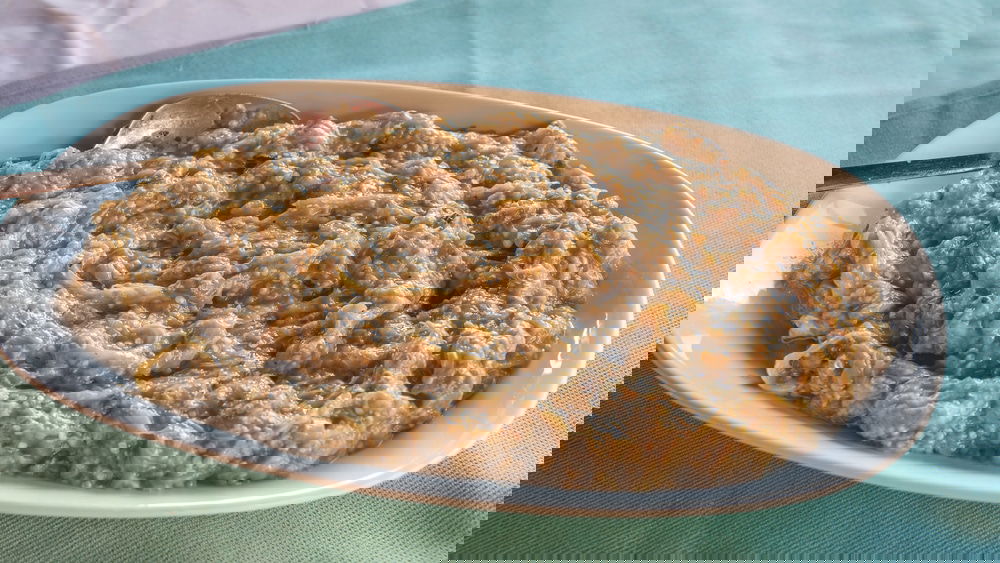
A delightful mix of sautéed eggplants, bell peppers, and tomatoes in a rich tomato sauce, seasoned with garlic and various spices. It’s served cold and offers a delightful medley of flavors and textures.
2. Acılı Ezme
Acılı Ezme is a zesty, spicy vegetable salad, finely chopped and bursting with flavor.
It typically includes tomatoes, onions, peppers, parsley, and a blend of spices like red pepper flakes and cumin. The heat from the spices adds a fiery kick to this meze, making it a bold and exciting choice for those who enjoy spicy flavors.
3. Girit Ezmesi (Cretan Salad)
Inspired by Crete, Girit ezmesi is a creamy cheese-based meze (often feta or Turkish white cheese) mixed with olive oil, herbs, and often pistachios.
4. Midye Dolma
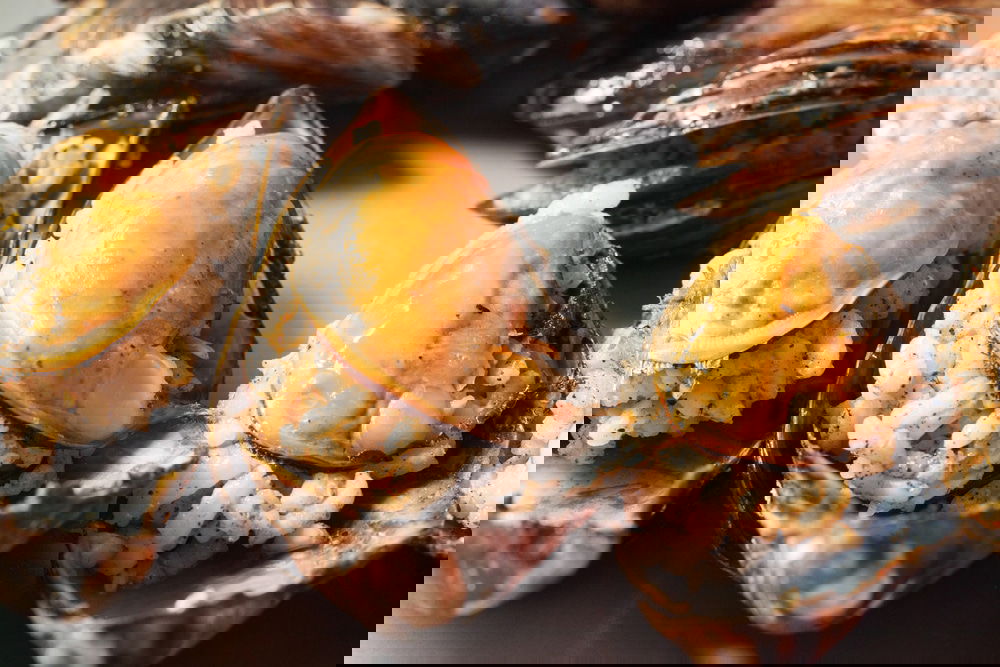
Midye Dolma is a unique meze consisting of stuffed mussels. The mussels are filled with a delectable mixture of rice, pine nuts, herbs, and sometimes a touch of spice. After stuffing, they are baked or steamed to perfection. This meze offers a delightful seafood experience with a mix of textures and flavors.
5. Deniz Börülcesi (Samphire Salad)
A unique meze made from samphire, a vibrant green coastal plant. It’s often blanched and served cold, drizzled with olive oil, lemon juice, and garlic.
6. Hummus – Chickpea Dip
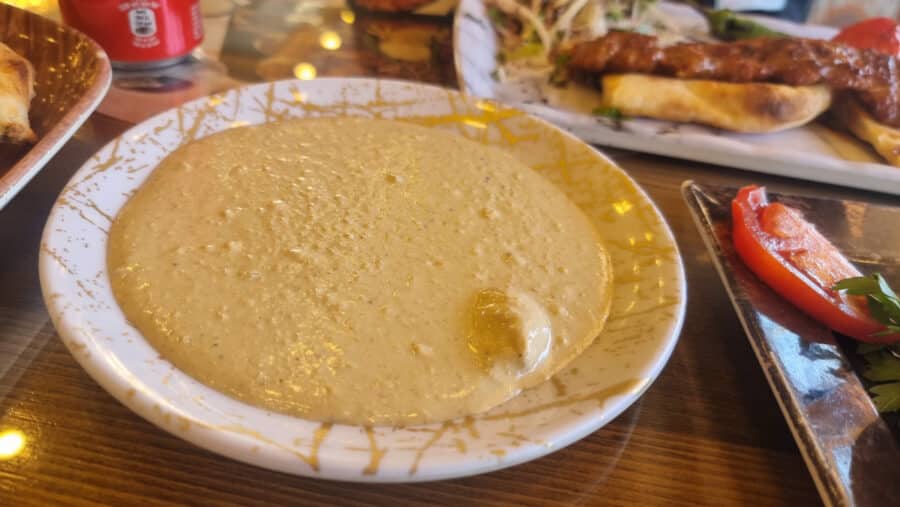
Creamy and earthy hummus is a classic meze made from chickpeas, tahini, garlic, lemon juice, and olive oil. It’s garnished with a drizzle of olive oil and a sprinkle of paprika.
7. Köfte
Köfte is a beloved Turkish meze that features grilled or fried meatballs. These meatballs are typically made from ground meat, often a blend of beef and lamb, and seasoned with spices like cumin, paprika, and parsley. Köfte can be served with various accompaniments, such as yogurt, warm pita bread, or salads, making it a satisfying and flavorful choice.
8. Köpoğlu
A flavorful mix of roasted eggplants, tomatoes, green peppers, and garlic, Köpoğlu is a smoky and savory meze dish.
9. İzgarada Halloumi Peyniri (Grilled Halloumi Cheese)
Slices of halloumi (hellim) grilled to perfection, creating a golden exterior and a firm, salty, “squeaky” bite.
10. Zeytinyağlı Yaprak Dolması
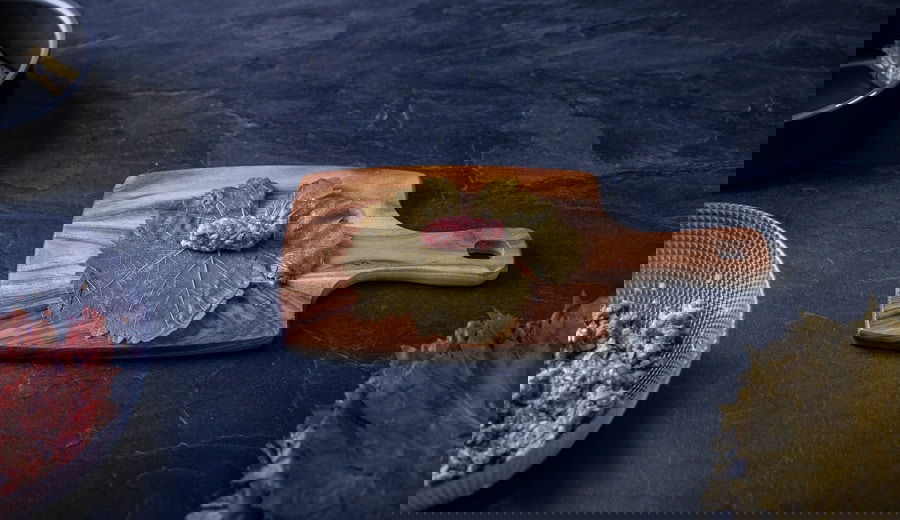
Zeytinyağlı Yaprak Dolması is a vegetarian meze of stuffed grape leaves in olive oil, a staple on many Turkish restaurant menus.
The filling usually includes rice, herbs like dill and mint, and occasionally pine nuts or currants for added texture and flavor. These stuffed grape leaves are tender, tangy, and a delightful example of Turkish culinary artistry.
11. Kısır – Made With Bulgur
A Turkish version of tabbouleh, Kısır is a salad made from finely chopped parsley, bulgur, tomatoes, onions, and herbs, dressed with pomegranate syrup and a hint of fresh olive oil.
12. Havuç Salatası (Carrot Salad)
A refreshing meze prepared with grated carrots, yogurt, garlic, and a hint of lemon juice, offering a cool and tangy contrast to other meze dishes.
13. Cacık
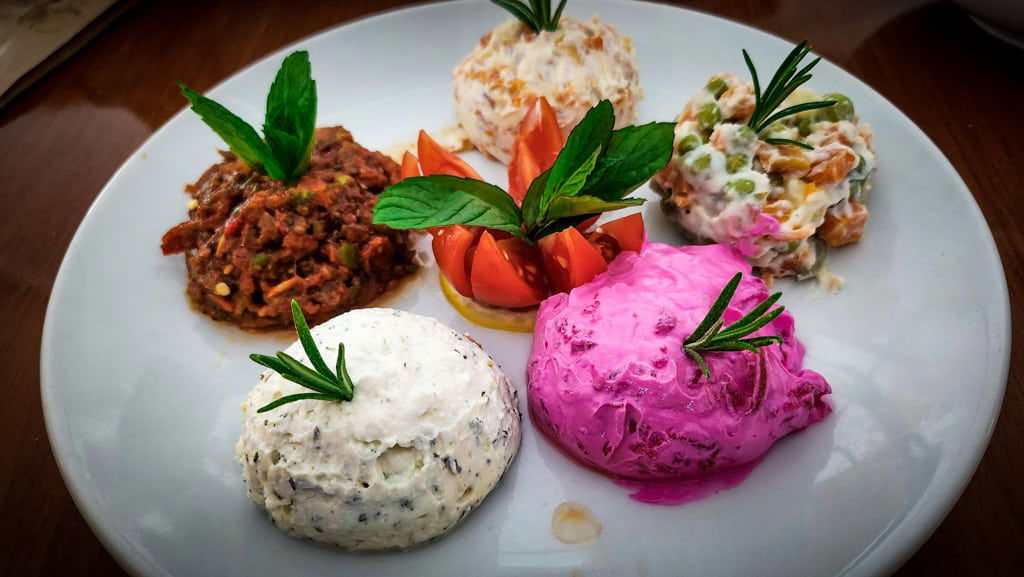
Similar to tzatziki, Cacık combines yogurt, grated cucumbers, minced garlic, fresh mint, and a pinch of salt to create a cool, creamy dip.
14. Muhammara – Roasted Red Pepper
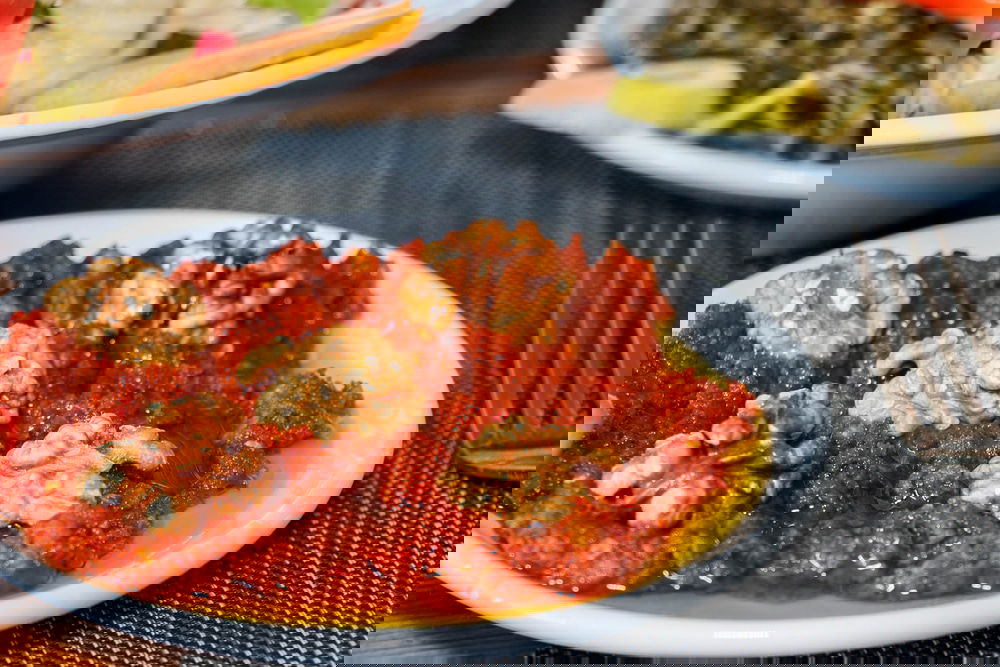
A spicy, nutty meze made with roasted red peppers, walnuts, bread crumbs, and a blend of spices. Muhammara is both flavorful and slightly fiery.
15. Sarma
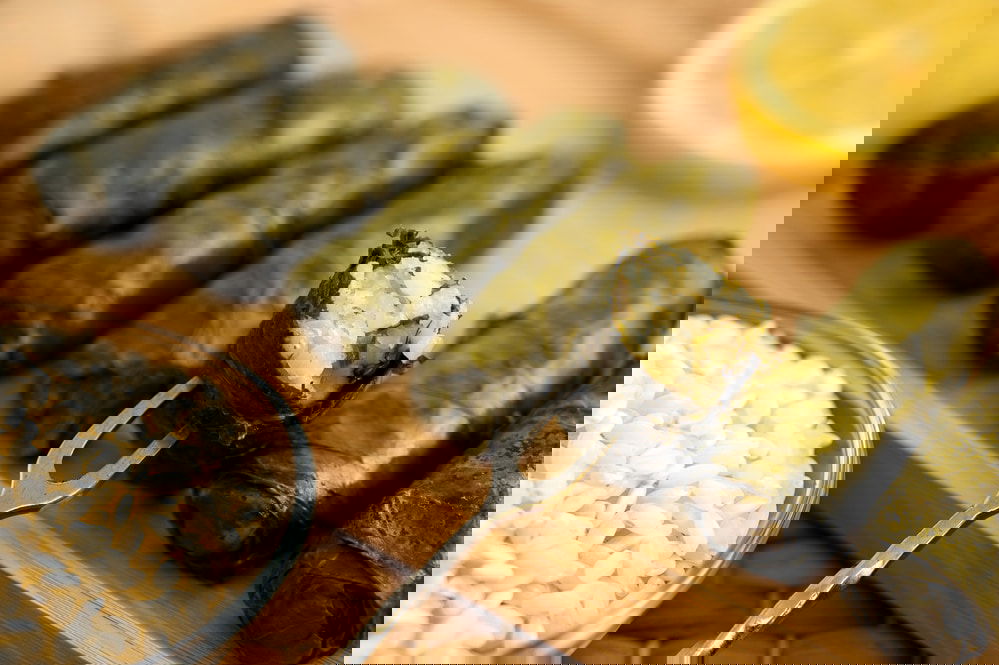
Rolls made from vine leaves or cabbage leaves stuffed with a delectable mixture of rice, herbs, and spices. Sarma is a classic Turkish meze dish.
16. Haydari
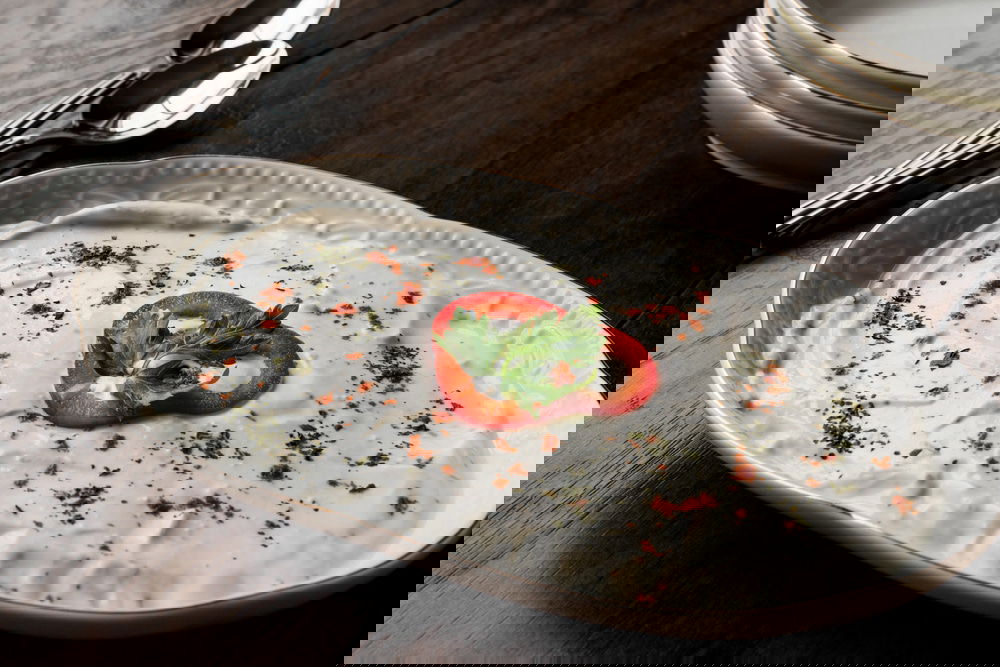
A thick yogurt-based meze with minced garlic, herbs, and a drizzle of olive oil. Haydari is creamy, tangy, and often served as a dip with flat breads.
17. Bakla Ezmesi
Bakla Ezmesi is a flavorful spread made from mashed fava beans, olive oil, garlic, lemon juice, and spices. It’s often garnished with fresh herbs, such as parsley, and served as part of a meze spread.
18. Mercimek Ezmesi -A Hummus-like dish
This dish is also called Lentil Ezmesi. While it may not be the same as traditional hummus, it shares some similarities, particularly in its creamy texture and use as a dip or spread.
While Mercimek Ezmesi shares similarities with hummus, its use of red lentils and regional spices gives it a unique Turkish twist, creating a delicious Turkish flavor profile. It’s a tasty and nutritious option for those exploring Turkish cuisine.
Brands We Use And Trust
Ordering Meze

When you’re in a Turkish restaurant, it’s customary to start with a selection of meze dishes.
This is especially common in meyhane- and seafood-style restaurants, rather than in fast-casual eateries.
Some restaurants may bring a small complimentary meze, but it’s common to order additional plates to complement your meal.
In some meyhane-style and fish restaurants in Turkey, you may not be given a printed menu for meze.
Instead, the waiter will invite you to visit the display cases (see my photo from Izmir) to take a look at the day’s mezes.
The waiter will then describe each dish. Typically, these restaurants offer 10-20 fresh meze options prepared on the same day. So, if you’re a party of 2, choosing 3 or 4 mezes for your table is normal.
Regional Meze Variations In Turkey
Turkey’s diverse regions offer a treasure trove of meze specialties. Along the Black Sea, you’ll encounter meze featuring anchovies, while the Mediterranean boasts dishes rich in olive oil and seafood. The Aegean region showcases unique herbs, and Anatolia’s meze reflects its diverse landscapes.
What Do You Drink With Meze In Turkey
In Turkey, meze is typically enjoyed with various beverages that complement the flavors of these small dishes. The choice of drink can vary depending on personal preference and the occasion. Here are some common beverages to pair with meze in Turkey:
19. Rakı

Rakı is perhaps the most iconic drink to accompany meze in Turkey. And it is 100% my favorite! It’s an anise-flavored alcoholic beverage that turns cloudy when mixed with water or ice. Rakı is often associated with social gatherings and is considered a traditional choice when enjoying meze. It’s especially popular during festive occasions.
Raki, also known as “Lion’s Milk,” is somewhat similar to ouzo and pastis. Raki has a long history in Turkey, dating back to the Ottoman Empire. It is my brand of choice when drinking with my Turkish friends (and enjoying our traditional mezes) in Turkey, and it has to be Beylerbeyi Göbek Raki, a delicious Turkish drink.
20. Turkish Wine
Turkey has a growing wine industry, and Turkish wines, both red and white, can be a delightful choice to accompany meze. The acidity and fruity notes in Turkish wines can complement the diverse flavors of meze dishes. Turkish wine regions like Cappadocia and Thrace produce excellent wines.
21. Ayran

Ayran is a traditional Turkish yogurt-based drink that offers a refreshing contrast to the rich, savory flavors of meze. It is made by mixing yogurt, water, and a pinch of salt. Ayran’s tangy and slightly salty taste makes it a popular choice for cleansing the palate between bites of meze.
My little boy drank so much of this in February when we were last there – he felt so grown up drinking from such a tall glass.
22. Şalgam Suyu
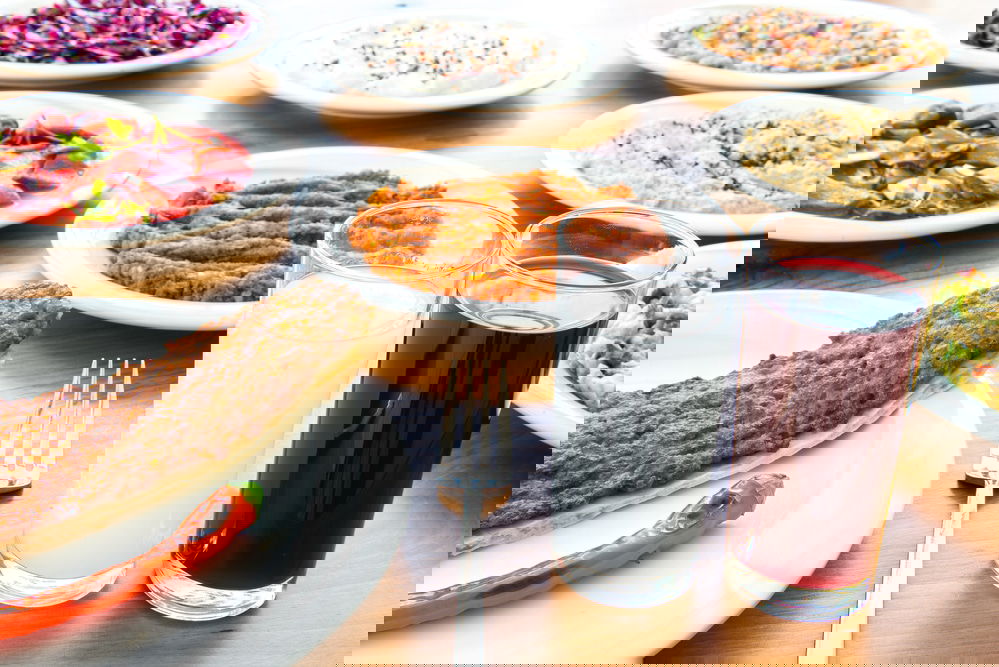
Şalgam suyu is a unique Turkish beverage made from fermented black carrots, turnips, and sometimes beets. It has a slightly sour and earthy taste and is often enjoyed as a regional specialty, particularly in southeastern Turkey. While not as common as other beverages, it can be a distinctive option to try with certain meze.
23. Fruit Juices
Non-alcoholic options, such as freshly squeezed fruit juices like pomegranate or sour cherry, can be a refreshing choice to enjoy alongside meze. These juices can provide a sweet contrast to the savory and salty flavors of meze.
Plus, mineral water. Some people prefer still or sparkling mineral water to cleanse the palate between meze dishes. It’s a neutral and straightforward option that allows you to fully appreciate the distinct flavors of each meze.
How To Enjoy Turkish Meze
Arranging The Spread
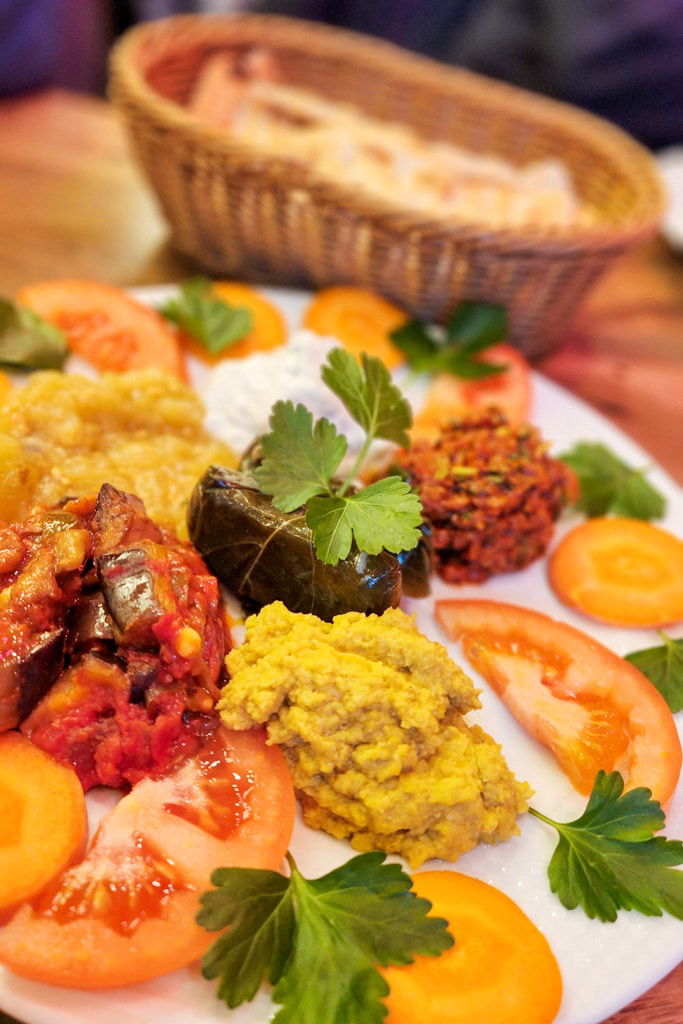
Aim for an inviting display when setting the table for a meze feast. Use small, colorful dishes or platters to present each meze item. Create a balanced spread with a variety of flavors, textures, and colors. Arrange the dishes thoughtfully, ensuring that they complement each other.
Sharing The Experience
Meze is all about sharing. Encourage a communal atmosphere by placing the dishes at the center of the table, allowing everyone to reach and serve themselves. Share stories, laughter, and good conversation as you enjoy the meze together. It’s an opportunity to connect and bond with friends and family.
Using Utensils And Bread

In Turkish culture, meze is often enjoyed with bread, which is used as a utensil and as part of the dish.
Tear off a piece of flatbread or pide bread (a style of Turkish bread) and use it as a utensil to scoop up meze. If utensils are provided, use them respectfully. Remember that meze is generally eaten in small portions to savor the variety.
Order of Enjoyment
There’s no strict order for enjoying meze dishes, but starting with lighter options like salads and yogurt-based meze is standard. Progress to heartier, warm dishes like Patlıcan Şakşuka or Köpoğlu, saving the spicier or more intensely flavored dishes for later.
Beverage Pairing
Traditionally, meze is enjoyed with rakı, a popular Turkish anise-flavored spirit, or ayran, a yogurt-based drink. Turkish wine also complements meze well. Feel free to choose your preferred beverage, but remember that moderation is key, especially with rakı.
Etiquette
When serving yourself, use a clean utensil or the non-eating end of your bread for scooping. Avoid double-dipping; take a small portion onto your plate before consuming. Don’t rush. Meze is meant to be savored slowly, allowing you to appreciate the nuances of each dish.
Trying Everything
Be adventurous and try a bit of everything. Turkish meze offers a rich tapestry of flavors, and you might discover new favorites along the way.
Expressing Appreciation
Show your appreciation for the host by complimenting the meze spread. A simple “Ellerinize sağlık” (meaning “health to your hands”) is a common Turkish expression of gratitude for a delicious meal.
Take Your Time
Meze is more than just a meal; it’s an experience. Take your time, enjoy the company, and savor each bite. Let the conversation flow as you relish Turkey’s flavors.
Homemade Turkish Meze Recipes
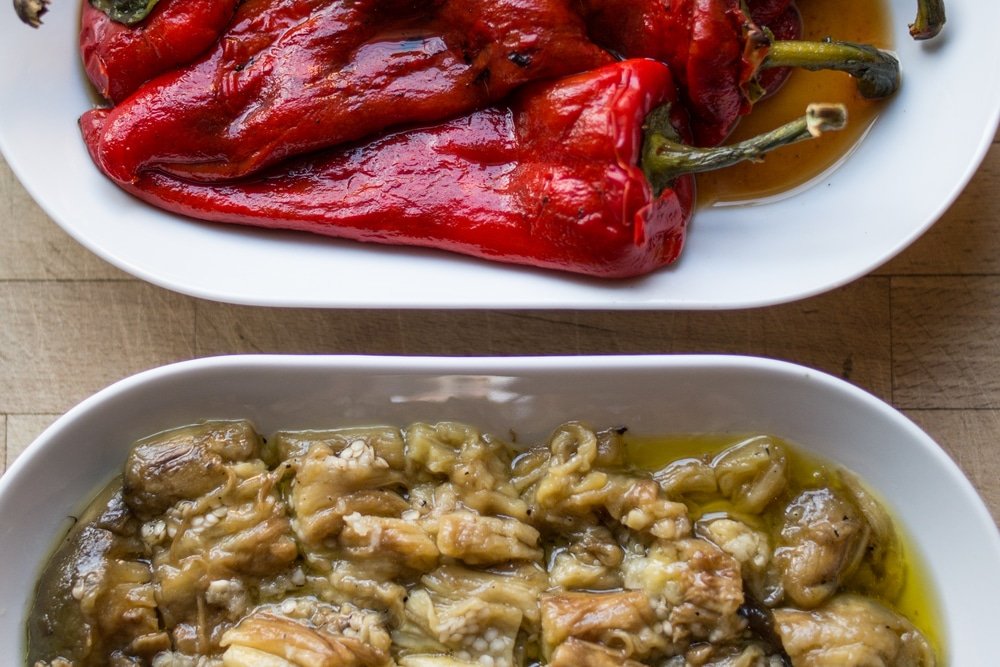
If you’re inspired to recreate the magic of Turkish meze at home, many recipes use common ingredients you’ll have on hand. But you will also need to head to a specialty or Turkish food store to get Turkish spices like these, as well as sumac, pomegranate molasses, Turkish coffee, and baharat spice mix.
Some of the most straightforward and delicious Turkish recipes to start with include:
- Hummus: Blend chickpeas, tahini, garlic, lemon juice, and olive oil until smooth. Garnish with a drizzle of olive oil and a sprinkle of paprika.
- Cacık: Combine yogurt, grated cucumber, minced garlic, fresh mint, and a pinch of salt
- Kısır: Mix finely chopped parsley, soaked bulgur, diced tomatoes, minced onions, fresh mint, olive oil, and lemon juice
- Sarma: Roll vine leaves or cabbage leaves around a filling of rice, ground meat (if desired), herbs, and spices. Steam or bake until tender. Find my recipe here.
Move This Adventure To Your Inbox & Get An Instant Freebie

No spam. Unsubscribe at any time.
What You Need At Home To Make Meze

A mini food processor is a fantastic tool for making Turkish meze dips and spreads, utilized to crush and prepare chopped ingredients in a traditional Turkish way. Personally, I have a strong attachment to my mini-prep plus processor. I highly recommend getting one.
Having small scraping spatulas is ideal for scraping dips and spreads from the food processor. You can use any small-sized spatula or even a spoon!
Now, let’s talk about the importance of a sharp knife. It may seem obvious, but no one enjoys cutting tomatoes with a dull knife. Personally, I own a knife set and get my husband to sharpen them to keep them razor-sharp.
Meze plates – the smaller, the more colorful, the better!
Meze Beyond Turkey
The concept of meze transcends borders, appearing in cuisines across the Middle East and the Mediterranean. While the core idea remains the same, each region adds its unique twist, resulting in delightful variations worth exploring.
Turkish meze is more than just food; it celebrates flavors, culture, and shared moments. As you embark on your culinary journey, don’t miss the opportunity to savor the diversity and richness of meze, both in Turkey and beyond. Gather your friends, set the table, and let the meze feast begin!
No one needs the fancy word hors d’oeuvres when you have meze, right?
What is a meze?
A meze (or mezze) is a collection of small shared dishes served before or alongside a meal, or enjoyed on its own with drinks. In Turkey, meze is commonly eaten with bread and beverages such as rakı, wine, or ayran.
Is meze a meal or an appetizer?
Meze can be either. In Turkey, it’s often served as an appetizer before a main course, but when several dishes are shared over drinks, meze can easily become the main meal.
Where are meze dishes commonly found?
Meze dishes are typical in Turkey, Greece, and across the Eastern Mediterranean and Middle East. While similar in concept to Spanish tapas, meze is typically enjoyed more slowly and as part of a longer, social meal.
What is typically included in a Turkish meze spread?
A Turkish meze spread usually includes a mix of cold and warm dishes such as yogurt-based dips, vegetable salads, olive oil dishes, stuffed vine leaves, seafood, and bread for scooping and sharing.
How are meze dishes served in restaurants?
Meze dishes are meant to be shared and are usually placed in the center of the table. In some restaurants, especially meyhane-style or seafood restaurants, meze may be brought out by the house or chosen from a daily display rather than ordered from a menu.
How can I host a Turkish mezze party?
To host a Turkish mezze party, prepare several dishes in advance, arrange them on a shared table, and serve them with bread and drinks. The focus is on relaxed sharing, conversation, and enjoying a variety of flavors rather than a formal meal structure.
We’d love to hear about your favorite meze experiences and dishes. Join the conversation and share your culinary adventures.
Whether you’re trying a new meze recipe or discovering the delights of a Turkish restaurant, may your meze journey be filled with flavorful memories and cherished connections.
- Must Try Food In Turkey
- Best Turkish Coffee In Istanbul
- Traditional Dishes In A Turkish Breakfast Done The Turkish Way
- Lesser-Known Istanbul Street Food
- Weird Turkish Foods To Try
- Best Places To Get Turkish Breakfast In Istanbul
- Vegan Food To Try In Turkey
- Spices To Try In Turkey
- Best Types Of Turkish Kebab To Try
- Traditional Soups To Eat In Turkey
- Best Restaurants In Kadikoy